- Category
- Grains, flour and pasta
- State
- Dry
- Usual unit
- g
What it is
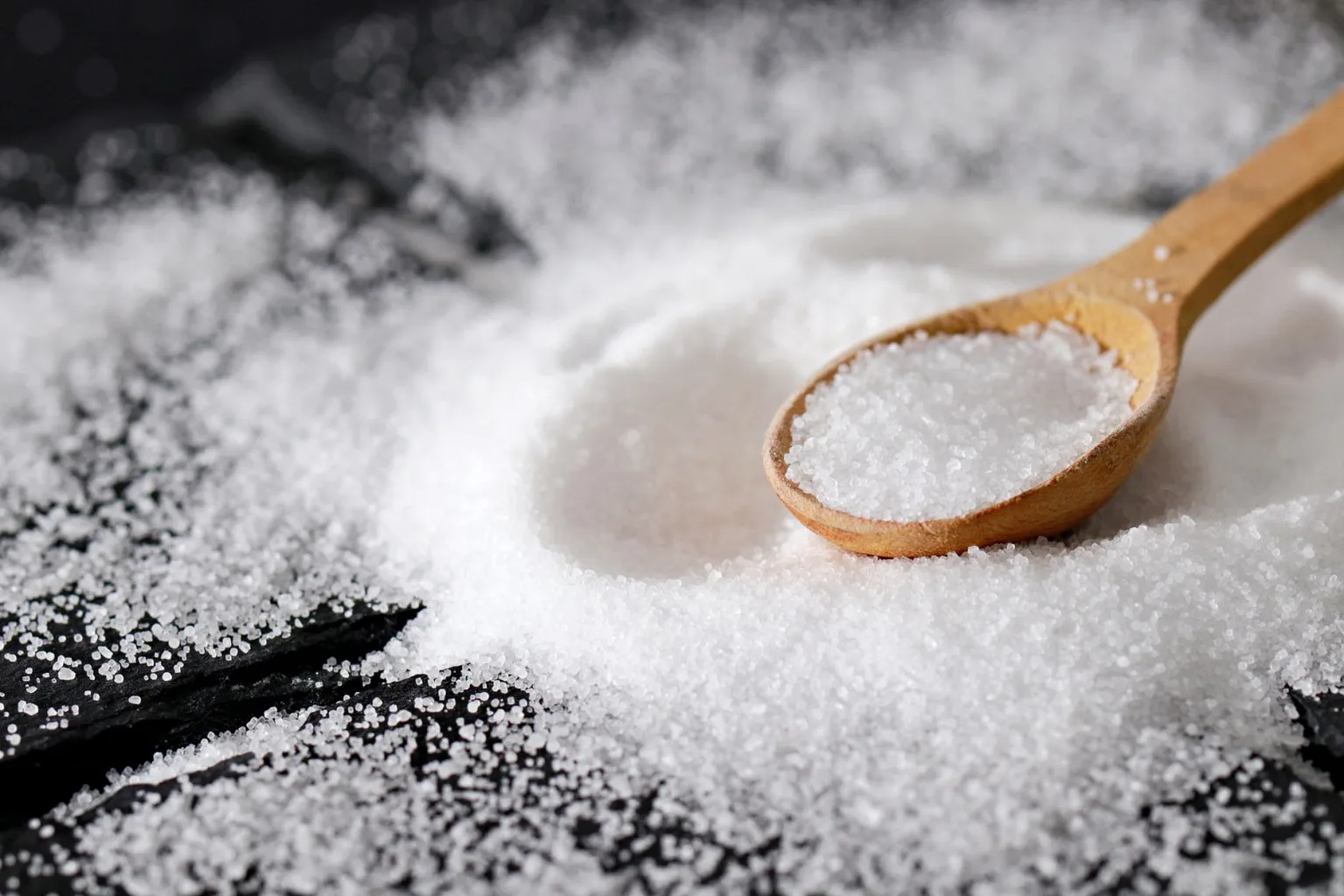
Semolina is a milled cereal product with a granular texture, coarser than fine flour; “fine” describes particle size, not necessarily the grain it comes from. The supplied evidence mentions semolina made from wheat, corn and rice, among other grains. The name “fine semolina” therefore does not identify the grain on its own: check the package. Grain, particle size and which parts of the grain are retained affect how it behaves and the result in a recipe. Wheat semolina is used in preparations such as doughs and pasta, while semolinas from other grains have their own uses. Do not assume every variety can be swapped without changing texture or method.
When to use it
Choose fine semolina when a recipe specifies a fine grind or calls for a less coarse texture than a coarser semolina would provide. Depending on the grain, it can be used for creamy preparations and some doughs, pasta or baked goods. Before cooking, check the package to identify the grain and compare it with the recipe: directions for wheat do not automatically apply to corn or rice. If a recipe does not specify the grain or grind, the result may differ, so do not assume fine semolina is interchangeable with a product from another grain.
How to use it
First read the package to identify the grain, then follow the package or recipe directions, since both grain and particle size affect preparation. For porridge or another creamy mixture, add the semolina gradually to the liquid while stirring to disperse the grains; follow the particular recipe rather than assuming a universal quantity or cooking time. In dough, pasta or baking recipes, use it only when its grain and grind match what the formula calls for. Wheat semolina can be used in doughs, while varieties from other grains suit different preparations. If you substitute one kind for another, expect possible changes in absorption, texture and flavor.
Flavour and texture
The exact profile depends on the grain and grind. Semolina is granular before cooking; a prepared dish may range from creamy to firmer depending on the recipe. Do not assume a particular color or flavor for this product without checking the grain named on the package.
How to choose it
Choose a package that clearly identifies the grain and specifies a fine grind. If you need semolina for a particular recipe, check that its grain matches the recipe; the generic name does not guarantee that it is wheat. Read the ingredient and allergen information instead of identifying it by appearance alone.
Storage
The supplied evidence does not establish a specific storage method or shelf life for this semolina. Follow the manufacturer's directions and use the packaging or suitable container indicated on the label. Do not infer a precise shelf life or special storage conditions from the ingredient name alone.
Substitutions
Fine semolina made from rice or corn may replace another kind in some recipes, but it will not necessarily behave the same way. Flour from the same grain can also change the degree of graininess. Check the grain and grind required by the recipe, and expect possible differences in texture and outcome.
Common mistakes
A common mistake is treating all fine semolina as wheat or assuming every kind is interchangeable. A recipe can also turn out differently if the grain, particle size or package directions are overlooked. Check those details before measuring or substituting.
Safety and allergens
The ingredient name alone does not identify the grain. If you need to avoid wheat, gluten or another ingredient for food-safety reasons, check the full label and allergen information; the supplied evidence establishes no additional product-specific warning.
Culinary uses
- Base para gachas, papillas y preparaciones cremosas
- Ingrediente para masas, pasta y productos horneados cuando la etiqueta confirma que es de trigo
Recommended techniques
- Cocer o hidratar siguiendo las indicaciones del envase y la receta
- Añadir gradualmente al líquido mientras se remueve para ayudar a distribuir los granos
Pairs well with
- Agua y mantequilla en una papilla sencilla
- Mostaza, curry leaves, jengibre y cebolla en una preparación tipo upma
Frequently asked questions
Is fine semolina always made from wheat?
No. The supplied evidence mentions semolina from several grains, including wheat, corn and rice. Check the specific ingredient on the package.
Can I replace fine semolina with flour?
It depends on the recipe. Flour is usually finer, so the result may be less granular and have a different texture.
Are fine and coarse semolina used in the same way?
Not necessarily. Grind affects texture and use; follow the grind specified in the recipe and on the package.
Sources and review
Automatically researched, cross-checked and validated content. Sources consulted:
- Client Challenge doi.org
- The Essential Glossary of Cooking Terms for the Culinary Arts - Escoffier escoffier.edu
- Food Labeling Guide marketready.uky.edu
- CERVECERO ESPAÑOL aesan.gob.es
- Qué es la sémola: usos, tipos y diferencias legumbresmiau.es
- ¿Qué es la sémola? Todo lo que necesitas saber | Garofalo pasta-garofalo.com
- Conoce qué es la sémola de trigo | Recetas Nestlé recetasnestle.com.co
- Sémola cruda (¿orgánica?) | Fundación G+E diet-health.info
- Upma | Institute of Culinary Education ice.edu
- R.H. Harris, L.D. Sibbitt, G.M. Scott; THE PARTICLE SIZE OF SEMOLINA IN RELATION TO QUALITY AND WHEAT VARIETY.; FOOD TECH. 9(9):449-452; 1955 | Special Collections Finding Aids library.ndsu.edu
- Nutrition as medicine: The building blocks of health - cooking | Newsroom | University of Nebraska Medical Center unmc.edu
- SENSORY EVALUATION OF MICROWAVE TREATED wpcdn.web.wsu.edu
- Tables on weight yield of food and retention factors of food ... publikationen.bibliothek.kit.edu
- Todo lo que necesitas saber sobre la sémola | LÉKUÉ lekue.com