- Category
- Fish and seafood
- State
- Fresh
- Usual unit
- g
What it is
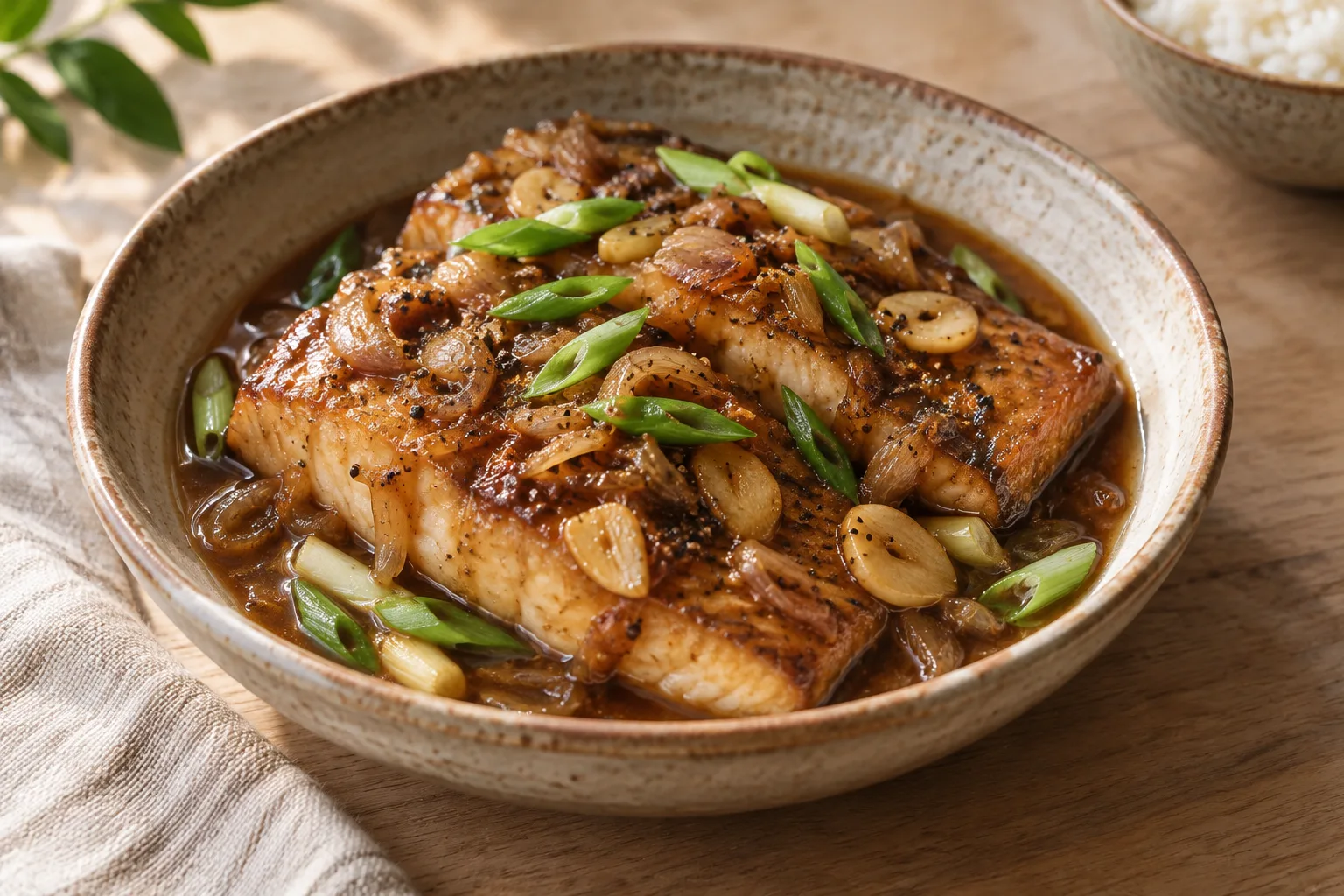
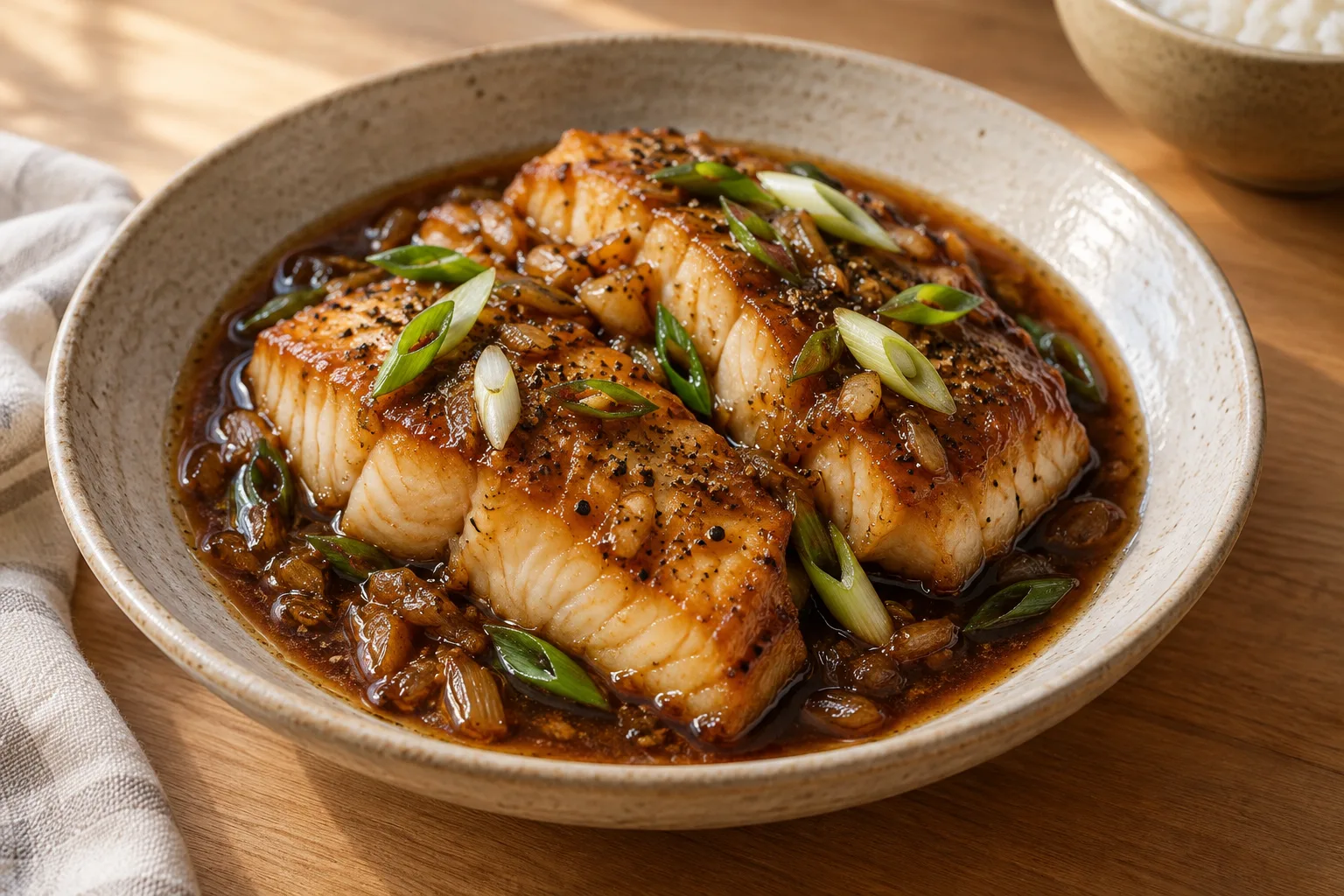
Firm white fish fillet describes a boneless or largely boneless cut of pale-fleshed fish with a relatively firm consistency; it does not identify one particular species. The category may include fish such as cod, hake, sole, flounder or tilapia. White fish is often valued for its mild flavor and versatility, but flesh, fat content and cooking behavior vary between species and cuts. The product label and the particular cut are therefore more useful guides than assuming that all fillets behave alike. This profile offers general culinary guidance without assigning exact characteristics that only apply to a named species.
When to use it
Choose this kind of fillet when you want a restrained-flavored base for a main course or a dish with sauce, vegetables or a side. Firm fillets can work well grilled, pan-fried, baked or added to stews, although species and thickness influence which approach is most suitable. It can also stand in for white fish in recipes that allow alternatives. Check the cut you have and adjust the preparation to it rather than assuming every white fish can be exchanged without changing the result.
How to use it
Before cooking, check the species on the label and note the fillet's thickness; these details are more useful for choosing a method than the generic term white fish. Bake or grill it as a main portion, pan-fry it, or add it to a stew or soup. Citrus and herbs can complement its mild profile, while capers or pickles provide a more pronounced contrast. White wine or cream may be used in a sauce, with care not to overwhelm the fish. Because firmness, moisture and thickness vary, monitor the actual cut and adapt the method; there is no single dependable cooking time for this whole category.
Flavour and texture
White fish generally has a subtle flavor and pale flesh; its texture may be firm, tender, flaky or somewhat dry depending on the species and cut. The word firm offers a useful description of the piece, but does not guarantee identical texture across products. Citrus and herbs can highlight its delicate character, while sauces and stronger condiments add contrast.
How to choose it
Look for the species name on the label rather than relying only on the words white fish, and check whether the product is fresh or sold in another form. Thickness and shape can help you decide whether to cook the fillet whole or portion it. Choose a piece whose appearance and condition match the seller's description; the category alone cannot tell you its exact flavor or texture.
Storage
Follow the storage directions on the package or from the seller, since this profile does not set a specific shelf life or storage condition for every species and product form. If the product is not fresh, follow its label rather than assuming that every fish fillet should be handled in the same way.
Substitutions
A different mild white fish, such as hake, cod, sole, flounder or tilapia, may be used instead. The change can affect firmness, thickness and moisture, so adjust the cooking approach and pay attention to the cut. If a recipe depends on a particular texture, choose a similar cut rather than relying on the broad category name alone.
Common mistakes
A common mistake is treating every white fish species as identical. Thickness, firmness and texture can differ, so do not automatically copy timings from a recipe made with another fillet. Strong accompaniments can also mask the fish's subtle flavor; adjust sauces and seasoning to suit the cut you have.
Safety and allergens
Handle and prepare the fish according to its package directions and your local official food-safety guidance. This category includes different species, so a universal cooking time or temperature cannot be specified here.
Culinary uses
- Plato principal
- Proteína para guisos, sopas y preparaciones con guarnición
Recommended techniques
- Hornear
- Asar a la parrilla
- Freír o cocinar a la plancha
- Incorporar a guisos
Pairs well with
- Limón y otros cítricos
- Eneldo, romero, perejil o cilantro
- Alcaparras y pepinillos
- Vino blanco o nata
Frequently asked questions
Is firm white fish fillet one particular species?
No. It is a general culinary description that may include different species, such as cod, hake, sole, flounder or tilapia.
How can I cook a firm white fish fillet?
It can be baked, grilled, pan-fried or fried, and it can also be used in stews. Species and thickness help determine the best approach.
What flavors pair well with it?
Lemon and other citrus, herbs such as dill or rosemary, and ingredients such as capers can complement its mild flavor. White wine and cream are also described as possible pairings.
Sources and review
Automatically researched, cross-checked and validated content. Sources consulted:
- ¿Por qué la muerte es origen de miedos y tabúes? doi.org
- elBulli: un nuevo lenguaje en la gastronomía repositorio.ucjc.edu
- Beneficios del pescado blanco | Congelados Guerrero congeladosguerrero.es
- Pescado blanco: tipos y cómo cocinarlos | Fine Dining Lovers finedininglovers.es
- The Origin of Species -- El origen de las especies people.duke.edu
- Educación sobre la diabetes healthsystem.osumc.edu
- Evaluación de la calidad y composición química de la carne ... scholar.uprm.edu
- jesús giRáldez RiveRo revistes.ub.edu
- Pescado Blanco | Lista Pescados Blancos | Delfín Ultracongelados delfinultracongelados.es
- Tilapia, un pescado blanco de proteína magra. Origen, cómo es su pesca actual y usos en la cocina directoalpaladar.com