- Category
- Herbs and spices
- State
- Fresh
- Usual unit
- g
What it is
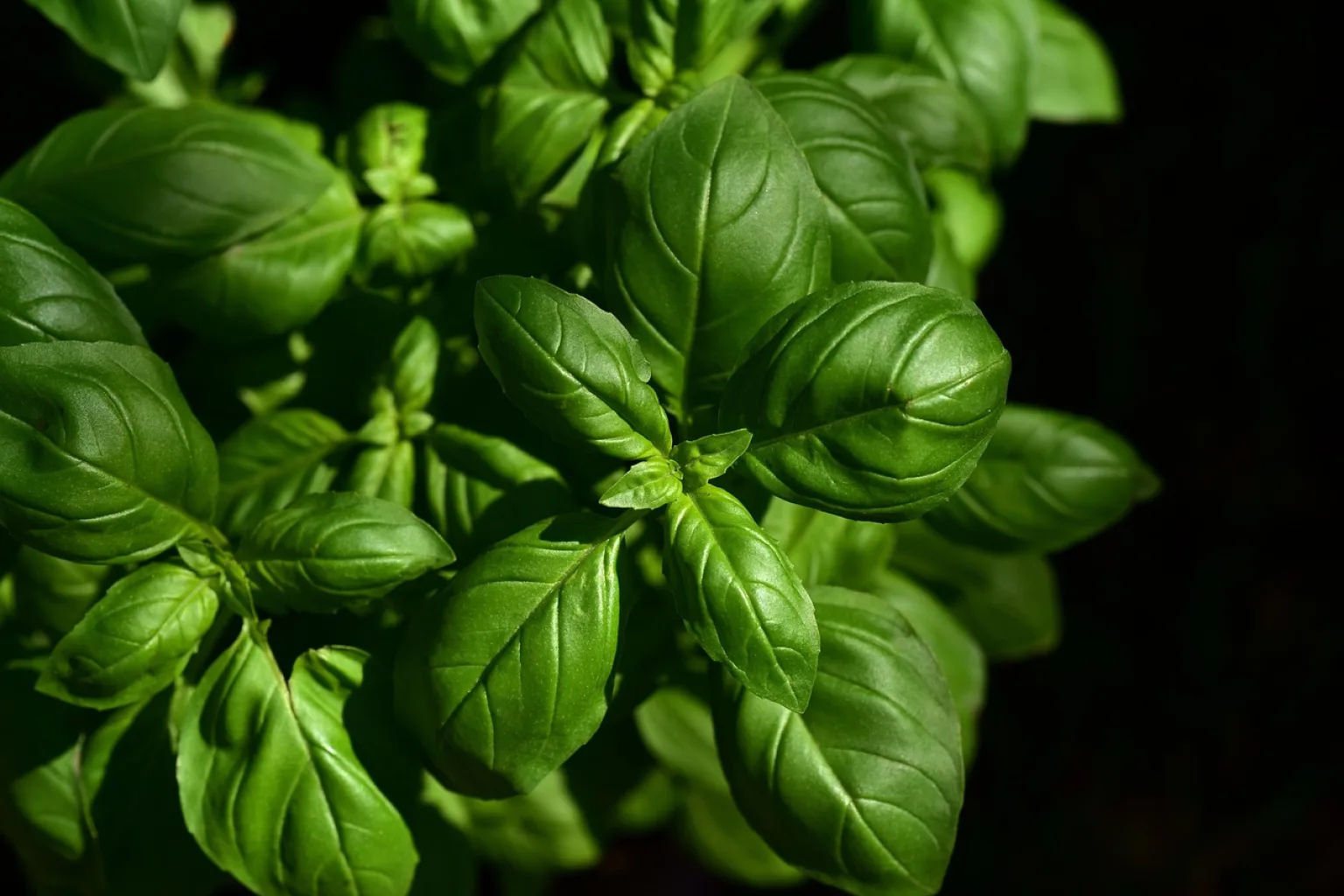
Fresh basil is the tender leaf of an aromatic herb commonly known as Ocimum basilicum, in the Lamiaceae family. It is sold loose, in bunches or as a plant, and varieties can differ in shape, color and aroma. Sweet-scented green basil is familiar in many cuisines; other types have anise-like, spicy or citrus notes. This profile covers fresh leaves, not dried basil or holy basil, which is a different species. Its fragrance makes it useful as a seasoning, an ingredient in sauces or a finishing touch for a dish.
When to use it
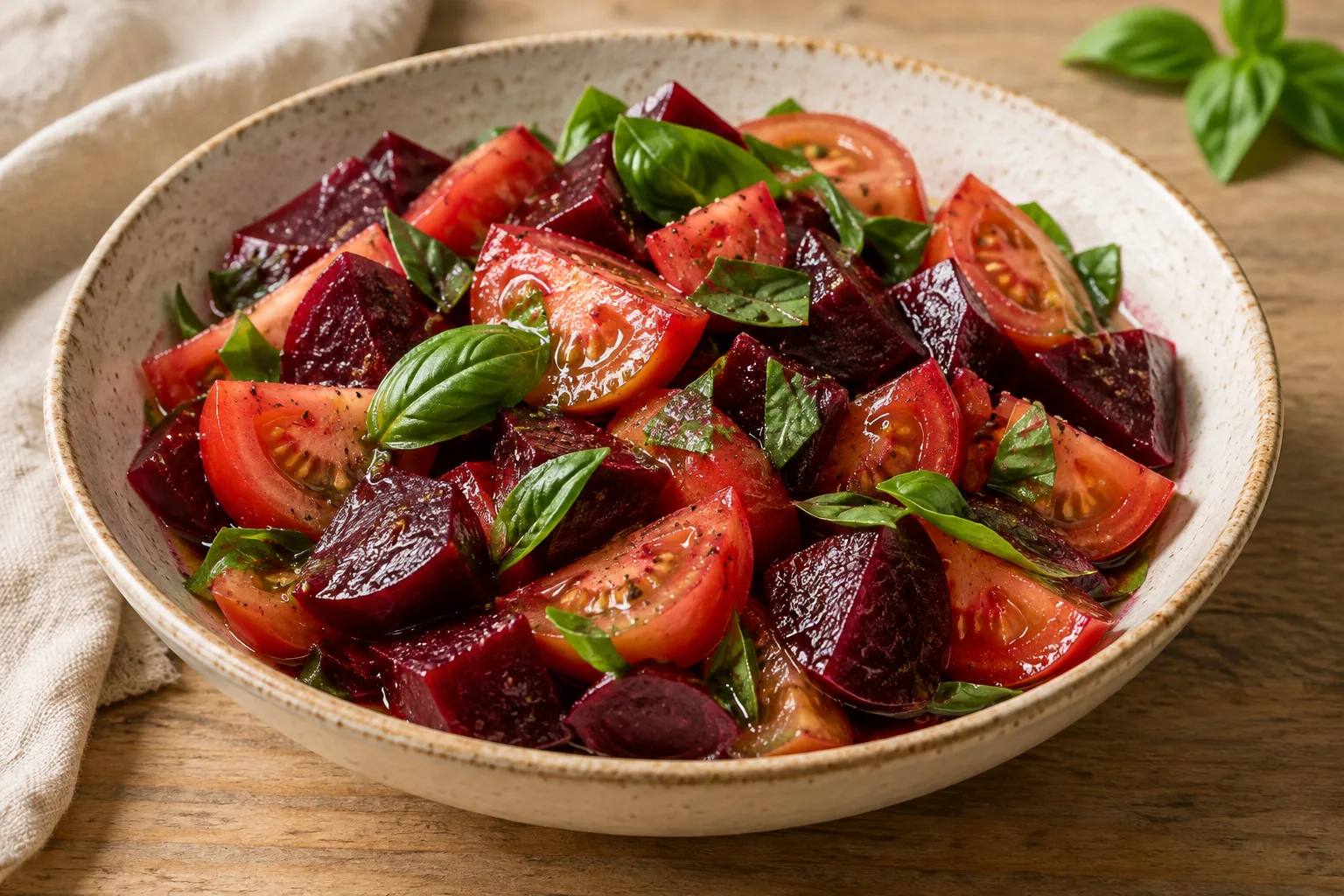
Use fresh basil when you want a lively herbal aroma and a fresh, slightly sweet, penetrating flavor. It works particularly well with tomato, in salads with mozzarella, and in pesto. It can also accompany pasta, vegetables, fish or meat, while some varieties suit Asian-style dishes or drinks. Add it raw or near the end of cooking when you want its aroma to stand out; prolonged cooking can make its aromatic contribution less prominent. Choose a variety for the flavor you want: Thai basil can bring anise-like and spicy notes, while lemon basil has a citrus character.
How to use it
Remove the leaves from the stems and use them whole, torn or chopped, depending on the finish you want. For a tomato and mozzarella salad, tuck leaves between the ingredients or scatter them over the top. For pasta, mix them into the sauce or add them near the end to keep their fresh character noticeable. You can also blend basil with garlic, oil, pine nuts and cheese for pesto; other nuts can replace pine nuts in some versions. For a simple finish, add leaves to pizza after baking or mix them into a vinaigrette. If cooking basil, add it toward the end and taste before adding more: its aroma can dominate other flavors. Varieties have distinct profiles, so they are not always interchangeable without changing the result.
Flavour and texture
Fresh leaves are typically fragrant, with a fresh, penetrating and slightly sweet flavor. Depending on the variety, they may have anise-like, clove-like, minty, citrus or mildly spicy notes. The leaf is tender and can be eaten raw; chopping releases its aroma, but a different variety can noticeably change a dish’s flavor profile.
How to choose it
Look for leaves that appear fresh and have a recognizable aroma; color alone is not a reliable guide, since some varieties are green and others purple. Leaf shape and size also vary. If buying a bunch or a plant, check that the leaves are in suitable condition for your intended use. Choose a variety to match the recipe: sweet basil is versatile, while Thai or lemon basil offer more distinctive profiles.
Storage
The supplied evidence gives differing storage suggestions: it mentions keeping fresh leaves in water like a bouquet, avoiding refrigerator cold, and also refrigerating them for several days. It therefore does not establish one universal method for every format and condition. Follow package directions where provided and use the leaves while their appearance and aroma remain good. If you buy a potted plant, do not treat growing advice as a storage instruction for cut leaves.
Substitutions
Dried basil can replace fresh leaves when they are unavailable, but its aroma is less fresh and more subdued, so the dish will not be identical. Another fresh basil variety can also work, but it brings its own notes: Thai basil may be more anise-like and spicy, while lemon basil is more citrusy. Choose for the recipe rather than expecting a neutral swap.
Common mistakes
A common mistake is expecting dried basil to reproduce the aroma of fresh leaves: the profile changes and is usually less lively. Avoid adding so much basil that it masks other flavors. Using an anise-like, citrus or spicy variety without accounting for the difference can alter the dish; start with a small amount and adjust to taste.
Safety and allergens
The supplied evidence identifies no specific safety warning for fresh basil leaves. If the product is packaged, follow its storage and use directions; for prepared dishes, check allergen information for the complete product where relevant.
Culinary uses
- Fresh aromatic seasoning
- Finishing herb and ingredient in sauces
Recommended techniques
- Tear or chop and add raw
- Stir into a dish near the end of cooking
- Blend into pesto or an herb oil
Pairs well with
- Tomato and mozzarella
- Pasta, olive oil, garlic and cheese
- Vegetables, fish or meat
- Citrus and fresh fruit
Frequently asked questions
Can fresh basil leaves be eaten raw?
Yes. The culinary evidence describes raw uses, including salads and as a finishing herb for pizza and other dishes.
Does dried basil replace fresh basil exactly?
No. It can be used as an alternative, but its aroma is usually less fresh and more subdued, so the dish’s flavor will differ.
Do all basil varieties taste the same?
No. Varieties can differ; some have anise-like or spicy notes, while others have a citrus character. Choose according to the flavor you want.
Estimated nutrition
- Fat
- 0 g
- Saturates
- 0 g
- Carbohydrate
- 0 g
- Sugars
- 0 g
- Fibre
- 0 g
- Protein
- 0 g
- Salt
- 0 g
Sources and review
Automatically researched, cross-checked and validated content. Sources consulted:
- En el etiquetado alimentario hay algunas menciones que son obligatorias eletiquetadocuentamucho.aesan.gob.es
- Glosario de especias: albahaca | JUST SPICES ® justspices.es
- Todo sobre la albahaca, planta aromática imprescindible no solo en la cocina mediterránea (y siete recetas para disfrutarla) directoalpaladar.com
- Albahaca: qué es, para qué sirve y beneficios bonviveur.com
- Albahaca | www.cocinista.es cocinista.es
- Albahaca. ¿Qué es y cómo utilizarla en la cocina? Recetas y consejos de conservación abc.es
- ALBAHACA FRESCA en tu Huerta de proximidad | deHigosaPeras dehigosaperas.com
- Ocimum basilicum - Wikipedia, la enciclopedia libre es.wikipedia.org
- La albahaca: toda la información y sugerencias de uso - TodoEspecias Sabores del Mundo SL todoespecias.com
- Albahaca: un toque de frescura en la cocina mundial | Excelencias Gourmet excelenciasgourmet.com
- Cómo utilizar la albahaca en la cocina y por qué es tan saludable hola.com
- 10 Combinaciones Perfectas con Albahaca para Enriquecer tus Recetas | Chef Experto chefexperto.com
- 11 recetas con albahaca fresca | Mercado Calabajío mercadocalabajio.com
- Albahaca. Recetas y usos con esta gran hierba fresca recetasdecocina.elmundo.es
- Hojas de Albahaca Santa doi.org
- Recetas con albahaca fresca: sabor y aroma en cada plato okdiario.com