- Category
- Fruit
- State
- Fresh
- Usual unit
- unit
What it is
A breva is a fig from the earlier crop associated with certain fig trees capable of producing two crops. It is not necessarily interchangeable with every fig: size, skin, texture and sweetness can differ with variety and ripeness. The sources describe brevas as generally large, juicy and less sweet than later figs, but these traits are not identical in every fruit. Brevas are sold fresh and are delicate, so handle them gently. In this guide, “breva” means the fresh fruit, not dried figs or a preserved product.
When to use it
Use brevas when you want to add juicy sweetness to a dish, serve fresh fruit, or contrast a sweet note with creamy or savory ingredients. They work in salads, on toast with cheese, alongside yogurt, and in tarts or compotes. Brevas are associated mainly with early summer; the sources describe availability in June and also mention June and July. Market availability can vary with variety, place and crop, so treat those months as a guide rather than a guarantee and choose fruit that is fresh in your area.
How to use it
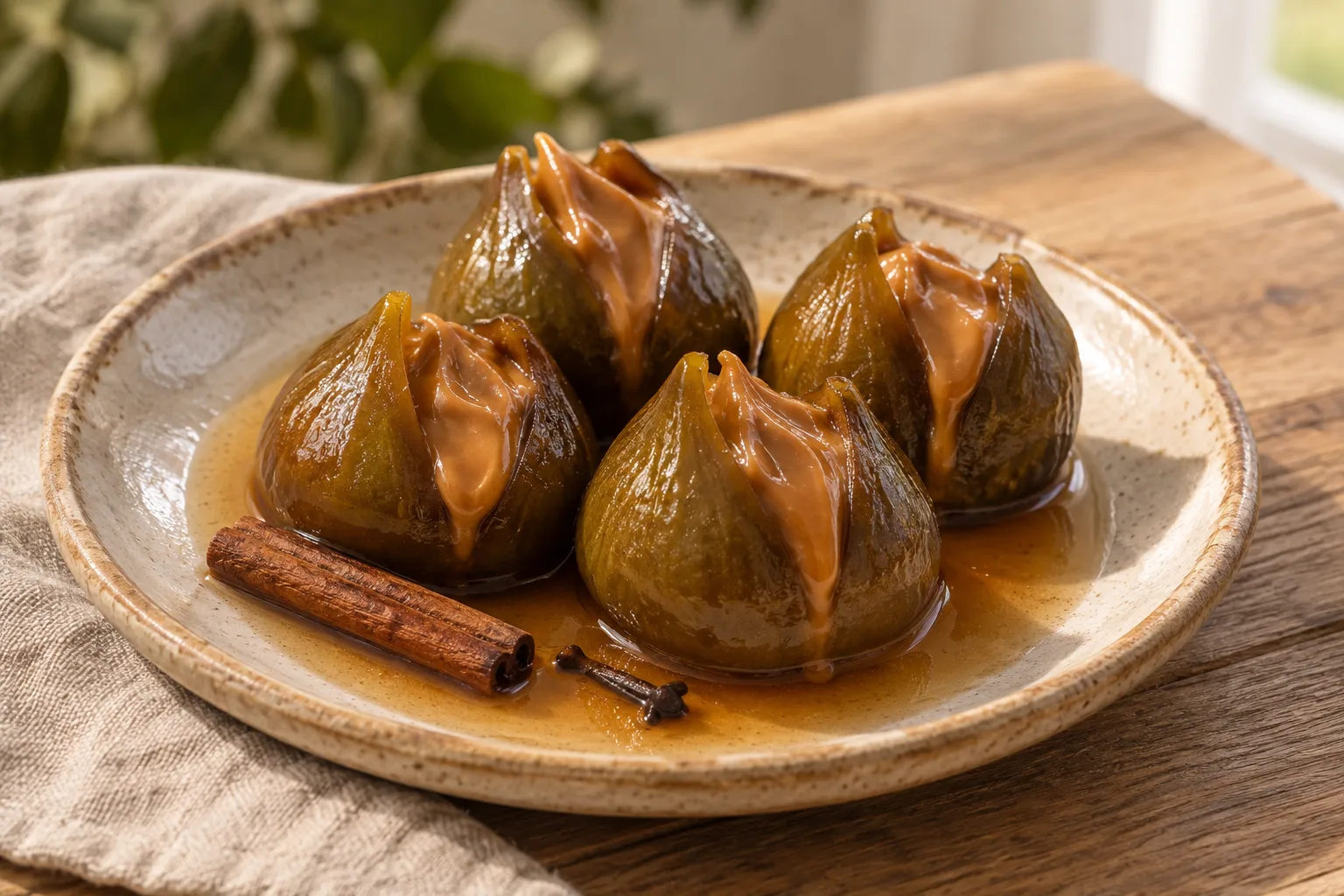
Handle brevas gently because both skin and flesh are delicate. Serve them whole or cut them into halves or quarters for eating fresh; add the pieces to a salad or place them on toast with cheese. For dessert, use them in a tart, compote or cooked-fruit preparation. When adding them to a hot dish, decide whether you want them to hold their shape or soften and contribute juice. Pair them with fresh cheese, yogurt, leafy greens, nuts or cured ham. The sources also describe their use in jams, fillings and ice cream. Do not confuse fresh brevas with dried fruit: dried figs are more concentrated in sweetness and have a different texture.
Flavour and texture
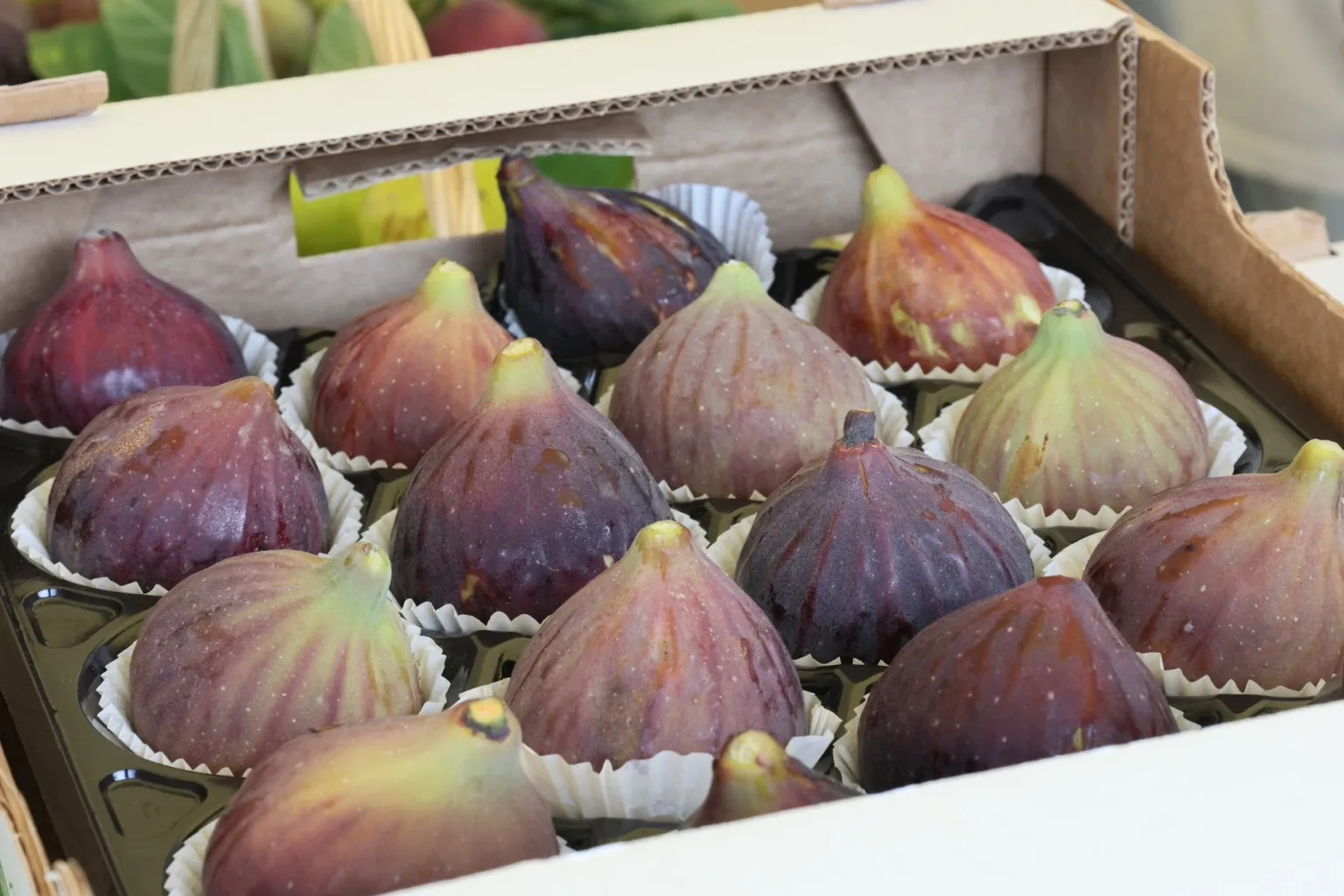
Brevas are described as juicy, sweet and aromatic, with small, crisp seeds. Compared with figs that ripen later, they are often less sweet and may have a somewhat more fibrous texture. Their appearance and color are not uniform: both depend on variety, and skins can range from light to dark shades. Ripeness also affects firmness and perceived sweetness, so individual fruits may differ.
How to choose it
Choose fruit that looks fresh and has no obvious signs of deterioration. Brevas are delicate and can vary in size, shape and color by variety; a different skin color alone does not mean the fruit is a different kind. Texture changes as the fruit ripens, so choose the firmness you prefer and do not judge ripeness by color alone. Handle the fruit gently on the way home to avoid bruising the flesh.
Storage
Fresh brevas are delicate and should be handled gently. If you are not using them straight away, refrigerate them and avoid stacking or compressing them, which can damage the flesh. The commercial sources consulted recommend refrigeration and describe brevas as a short-lived fruit, but they do not establish one universal rule for every variety and condition. Check each fruit before using it. Do not assume fresh brevas keep in the same way as dried figs or preserves.
Substitutions
A ripe fresh fig can replace a breva in a salad or dessert, but the result may be sweeter and have a different texture. Dried figs can work in some cooked or fruit-based preparations, although they are less juicy and more concentrated in sweetness; rehydrate them if a recipe needs moisture, bearing in mind that they will not exactly reproduce a fresh breva’s texture. Adjust the sweetness of the dish to suit the substitute.
Common mistakes
Do not assume that breva and fig are completely interchangeable names for an identical fruit: brevas are associated with an earlier crop and can differ in size, sweetness and texture. Do not squeeze or pile them up, because they are delicate. Also, do not substitute dried figs for fresh brevas without accounting for their different texture and more concentrated sweetness.
Safety and allergens
The available sources do not provide a specific official safety warning for fresh brevas. Handle the fruit using ordinary food hygiene and do not eat pieces showing obvious signs of spoilage. If you have a known food allergy, consult reliable information about the specific product rather than assuming it is allergen-free.
Culinary uses
- Fresh fruit for eating as is
- Sweet and juicy component in salads, toasts and desserts
- Fruit for baking, compotes and preserves
Recommended techniques
- Serve fresh, whole or cut into halves or wedges
- Bake or roast briefly as part of a dish
- Cook into compote, jam or a dessert filling
Pairs well with
- Fresh cheese, goat cheese, Brie or ricotta
- Yogurt
- Leafy greens and nuts
- Cured ham and rustic bread
Frequently asked questions
How is a breva different from a fig?
The sources describe a breva as fruit from an earlier crop on certain fig trees, before later-season figs. It may be larger and less sweet, but size and flavor vary with variety and ripeness.
How can I eat fresh brevas?
Eat them on their own or cut them into salads, toast toppings, yogurt and desserts. They can also be used in tarts, compotes and other cooked preparations.
Can dried figs replace fresh brevas in the same way?
Not exactly. Dried figs can work in some recipes, but they are less juicy and their sweetness is more concentrated. Adjust the recipe and rehydrate them if extra moisture is needed.
Estimated nutrition
- Fat
- 0.3 g
- Saturates
- 0.06 g
- Carbohydrate
- 19.2 g
- Sugars
- 16.3 g
- Fibre
- 2.9 g
- Protein
- 0.75 g
- Salt
- 0 g
Sources and review
Automatically researched, cross-checked and validated content. Sources consulted:
- Client Challenge doi.org
- Gastronomía de México - Wikipedia, la enciclopedia libre es.wikipedia.org
- Estudio del Mercado del Plátano en España y Portugal mapa.gob.es
- The Representation of Domestic Servants in Eighteenth- ... etd.ohiolink.edu
- LA LUCHA dl.library.ucla.edu
- Reflexions sobre les alimentacions contemporànies openaccess.uoc.edu
- Investigación e innovación sobre el presente y futuro de la ... esic.edu
- Breva - Frutas Eloy frutaseloy.com
- Brevas: curiosidades y usos en la cocina - Mercado de Chamartín mercadodechamartin.es
- Brevas e higos, variedades y recetas eladerezo.com
- Breva | Origen y variedades | Frutas | EROSKI CONSUMER frutas.consumer.es
- 35 recetas con higos y brevas ricas y fáciles de hacer nuevoestilo.es
- Propiedades de las brevas. Beneficios y composición | Blog Nutrimarket ® nutrimarket.com