- Category
- Herbs and spices
- State
- Fresh
- Usual unit
- Variable
What it is
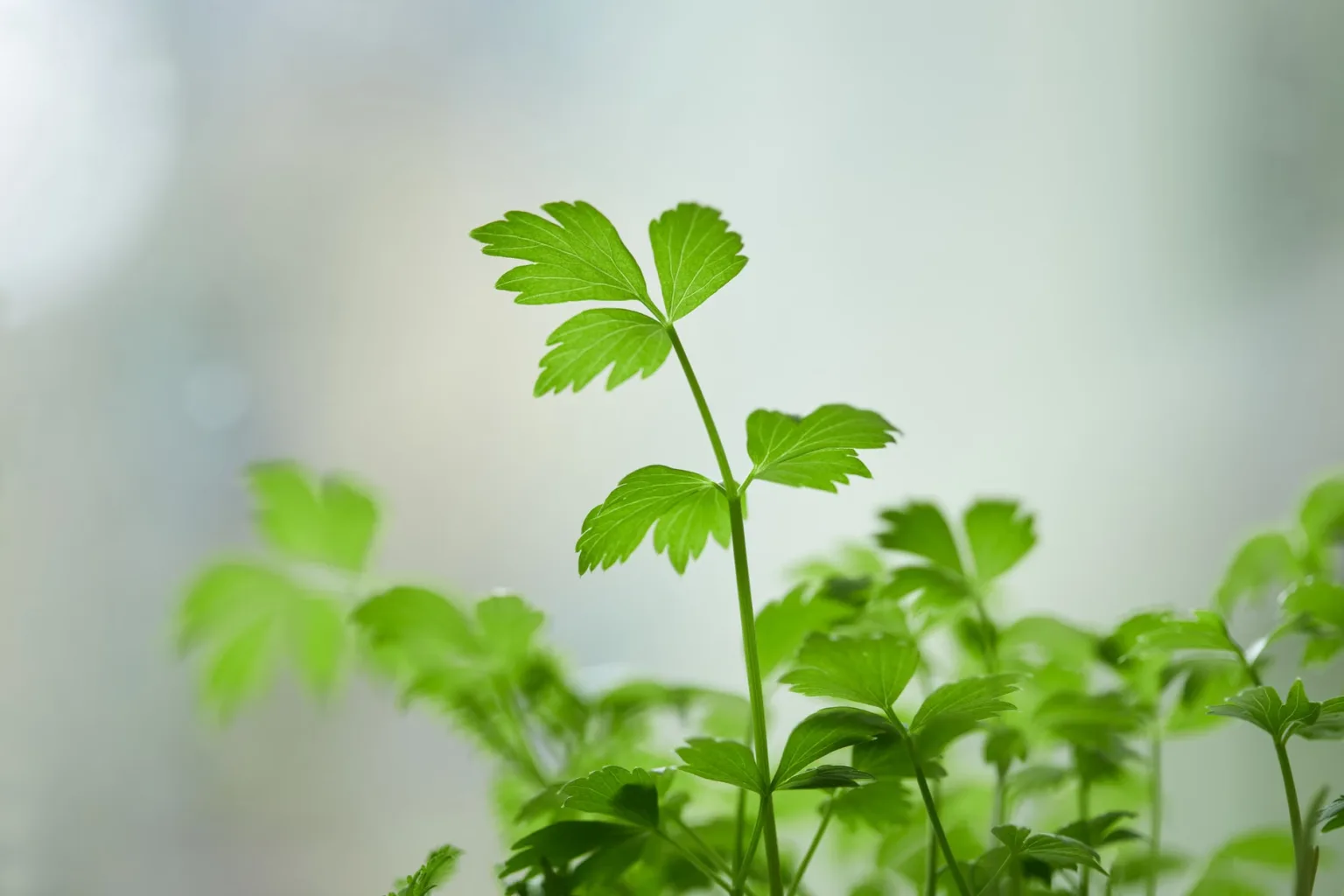
Flat-leaf parsley is a parsley variety sold fresh in bunches. Its green, smooth-edged leaves are used as an aromatic herb, seasoning and garnish. Parsley belongs to the Apiaceae family, which includes other culinary herbs and vegetables. Compared with curly parsley, flat-leaf parsley is generally described as having a more pronounced flavor, although the intensity can vary from plant to plant. This profile covers fresh leaves, not the root of Hamburg parsley or the dried product.
When to use it
Use it when you want to add a fresh herbal note without necessarily making the herb the main feature of a dish. It works in sauces, vinaigrettes, marinades, soups and stews, and can finish fish, seafood, vegetables, meat or legume dishes. In cold preparations it adds green color and freshness. In cooked dishes, stir it in during cooking or add it at the end, depending on how prominent you want its aroma to be.
How to use it
Take the leaves you need, wash and dry them, then chop them. Finely chopped parsley works well in sauces, vinaigrettes, marinades and mixtures with garlic; whole leaves can garnish a plate or go into a salad. Stir parsley into soups and stews during cooking when you want it to become part of the dish's flavor, or sprinkle it on at the end for a fresher, more visible presence. The stems can also add flavor to stocks and stews. Taste before adding more, since intensity varies.
Flavour and texture
Its profile is herbal, fresh and aromatic, with a slightly peppery or bitter note described for parsley. Flat-leaf parsley is generally more pronounced in flavor than curly parsley. Chopped leaves blend easily into sauces and dressings; whole leaves provide a visible green finish and a light texture.
How to choose it
Look for a bunch identified as flat-leaf parsley, with recognizable, green, flat leaves. Check that it looks fresh and that the package or seller does not indicate deterioration. If you want a milder flavor or a more curled presentation, compare it with curly parsley; both varieties are used in cooking, although the flavor and texture of the result may differ.
Storage
Keep fresh parsley in the refrigerator, loosely wrapped in paper towels and placed in a sealed bag, a method described for keeping it fresh. Freezing it in a bag is another option; frozen parsley is better suited to dishes where the appearance of the leaves is not important. Follow package directions when provided and check the herb before use.
Substitutions
Curly parsley can stand in for flat-leaf parsley, but the flavor profile and texture may differ. Taste and adjust to suit the dish. Dried parsley is another option when the recipe allows it; the available evidence does not establish an exact quantity conversion, so adjust to taste.
Common mistakes
Do not assume curly and flat-leaf parsley taste exactly the same: their intensity and texture can differ. If you want a fresh, visible finish, avoid chopping it long before you need it, and do not mistake it for cilantro based on appearance alone. When using dried parsley instead, adjust to taste rather than assuming an exact conversion.
Safety and allergens
The official evidence supplied does not identify a parsley-specific warning. Follow any use and storage directions on the package and handle the herb with ordinary care for fresh foods.
Culinary uses
- Hierba aromática para aportar frescor y sabor
- Acabado y guarnición para añadir color y aroma
Recommended techniques
- Picar finamente para salsas, aliños y mezclas de hierbas
- Añadir crudo al final o incorporar a sopas y guisos durante la cocción
Pairs well with
- Ajo
- Pescados y mariscos
- Sopas y guisos
- Salsas y vinagretas
Frequently asked questions
Can I replace flat-leaf parsley with curly parsley?
Yes. Both are used in cooking, although their flavor intensity and texture can differ. Taste the dish and adjust to preference.
When should I add parsley to a hot dish?
You can stir it into soups or stews while they cook, or add it at the end when you want its flavor and green appearance to feel fresher.
How can I store fresh parsley?
One described method is to wrap it loosely in paper towels, place it in a sealed bag and refrigerate it. It can also be frozen for dishes where the leaves' appearance matters less.
Sources and review
Automatically researched, cross-checked and validated content. Sources consulted:
- En el etiquetado alimentario hay algunas menciones que son obligatorias eletiquetadocuentamucho.aesan.gob.es
- Aesan - Agencia Española de Seguridad Alimentaria y Nutrición aesan.gob.es
- Perejil: beneficios, usos y recetas - CocinoPedia.com cocinopedia.com
- Todo sobre el perejil: beneficios, recetas y usos en la cocina hola.com
- Qué es el perejil, la más popular de las hierbas mediterráneas: sus propiedades y las mejores recetas en las que usarlo directoalpaladar.com
- Qué es el perejil y para qué sirve | JUST SPICES ® justspices.es
- Petroselinum crispum - Wikipedia, la enciclopedia libre es.wikipedia.org
- Perejil: el toque mágico para tus platillos | Recetas Nestlé recetasnestle.com.mx
- Cómo potenciar el sabor de los platos con el perejil | Recetas Nestlé recetasnestlecam.com
- Qué es el perejil: definición botánica – Fresas.com.es fresas.com.es
- Perejil: cómo usarlo en la cocina - Ingredientes Culinarios cocinaycome.com
- PEREJIL - concadelatordera.com concadelatordera.com
- "Descubre el secreto del sustituto perfecto para el perejil de hoja plana" El perejil de hoja plana es una hierba popular en muchas cocinas, pero a veces puede ser difícil de encontrar. Afortunadamente, hay un sustituto fácil y delicioso que puedes usar e portaldelatransparencia.es
- 15 mejores sustitutos del perejil - NewFoodHub nwfoodhub.com
- Hay 2 tipos: el perejil de hoja plana y el perejil de hoja rizada, ¿cuál es la diferencia? mundiario.com
- Cocinar con perejil fresco - Las Recetas de JuJo lasrecetasdejujo.com