- Category
- Herbs and spices
- State
- Fresh
- Usual unit
- unit
What it is
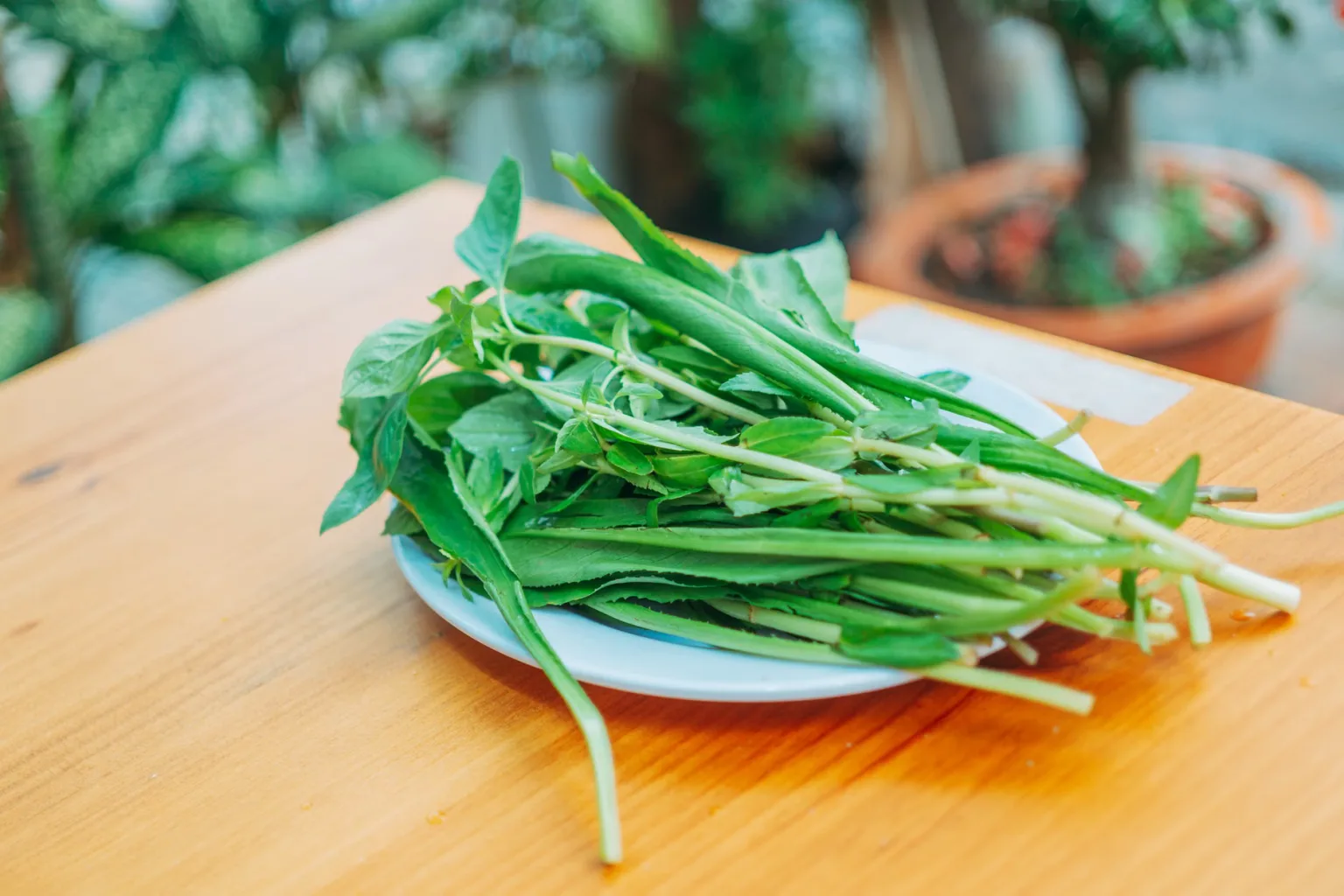
“Fresh herbs” is a general name for fragrant plants or plant parts used in cooking, especially leaves and tender stems. Basil, cilantro, dill, parsley, rosemary, oregano, and thyme are examples; they are not one ingredient with a single flavor, but a group of distinct options. Cooks use them to season, scent, color, or finish a dish. Herbs are commonly distinguished from spices, which may come from other parts of plants, such as seeds, roots, or bark. Herbs are available fresh and may also be found dried, but this profile focuses on the fresh form.
When to use it
Use fresh herbs when you want to add aroma, flavor, or a green accent to a dish, from a salad to a soup, stew, sauce, or drink. Choose a variety that suits the preparation: basil is a suggested match for tomato, salads, and pesto; cilantro can go into salsa and salads; and chives pair with baked potatoes. Chopped herbs can also be mixed with oil and lemon to top cooked meat. Since each herb has its own character, do not assume that every variety can replace another in every recipe.
How to use it
Check the leaves and remove any that are damaged, dirty, or wilted. Rinse the herbs with cold water and shake off excess moisture; if you plan to chop them, dry them first so they are easier to handle. Separate leaves from stems when the recipe calls for it, and chop shortly before use. Add herbs to salads, mix them with oil and lemon, or use them in soups, stews, sauces, egg dishes, potatoes, or breads. In cooked dishes, adding herbs near the end is one way to retain more of their aroma; the right approach depends on the herb and the recipe.
Flavour and texture
Flavor and aroma vary by herb: some taste delicate and fresh, while others are more pronounced or resinous. Fresh leaves provide a green appearance and a texture different from dried herbs; chopped leaves can blend into a sauce or remain visible on top of a dish. The broad label “fresh herbs” therefore does not describe one predictable flavor. Taste the herb in the context of the recipe and adjust the amount to its intensity and your preference.
How to choose it
Choose herbs with firm, upright leaves, bright color, and no brown spots or yellowed areas. Avoid bunches that look limp or drooping. A noticeable aroma can help identify fragrant herbs, although its strength and character depend on the variety. Since fresh herbs are not interchangeable by default, buy the specific type that suits your intended dish rather than relying on the generic label alone.
Storage
Storage guidance differs among herbs. A university guide recommends keeping basil stems in water under a bag, either on the counter or in the refrigerator. For cilantro, dill, and parsley, it recommends wrapping cut stems in a damp paper towel and placing them in a bag. The guide gives specific storage durations for those examples, not for all herbs, so do not apply one herb’s storage advice to every variety. Remove damaged leaves and keep herbs clean and dry after rinsing.
Substitutions
Dried form of the same herb can be a practical alternative when fresh is unavailable, but it will not have the same texture and may differ in aromatic intensity. Another fresh herb may work if it suits the other ingredients, but it will change the dish’s flavor. Culinary sources support using herbs fresh or dried, not a universal one-for-one substitution between varieties. Add an alternative gradually and taste as you go.
Common mistakes
A common mistake is choosing leaves that are yellowed, spotted, or limp rather than checking for firm, upright foliage. Another is replacing one herb with another as if they all tasted alike. Do not assume that storage advice for basil applies to every variety: available guidance distinguishes basil from cilantro, dill, and parsley. Finally, adding a strongly aromatic herb without tasting can overwhelm a more delicate preparation.
Safety and allergens
Before using herbs, remove damaged parts and rinse them with clean water; dry them if you plan to chop or mix them. The available evidence does not provide a specific official warning for fresh herbs as a general category, so also follow package directions and ordinary food-hygiene practices when handling them.
Culinary uses
- Aportar aroma y sabor
- Aderezar y terminar platos
- Añadir color y frescura
Recommended techniques
- Picar las hojas y mezclarlas con aceite y zumo de limón
- Incorporar hojas picadas a ensaladas, sopas o guisos
- Añadir las hierbas al final cuando se quiera conservar mejor su aroma
Pairs well with
- Albahaca con tomate, ensaladas y pesto
- Cilantro con salsa y ensaladas
- Cebollino con patatas asadas
- Hierbas picadas con aceite y limón para acompañar carne cocinada
Frequently asked questions
What counts as a fresh herb?
It is a fragrant plant or plant part, such as leaves or tender stems, used to add aroma and flavor. The term covers many different varieties.
Can I use dried herbs instead of fresh?
The dried form of the same herb can work, but its texture is different and its aromatic intensity may vary. Adjust to taste.
How do I choose a fresh bunch?
Look for firm, upright leaves with bright color and no brown spots or yellowing. Avoid leaves that look limp or drooping.
Are all herbs stored in the same way?
No. Guidance varies by herb; for example, one university guide gives different recommendations for basil and for cilantro, dill, and parsley.
Estimated nutrition
- Fat
- 5.43 g
- Saturates
- 0 g
- Carbohydrate
- 47.8 g
- Sugars
- 0 g
- Fibre
- 2.2 g
- Protein
- 8.7 g
- Salt
- 1.68 g
Sources and review
Automatically researched, cross-checked and validated content. Sources consulted:
- Client Challenge doi.org
- Guía de especias y hierbas aromáticas para la cocina - Blog Frutas Charito frutascharito.es
- Vamos a Conservar Alimentos: El secado de las plantas medicinales y aromáticas extension.psu.edu
- educational content to support healthful lifestyle practices sjsu.edu
- Nutrition After Your Transplant - Health Online healthonline.washington.edu
- Fresh Herbs | UNL Food | Nebraska food.unl.edu
- Food and Fun for Everyone Newsletter: Healthy Summer web.uri.edu
- Revista del comité científico de la aecosan número 24 aesan.gob.es
- Growing herbs indoors adds flavor, saves money | Servicio de Extensión de OSU extension.oregonstate.edu
- FOOD RESOURCES – Extension Dodge County dodge.extension.wisc.edu
- Descubre Hierbas aromáticas en la cocina | Recetas Nestlé recetasnestle.com.ec
- Propiedades de las hierbas aromáticas en la cocina – Botanical-online botanical-online.com