- Category
- Vegetables
- State
- Fresh
- Usual unit
- g
What it is
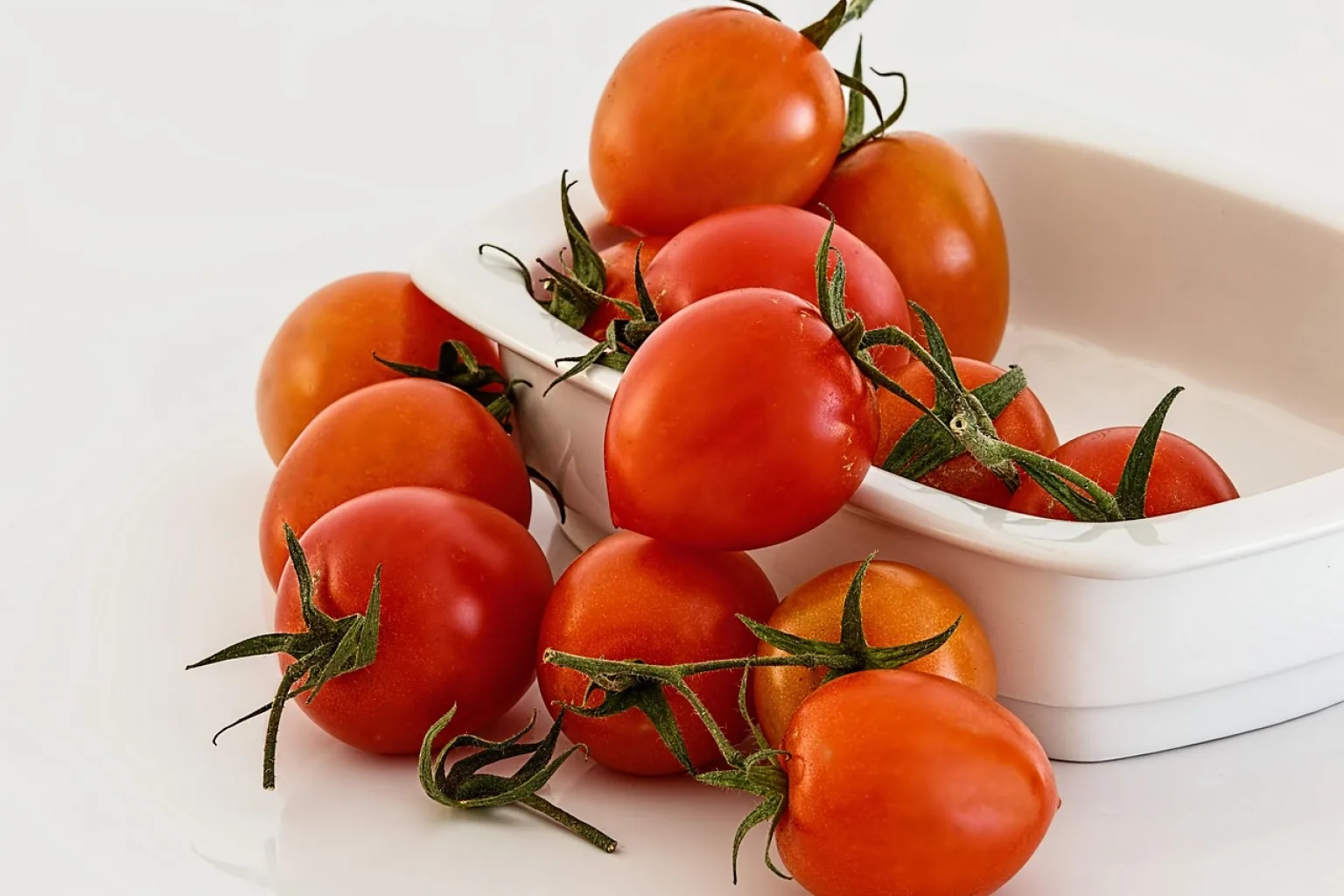
A fresh tomato is the fruit of the tomato plant, although it is commonly treated as a vegetable in cooking. Tomatoes come in many shapes, sizes and colors, and varieties differ in useful ways: some are meaty, some especially juicy, and others have firmer flesh. This range makes fresh tomatoes suitable for serving raw in slices or pieces, as well as cooking into sauces, stews, soups and other dishes. Skin, juiciness and the balance of sweetness and acidity can vary, so it helps to choose with the intended dish in mind. Fresh tomatoes are not the same product as canned tomatoes or prepared tomato sauce; those have been processed differently.
When to use it
Use fresh tomatoes when you want freshness and juiciness in salads, sandwiches or other cold dishes. Meaty varieties with a pleasant raw flavor work well sliced or served with bread, while small tomatoes can be served whole or added to salads. For sauces, sofrito and cooked dishes, a firmer variety with less juice may be convenient. Tomatoes are also central to cold preparations such as gazpacho and salmorejo. Variety guidance is not an absolute rule: consider the texture you want and how ripe the tomato is.
How to use it
Wash the tomato before preparing it and remove the stem area if needed. For a salad, cut it into slices or pieces and serve it alone or with other ingredients; for a sandwich, use slices or rub a ripe tomato over bread if that suits the dish. For a cold soup, sauce or sofrito, chop it and combine it with the ingredients specified in the recipe. To remove the skin, score it lightly, briefly blanch the tomato, cool it and peel carefully. Tomatoes can also be roasted whole or in pieces. Match the cut and cooking method to the dish: a juicy tomato adds more liquid, while a firmer one may be convenient for a thicker sauce. For home canning, do not improvise proportions or processing; use a tested recipe designed for tomatoes.
Flavour and texture
Flavor ranges from sweet and fruity to fresh and slightly tart, varying with the variety and ripeness. Texture varies too: some tomatoes have meaty flesh, some are very juicy, and others are firmer with less liquid. One variety may be especially convenient in a salad and another in a sauce, but there is no single correct choice for every dish.
How to choose it
Choose tomatoes with your intended use in mind: meaty tomatoes are useful for eating raw, while firmer ones may suit sauces. Varieties differ in shape, color, juiciness and flavor, so appearance alone does not determine how a tomato will taste or perform. If buying packaged tomatoes or a prepared product, check the label where applicable and follow any specific storage or use directions.
Storage
For flavor and aroma, keep tomatoes at room temperature if you plan to use them soon. Cold storage can affect flavor and texture, especially in tomatoes that are still ripening. If a ripe tomato needs refrigeration rather than being used soon, take it out before serving so it can come back to temperature. Keep hands and preparation surfaces clean, and follow the storage directions for packaged products.
Substitutions
If a cooked recipe calls for fresh tomatoes and you do not have them, canned tomatoes may work as an alternative, but they are not identical: their processing and liquid content can change the result. For a sauce, choose a firmer fresh variety instead of a very juicy one. Adjust the amount and method to the recipe, and do not treat a household substitution as a validated home-canning formula.
Common mistakes
Choosing a variety without considering the intended result can make a salad less meaty or a sauce more liquid than expected. Do not assume all tomatoes have the same flavor, skin or juiciness. Constant refrigeration can also reduce aroma and affect texture. Finally, do not improvise a canning process: preserving tomatoes at home requires tested recipes and precise directions.
Safety and allergens
Handle tomatoes with clean hands and utensils. For home canning, use a tested recipe specifically designed for tomatoes and follow its ingredients and process; do not change quantities or methods on your own. Directions for packaged foods can depend on the product, so check its label.
Culinary uses
- Base fresca para ensaladas, bocadillos y platos fríos
- Ingrediente para gazpachos, salmorejos, sofritos y salsas
- Acompañamiento o ingrediente de platos cocinados
Recommended techniques
- Cortar y servir crudo
- Cocinar lentamente en sofritos y salsas
- Asar entero o en piezas
- Escaldar brevemente y retirar la piel
Pairs well with
- Pan, ajo y aceite de oliva
- Cebolla y pimiento
- Pepino, ajo y vinagre en preparaciones frías
- Pasta o pescado en platos cocinados
Frequently asked questions
Is a tomato a fruit or a vegetable?
Botanically it is a fruit, but in cooking it is generally used as a vegetable.
Which tomato is useful for sauce?
A firmer, less juicy variety such as a pear tomato may be convenient. The best choice depends on the texture you want.
Can fresh tomatoes be refrigerated?
They can be refrigerated if needed, although cold storage may affect flavor and aroma. Take them out before using.
Estimated nutrition
- Fat
- 0.41 g
- Saturates
- 0.06 g
- Carbohydrate
- 3.64 g
- Sugars
- 2.01 g
- Fibre
- 0.9 g
- Protein
- 0.65 g
- Salt
- 0.61 g
Sources and review
Automatically researched, cross-checked and validated content. Sources consulted:
- En el etiquetado alimentario hay algunas menciones que son obligatorias eletiquetadocuentamucho.aesan.gob.es
- Client Challenge doi.org
- La historia del tomate en la cocina | Hida hida.es
- Los 6 mejores tipos de tomate y cómo usarlos en cocina mercadosantamariadelacabeza.es
- Food Selection & Storage | Home & Garden Information Center hgic.clemson.edu
- Agencia Española de Seguridad Alimentaria y Nutrición aesan.gob.es
- Food Storage in the Home digitalcommons.usu.edu
- Tomato Preservation Basics: Canning, Dehydrating and More (Online Delivery via Zoom) | UC Master Food Preserver ucanr.edu
- | National Center for Home Food Preservation nchfp.uga.edu
- K-State food scientist says canning helps spread tomato fun year-round | Kansas State University extension.k-state.edu
- Food Storage for Safety and Quality – Food Smart Colorado foodsmartcolorado.colostate.edu
- Preserving vegetables: Tomatoes | OSU Extension Service extension.oregonstate.edu
- Tomates: los imprescindibles de la gastronomía | Consumer consumer.es