- Category
- Vegetables
- State
- Fresh
- Usual unit
- clove
What it is
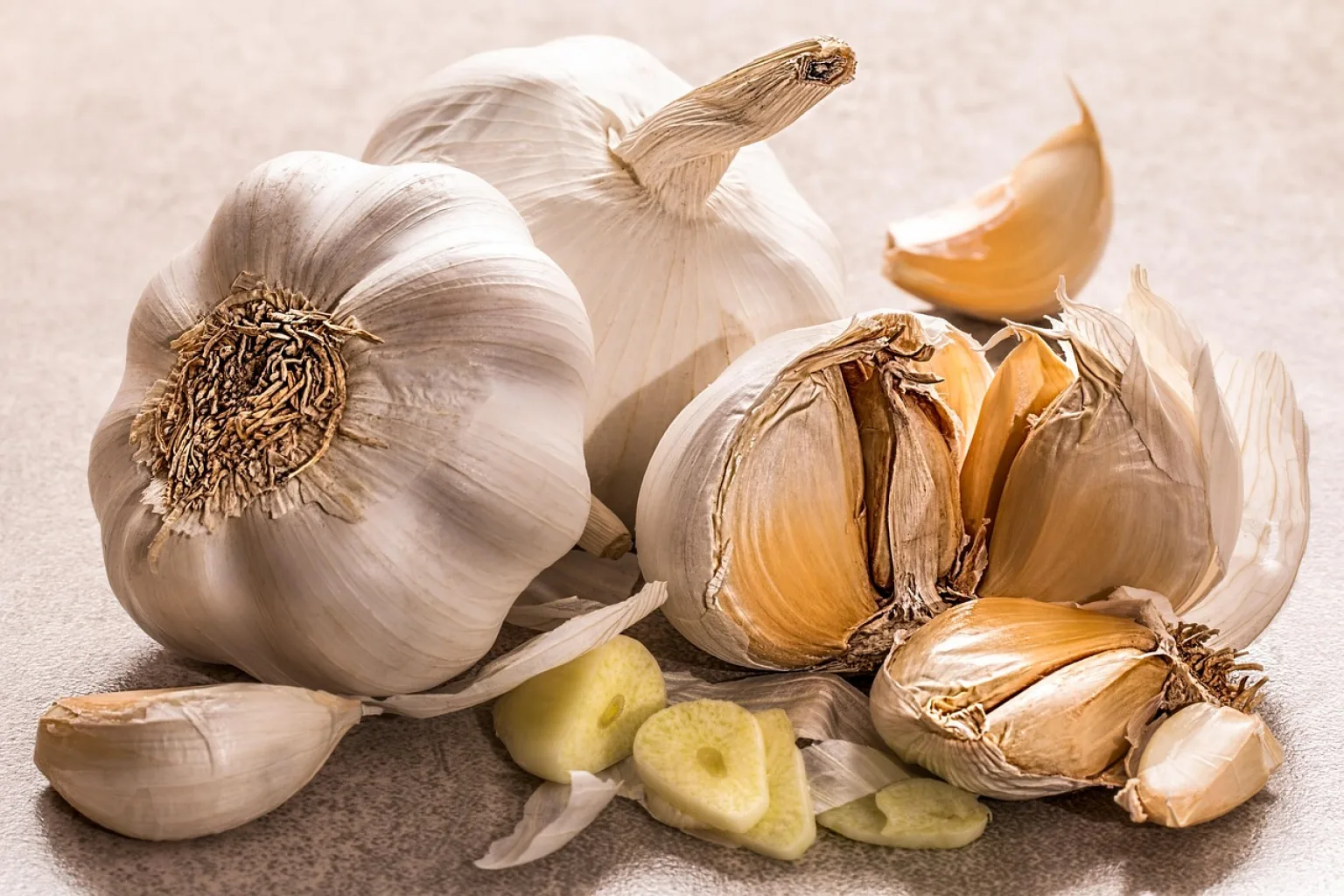
Common garlic, Allium sativum, is a vegetable whose underground bulb is eaten whole or separated into individual cloves. In this profile, “garlic for tunta” means ordinary fresh garlic used as a seasoning; no distinct variety, recipe or tunta-specific quality is attributed to it. Garlic has a pronounced aroma, and its flavor can range from moderately pungent to strong depending on the type and individual product. It can be used raw, chopped, sliced or crushed, or cooked as an aromatic base. Garlic belongs to the Allium genus, along with onions, chives and leeks. Commercial types described in the evidence include white and purple garlic, which can differ in aroma and intensity.
When to use it
Use garlic when you want to add aromatic depth to sauces, dressings, sautéed bases, potatoes, pasta or fish dishes. Raw garlic tends to taste more direct, while sautéing or longer cooking softens its intensity. Add it sparingly if you do not want it to overpower the main ingredient, since its aroma and flavor can be pronounced. For a particular tunta preparation, follow the recipe you are using and adjust to taste: the available information does not establish a specific quantity for that dish.
How to use it
Peel the cloves and cut them to suit the result: slice them so they remain distinct, chop them for an even distribution, or crush them to blend into a sauce or dressing. You can also rub raw garlic on toast or combine it with parsley in a chopped seasoning mixture. For cooked dishes, add garlic to a sautéed base over moderate heat and avoid browning it too much, because it can turn bitter. Long cooking reduces some of its pungency. Roasting can make it softer, creamier and sweeter. If using it raw, adjust the amount to account for its stronger flavor and your preference. No specific quantity for tunta is established.
Flavour and texture
Fresh garlic has a penetrating aroma and a flavor that can range from moderately pungent to very strong. Raw garlic is usually more assertive; longer cooking reduces its sharpness, while roasting can make it sweeter and creamier. Intensity varies among garlic types, so skin color alone cannot precisely predict the flavor of an individual clove.
How to choose it
Choose compact bulbs with firm, dry skins and no visible spots, mold or green shoots. Avoid garlic that feels soft or looks deteriorated. White and purple types can differ in aroma and intensity, so choose according to the flavor you want rather than assuming every clove tastes the same. If buying loose cloves, check that they look firm and in good condition.
Storage
Keep whole bulbs in a dry, well-ventilated place, away from moisture and direct light. There is no single storage duration that applies to every variety and condition, so check the product regularly and remove deteriorated pieces. Some sources describe refrigerating peeled cloves covered in oil, but do not provide official safety guidance for that practice; do not treat it here as a safe preservation method.
Substitutions
If you do not have the intended garlic type, another fresh garlic can serve the same aromatic role. White and purple garlic are both described as culinary types, though their aromas and intensities are not identical. Start with a smaller amount and taste before adding more. Exact equivalents between types and a specific substitute for a particular tunta preparation are not established.
Common mistakes
Browning garlic over high heat or cooking it for too long can make it bitter. It is also easy to add enough to mask the main ingredient. Remember that chopping, slicing and crushing distribute garlic differently, and raw garlic tastes stronger than cooked garlic. Adjust the amount and keep an eye on it while sautéing.
Safety and allergens
The available information provides no specific official safety warning for fresh garlic. As a quality precaution, avoid cloves that are soft or moldy, and follow any directions on the package. Do not treat peeled cloves stored in oil as a safe preservation method on the basis of this profile.
Culinary uses
- Aromático y condimento
- Base para sofritos, salsas y aliños
Recommended techniques
- Picar, laminar o triturar
- Saltear suavemente, asar o añadir crudo
Pairs well with
- Perejil
- Pan, patatas, pasta, aceite de oliva y bacalao
Frequently asked questions
Is garlic for tunta a special variety?
This profile uses the name to mean ordinary fresh garlic. It does not attribute a distinct variety, recipe or specific quantity to tunta.
How does cooking change garlic’s flavor?
Garlic loses some pungency during prolonged cooking; roasting can make it sweeter and creamier. If it browns too much while sautéing, it may taste bitter.
What is a good way to store a whole garlic bulb?
Keep it whole in a dry, ventilated place away from moisture and direct light. Check its condition and remove deteriorated pieces.
Sources and review
Automatically researched, cross-checked and validated content. Sources consulted:
- Ajo, tipos, beneficios y uso en la cocina - Mercado de Chamartín mercadodechamartin.es
- Ajo, el ingrediente milenario que transforma el sabor en la cocina chefyerika.com
- Todo sobre el ajo: qué es, cómo se cultiva, cómo utilizarlo en cocina y qué propiedades tiene directoalpaladar.com
- El Origen e Historia del Ajo josebernad.com
- Qué es eso llamado epistemología, para qué sirve, por qué es inexcusable para la universidad y para la paz | Reencuentro. Análisis de problemas universitarios doi.org
- Usos culinarios del ajo | Consumer consumer.es
- J fdrlibrary.marist.edu
- acknowledgements slaviccenters.duke.edu
- 25" interpretaci6n musGcal. Instrmen mzo.library.vanderbilt.edu
- Testimonio kallawaya : medicina y ritual en los Andes de ... digitalrepository.unm.edu
- microfilm collection of manuscripts on cultural anthropology lib.uchicago.edu
- Sol, El (Madrid. 1917) 19200521 arxiu-web.upf.edu
- El secreto de tus platos: las variedades del ajo. gastroystyle.com