- Category
- Herbs and spices
- State
- Powdered
- Usual unit
- teaspoon
What it is
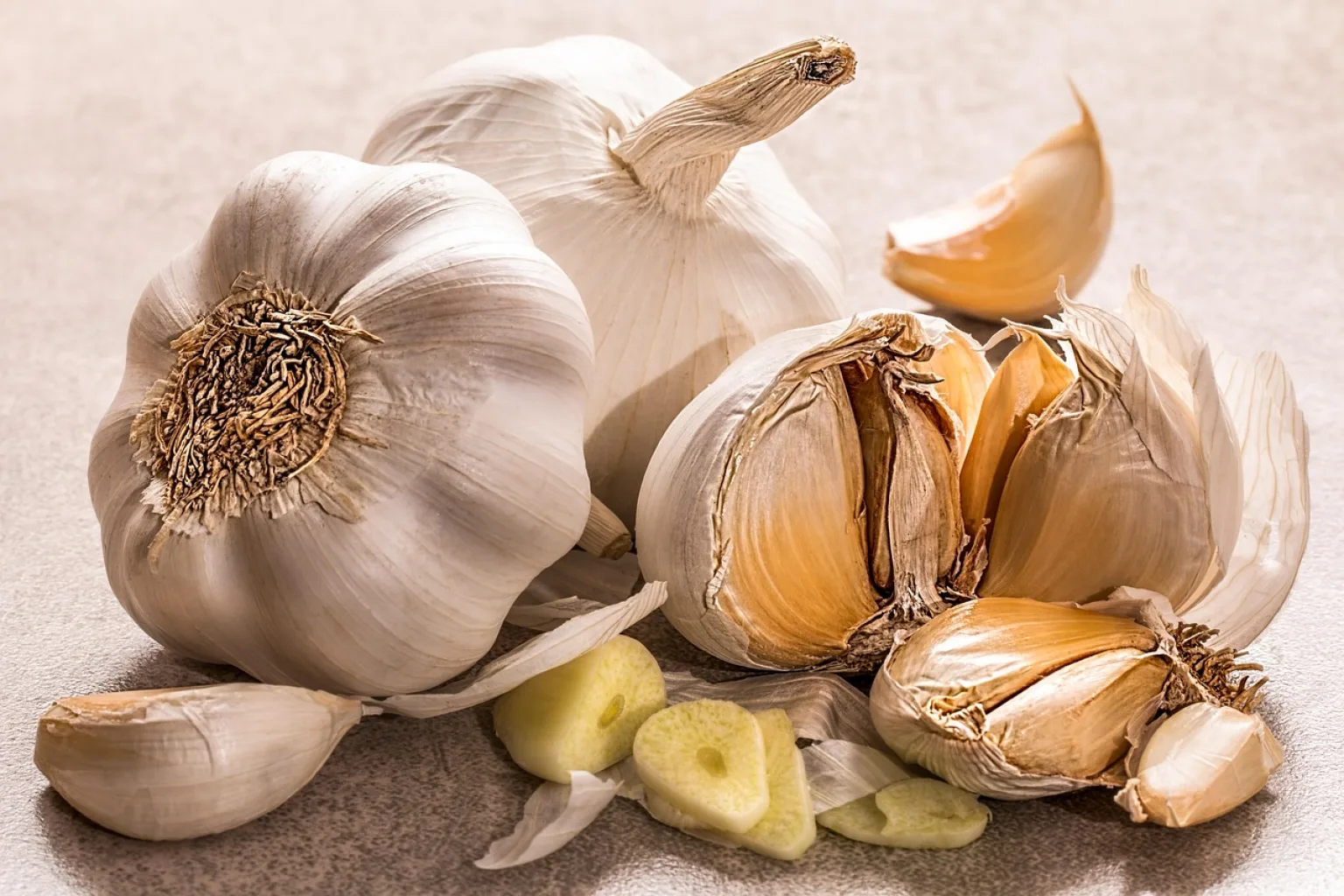
Garlic powder is a spice made by removing moisture from garlic and grinding it into a fine powder. Product descriptions and culinary references describe it as clean, peeled, dried garlic that is then ground, though the exact process can vary. It should not be confused with granulated garlic: both are dried forms of garlic, but granules are coarser while powder blends more readily into smooth preparations. Some products may contain additional ingredients, so check the ingredient list on the package.
When to use it
Use it when you want a convenient garlic flavor that is easy to measure and distribute evenly, such as in spice blends, rubs, marinades, soups, sauces, dressings or seasoned vegetables. It is also useful when you do not want visible pieces of garlic or prefer a dry ingredient that can be mixed into a preparation without adding the moisture of fresh garlic. Garlic powder is not an exact replica of fresh garlic: flavor and texture effects can differ with the recipe and the product.
How to use it
Start with a small amount, mix it in and taste before adding more, since intensity can vary between products and recipes. To season ingredients before cooking, combine it with the other spices; in soups, sauces, marinades and dressings, stir thoroughly so the flavor is distributed rather than concentrated in patches. Its lack of pieces makes it useful when you want a uniform mixture. If substituting fresh garlic, remember that fresh garlic adds moisture and a different texture. The available sources do not establish a universal quantity conversion, so adjust to taste.
Flavour and texture
It has a recognizable garlic aroma and a dry flavor that may taste more bitter or more aromatic than fresh garlic, depending on the product. Its fine powder mixes easily and has little effect on a dish’s texture. It does not provide the freshness, moisture or pieces of newly cut garlic; dried products can also vary in intensity and character.
How to choose it
Read the ingredient list and check whether the product is pure garlic or contains other components, such as salt or anti-caking agents. Garlic powder is finer than granulated garlic; choose between them according to the texture you want in the dish. Also check the package’s allergen information, since composition and declared warnings can vary between brands and products.
Storage
Store it in a cool, dry place away from direct light, as product guidance in the available evidence recommends. Keep moisture out of the package and follow the specific storage instructions on its label. If the manufacturer gives different directions, follow the package; the powder’s appearance alone cannot establish how long it will retain its quality.
Substitutions
Granulated garlic or dried garlic flakes can provide a similar garlic flavor, but their particles change the texture and how they disperse. Chopped or pressed fresh garlic may also work in some recipes, though it adds moisture and has a different profile. The available sources do not support a fixed conversion between these forms; adjust to taste and to the preparation.
Common mistakes
Do not confuse it with garlic salt: that blend also seasons the dish with salt. Avoid adding a large amount without tasting, assuming it is an exact replacement for fresh garlic, or expecting it to contribute pieces and moisture. Check the label if you need to confirm ingredients or declared allergens, since products and presentations may differ.
Safety and allergens
Check the package for the specific product’s ingredients and allergen warnings; required information depends on the food and how it is presented. Some product sources mention sulfites in garlic, but the available evidence does not establish that every garlic powder contains them. If you have an allergy or intolerance, check the package declaration and do not use the product if you cannot confirm it is suitable for you.
Culinary uses
- Condimento para aportar sabor a ajo de manera uniforme
- Ingrediente seco para mezclas de especias y sazonadores
Recommended techniques
- Espolvorear y mezclar con ingredientes secos antes de cocinar
- Incorporar a salsas, aliños o marinadas para repartir el sabor
Pairs well with
- Tomillo, orégano, romero y albahaca
- Verduras, patatas, carnes, aves, pescado, sopas y salsas
Frequently asked questions
Is garlic powder the same as granulated garlic?
Not exactly. Both are dried forms of garlic, but garlic powder is ground more finely; granules are coarser and may affect texture more.
Can I replace fresh garlic with garlic powder?
It can work in some preparations, but it adds less moisture and has a different texture. The available sources do not establish a universal conversion; adjust gradually and taste.
How should I store garlic powder?
Keep it in a cool, dry place away from direct light, and follow any specific storage instructions on the package.
Estimated nutrition
- Fat
- 0 g
- Saturates
- 0 g
- Carbohydrate
- 64.5 g
- Sugars
- 0 g
- Fibre
- 0 g
- Protein
- 32.3 g
- Salt
- 0 g
Sources and review
Automatically researched, cross-checked and validated content. Sources consulted:
- En el etiquetado alimentario hay algunas menciones que son obligatorias eletiquetadocuentamucho.aesan.gob.es
- ::AESAN:: Agencia Española de Seguridad Alimentaria y Nutrición aesan.gob.es
- Ajo, tipos, beneficios y uso en la cocina - Mercado de Chamartín mercadodechamartin.es
- Curry - Wikipedia, la enciclopedia libre es.wikipedia.org
- Ajo en polvo: cómo se obtiene, usos culinarios y beneficios para la salud - Especias El explorador especiaselexplorador.com
- Ajo en polvo | www.cocinista.es cocinista.es
- Ajo en polvo. Qué es y como emplearlo en tu cocina abc.es
- ¿Cuál es el origen del ajo en polvo? - Blog es.dbspices.com
- Ajo Polvo, ajo en polvo, especias, ajo en polvo online aromasdelmundo.gal
- Ajo en polvo - Gastronomía Vasca: Escuela de Hostelería Leioa gastronomiavasca.net
- Comparativa entre ajo en polvo y ajo fresco para recetas asiáticas - Baxerri baxerri.es
- WIN79 : Link SLOT777 Terbaik Hari Ini Situs Slot Gacor Maxwin Gampang Jackpot Hoki wasabidelnorte.es
- Ajo granulado (ajo en polvo, ¿crudo?, ¿orgánico?) | Fundación G+E diet-health.info
- Ajo en Polvo doi.org
- Ajo en Polvo: Guía Definitiva de Usos y Errores Comunes spice.alibaba.com
- ▷ Ajo en Polvo (350 g) Especias y Condimentos | La Casa de los Sabores lacasadelossabores.com
- El ajo cambia de sabor según cómo lo cortes (el mejor para cada receta) cocinatis.com