- Category
- Dairy and eggs
- State
- Fresh
- Usual unit
- g
What it is
Goat’s cheese log is cheese made with goat’s milk and shaped into a cylinder. The name mainly describes its form, not a single texture or degree of maturation: products may be fresh or ripened, and some have a mold-covered surface or rind. The paste can therefore be soft and creamy, while other examples have a firmer exterior and a more pronounced flavor. A lactic tang is often associated with goat’s cheese, but the precise taste depends on the product and how it is made and matured. Check the product name and ingredients to establish what kind of log you have, rather than relying on shape alone.
When to use it
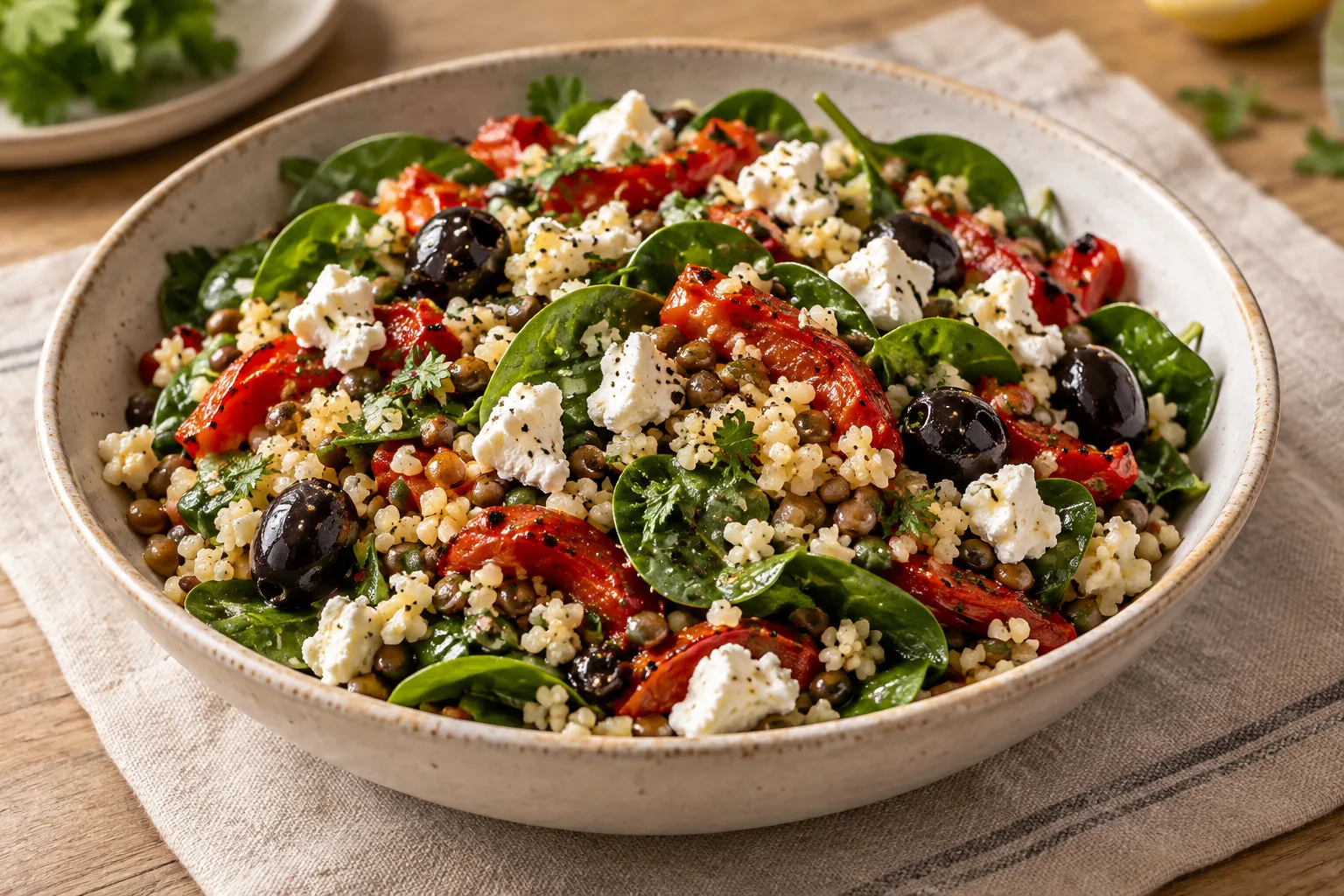
Use it when you want a creamy texture and a distinctive milky, tangy note in a salad, on toast, in an appetizer or in a baked dish. Serve it sliced or crumbled in cold preparations, or use it as a topping or filling for pizza, savory tarts and pastries. It also works in sweet-savoury combinations with fruit, honey or jam. Since fresh and ripened versions can differ in texture and intensity, choose one that suits the dish instead of assuming every log will behave the same way.
How to use it
Slice or crumble the cheese into salads, vegetables, pasta, toast or an appetizer board. For a hot dish, sear slices in a pan or on a griddle, add them to pizza or a savory tart, or use them as a pastry filling. It can also be gratinated or coated and fried; when heated, the soft paste may loosen and melt, so choose a preparation that suits the texture you have. Pair it with greens and vegetables, or balance its tang with honey, fruit, jam or nuts. Check the product label for its ingredients and the specific storage and use directions.
Flavour and texture
Goat’s cheese log commonly has a milky flavor with a tangy note, but strength varies with the product and maturation. Its paste may be soft, creamy and melting; some logs have a mold-covered rind or surface. Do not assume every log tastes or feels alike: check the product description and taste it before adding further seasoning.
How to choose it
Read the product name and ingredient list to check whether the log is fresh or ripened and whether it is made only with goat’s milk or includes other milk. Check the allergen information and the label’s storage and use directions. The cylindrical shape alone does not tell you the texture, rind or strength; products differ, so choose one suited to the way you plan to serve it.
Storage
Follow the storage directions on the package or provided by the seller, as they can differ by product and presentation. Keep the label available so you can check the date and any instructions for use after opening. Do not assume one storage method or shelf life applies to every cheese log; ask the seller or maker if you are unsure.
Substitutions
For a milder, fresher texture, fresh goat cheese may work, though its flavor and consistency will not necessarily be the same. Another soft cheese log made with cow’s or sheep’s milk can stand in when the shape matters more than the characteristic goat’s-milk flavor. Always check the label: changing cheeses can also change the milk used and the allergens present.
Common mistakes
Do not assume every log is fresh, has an edible rind or has the same intensity; products vary. Avoid heating slices without allowing for the fact that they can soften and melt. Do not choose a substitute without checking its milk type and allergen information, and do not overlook the storage and use directions for the specific product.
Safety and allergens
This cheese contains milk, an allergen that should be identified in food information. Check the product label and follow its storage and use directions; ingredients and product details can vary between brands and presentations.
Culinary uses
- cheese for salads and cold dishes
- spread or topping for bread and toast
- warm ingredient for savory bakes and pizzas
Recommended techniques
- slice or crumble and serve cold
- sear briefly on a pan or griddle
- bake or gratinate as a topping or filling
- coat and fry
Pairs well with
- salad greens and vegetables
- bread or toast
- honey, jams, and fruit
- nuts and dried fruit
Frequently asked questions
Can goat’s cheese log be served hot or cold?
Yes. Serve it cold in salads or on toast, or use it in hot dishes such as pizza and savory tarts.
Is every goat’s cheese log fresh?
No. Products can be fresh or ripened; check the product name and the maker’s information.
What goes well with goat’s cheese log?
Try it with salad greens, bread, fruit, honey, jam or nuts.
Estimated nutrition
- Fat
- 17.9 g
- Saturates
- 12.5 g
- Carbohydrate
- 10.7 g
- Sugars
- 7.14 g
- Fibre
- 3.6 g
- Protein
- 14.3 g
- Salt
- 0.98 g
Sources and review
Automatically researched, cross-checked and validated content. Sources consulted:
- En el etiquetado alimentario hay algunas menciones que son obligatorias eletiquetadocuentamucho.aesan.gob.es
- ▷ Los 5 mejores Maridajes del Queso de Cabra alimentosdemiraflores.com
- Aesan - Agencia Española de Seguridad Alimentaria y Nutrición aesan.gob.es
- Queso de Cabra Rulo: Un Análisis Comparativo de sus Mejores Variedades y Usos En la Tabla de Quesos donquesotori.es
- Rulo de Cabra | La Abulense labulense.com
- Rulo de Cabra - Queso García Baquero garciabaquero.com
- Rulo de Cabra , No Puede Faltar en Tu Cocina| Cheese Friends cheesefriends.com
- Rulo de cabra: qué es, propiedades y cómo disfrutarlo - Corsevilla corsevilla.es
- Queso de Rulo quesoteca.com
- Qué Es El Queso De Rulo | Queso Destrabilla info.quesodestrabilla.es
- Rulo de cabra | Lácteas Cobreros S.A. - Rulos de Cabra, Leche en polvo de Cabra y variedades lacteascobreros.com
- ¿Se Come la Corteza del Queso Rulo de Cabra? - Homarus restaurantehomarus.es
- Recetas fáciles con queso de cabra en rulo | Cocina con Burruezo cocinaconburruezo.es
- Queso de cabra: 6 ideas fáciles y deliciosas para usarlo en casa - Dani Carnicería danicarniceria.es
- Rulo queso de cabra - Quesos el Convento quesoselconvento.es
- ¿Qué tipo de queso es el rulo de cabra? - Enterate Delicias enteratedelicias.com
- Recetas con rulo de queso de cabra: cremosas y sorprendentes cookpad.com