- Category
- Dairy and eggs
- State
- Fresh
- Usual unit
- g
What it is
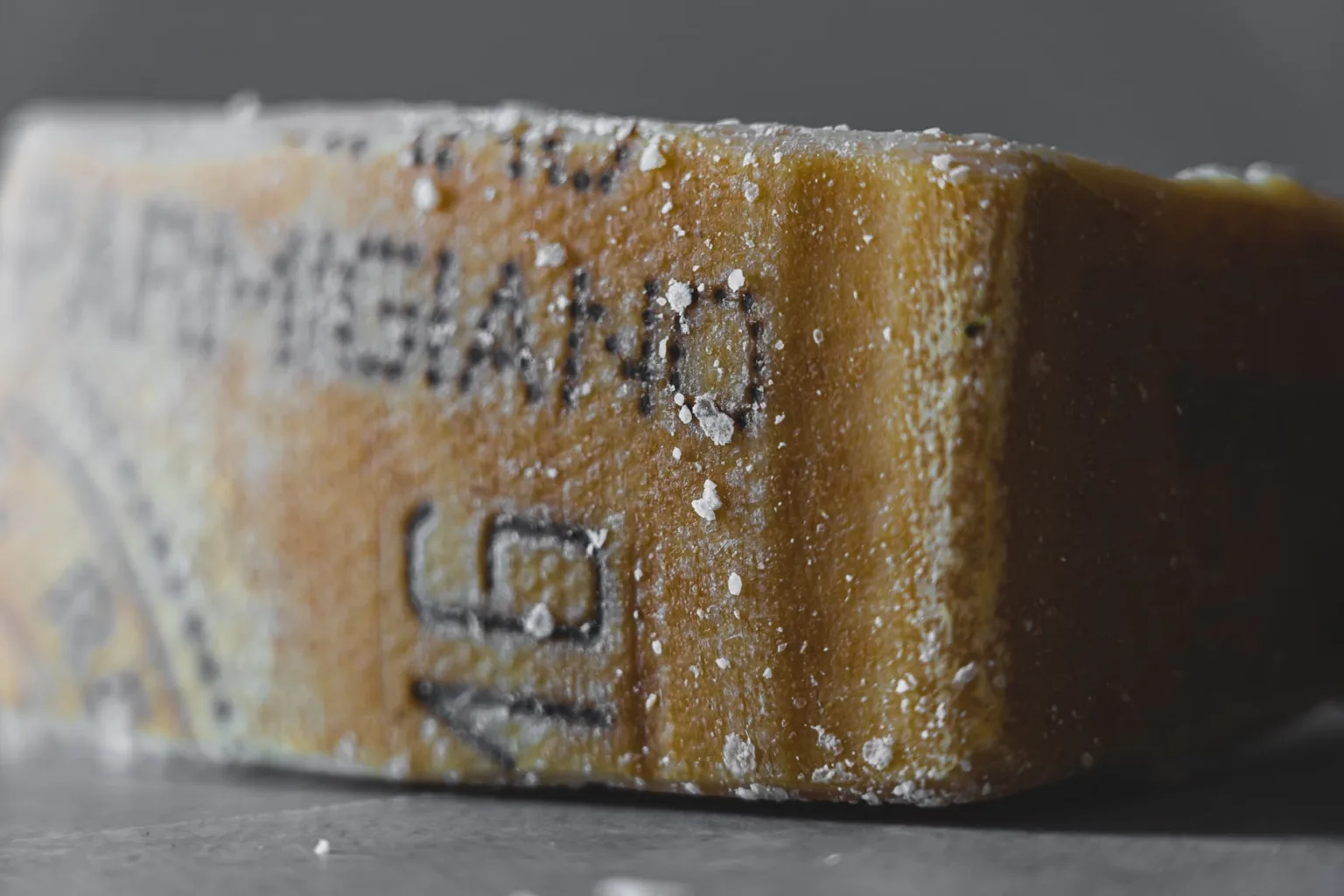
Grated aged cheese is aged cheese cut into small shreds or particles to make it easier to add to food. It may be sold ready-grated or made at home from a piece of cheese. The name alone does not identify one single variety: grated products may use different cheeses, and some products that look similar belong to different commercial categories. Check the product name and ingredient list to understand what the food is and what it contains. Aroma, intensity, texture and melting behaviour can vary with the cheese and format. This guide refers to grated aged cheese, not to every packaged product that resembles cheese.
When to use it
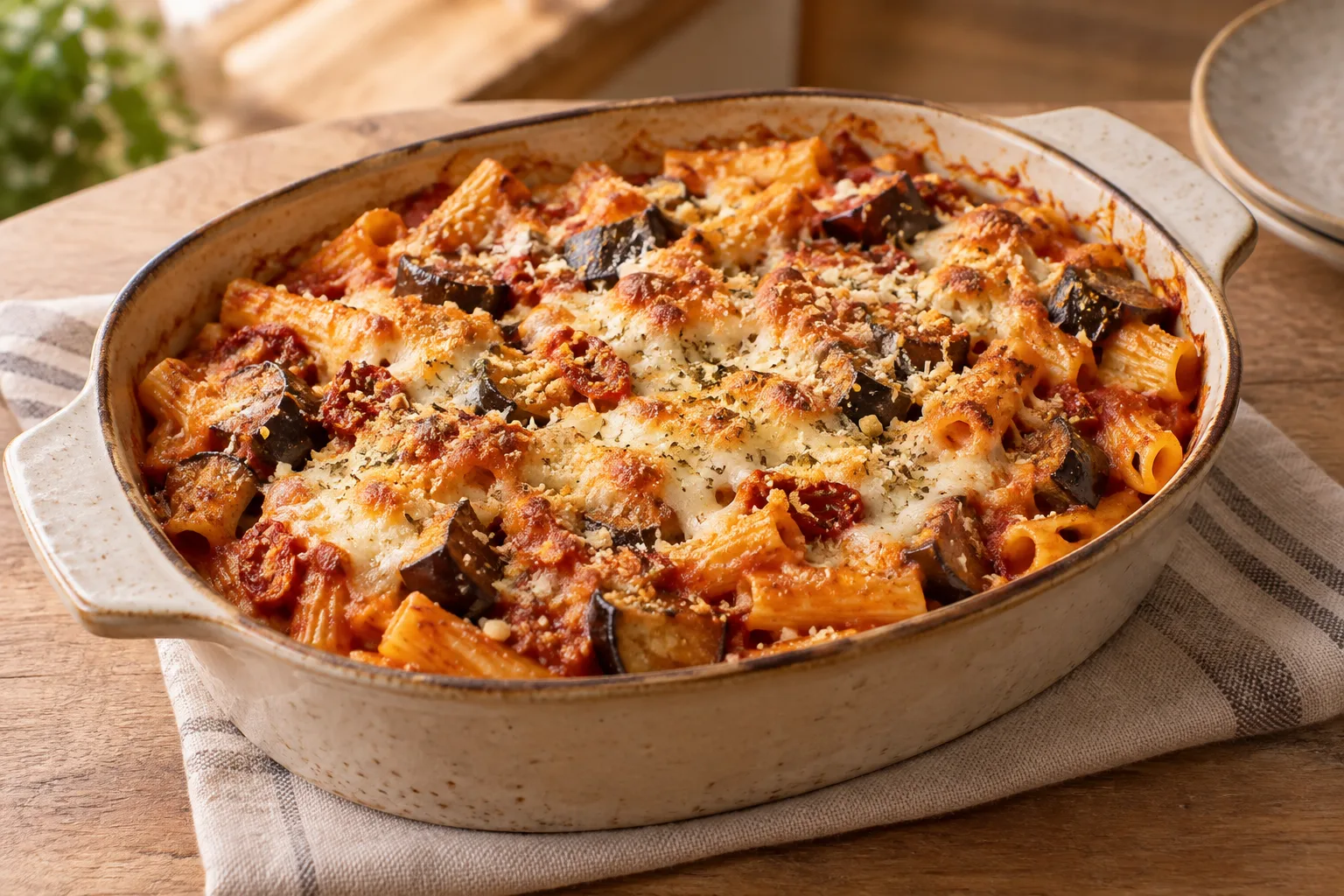
Use it when you want to distribute cheese flavour easily through a dish or add a topping before browning. It is commonly sprinkled over pasta, gnocchi, risotto and soups, or added to pizza, lasagne and baked vegetables. It can also be incorporated into a sauce when the recipe calls for it. Grated cheeses are not all alike, so choose a flavour and intensity that suit the dish. To keep the cheese distinct as a finishing touch, add it at the table; for a browned topping, scatter it over the food before baking.
How to use it
First check the product name and follow the directions on its label. Use an amount that suits the recipe and your taste: aged cheese can be assertive, so add it gradually and taste before adding more. To finish a dish, sprinkle it over pasta, gnocchi, risotto or soup just before serving. For a gratin, spread it evenly over the surface and bake according to the recipe rather than assuming every grated cheese melts in the same way. You can also stir it into a sauce or hot preparation a little at a time. If starting with a whole piece, grate it with a clean grater; choose a shred size that suits the intended use.
Flavour and texture
Flavour and texture depend on the cheese variety and its maturation, so there is no single profile for every product. Aged cheese may bring pronounced flavour, while the grated format makes it easy to distribute in small bites. Shred size affects how it feels in the dish and the result of a topping. Heating behaviour also varies: not every grated product melts or browns in the same way. Read the product name and ingredients to identify the cheese you have chosen.
How to choose it
Read the legal product name and ingredient list before buying: they help distinguish grated cheese from processed cheese or another product, and may identify the variety or blend. The front-of-pack image alone is not enough to establish what it is. Choose the cheese type and shred size for the intended use; fine and coarse shreds can give different results. Check the manufacturer's storage and use directions, particularly for an opened pack or a product sold loose.
Storage
Follow the storage directions on the label, since conditions can depend on the product and its presentation. Keep packaged grated cheese as directed by the manufacturer and follow the instructions for use after opening. Do not substitute generic time or temperature advice for the directions on the pack. If grating from a whole piece, handle it with clean utensils and store the remaining cheese according to its own label. If you are unsure about storage or safe use, ask the seller or manufacturer.
Substitutions
You can replace it with freshly grated aged cheese, ideally the variety named in the recipe. Other grated cheeses, such as Parmesan, pecorino or cheddar, can also be tried, but flavour, intensity and heating results may change. Do not assume that every product labelled grated cheese is equivalent: check its product name and ingredients. If a recipe depends on a particular melting or browning result, remember that varieties and commercial products can behave differently.
Common mistakes
A common mistake is choosing a product from its picture or prominent front label without checking its product name and ingredients. A cheese that is stronger than expected, or using too much before tasting, can also throw off a dish. Do not assume every grated cheese melts or browns alike, or that one product's directions apply to another. When substituting, account for changes in both flavour and texture.
Safety and allergens
Contains milk; avoid it if you have a milk allergy and check the label for allergens and ingredients. Follow the product's storage and use directions, which can vary by presentation. For unpackaged food, ask the seller for verifiable allergen information.
Culinary uses
- Condimento para aportar sabor a pastas, sopas, risottos y otros platos.
- Cobertura para gratinar y terminar preparaciones al horno.
Recommended techniques
- Espolvorear sobre el plato antes de servir.
- Añadir a una preparación caliente o repartir por encima para gratinar.
Pairs well with
- Pasta, ñoquis, lasaña y risotto.
- Verduras, sopas, pizza y salsas.
Frequently asked questions
Is grated cheese the same as grated processed cheese?
Not necessarily. The product name and ingredient list help distinguish commercial categories and identify the specific product.
Can I grate it at home?
Yes. Grate a piece of aged cheese with a clean grater, choosing a shred size to suit how you plan to use it.
How should I store an opened pack?
Follow the manufacturer's specific instructions on the label; do not assume all products have the same storage requirements.
Estimated nutrition
- Fat
- 40 g
- Saturates
- 30 g
- Carbohydrate
- 0 g
- Sugars
- 0 g
- Fibre
- 0 g
- Protein
- 20 g
- Salt
- 4.5 g
Sources and review
Automatically researched, cross-checked and validated content. Sources consulted:
- En el etiquetado alimentario hay algunas menciones que son obligatorias eletiquetadocuentamucho.aesan.gob.es
- Client Challenge doi.org
- Aesan - Agencia Española de Seguridad Alimentaria y Nutrición aesan.gob.es
- Queso rallado - Wikipedia, la enciclopedia libre es.wikipedia.org
- Artes culinarias/Ingredientes/Queso rallado - Wikilibros es.wikibooks.org
- Queso Parmesano Rayado: Una Comparativa de Sabores y Texturas entre los Mejores Quesos del Mundo donquesotori.es
- Queso Rallado: El Complemento Ideal Para Tus Platos | Queso Destrabilla info.quesodestrabilla.es
- Queso Rallado | Quesos El Bosqueño | La mejor forma de comer quesoselbosque.com
- Queso rallado, ingredientes en la cocina - Saludteca saludteca.es
- Patata, huevos y otros ingredientes con los que se hace el rallado que no es queso | BuenaVida | EL PAÍS elpais.com
- Queso rallado: no es queso todo lo que parece | Consumer consumer.es
- Queso: Historia, Variedades y Beneficios Nutricionales — Ibéricos Sofía Luengo ibericossofialuengo.es
- Triunfa con un maridaje perfecto entre queso curado y vino deia.eus
- \r\n \n Queso curado: tipos, maduración y maridajes perfectos\n \r\n queseriadebenijos.es
- Maridaje de Queso Manchego: los acompañamientos perfectos. dehesadelosllanos.com
- Un universo de sabores, texturas y maridajes alrededor del queso | Noticias de Gastronomía en Heraldo.es heraldo.es
- PGI-ES-02307 Revisión 1 Página 1 de 8 PLIEGO DE CONDICIONES DE LA mapa.gob.es