- Category
- Sugar and sweeteners
- State
- Dry
- Usual unit
- tablespoon
What it is
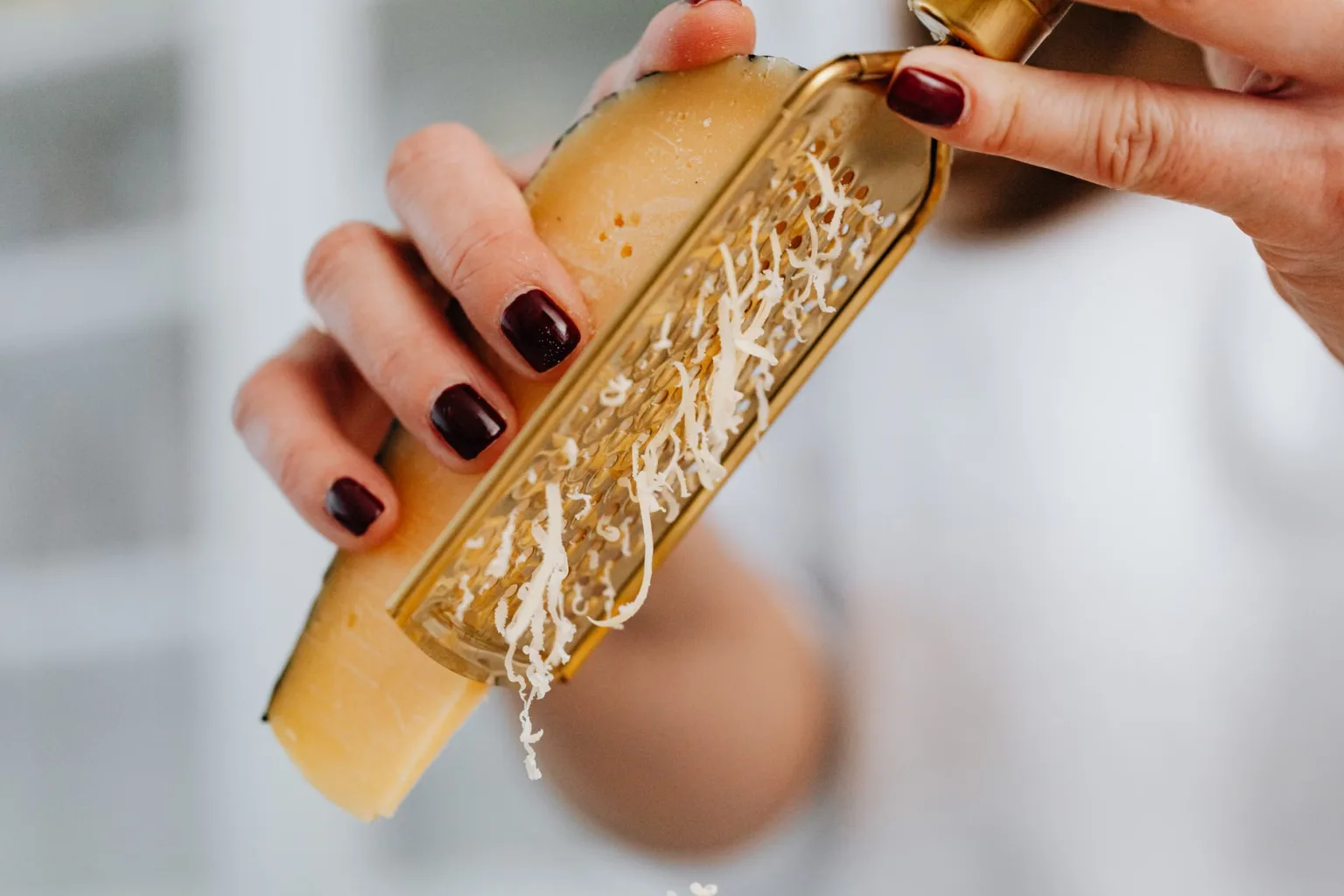
Panela is a sweetener made by cooking and solidifying sugar-cane juice without refining it. It is sold in blocks, cones and other compact shapes, as well as in granulated form. Grating a block turns it into smaller pieces that are easier to measure and mix into a recipe. The color can range from earthy brown to golden or cinnamon shades, and the block may be hard or somewhat softer depending on the product. Grated panela has the characteristic sweet flavor of panela, often with toasted or caramel-like notes. It is not a fresh ingredient; it is a dry, solid sweetener. Names and formats vary by market, so check the label to confirm that the product is cane panela.
When to use it
Use grated panela when you want to sweeten a drink or give a recipe a toasted note that differs from the flavor of white sugar. It works in coffee, hot chocolate and other drinks, and in desserts such as rice pudding, cakes and cookies. Grated pieces are easier to mix into a drink than a whole block, although they may take time to dissolve. Panela can also add sweetness to sauces or marinades. Because its flavor is noticeable, begin with a modest amount and taste before adding more, particularly in recipes where sweetness is not meant to be the main flavor.
How to use it
If you have panela in a block, grate or chop it before adding it; granulated panela is convenient when you want to measure it directly. For a drink, add it to the liquid and stir until dissolved. Adding it while the liquid is hot can make mixing easier. In baking, mix it with the other ingredients and bear in mind that its color and toasted flavor may be noticeable in the finished result. For sauces or marinades, dissolve or mix it thoroughly to avoid chunks, then taste for balance with the other flavors. Panela can be used in drinks, desserts and savory preparations, but do not assume that it replaces sugar in exactly the same amount in every recipe: the format, perceived sweetness and desired result can differ.
Flavour and texture
Its flavor is sweet and may include toasted or caramel-like notes, with intensity varying by product. The color is commonly earthy brown, golden or cinnamon-toned. A block can be compact and hard or somewhat softer; once grated, it becomes small pieces that are easier to mix. Granulated panela has a loose texture similar to granulated sugar.
How to choose it
Check the label to make sure you are buying cane panela rather than another product called panela in your market. It is sold in blocks or granulated form: blocks can be grated or chopped, while granulated panela can be measured directly. Blocks vary in shape, color and hardness, and may be brown, golden or cinnamon-toned. Choose the format that suits your recipe and check that the package is sealed and undamaged.
Storage
Keep grated panela in a clean, dry, tightly closed container and follow the package storage directions. Avoid leaving it exposed to moisture or strong pantry odors. If you grate it at home, store only what you can protect from moisture and use clean, dry utensils when serving it. No universal storage duration is established here; check the product label for specific instructions.
Substitutions
Granulated sugar can replace panela when the recipe mainly needs sweetness, but the flavor, color and result will not be identical: panela brings toasted, caramel-like notes. Adjust to taste rather than assuming the same amount works in every preparation. If you simply need a format that is easier to measure, granulated panela can replace grated panela while keeping the same type of sweetener.
Common mistakes
A common mistake is adding an ungrated block and expecting it to dissolve quickly. It is also easy to overlook that panela contributes color and toasted notes, which can change a recipe’s flavor profile. Do not assume it is an exact sugar substitute in every preparation; mix thoroughly, taste and adjust sweetness gradually.
Safety and allergens
Handle panela with clean, dry utensils and follow the package directions. It is a sweetener; use it according to individual preferences and needs, and do not treat it as medicine.
Culinary uses
- Endulzante para bebidas
- Endulzante para postres y repostería
- Aporte dulce a salsas y preparaciones saladas
Recommended techniques
- Rallar o trocear antes de medir o incorporar
- Disolver en líquidos calientes
- Mezclar con masas y otras preparaciones
Pairs well with
- Café y chocolate caliente
- Arroz con leche y otros postres
- Bebidas con limón
- Salsas y marinados de perfil dulce-salado
Frequently asked questions
Is grated panela a fresh ingredient?
No. It is grated solid cane panela and is classified as dry, not fresh.
Can I use grated panela in drinks?
Yes. It can sweeten coffee, chocolate and other drinks. Stir until it dissolves; adding it to a hot liquid can make mixing easier.
Can panela replace white sugar in every recipe?
It can provide sweetness, but it may not produce the same color or flavor. Adjust the amount to the recipe and the result you want.
Sources and review
Automatically researched, cross-checked and validated content. Sources consulted:
- Client Challenge doi.org
- ¿Qué es el maridaje de sabores? - Hostelería Benidorm hosteleriabenidorm.com
- Tipos de Maridaje: de afinidad o contraste | Bartalent Lab bartalentlab.com
- Qué es el maridaje: tipos y consejos - Brandy Fundador brandyfundador.com
- ¿Cómo hacer un maridaje perfecto? | SumiVin sumivin.com
- Elementos del maridaje. La textura. – Terroaristas, el Blog del VINO terroaristas.com
- Panela - Wikipedia, la enciclopedia libre es.wikipedia.org
- Panela: qué es, beneficios y contraindicaciones bonviveur.com
- ¿Has probado la panela? - Formacion en Gastronomia formacionengastronomia.com
- Guía completa sobre la panela | Recetas Nestlé recetasnestle.com.ec
- Qué es la panela, rapadura o piloncillo: características, propiedades y cómo usar en la cocina el azúcar sin refinar directoalpaladar.com
- Panela | Gastronomía & Cía gastronomiaycia.com
- Panela quimica.es
- El dulce encanto de la Panela: Explorando su diversidad y usos - Heincke Group heincke.co
- Panela. Qué es, cómo usarla en cocina y por qué está cada vez más presente en nuestras recetas abc.es
- Panela: Guía Completa + 5 Usos en Cocina - Paulina Cocina paulinacocina.net
- Maridajes culinarios: las mejores combinaciones - Alma "Cocina Viajera" almacocinaviajera.es