- Category
- Vegetables
- State
- Fresh
- Usual unit
- g
What it is
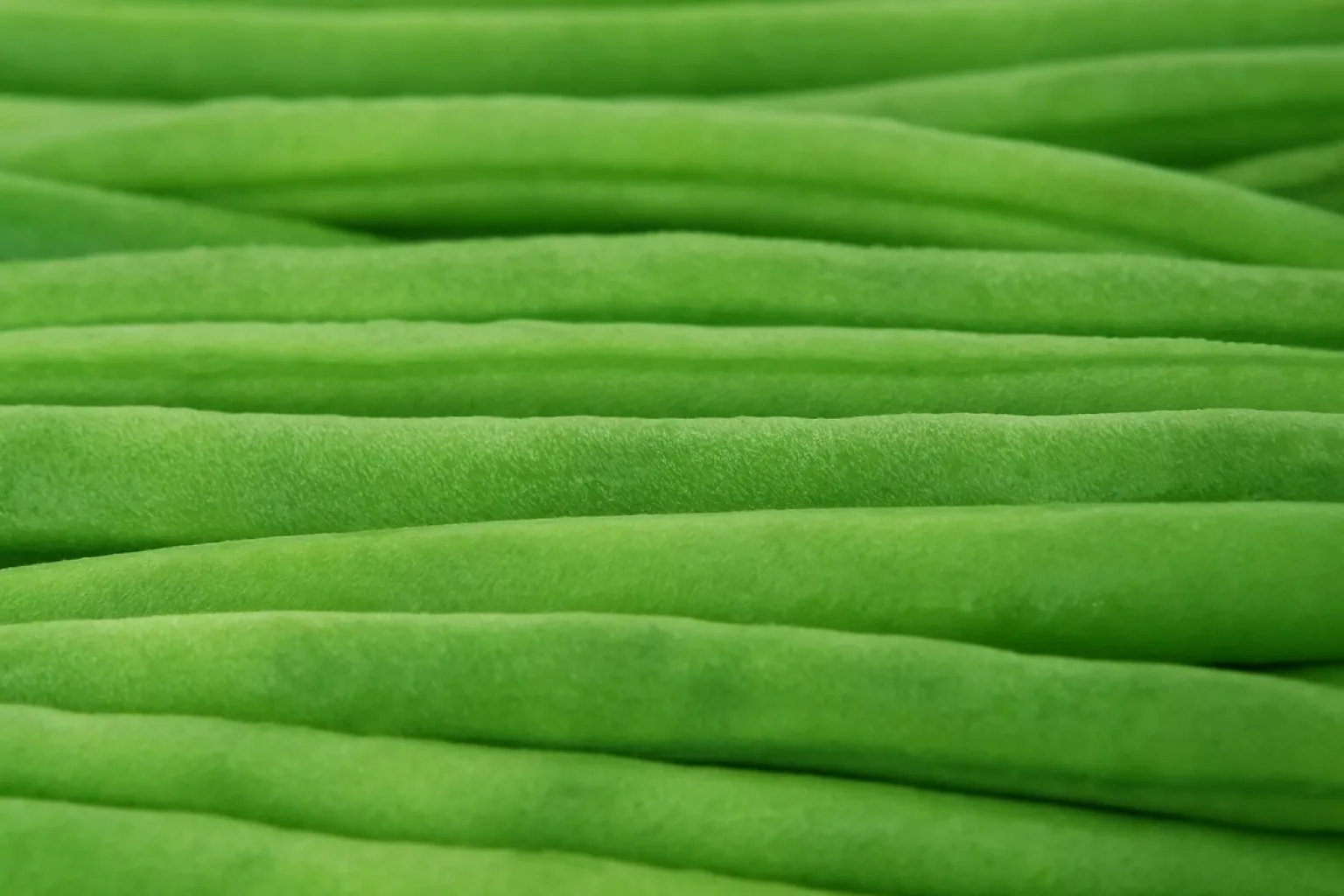
Green beans are the young, edible pods of the common bean, Phaseolus vulgaris. They are eaten as a vegetable before the pods mature and become tougher. The name does not describe every available color: related green-bean varieties can also have yellow or purple pods. For fresh beans, look for smooth, firm pods that are crisp enough to snap when bent, with bright color and no damage or discoloration. This profile concerns the fresh product and does not assign a universal season, since availability varies by location.
When to use it
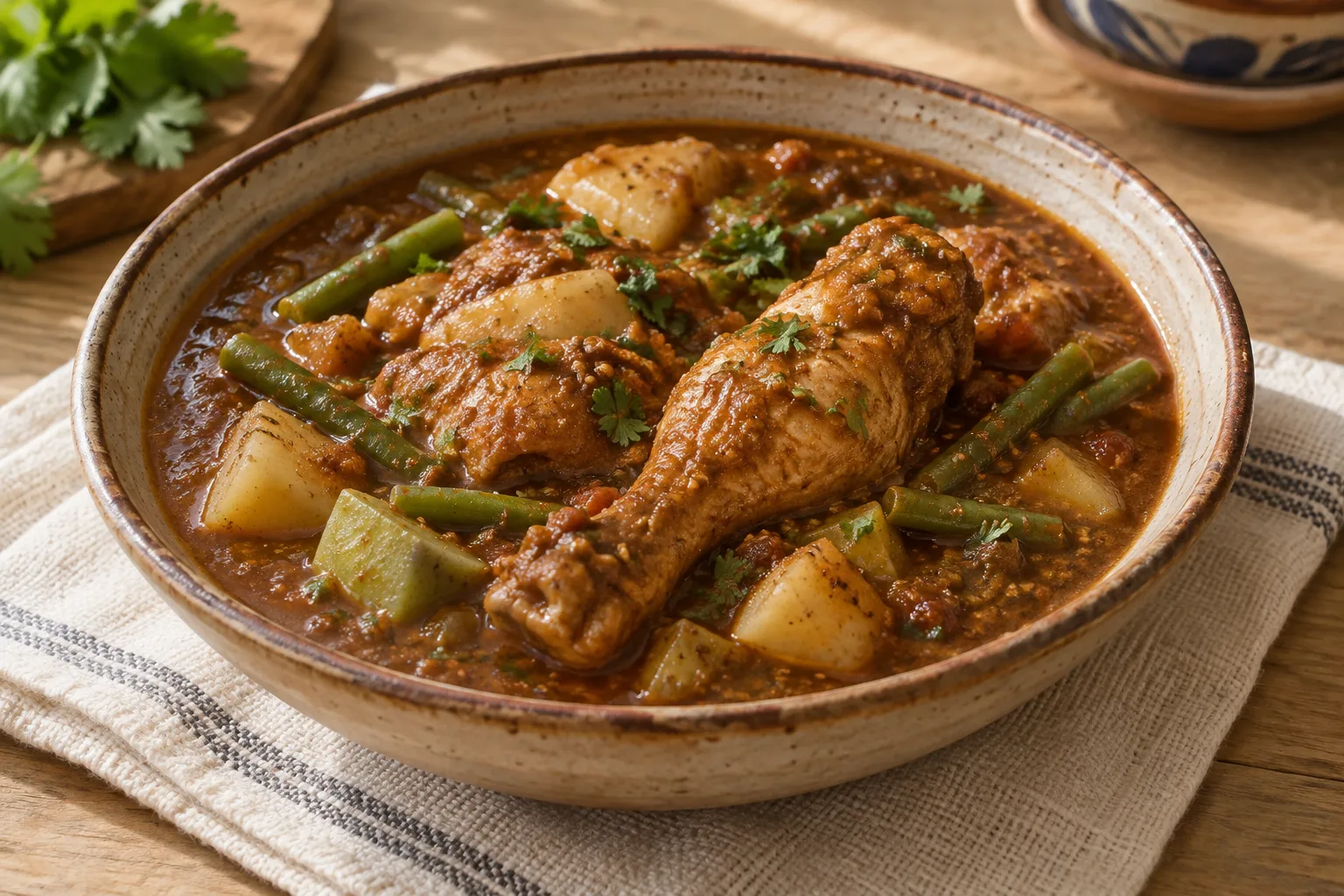
Use green beans when you want a vegetable side or an ingredient for soup, stew or casserole. They can also be chopped into pasta salad or served as part of a vegetable medley. Firm, crisp pods are a useful buying cue; choose a cooking method to suit the dish, such as steaming, roasting or sautéing. Seasonal availability differs by region, so select them by freshness and condition rather than assuming the same harvest months everywhere.
How to use it
Inspect the pods before cooking and set aside any that are damaged or discolored. Leave them whole or cut them into pieces to suit the dish. For a simple side, steam the beans; roast or sauté them when adding them to a vegetable medley or another cooked dish. They can also go into soups, stews and casseroles, or be chopped for pasta salad. The sources describe these uses and techniques but do not specify cooking times, so check the texture as you cook and adjust it to your recipe and preference.
Flavour and texture
The available evidence describes good fresh pods as firm and crisp, with a smooth surface and bright color. That texture suits a side dish or a preparation with other vegetables. The sources do not characterize the beans’ specific flavor, so choose them for freshness and let the flavor profile of the recipe guide how you serve them.
How to choose it
Choose smooth, firm, crisp pods that snap when bent. Look for bright color and avoid beans with damage or discoloration. Green beans vary by variety; yellow wax beans and purple-podded varieties are also included among the related types, so green is not the only possible pod color.
Storage
Store fresh green beans unwashed in a plastic bag in the refrigerator. The cited guide gives storage of up to one week under those conditions. Check the pods rather than extending that period by assumption, and remove any that are damaged. This guidance is for fresh, unwashed beans and should not be applied automatically to cooked, frozen or canned products.
Substitutions
Yellow wax beans and purple-podded varieties are possible alternatives within the broader green-bean group described by the source. The available evidence does not compare their flavors or establish exact recipe-for-recipe equivalence. Choose between them according to the color and appearance you want in the dish.
Common mistakes
Do not judge quality by color alone: check that the pods are firm, crisp and free of damage or discoloration. Another avoidable mistake is washing fresh beans before storage; the available guidance is to refrigerate them unwashed in a plastic bag. The sources also give no fixed cooking time, so avoid assuming one.
Safety and allergens
The sources provide no specific safety warning for green beans. Avoid visibly damaged pods and follow normal hygiene practices when handling fresh produce.
Culinary uses
- Guarnición vegetal
- Ingrediente para sopas y guisos
- Ingrediente para ensaladas de pasta
- Componente de cazuelas y mezclas de verduras
Recommended techniques
- Cocer al vapor
- Asar
- Saltear
Pairs well with
- Sopas y guisos
- Pasta en ensalada
- Otras verduras en una mezcla vegetal
Frequently asked questions
What should fresh green beans look like?
Choose smooth, firm, crisp pods that snap when bent, with bright color and no damage or discoloration.
How should I store fresh green beans?
Keep them unwashed in a plastic bag in the refrigerator. The cited guide recommends using them within up to one week.
How can I cook green beans?
Steam, roast or sauté them. They can also be used in soups, stews, pasta salads and casseroles, or served as a side dish.
Estimated nutrition
- Fat
- 0 g
- Saturates
- 0 g
- Carbohydrate
- 6.17 g
- Sugars
- 2.47 g
- Fibre
- 2.5 g
- Protein
- 1.23 g
- Salt
- 0 g
Sources and review
Automatically researched, cross-checked and validated content. Sources consulted:
- Client Challenge doi.org
- The Essential Glossary of Cooking Terms for the Culinary Arts - Escoffier escoffier.edu
- Building Communication between Serve City and the Hamilton ... etd.ohiolink.edu
- UCCE efforts improve quality of and demand for fresh ... ucanr.edu
- Safe & Healthy Food Pantries Project - Health & Well-Being health.extension.wisc.edu
- Green Beans - Extension Fond du Lac County fonddulac.extension.wisc.edu
- Green Beans | UNL Food | Nebraska food.unl.edu
- NUTRITION EDUCATION LESSON CODE GN-000-23 texashistory.unt.edu
- Ejote - Wikipedia, la enciclopedia libre es.wikipedia.org
- Los Ejotes – S&W Premium syw.mx
- Usos, propiedades y beneficios de los ejotes que deberías conocer gourmetdemexico.com.mx