- Category
- Nuts and seeds
- State
- Dry
- Usual unit
- g
What it is
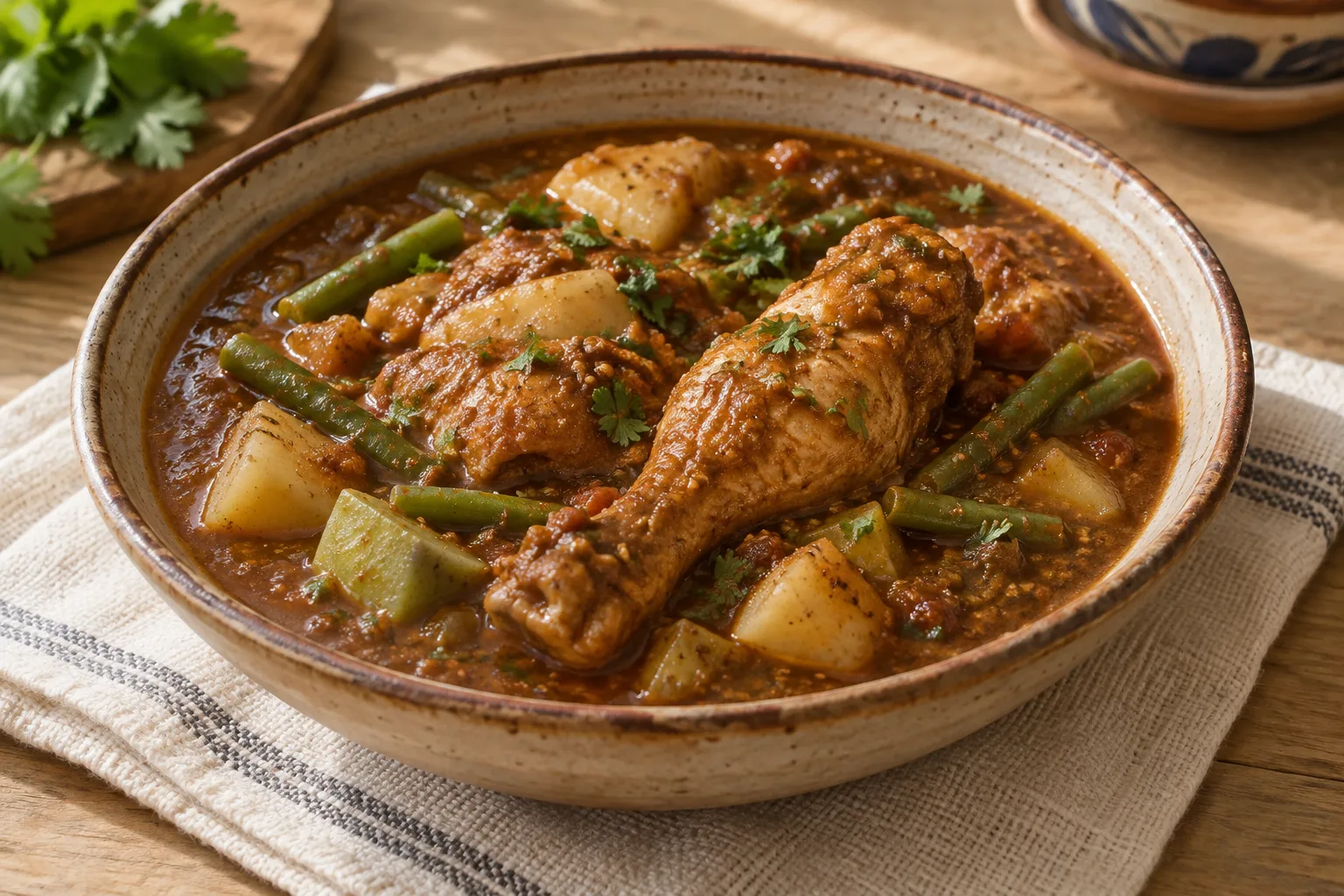
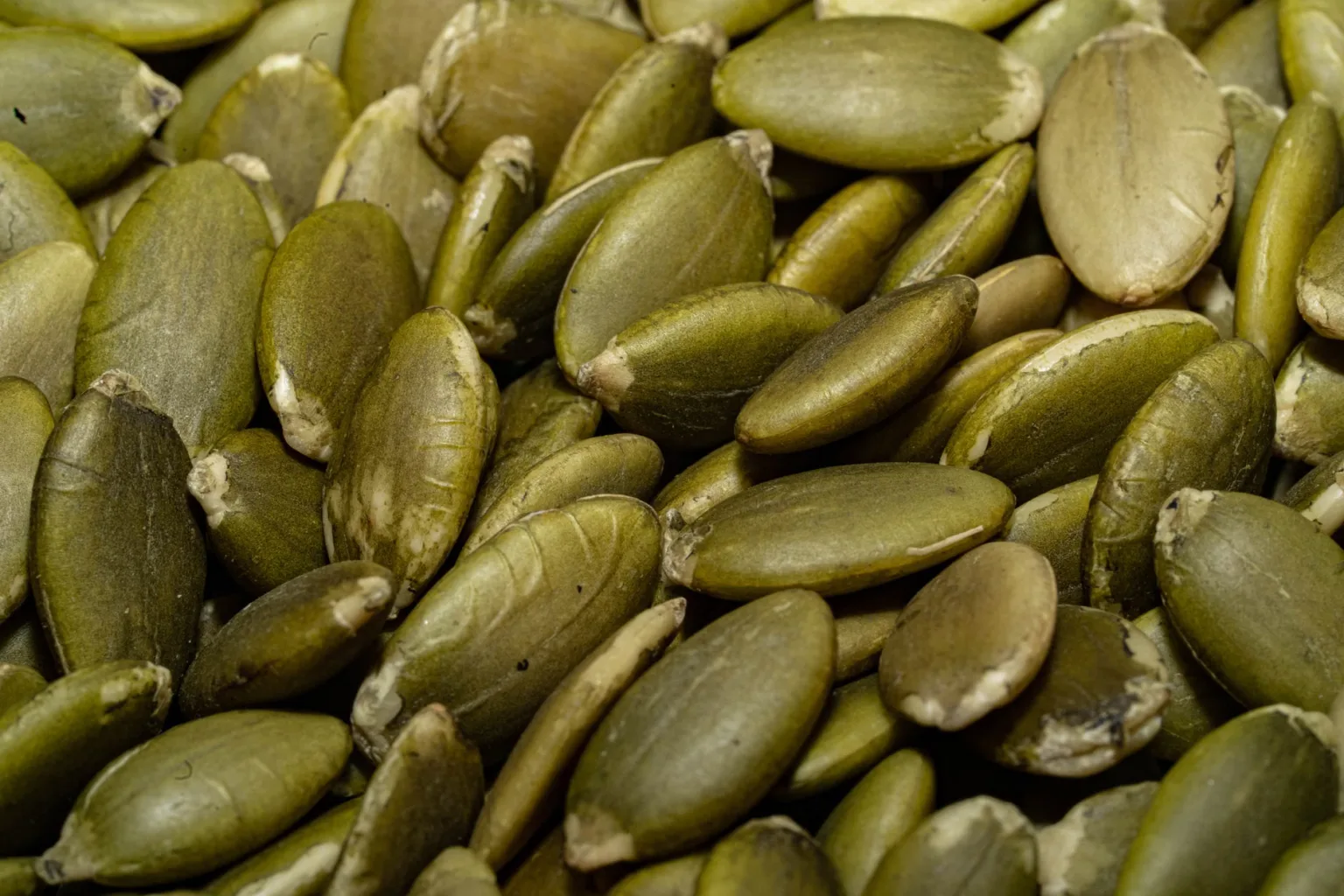
Green pepitoria, also called pepita or pumpkin seed, is the edible seed of different pumpkins and squash. Shelled seeds can be flat, elongated, and dark green; products with the shell and without it are both available, so appearance depends on the form sold. In cooking, the seeds are used whole or ground. Toasting before grinding is one documented way to prepare them, and ground pepitas can add flavor and body to sauces and stews. The word pepitoria can also name dishes that are not made from pumpkin seeds, so identify the ingredient by its seed form when shopping or following a recipe.
When to use it
Use pepitoria when you want whole seeds in a dish or a ground ingredient that contributes flavor and consistency. Toasted, ground pepitas are used in sauces and stews, including pipián and other recados; they are also used in soups, salads, and dressings. The seeds can accompany raw fruit and vegetables and appear in some drinks, breads, and sweets. Choose ground pepitas when you want them to blend into a preparation and help thicken it; choose whole seeds when you want to retain the texture of the seed.
How to use it
Pepitoria can be used whole or ground. For a toasted ground ingredient, toast the seeds and grind them, then add them to a sauce or stew for flavor and body. In a green sauce, pepitas may be combined with green tomato, chile, and other ingredients; in Guatemalan recados, toasted ground pepitas are used as a thickener. You can also sprinkle ground pepitas over fruit or raw vegetables, add them to salads, soups, or dressings, or use them in sweets, breads, and drinks. If you replace whole seeds with ground seeds, remember that their texture and the way they blend into the dish will change.
Flavour and texture
Toasted pepitas are described as nutty, with sweet and buttery notes; another culinary description characterizes their flavor as mild and slightly sweet. Ground, they add body and a pleasant texture to sauces and stews. Whole, they retain the texture of the seed. The specific result can vary with the product form, pumpkin variety, and whether the seeds are sold shelled or in their shells.
How to choose it
Check that the package identifies the product as pumpkin seeds or pepitas, and see whether they are shelled: both shelled and in-shell forms are available and look different. Shelled pepitas may be flat, elongated, and green. If you want to make a sauce or stew base, choose seeds that you can toast and grind, or a ground product if the label confirms that form. The available evidence does not establish additional freshness or visual-quality criteria.
Storage
The available information describes pepitoria as a dry seed, but does not establish storage conditions, duration, or a specific method. Follow the package directions, and ask the seller if the seeds are sold loose without storage guidance. Do not assume that advice for whole seeds applies equally to ground or toasted products: the evidence here does not specify storage differences. If the package provides product-specific directions, use those in preference to general assumptions.
Substitutions
The available evidence does not document a substitute made from a different seed. As a change of form, you can use whole toasted pepitas instead of toasted ground pepitas, or the reverse, but the result will not be identical: ground seeds blend in and can thicken, while whole seeds retain more texture. Keep this difference in mind when substituting them in a sauce, stew, or topping.
Common mistakes
Do not confuse pumpkin-seed pepitoria with other dishes also called pepitoria; the word can refer to meat preparations that are not this ingredient. Also, whole and ground pepitas do not behave the same way: ground seeds blend in and add body. Check whether the product is shelled, and do not assume that every green pepita comes from one single pumpkin species.
Safety and allergens
The available evidence does not provide a specific official safety warning for this ingredient or establish its allergens. Identify the product and read its label, especially if you have a known allergy or questions about ingredients or cross-contact; for a specific concern, consult the manufacturer or a health professional.
Culinary uses
- Espesante para salsas y guisos
- Ingrediente para salsas, bebidas, panes y dulces
Recommended techniques
- Tostar
- Moler
Pairs well with
- Tomate verde y chile en salsa
- Mango verde y otras frutas o vegetales crudos
Frequently asked questions
What are green pepitas?
They are edible pumpkin seeds. Shelled pepitas are often green, flat, and elongated; seeds are also sold in their shells.
Can I use pepitas whole or ground?
Both forms are used. Toasted and ground pepitas can add flavor and body to sauces and stews, while whole seeds retain more texture.
What dishes can I use them in?
They are used in sauces and stews, as well as soups, salads, dressings, drinks, breads, and sweets. They can also accompany raw fruit and vegetables.
Sources and review
Automatically researched, cross-checked and validated content. Sources consulted:
- Usos culinarios apropiados de las variedades de plátano verde barraganete, dominico y maqueño, en la gastronomía ecuatoriana. | Revista de Gastronomía y Cocina doi.org
- Pepitas de calabaza: qué son, propiedades | Recetas Mexas recetasmexas.com
- Casola Dining Room Menu | SUNY Schenectady sunysccc.edu
- Recipes | Indigenous Voices of the Americas | Smithsonian Folklife Festival festival.si.edu
- Breakfast & Break Snacks saltaire.ucsd.edu
- Enchiladas de Huevo con Frijol 1939 (Egg and Bean Enchiladas) - lacocina.utsa.edu
- Pocket Guide 2023 architecture.mit.edu
- UNDERGRADUATE CATALOG 2025-2026 framingham.edu
- Explore All Objects - Syracuse University Libraries Digital Collections digitalcollections.syr.edu
- Pepitoria - Wikipedia, la enciclopedia libre es.wikipedia.org
- Origen y usos de la pepitoria, importante ingrediente en la gastronomía de Guatemala | Aprende Guatemala guatemala.com