- Category
- Meat
- State
- Fresh
- Usual unit
- g
What it is
Ground beef is bovine meat that has been finely chopped or passed through a grinder. It may contain muscle and fat, and is sold fresh, loose or packaged. Grinding creates more exposed surface than a whole cut, so careful handling matters. Its small, adaptable pieces can be cooked loose or shaped into foods such as burgers and meatballs. Ground beef is not the same as ground meat from another species, so check the package label for beef if that is what you intend to buy.
When to use it
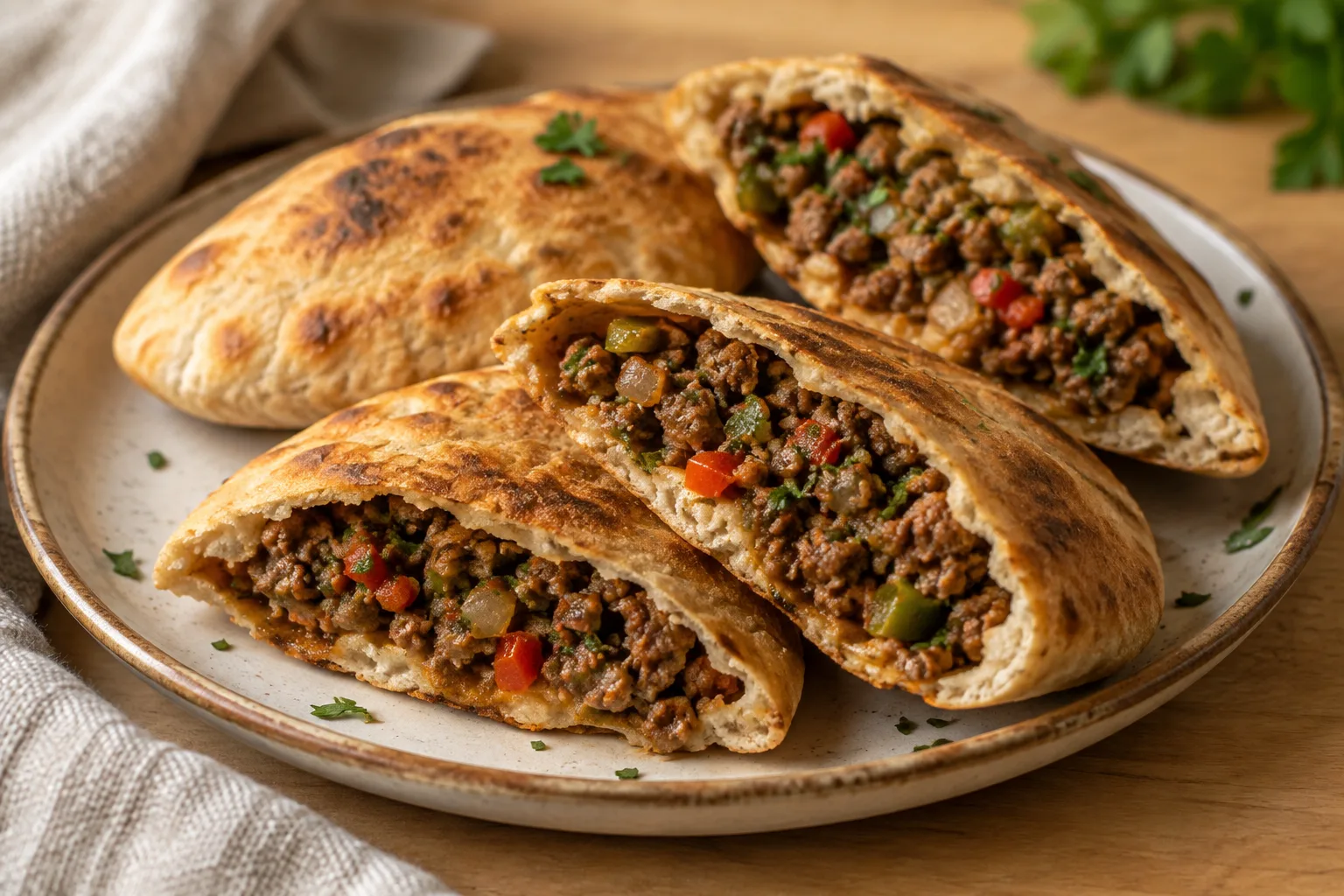
Use ground beef when you want meat to blend easily into a sauce, stew, or filling, or when you need a mixture that can be shaped into portions. It is commonly used for burgers and meatballs, and can also go into pasta sauce, empanada fillings, tacos, or dishes served with rice. Choose the form to suit the dish: loose-cooked meat works well in sauces and mixtures, while shaped portions are useful for individual servings.
How to use it
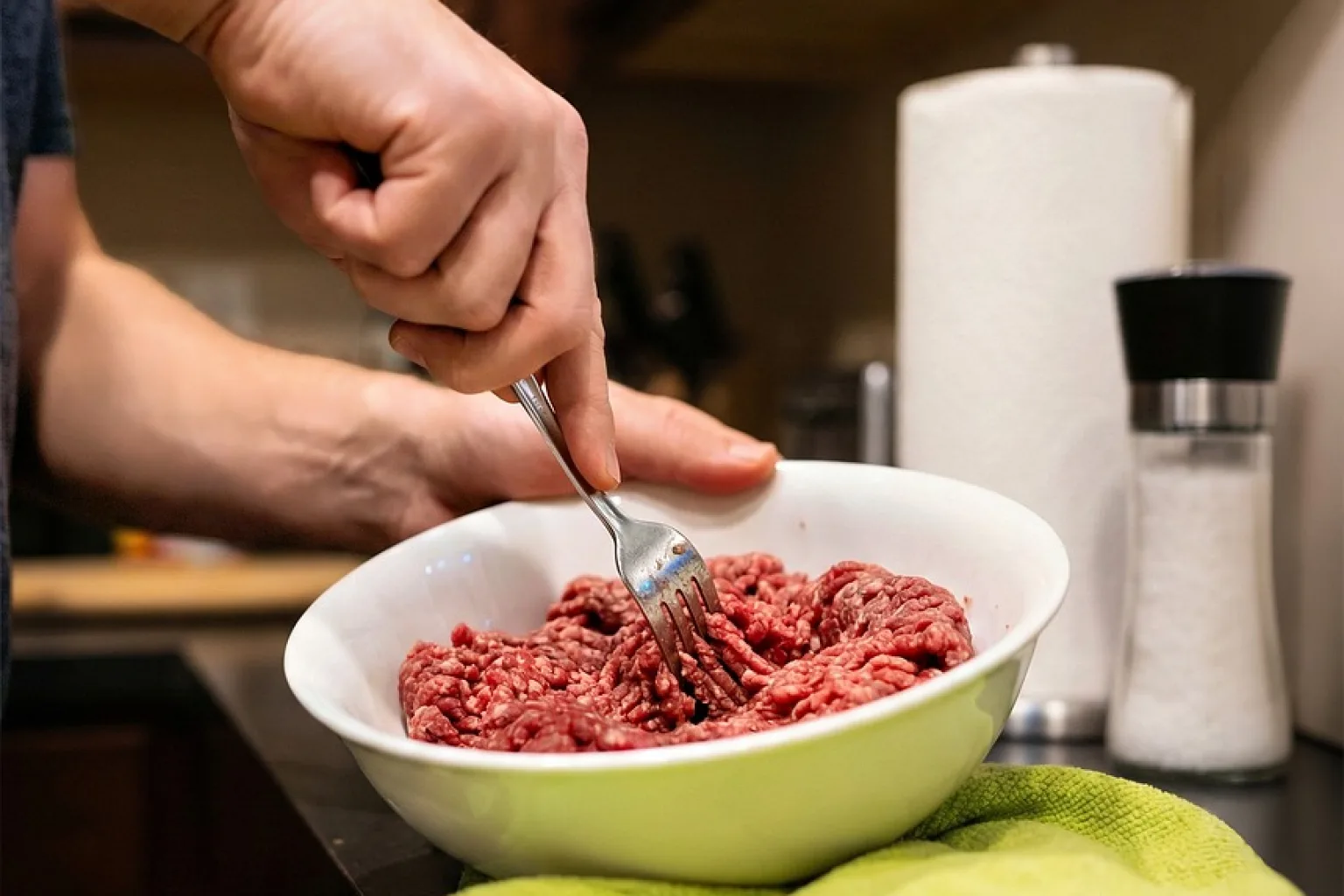
Prepare the other ingredients first and work with clean hands, tools, and surfaces. Season and mix the beef if your recipe calls for it; cook it loose in a pan, or shape it into burgers and meatballs. For a loose preparation, break the meat apart as it cooks and combine it with ingredients such as onion, garlic, or tomato. It can also be used in stews and fillings. Keep raw meat and its juices away from ready-to-eat foods, and clean surfaces and utensils thoroughly after handling it.
Flavour and texture
Ground beef has a savory, meaty flavor, which can vary with the cut and fat proportion; products are not all alike. Raw, it can be shaped or separated easily. Once cooked loose, it forms small pieces; when shaped into burgers or meatballs, it keeps a more compact structure. Fat affects juiciness and the finished result, so do not assume that every package will cook or taste the same.
How to choose it
Check that the package clearly identifies the product as beef and that its packaging is intact. Color can change over time and is not, by itself, enough to determine quality; consult a consumer guide to fresh ground beef color if you are unsure. Fat proportion and the type of beef can vary between products, so choose with your intended preparation and the package information in mind.
Storage
Follow the package directions and keep the beef refrigerated until use; the supplied preservation guidance recommends that meat intended for preserving has been kept refrigerated. Handle it promptly and carefully because grinding increases exposed surface area. For freezing, use an appropriate preservation method and do not assume a storage duration without reliable product-specific guidance. Home-canned meat requires a pressure canner and a validated process; do not can it in a boiling-water bath.
Substitutions
Ground pork, lamb, or poultry can replace ground beef in preparations that allow other meats, including some stews and fillings. The change can affect flavor, texture, and cooking behavior, so adjust seasoning and follow suitable cooking guidance for the chosen meat. Do not assume that these substitutes are interchangeable in every recipe.
Common mistakes
Do not handle ground beef as if it were a whole cut: it has more exposed surface and needs careful handling. Avoid using the same board or utensil for raw meat and ready-to-eat foods without cleaning it. Another common assumption is that every ground-beef product has the same fat level, flavor, or color. For home canning, do not replace pressure canning with a boiling-water bath.
Safety and allergens
Keep the beef refrigerated, wash your hands, and clean boards, utensils, and work surfaces after handling it raw. Prevent cross-contamination and cook it thoroughly, following official food-safety guidance; no specific temperature is given here because the supplied sources do not provide one. For home canning meat, use only a validated pressure-canning process.
Culinary uses
- base for burgers and meatballs
- ingredient for sauces, stews, and fillings
Recommended techniques
- brown in a pan
- shape into patties or meatballs
Pairs well with
- tomato and pasta
- rice and vegetables
- onion, garlic, and herbs
Frequently asked questions
What dishes can I make with ground beef?
Cook it loose for sauces, stews, and fillings, or shape it into burgers and meatballs.
Can I replace ground beef with another ground meat?
Yes. The supplied material names pork, lamb, and poultry as possible alternatives, though flavor and results can change.
Can I home-can ground beef in a boiling-water bath?
No. The cited extension sources classify meat as low-acid and require a validated pressure-canning process.
Estimated nutrition
- Fat
- 9.82 g
- Saturates
- 4.02 g
- Carbohydrate
- 0 g
- Sugars
- 0 g
- Fibre
- 0 g
- Protein
- 19.6 g
- Salt
- 0.17 g
Sources and review
Automatically researched, cross-checked and validated content. Sources consulted:
- The Essential Glossary of Cooking Terms for the Culinary Arts - Escoffier escoffier.edu
- Carne picada - Wikipedia, la enciclopedia libre es.wikipedia.org
- Nutrition After Your Transplant - Health Online healthonline.washington.edu
- Agricultura revista agropecuaria, ISSN: 0002-1334 mapa.gob.es
- Vamos a Conservar Alimentos: Carnes extension.psu.edu
- Consumer Preparation and Preservation - KSRE Bookstore bookstore.ksre.ksu.edu
- Elaboración de Conservas a Presión (Pressure Canning) | VCE Publications | Virginia Tech pubs.ext.vt.edu
- Carne Molida con Vegetales [Video+Receta] cocinadominicana.com
- - YouTube youtube.com
- 7 usos y preparaciones con carne molida lanacional.co
- Comidas fáciles que se pueden hacer con carne molida saposyprincesas.elmundo.es