- Category
- Herbs and spices
- State
- Powdered
- Usual unit
- tablespoon
What it is
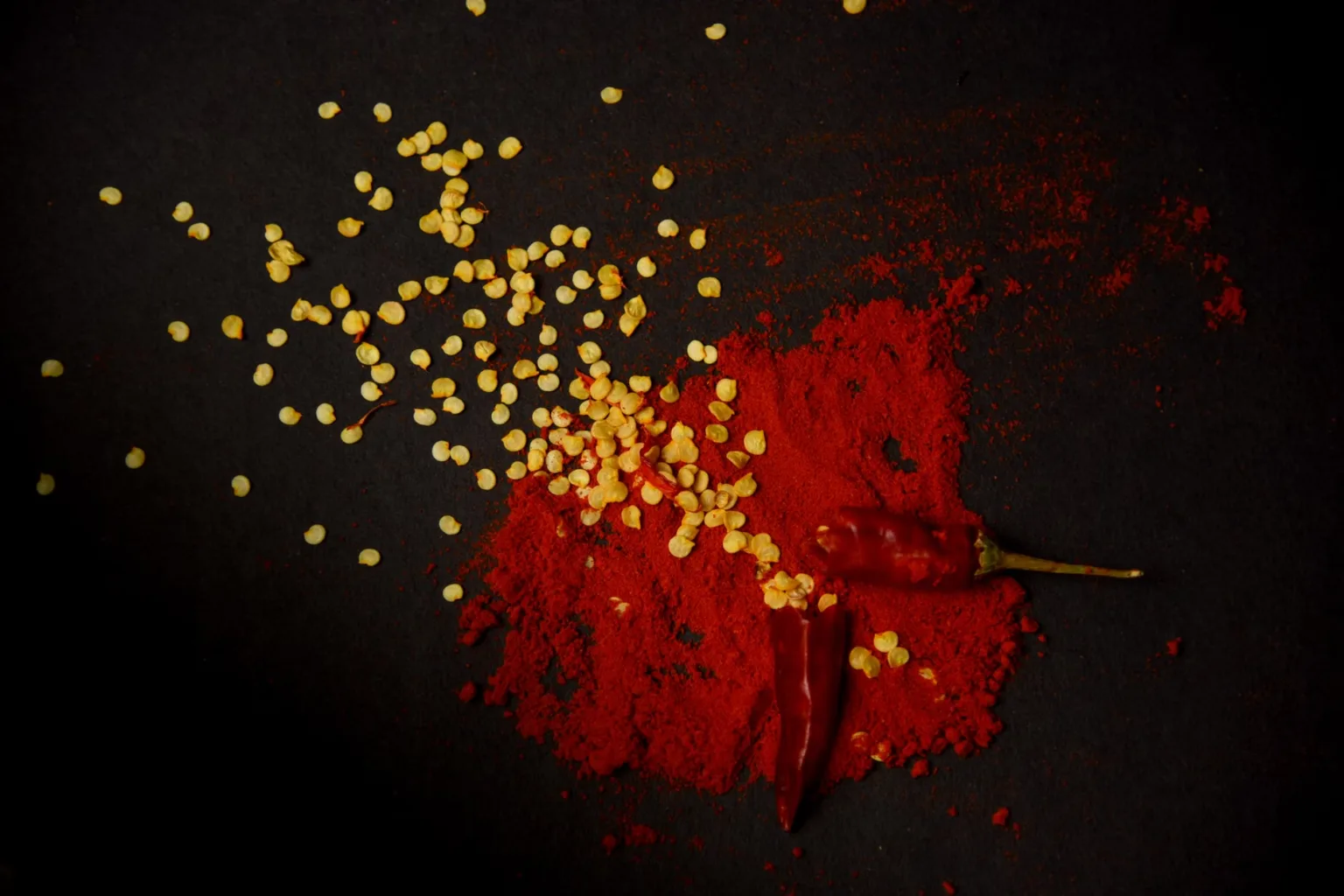
Ground chili is a seasoning made from dried chile peppers that have been ground. The name can cover different products: the pepper variety, grind size and heat level may vary by product or brand. Some versions are coarser and may show bits of skin or seeds; others are more finely ground. Do not assume every product tastes the same or that its name tells you exactly how hot it will be. It should also not automatically be confused with a chili powder blend that contains other spices. In savory cooking, it is used in modest amounts to add chile heat, red color and a spiced background flavor.
When to use it
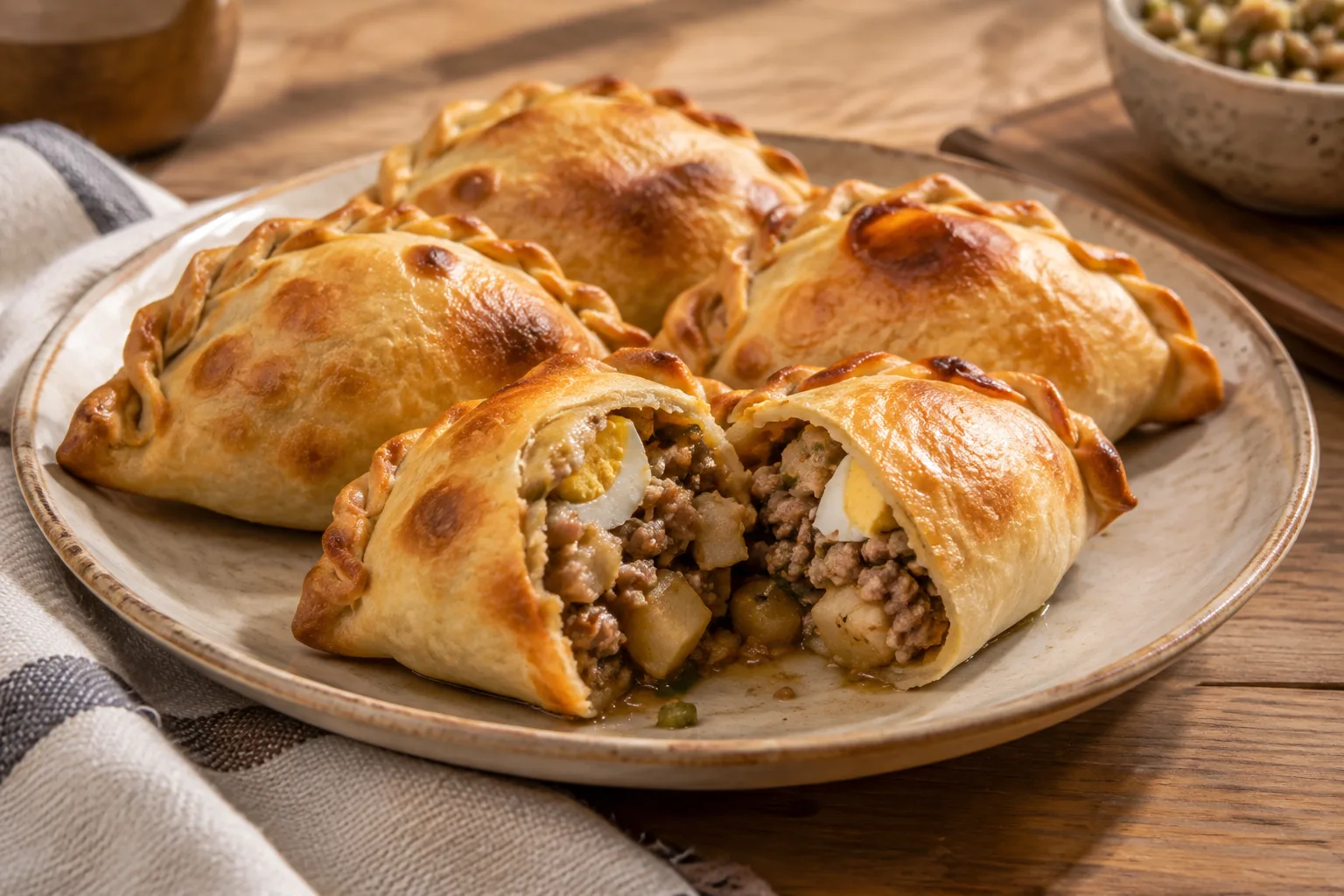
Use it when you want chile warmth and a reddish accent without relying only on a hot sauce. It can season empanada fillings, stews, locro and sauces, or be mixed with oil and lemon for a marinade. Since pepper type and heat can vary, begin with a small amount and taste before adding more. In a cooked dish, the flavor and perceived heat may grow more pronounced as cooking continues, so adjust the seasoning to suit the result you want.
How to use it
Start with a small amount and mix it thoroughly with the other ingredients so its flavor is evenly distributed. Add ground chili to a sauté or oil-based seasoning mixture, stir it into a filling, or let it become part of a stew or sauce as it cooks. Pair it with paprika, cumin, oregano or garlic for a more layered flavor. For a marinade, mix it with oil and lemon and spread the mixture evenly over the ingredients. Taste before increasing the amount: products can differ in heat, and the perceived heat may become stronger during cooking.
Flavour and texture
Its flavor depends on the chile pepper, drying and grind. It can add heat, a savory spiced note and visible red color, but its intensity is not the same in every product. A coarser grind may leave noticeable bits, while fine powder blends more readily into a dish. Do not assume it will taste smoky, sweet or especially hot without checking the specific product.
How to choose it
Read the full product name and ingredient list: “ground chili” does not always identify a particular pepper variety or a standardized blend. Choose according to the grind and heat you want, and check whether the package names the pepper or lists additional seasonings. For consistent results in a recipe, look for clear product details and use the same brand or variety when practical. Appearance alone cannot reliably tell you how hot it will be.
Storage
Keep ground chili in a tightly closed container in a cool, dry place, away from heat, direct light and moisture. Store it away from rising steam and use a dry spoon so moisture does not get into the container. Dry ground spices can lose aroma and flavor over time even when there are no obvious signs of spoilage; follow the product label and replace it if its aroma or flavor is no longer satisfactory.
Substitutions
Cayenne pepper can stand in when you want heat, but add it gradually because its intensity may differ. Paprika can provide color and a milder pepper flavor, though it may not reproduce ground chili’s heat or texture. No substitute is guaranteed to match its profile, so taste and adjust the amount for the dish.
Common mistakes
A common mistake is assuming every ground chili has the same heat, grind or flavor. It is also easy to add too much before tasting, or to mistake it for a chili powder blend containing other spices. Start with a little, read the package and remember that cooking can make the perceived heat more pronounced.
Safety and allergens
The supplied evidence does not identify a specific safety warning for this product. Check the label, since pepper type, heat and ingredients can vary. Handle it carefully and avoid touching your eyes after use.
Culinary uses
- Adds chile heat and a visible red accent
- Builds a spicy, savory background in fillings, stews and sauces
Recommended techniques
- Stir into a sauté or oil-based seasoning mixture
- Mix into marinades, or add to a dish during cooking
Pairs well with
- Paprika and cumin
- Oregano and garlic
Frequently asked questions
Does ground chili always have the same heat?
No. Pepper varieties and products can differ, so heat is not consistent. Start with a small amount and adjust after tasting.
Is ground chili the same as chili powder?
Not necessarily. Ground chili may be ground chile pepper, while some products called chili powder are blends with other spices. Check the ingredients.
How should I store ground chili?
Keep it in a closed container in a cool, dry place, away from heat and moisture. Ground spices can lose aroma and flavor over time.
Sources and review
Automatically researched, cross-checked and validated content. Sources consulted:
- The Essential Glossary of Cooking Terms for the Culinary Arts - Escoffier escoffier.edu
- FSHN13-03s/FS264: De compras para la salud: Las hierbas y las especias ask.ifas.ufl.edu
- Sabores de nuestras tierras/recetas - 2024 | Agricultura y Recursos Naturales ucanr.edu
- Vamos a Conservar Alimentos: Tomates extension.psu.edu
- How to Make Chili Powder from Spices • southernwv.edu staging.southernwv.edu
- Ají Amarillo: Origen, Propiedades y Usos en la Gastronomía Peruana | El Brujo elbrujo.pe
- Comparative Perspectives on the Archaeology of Coastal ... sites.pitt.edu
- Representaciones del capital cultural en Cocina ecléctica via.library.depaul.edu
- Bibliography of Latin American agricultural production and ... digitalcommons.usu.edu
- Ají molido: qué es, cuánto pica y para qué se usa | Especias 51 especias51.com.ar
- Ají - Wikipedia, la enciclopedia libre es.wikipedia.org
- qué es el ají molido - Achat en ligne | Aliexpress es.aliexpress.com