- Category
- Herbs and spices
- State
- Powdered
- Usual unit
- teaspoon
What it is
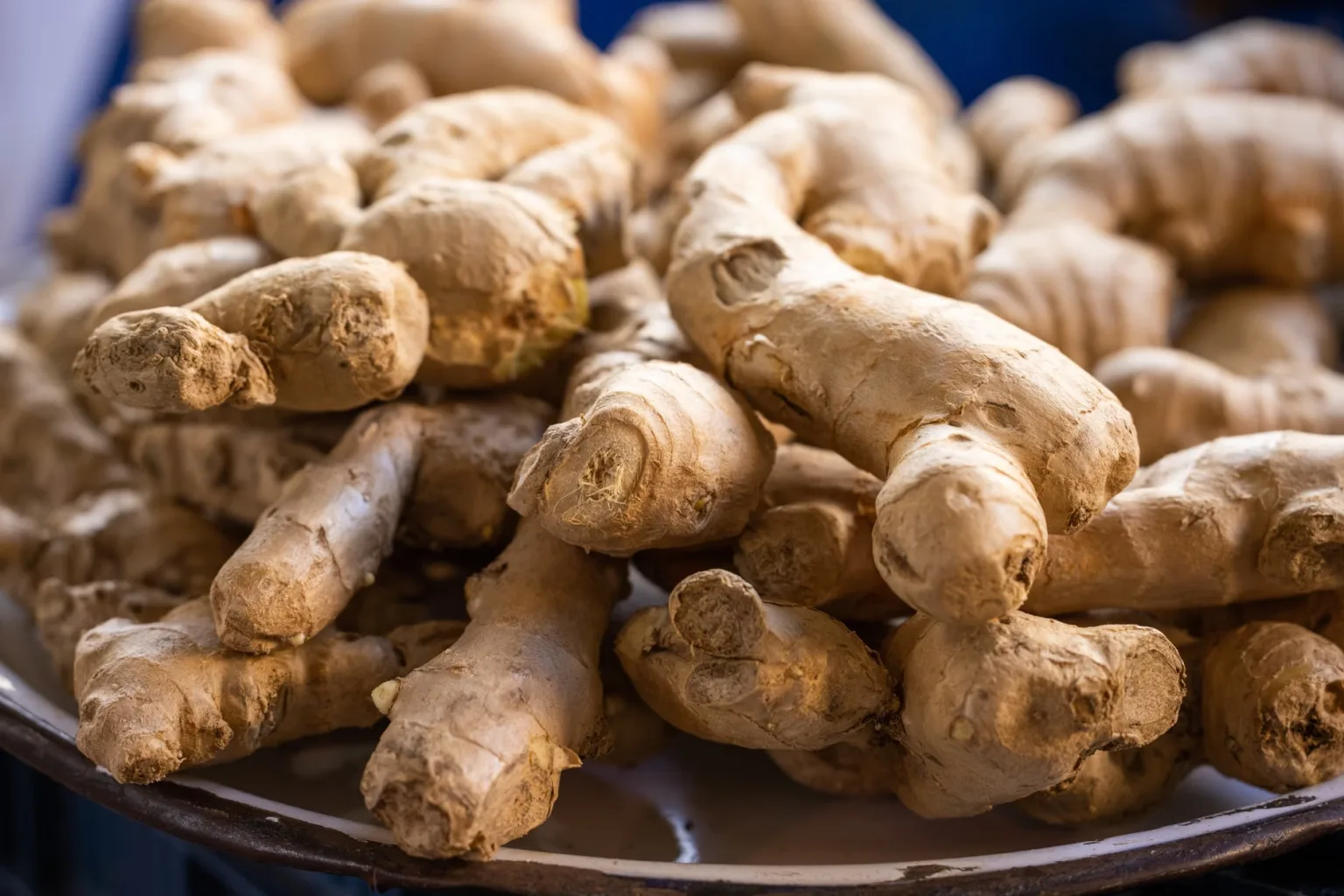
Ground ginger is ginger reduced to a fine or very fine powder. It comes from the edible underground part of the plant, known as the rhizome, and is used as a spice. Compared with fresh ginger, it is a dry, ground form that is easy to measure and distribute through doughs, spice mixtures, and liquids. Its aroma and flavor are distinctive, warm, and peppery; strength can vary among products, so begin with a small amount and taste. It is not the same as freshly grated ginger or pickled ginger: each form has a different texture and culinary use.
When to use it
Choose ground ginger when you want its flavor dispersed evenly and do not need pieces of rhizome in the finished dish. It works especially well in spiced breads, cookies, cakes, and other batters, and can also add character to stews, stir-fries, and sauces. One stir-fry recipe combines ground ginger with soy sauce, vegetables, and a thickened sauce; another uses it with garlic in beef noodles. Choose fresh ginger when you want a moist texture or a result closer to freshly grated ginger.
How to use it
Measure a small amount and combine it with the dry ingredients in a batter or with the spices before mixing them into the rest of the recipe. For sauces and stir-fries, disperse it through the sauce mixture or add it to the dish as it cooks, stirring to avoid clumps and spread the flavor. Taste and adjust gradually: too much ground ginger can dominate a dish. The right amount depends on the recipe and the product. As specific examples, one noodle recipe uses a quarter teaspoon of ground ginger in six cups, while a vegetable recipe uses half a teaspoon. These are not universal conversions or required measures.
Flavour and texture
Ground ginger has a warm, peppery, spicy flavor and a recognizable aroma. It is dry and finely milled, so it blends easily into batters, sauces, and spice mixtures; it does not provide the moist pieces or juiciness of fresh rhizome. Its profile can differ from fresh ginger, so do not expect the two forms to produce exactly the same flavor or texture.
How to choose it
Check that the package clearly identifies the product as ground ginger and review its ingredient list and allergen information. If buying in bulk, ask what ingredient and allergen information the seller can provide. Choose a product with intact packaging and follow any use or storage directions on its label.
Storage
Follow the package’s storage directions and keep it closed between uses to protect the powder from moisture and surrounding odors. Ground ginger is a dry spice; the product’s specific shelf life depends on its labeling and how it has been stored. Do not apply storage periods for fresh ginger to the powder: they are different forms.
Substitutions
Freshly grated or chopped ginger can replace ground ginger, but the result will differ in moisture, texture, and flavor profile. Adjust gradually and taste rather than assuming a fixed conversion. Ginger paste is another possible alternative, but it adds moisture and may contain other ingredients; check its label and adapt the recipe.
Common mistakes
Adding too much at once can make ginger overpower the dish. Another mistake is expecting ground ginger to provide the moist texture of fresh ginger or substituting it by a universal ratio: conversion depends on the recipe. Mix it thoroughly to avoid pockets of powder, and check the label if the product contains other ingredients.
Safety and allergens
Read the label for ingredients, declared allergens, and any storage or use directions. If you have an allergy or intolerance, check the specific product information before eating it.
Culinary uses
- Especia aromática para preparaciones dulces y saladas
- Condimento para aportar un sabor cálido y picante
Recommended techniques
- Incorporar a masas y mezclas secas de repostería
- Mezclar en salsas o añadir a guisos y salteados
Pairs well with
- Salsa de soja y verduras
- Ajo y carne de res
- Canela y otras especias de repostería
Frequently asked questions
Is ground ginger the same as fresh ginger?
No. Ground ginger is dried and powdered; fresh ginger contains moisture and has a different texture. They have related flavors, but are not interchangeable without adjusting the recipe.
What dishes can I use ground ginger in?
It is used in sweet baking such as spiced breads and cookies, and also in stews, stir-fries, noodles, and sauces. Add it gradually and taste.
How do I substitute fresh ginger for ground ginger?
You can use freshly grated or chopped ginger, but do not assume a universal conversion. Adjust to the recipe and remember that fresh ginger adds moisture and texture.
Estimated nutrition
- Fat
- 4.24 g
- Saturates
- 2.6 g
- Carbohydrate
- 71.6 g
- Sugars
- 3.39 g
- Fibre
- 14.1 g
- Protein
- 8.98 g
- Salt
- 0.07 g
Sources and review
Automatically researched, cross-checked and validated content. Sources consulted:
- En el etiquetado alimentario hay algunas menciones que son obligatorias eletiquetadocuentamucho.aesan.gob.es
- ➮ Distribución y Consumo SEPTIEMBRE-OCTUBRE 2005 133 mapa.gob.es
- Jengibre en Polvo doi.org
- El jengibre: beneficios y contraindicaciones de su consumo - FOM ortegaygasset.edu
- Ingredientes: Porciones: 8 4 pulgadas, Jengibre pelado, picado grueso myllu.llu.edu
- La textura de los rizomas de jengibre es firme, nudosa y áspera. Dependiendo aggie-horticulture.tamu.edu
- Fideos Ramen con Ajo, Jengibre y Carne de Res extension.oregonstate.edu
- (PPT) Informe-Jengibre academia.edu
- Storing Fresh Ginger • AnswerLine • Iowa State University Extension and Outreach blogs.extension.iastate.edu
- Salteado de verduras | Extension extension.unh.edu
- FSHN18-7/FS310: Alimentos en puré: Postres de lenteja ask.ifas.ufl.edu
- Zingiber officinale - Wikipedia, la enciclopedia libre es.wikipedia.org
- Jengibre en polvo: ¿en qué preparaciones usarlo? | LÉKUÉ lekue.com
- Jengibre en Polvo | Compra, Usos, Recetas - David Vanille davidvanille.es
- ¿Qué es el jengibre y cómo se usa en la cocina? cocinista.es
- Jengibre en polvo - Slow Shop granel slowshopgranel.es