- Category
- Herbs and spices
- State
- Powdered
- Usual unit
- teaspoon
What it is
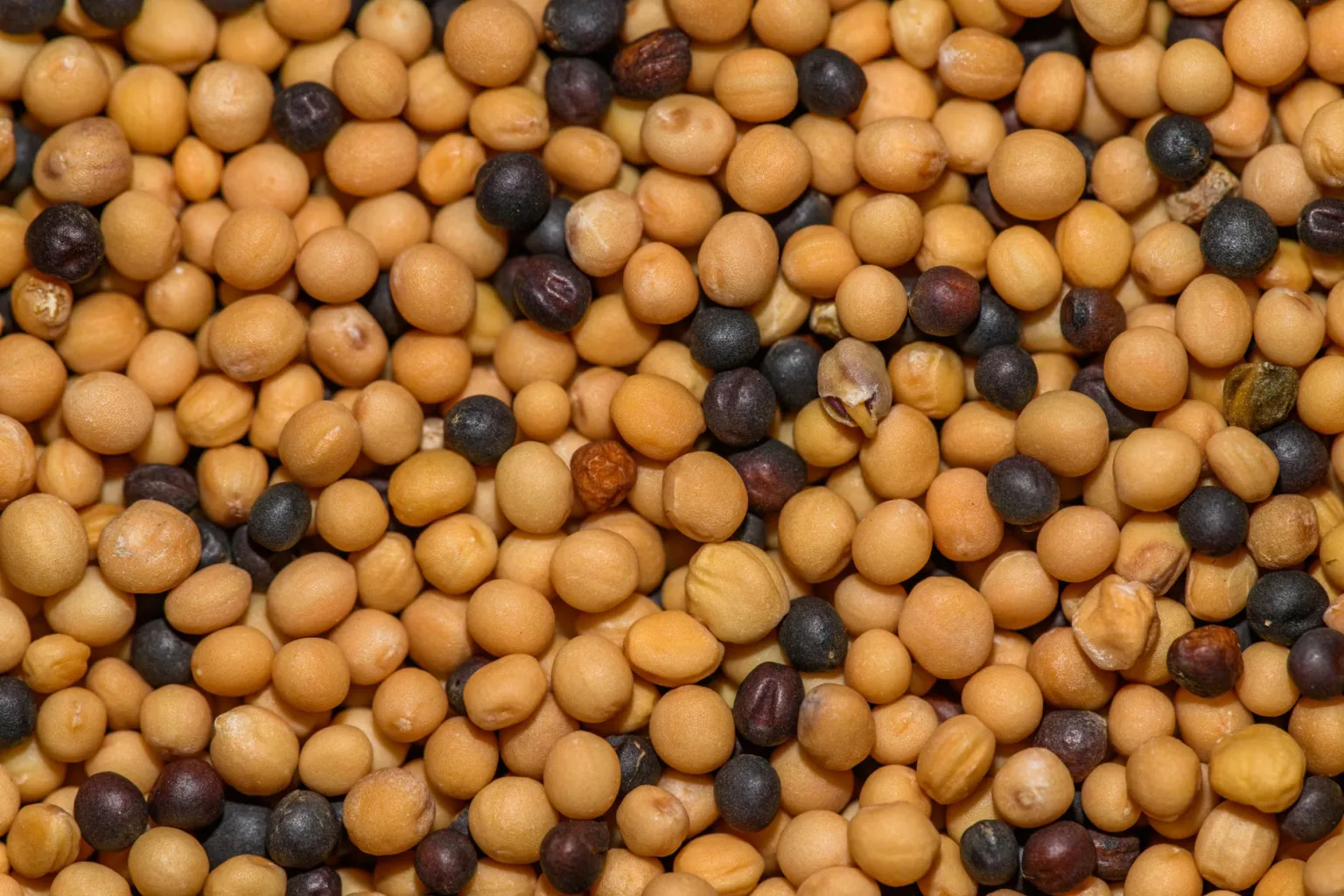
Ground mustard is the powder produced by crushing mustard seeds. It is sold as a dry spice and is not the same as prepared mustard in a jar, which combines ground seeds with liquids and may contain salt or other seasonings. Dry powder does not immediately express the same pungency as a moistened mixture: contact with liquid develops the compounds behind its sharp sensation. The result also depends on the seeds and the product, so color and intensity can vary. This concentrated ingredient can season a dish in small amounts or be mixed into a paste when a recipe calls for moist mustard. Check the ingredient list to see whether the product is pure mustard powder or an already seasoned blend.
When to use it
Use it when you want mustard flavor without immediately adding the acidity, salt, or other ingredients that may come with a commercial sauce. It can add character to dressings, sauces, spice blends, marinades, and stews. To emphasize pungency, moisten the powder and add it near the end of cooking, since heat can lessen that sharp sensation. For a milder, more integrated flavor, add it earlier and let it cook. Seeds and commercial blends vary, so taste and adjust rather than assuming every ground mustard has the same intensity.
How to use it
Stir the powder into a dry spice blend or add it gradually to a sauce, mixing thoroughly to prevent clumps. To make a paste, combine it with water or another liquid that suits the recipe and let it moisten before tasting: contact with liquid helps develop pungency. You can also combine it with acidic ingredients such as vinegar or lemon juice when a recipe calls for them, although the result will not be identical to every commercial mustard. In stews and hot sauces, timing matters: adding it near the end better preserves its pungent character, while cooking it from the beginning tends to soften it. Start with a small amount and adjust gradually.
Flavour and texture
Dry powder has a restrained aroma and does not fully express the pungency that can emerge when moistened. Mixed with liquid, it can taste sharp and warm; intensity depends on the seeds and the product. Cooking usually softens that sensation, while a freshly hydrated paste may emphasize it. The dry texture is fine and powdery. Combined with water or another liquid, it becomes a wet mixture that may be smooth or slightly grainy depending on the grind and the proportion of liquid.
How to choose it
Choose a tightly closed package and check that the powder is dry, with no visible moisture. Read the ingredient list to distinguish pure ground mustard from a seasoned blend. Color alone does not indicate pungency, because seeds and formulations vary. If you use it only occasionally, a smaller package may be practical: mustard powder can lose intensity over time. Also check the product label to confirm that its ingredients suit your needs.
Storage
Keep the powder dry in a tightly closed package, protect it from moisture, and use a dry utensil when serving it. Follow the package’s storage directions. The available evidence does not establish a specific shelf life for any particular brand. The powder can lose intensity over time, so avoid keeping an opened package for a long time if you rarely use it. If it appears damp, clumped, or otherwise changed, check the label and do not use it if you are unsure about its condition.
Substitutions
Crushed mustard seeds can replace the powder, but a different grind changes texture and may affect intensity, so adjust gradually. Prepared mustard may work in some sauces, but it adds liquid and may contain vinegar, salt, or other seasonings. Reduce or rebalance those ingredients in the recipe and add the substitute a little at a time. Do not assume powder, whole seeds, and prepared sauce can be exchanged in equal amounts.
Common mistakes
A common mistake is expecting dry powder to taste fully pungent right away: moisture helps develop that sharpness. It is also easy to add too much without tasting, or to cook it from the start when a sharper result is wanted. If you substitute prepared mustard, account for the liquid and seasonings it contributes. Mix thoroughly to prevent clumps and adjust gradually.
Safety and allergens
Read the package label and follow its directions. If you have dietary restrictions or are unsure about the ingredients in a blend, check the ingredient list before using it. The available information does not establish a product-specific safety warning.
Culinary uses
- Dry seasoning for mustard flavor and pungency
- Ingredient for making a mustard paste by mixing with liquid
- Flavoring for sauces, dressings, and stews
Recommended techniques
- Mix into dry spice blends or sauces
- Moisten with water or another recipe-compatible liquid to develop pungency
- Add late in cooking for a sharper result or earlier for a milder one
Pairs well with
- Salad dressings and vegetables
- Sauces, stews, and meat dishes
- Marinades and cheese sauces
Frequently asked questions
Is ground mustard pungent when dry?
Dry powder does not immediately express all of its pungency. Moistening it can develop a sharper sensation, and the intensity also depends on the product.
When should I add it to a stew?
Add it near the end if you want to preserve more pungency. Add it earlier and let it cook if you prefer a milder, more integrated flavor.
Can I substitute prepared mustard?
Sometimes, particularly in sauces, but prepared mustard adds liquid and may contain other seasonings. Add it gradually and rebalance the recipe.
Estimated nutrition
- Fat
- 0 g
- Saturates
- 0 g
- Carbohydrate
- 0 g
- Sugars
- 0 g
- Protein
- 0 g
- Salt
- 0 g
Sources and review
Automatically researched, cross-checked and validated content. Sources consulted:
- REGLAMENTO (UE) No 1169/2011 DEL PARLAMENTO ... eletiquetadocuentamucho.aesan.gob.es
- Client Challenge doi.org
- The Essential Glossary of Cooking Terms for the Culinary Arts - Escoffier escoffier.edu
- La guía definitiva de las mostazas: variedades, usos en cocina y cuáles tienen más azúcar directoalpaladar.com
- revista del - Comité Científico aesan.gob.es
- Dictionary of Health Related Terms: English – Spanish hia.berkeley.edu
- Vamos a Conservar Alimentos: Proceso Rápido para preparar Pepinillos en Vinagre extension.psu.edu
- Mostaza: origen, tipos, propiedades y usos en la cocina bonviveur.com
- Su Propio Cultivo | Servicio de Extensión de OSU extension.oregonstate.edu
- Healthy Eating Plan for Weight Management med.uc.edu
- Seasonal Produce Handouts | UNL Food | Nebraska food.unl.edu
- Evaluación del efecto antimicrobiano natural de un ... bdigital.zamorano.edu
- Safe & Healthy Food Pantries Project - Health & Well-Being health.extension.wisc.edu
- Fresh Produce Recipe Book | Wsu s3.wp.wsu.edu
- Todo sobre la mostaza | Cook for Your Life cookforyourlife.org