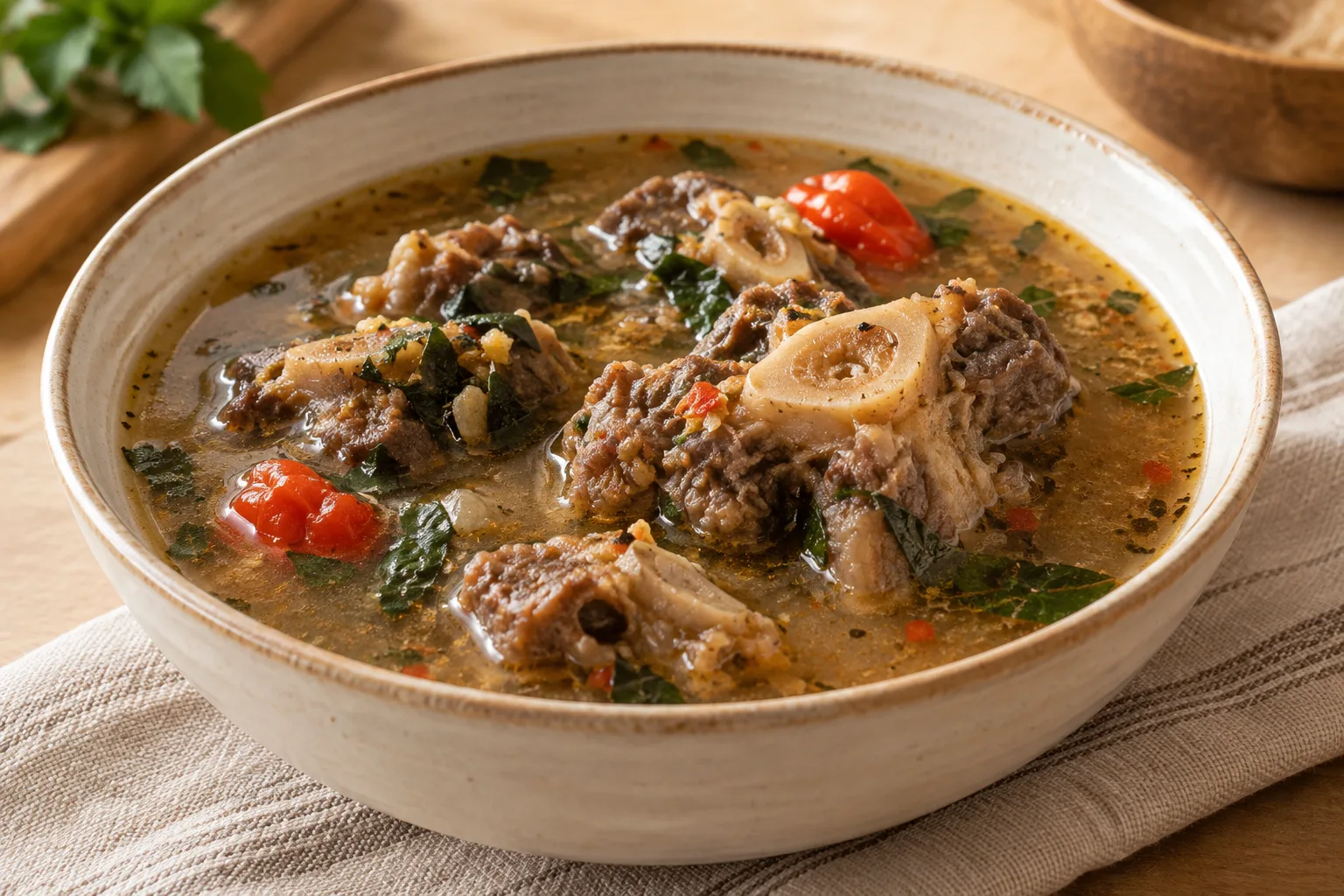
- Category
- Herbs and spices
- State
- Powdered
- Usual unit
- teaspoon
What it is
The supplied name describes the product as ground uziza seeds. The current classification places it among herbs and spices, and the ground form follows from the name; the available sources do not identify uziza or confirm its species, characteristics, culinary use, or commercial form. Texts about mustard, nigella, nutmeg, and egusi concern different ingredients, while the article about seed blends provides no uziza-specific information. This profile can therefore record the supplied name and form, but cannot provide an independent botanical identification or culinary description.
When to use it
There is not enough uziza-specific information to recommend when to use ground uziza: the supplied sources do not confirm its flavor, suitable food pairings, or the stage of cooking at which it should be added. The available articles describe other ingredients, so their recommendations should not be transferred to uziza. Before cooking with a product labeled this way, check that the package clearly identifies its contents and consult a reliable recipe or reference that specifically addresses uziza. If you cannot confirm what the package contains, do not add it to a recipe as though its identity were verified.
How to use it
The available sources do not explain how to prepare or use ground uziza seeds. Consequently, this profile cannot recommend a quantity, heating method, grinding technique, or point of addition. Check that the package clearly identifies uziza and that the product is intended for food use; follow the manufacturer’s instructions if provided. Do not use directions for nigella, mustard, egusi, or generic seed blends as a guide, since they concern different products. For a recipe, look for a reference that explicitly names ground uziza and confirms the particular use. If the identity or instructions are unclear, avoid improvising a technique or substitution.
Flavour and texture
The available sources do not establish the aroma, flavor, heat, color, or texture of ground uziza. Descriptions of nigella, mustard, nutmeg, and egusi apply to those ingredients and should not be attributed to this product. The supplied name indicates only ground seeds; the fineness of the grind and variation among products sold under this name have not been verified.
How to choose it
Look for a package that clearly identifies its contents as ground uziza and states that it is intended for food use. The available sources do not establish ingredient-specific criteria for appearance, aroma, origin, variety, or quality. Check the declared identity, ingredient list, and manufacturer’s instructions. If the name is ambiguous or the contents are unclear, ask the seller rather than assuming it is another spice.
Storage
No verified storage instructions or stability information for ground uziza have been supplied. Follow the package and manufacturer directions, and do not automatically apply recommendations published for other seeds or spices. Keep the product in its identified container and do not use it if the package is damaged or you cannot confirm its contents. No shelf life or specific storage condition is given because the available sources do not support one.
Substitutions
The available sources do not confirm an equivalent substitute for ground uziza. Nigella, mustard, nutmeg, and egusi appear in texts about different ingredients, not as replacements for uziza. Do not swap them automatically: without verified information about uziza’s flavor and function, the effect on a recipe cannot be predicted. If you need a substitute, consult a recipe or culinary source that specifically addresses uziza.
Common mistakes
A mistake would be assigning uziza the properties of another seed or spice simply because it is also sold ground or used as a seasoning. Sources about mustard, nigella, nutmeg, egusi, and generic seed blends do not verify uziza’s identity, flavor, techniques, or equivalents. Do not assume their recommendations apply to this product or derive a quantity from them.
Safety and allergens
The supplied sources do not establish an official uziza-specific warning. As a general precaution, use only a product clearly labeled for food use and follow its package directions; if you cannot confirm its identity or ingredients, ask the manufacturer before using it.
Culinary uses
- El nombre proporcionado identifica el producto como semillas molidas; no se ha verificado un papel culinario específico.
- La ficha se limita a registrar el nombre y la presentación indicados, sin atribuir una función en recetas.
Recommended techniques
- No se ha verificado ninguna técnica culinaria específica para uziza molida.
- No se ha verificado cuándo incorporarla a una preparación.
Pairs well with
- No se han verificado combinaciones culinarias específicas para uziza molida.
- No se recomienda ningún maridaje concreto a partir de las fuentes disponibles.
Frequently asked questions
What are ground uziza seeds?
The supplied name describes them as ground uziza seeds, but the available sources do not verify the ingredient’s identity or provide an independent description.
What do they taste like, and how are they cooked?
The available sources do not confirm their flavor or specific cooking techniques. These should not be inferred from other seeds or spices.
What can I use instead?
No equivalent substitute has been verified. Consult a recipe or culinary reference that specifically addresses uziza before replacing it with another ingredient.
Sources and review
Automatically researched, cross-checked and validated content. Sources consulted:
- ¿Por qué la muerte es origen de miedos y tabúes? doi.org
- Qué es (y qué no es) la estadística, usos y abusos de una disciplina clave en la vida de los países y las personas | Estudios económicos doi.org
- Mostaza: origen, tipos, propiedades y usos en la cocina bonviveur.com
- Semillas de nigella, ajenuz o comino negro: ¿qué es y cómo usar esta especia en la cocina? directoalpaladar.com
- La Nuez Moscada: Origen, Historia, Producción, Usos Y Propiedades - Restaurante Romero restaurante-romero.es
- Nuez de egusi (África Occidental): qué es, origen, propiedades y usos en la cocina africana abc.es
- Mezcla de semillas molidas para añadir a tus comidas | Gastronomía & Cía gastronomiaycia.com
- ¿Cómo modificar la textura de los alimentos? - FMC. Formación Médica Continuada en Atención Primaria fmc.es