- Category
- Sauces and condiments
- State
- Preserved
- Usual unit
- g
What it is
Hoisin sauce is a thick condiment associated especially with Chinese cooking and also used in Vietnamese-inspired dishes. Its flavor commonly combines sweet and savory notes with a strong, spiced background. Many versions are made with fermented soy, sugar, vinegar and garlic; some include chile, spices, wheat or other ingredients. Recipes are not identical across brands, so the product name alone does not establish its ingredients or allergens. Although its name is sometimes translated as “seafood sauce,” hoisin does not necessarily contain seafood; the sources consulted describe versions without it. It is sold ready to use, and its dense consistency helps it cling to food.
When to use it
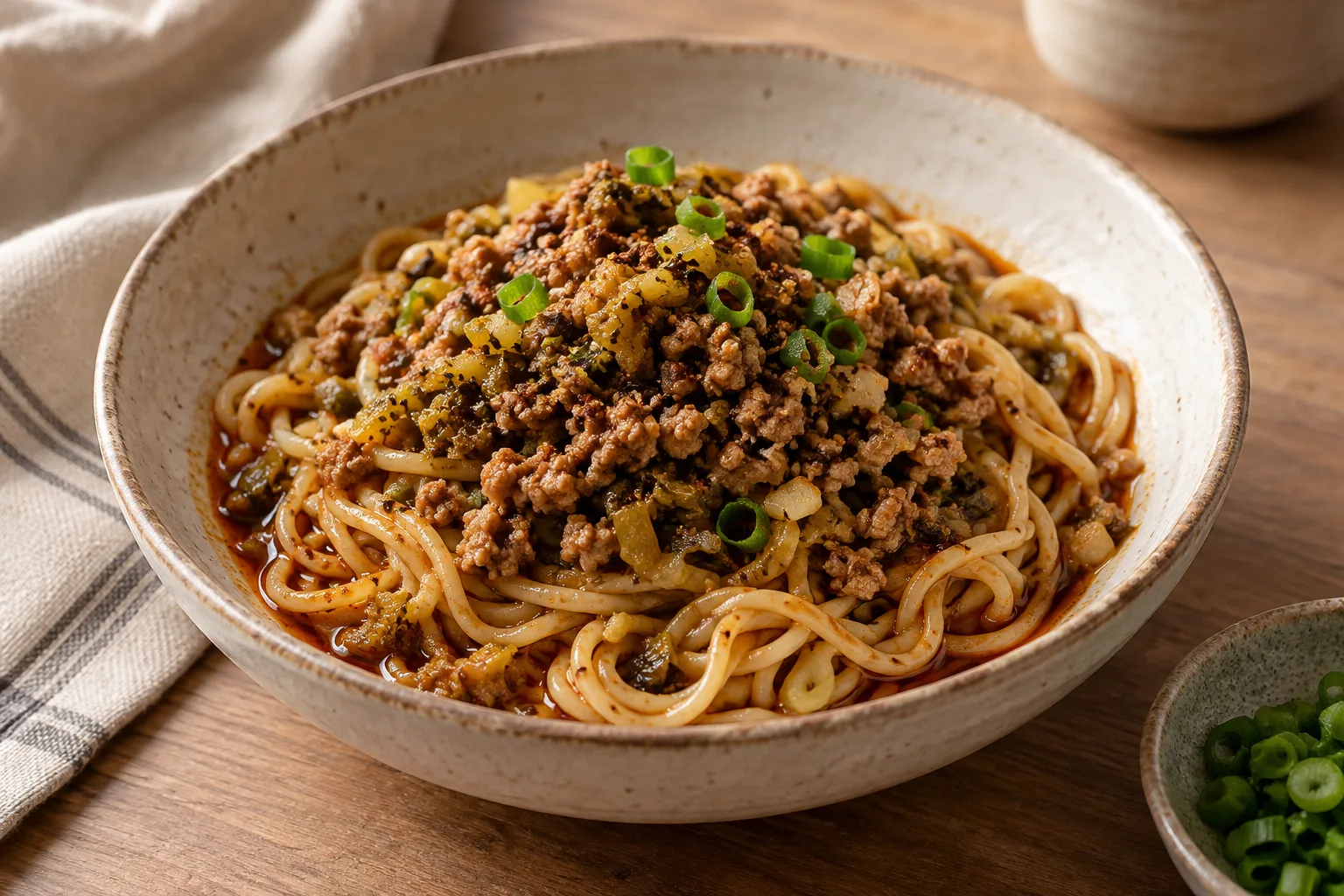
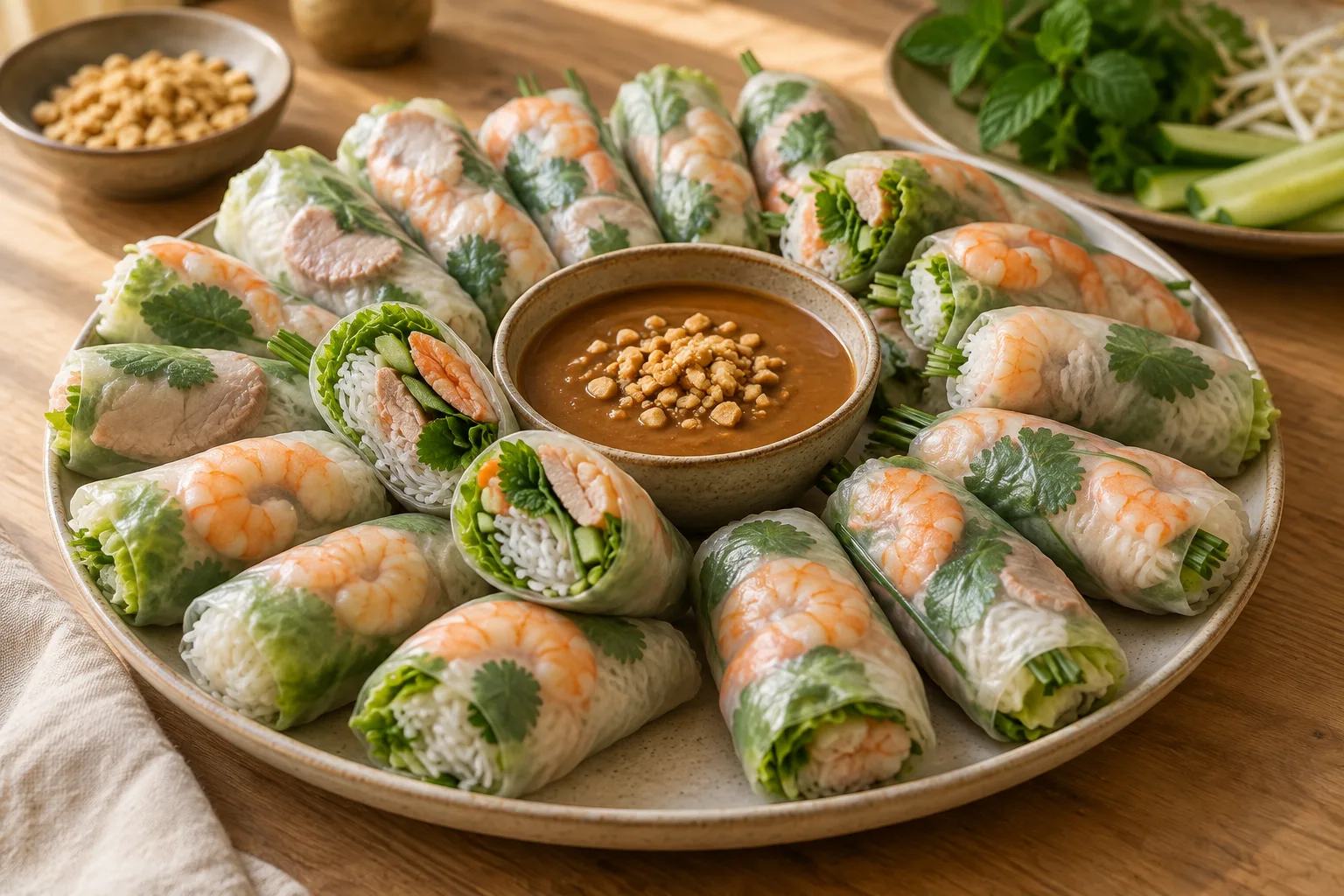
Use hoisin when you want to add a sweet-savory, spiced and deeply flavored accent, especially as a dipping sauce, glaze or part of a marinade. It is commonly served with roast duck, spring rolls and dumplings, and can also season vegetable or noodle stir-fries. For delicate dishes, begin with a small amount and taste before adding more: sweetness, saltiness and spice intensity vary among brands. Do not choose it on the assumption that every version suits a particular diet; check the product label.
How to use it
Serve the sauce in a small bowl for dipping spring rolls, dumplings or other bites. For a glaze or marinade, mix it into the other components and use it with duck, pork or chicken; it can also accompany tofu or vegetables. In a stir-fry, add it as a seasoning and toss to distribute, adjusting the amount to taste and to the other ingredients. To make a sauce less intense or more fluid, you can combine it with other recipe components such as vinegar or soy sauce, bearing in mind that this changes the balance and is not a fixed formula. Because it is dense and assertive, add it gradually and taste the dish before making further adjustments.
Flavour and texture
Hoisin commonly tastes sweet and savory, with an umami background and notes of garlic, vinegar or spices depending on the formula. Its texture is usually thick and smooth, so it clings to food and works well as a dip or glaze. Sweetness, saltiness, heat and spice vary by brand; check the ingredients and taste before adjusting a recipe.
How to choose it
Compare ingredient lists and choose a version suited to your intended use, since commercial recipes vary. Check especially for soy and wheat, and do not assume hoisin is gluten-free or free of other allergens. If you need to avoid an ingredient, verify the information on the specific product package. Packaging and consistency can vary; choose a sauce that is easy for you to portion and use.
Storage
Follow the directions on the package for the brand you buy, as storage instructions can differ. One commercial product listing says to store the unopened product in a cool, dry place and refrigerate it after opening. Close the container securely after each use and check its label for specific instructions; the evidence here does not support a universal opened shelf life.
Substitutions
No identical substitute for hoisin sauce is established in the sources. For a homemade alternative with a similar profile, the recipes consulted combine fermented soy paste, soy sauce, vinegar, garlic, sugar and spices. Dark miso can replace fermented soy paste in one such preparation, but that is not the same as replacing the finished sauce. Taste and adjust, and check the allergens in every ingredient.
Common mistakes
Do not assume every brand has the same ingredients, intensity or allergens, or that the name means it contains seafood. Avoid adding a large amount at once: the flavor can be sweet, salty and spiced together. Do not assume a commercial version is wheat- or gluten-free; check the package and add the sauce gradually while tasting.
Safety and allergens
Check the package for soy, wheat or other ingredients you need to avoid, and follow its storage directions. The available sources do not establish a specific safety warning for hoisin sauce in general.
Culinary uses
- Salsa para mojar
- Glaseado y adobo
- Condimento para salteados y fideos
Recommended techniques
- Servir directamente como salsa de acompañamiento
- Mezclar en marinadas y salsas
- Incorporar a salteados o usar para glasear
Pairs well with
- Pato, cerdo y pollo
- Rollitos, dumplings y otros bocados para mojar
- Verduras salteadas, arroz y fideos
Frequently asked questions
Does hoisin sauce contain seafood?
The name is sometimes translated as “seafood sauce,” but the sources consulted describe hoisin as not containing seafood. Always check the label for the specific product.
Is hoisin sauce always gluten-free?
You cannot assume that. Some commercial formulas contain wheat, and others may differ; check the ingredient list and package information.
How can I use hoisin sauce?
Serve it for dipping, use it as a glaze or marinade for meats, or add it to stir-fries, rice or noodles. Start with a small amount and adjust to taste.
Estimated nutrition
- Fat
- 0 g
- Saturates
- 0 g
- Carbohydrate
- 45.7 g
- Sugars
- 40 g
- Protein
- 0 g
- Salt
- 6.58 g
Sources and review
Automatically researched, cross-checked and validated content. Sources consulted:
- Client Challenge doi.org
- The Essential Glossary of Cooking Terms for the Culinary Arts - Escoffier escoffier.edu
- Recipes — UIC Heritage Garden heritagegarden.uic.edu
- Survival Basics: Food — How to Stock Up and Prepare for Natural Disasters | OSU Extension Service extension.oregonstate.edu
- IBD-AID ALLOWABLE FOODS LIST, BY PHASE umassmed.edu
- Homestyle in a hurry - Roosevelt County Extension Office Home rooseveltextension.nmsu.edu
- A Pocket Guide to Preparing Pulse Foods | NDSU Agriculture ndsu.edu
- Donate to the Pantries | Central Washington University cwu.edu
- ¿Qué es y cómo usar la salsa hoisin? | Recetas Nestlé recetasnestle.com.ar
- Salsa Hoisin: la joya fermentada de la cocina asiática con un toque de vinagre | Vinagrerías Riojanas riojavina.es
- Salsa hoisin - Wikipedia, la enciclopedia libre es.wikipedia.org
- Salsa Hoisin 250 ml - Compra Online | Cocinista.es cocinista.es
- La salsa 'hoisin' y sus numerosas peculiaridades | El Diario Vasco diariovasco.com
- Salsa hoisin: el condimento imprescindible en tu cocina asiática - Japofoodie - Tienda Online de productos japoneses japofoodie.com
- Salsa hoisin casera, cómo hacer la famosa salsa fácilmente bonviveur.com