- Category
- Sauces and condiments
- State
- Liquid
- Usual unit
- ml
What it is
Homemade vegetable stock is the liquid left after vegetables have been cooked in water and the solids have usually been strained out. Some versions include herbs, spices or oil, while others are simpler, so there is no single standard ingredient list. Its flavor is not fixed either: it depends on the vegetables, their proportions, the seasonings and the cooking method. Browning the vegetables before adding water can make the result darker and more pronounced than simply simmering them. Stock is different from a vegetable purée or cream soup, since it is generally strained and remains liquid rather than being thickened by blending the solids.
When to use it
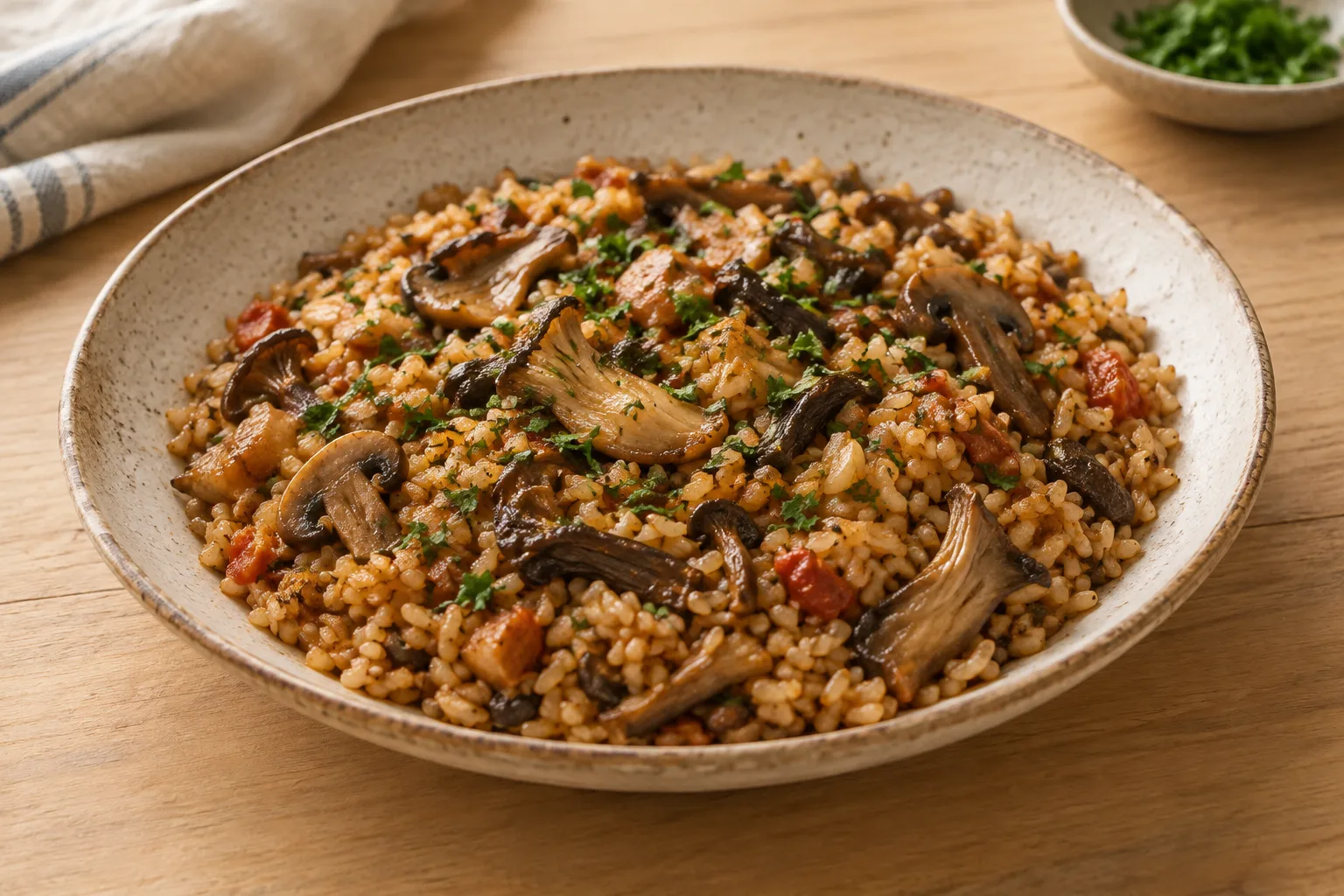
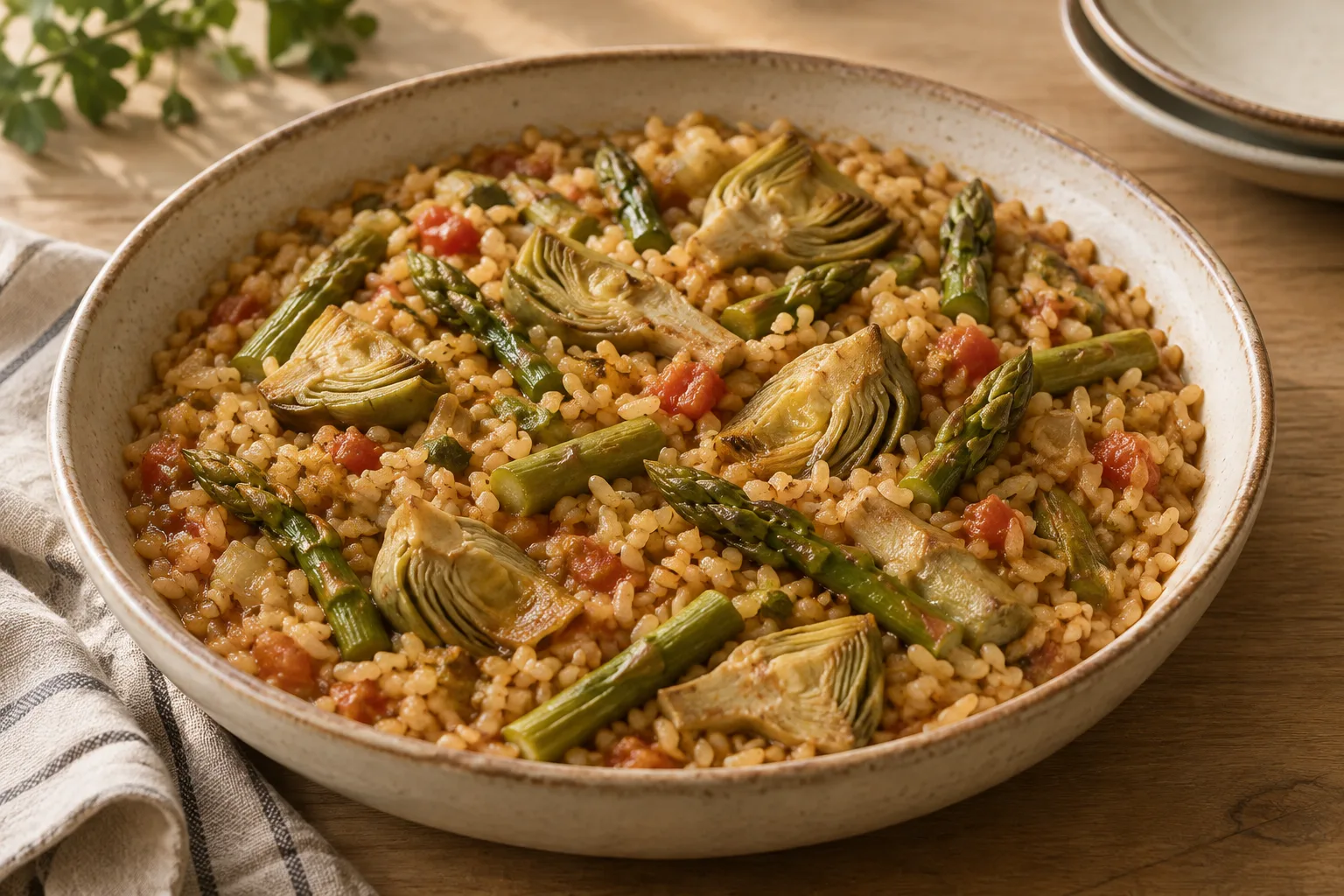
Use it whenever a recipe calls for liquid and you want to add vegetable flavor, such as in soups, vegetable creams, rice dishes, risotto, stews or some sauces. It can also be served on its own as a broth. A light version suits dishes where a subtle base is wanted; stock made with browned vegetables can contribute a deeper flavor. Recipes vary in ingredients and seasoning, so taste the stock before adding salt and consider how its flavor will affect the finished dish.
How to use it
Serve the strained stock as it is, or use it as part of the liquid in a soup, vegetable cream, rice dish, risotto, stew or sauce. In a recipe that calls for water, stock can add flavor, although its strength and saltiness depend on how it was made. Taste before adjusting the recipe's salt, especially if the stock is already seasoned. For a milder result, combine it with water. For a deeper flavor in homemade stock, some recipes brown or sauté the vegetables before covering them with water; simmering the vegetables directly in water is also an option for a lighter style.
Flavour and texture
The flavor can be mild or pronounced, with vegetal, sweet, herbal or toasted notes depending on the ingredients and whether the vegetables were browned. Once strained, the liquid is generally fluid and free of the cooked solids. Its color also varies with the vegetables and method, so there is no single shade that determines how it should taste.
How to choose it
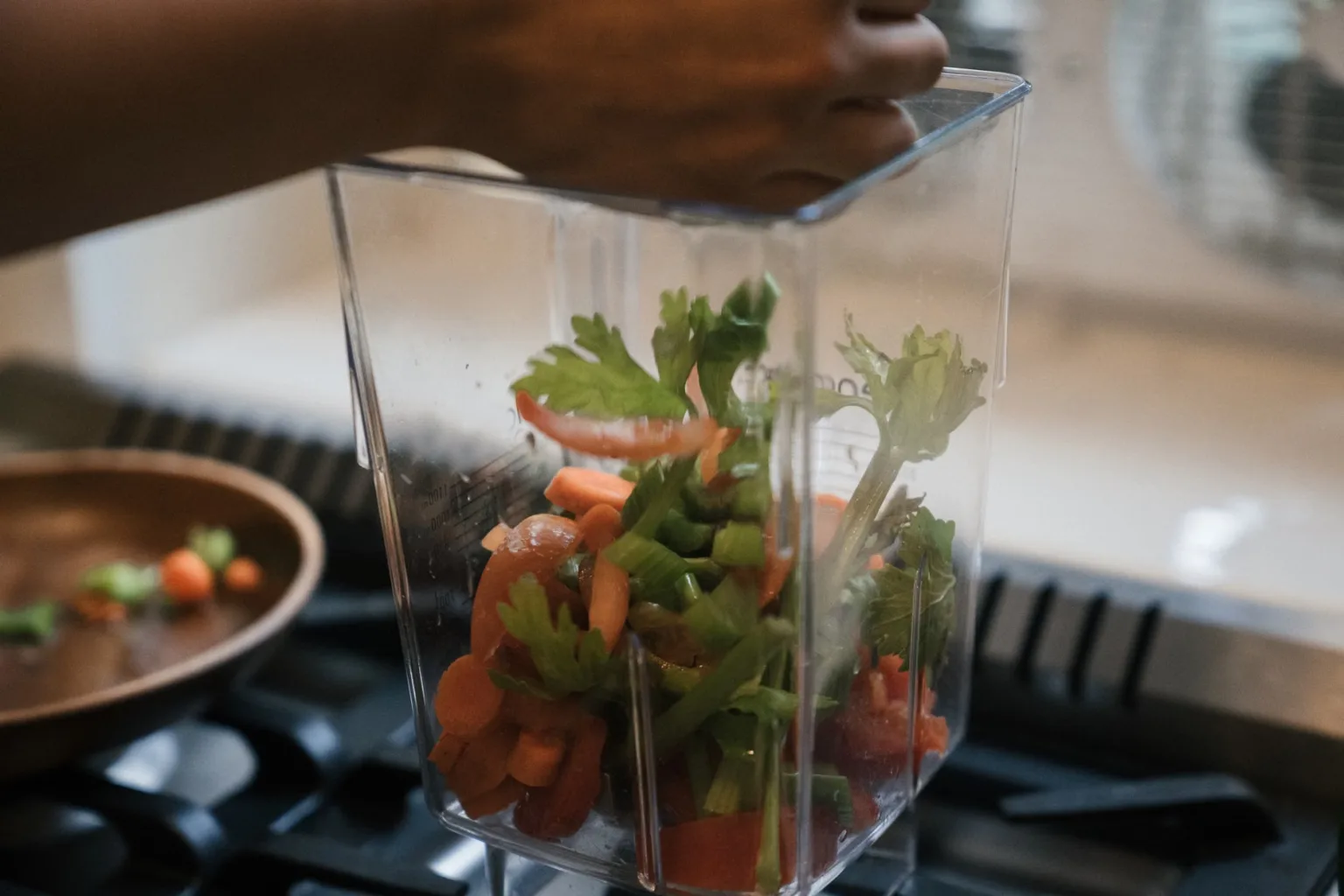
Because this is a homemade preparation, there is no universal recipe or ingredient list. Choose vegetables, herbs and spices to suit the flavor you want; onion, celery and carrot appear together as a simple base in the recipes consulted. If using prepared stock instead, check the label for ingredients, allergens and storage directions, which vary by product.
Storage
Keep the stock in a covered container and refrigerate or freeze it if you are not using it right away. The recipes consulted suggest both options but give different storage periods, so this profile does not set a universal shelf life. Date the preparation and follow applicable official guidance for storing prepared food. When freezing, leave room for the liquid to expand.
Substitutions
Water can replace stock when a milder result is acceptable, but it will contribute less flavor. Prepared vegetable stock can also work; check its ingredients and seasoning because they may differ from homemade stock. Taste the substitute and the dish before adjusting the salt.
Common mistakes
Do not assume every homemade stock has the same flavor or salt level: both depend on the ingredients and method. Avoid adding salt automatically before tasting the stock. Also, do not confuse strained stock with a cream soup; blending the solids changes its texture and consistency.
Safety and allergens
Use ingredients in good condition and refrigerate or freeze the stock if it will not be used soon. Storage needs depend on the preparation and ingredients; follow applicable official guidance and do not infer a safe storage period from this profile.
Culinary uses
- Base líquida para sopas y cremas
- Aporta sabor y humedad a arroces, guisos y salsas
Recommended techniques
- Cocer verduras y hierbas en agua y colar el líquido
- Dorar o saltear las verduras antes de añadir el agua para obtener un sabor más intenso
Pairs well with
- Sopas y cremas de verduras
- Arroces, risottos y guisos
Frequently asked questions
Which vegetables go into homemade vegetable stock?
There is no single formula. Onion, celery and carrot appear as a simple base in some recipes; other vegetables, herbs or spices can be included to suit the intended flavor.
Do the vegetables need to be browned first?
No. Simmering them directly makes a lighter-style stock; browning or sautéing them first can give the stock a darker, more pronounced flavor.
Can vegetable stock be frozen?
The recipes consulted describe both refrigeration and freezing. Use a freezer-safe container and follow applicable official storage guidance; this profile does not give a universal storage period.
Sources and review
Automatically researched, cross-checked and validated content. Sources consulted:
- En el etiquetado alimentario hay algunas menciones que son obligatorias eletiquetadocuentamucho.aesan.gob.es
- ¿Por qué la muerte es origen de miedos y tabúes? doi.org
- Como hacer caldo de verduras: todos los trucos y aplicaciones conasi.eu
- Cómo hacer caldo de verduras casero bonviveur.com
- Verduras para Caldo (1,1kg) disfrutaverdura.com
- Cómo hacer caldo de verduras fácil - Comedera - Recetas, tips y consejos para comer mejor. comedera.com
- Análisis y comparativa de los mejores caldos de verduras preparados: ¡Descubre la opción más sabrosa! guisandocomidaparallevar.es
- Cómo hacer caldo de verduras casero. Receta muy fácil - Recetas de ¡Escándalo! recetasdeescandalo.com
- Caldo de verduras casero con más sabor y más usos pizzahitsadra.es
- Caldo de verduras: una receta y dos trucos para perfeccionarlo | El Comidista | Gastronomía | EL PAÍS elpais.com
- Caldo de verduras, receta fácil y casera paso a paso recetasdecocina.elmundo.es
- Aesan - Agencia Española de Seguridad Alimentaria y Nutrición aesan.gob.es
- Sopa - Wikipedia, la enciclopedia libre es.wikipedia.org
- Receta de caldo de verduras casero: una receta de siempre okdiario.com
- Caldo de Vegetales o Consomé [Video+Receta] - Tia Clara tiaclara.com
- Caldo de verduras casero: Cocina de aprovechamiento | Albal® albal.net
- Cómo hacer caldo de verduras casero bonviveur.es