- Category
- Grains, flour and pasta
- State
- Dry
- Usual unit
- Variable
What it is
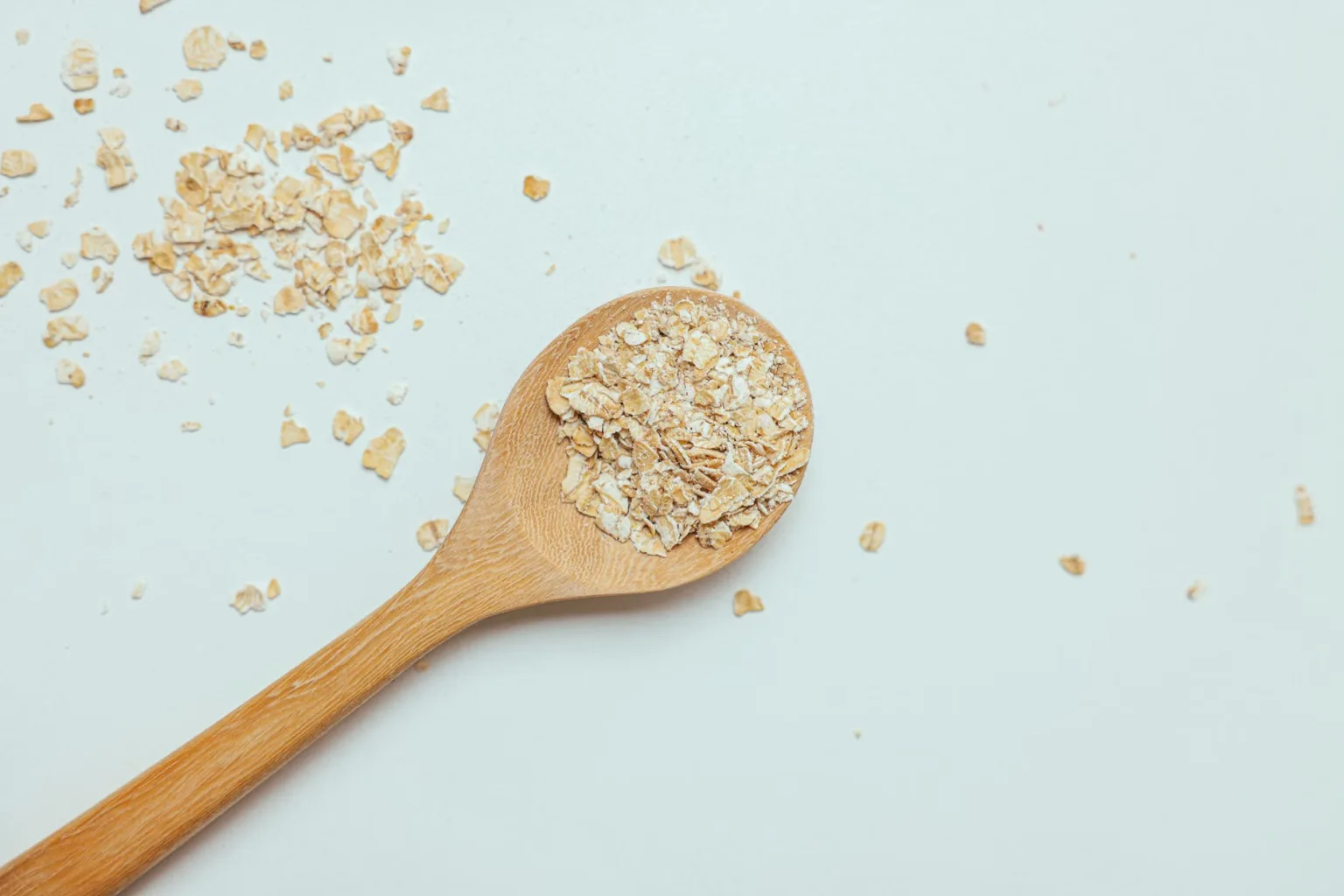
Instant oats are a form of oats processed to reduce the time needed to soften them. Available descriptions say they are commonly precooked and dried before being rolled into fine flakes; some products may also be partly milled. As a result, they hydrate quickly and tend to make a softer, less distinct texture than traditional rolled oats. The name does not guarantee that the product contains oats alone: some commercial versions may include sugar, flavourings or other ingredients. Check the ingredient list to find out what is in the particular pack. Oats are a cereal grain; instant oats should not be confused with oat flour or oat drink, which are different products.
When to use it
Choose instant oats when you want a preparation that softens quickly or a smoother texture rather than flakes with a pronounced bite. They work as a base for porridge and can be added to smoothies, soft cereal preparations, soups or baking mixtures. They may also be used in batters and mixtures for burgers or meatballs, although their fine texture does not always replace that of larger flakes. If a recipe depends on flakes keeping their shape or adding chew, traditional rolled oats are often a better fit.
How to use it
For a hot preparation, combine the oats with hot water or milk and stir until hydrated; the amount of liquid and any resting time depend on the product and the consistency you want, so follow the package directions when available. For porridge, add liquid gradually: fine flakes soften quickly and can become very smooth. You can also add them to smoothies, soft cereal preparations, soups or batters to give them body. In baked recipes, mix them in while remembering that the finished texture may be less rustic than with traditional rolled oats. Pair them with fruit, yoghurt, milk, seeds or spices; for savoury dishes, try vegetables and seasonings. Check the label if you want a product without added ingredients.
Flavour and texture
Texture is the clearest distinguishing feature: fine, precooked flakes hydrate quickly and tend to become soft and smooth. Compared with traditional rolled oats, they provide less of a whole-flake bite and are useful when a creamy preparation or an even mixture is wanted. Perceived flavour can vary by brand and added ingredients; flavoured versions are not the same as a single-ingredient product. If you are choosing by taste and consistency, compare ingredient lists and try a small amount in the recipe first.
How to choose it
Read the ingredient list: instant oats may be sold plain or with sugar, flavourings and other additions. If you want to control sweetness or season them yourself, look for a simple, unflavoured option. Check that the format suits your recipe: fine flakes soften quickly, while traditional rolled oats keep more texture and generally need more cooking. If gluten is a concern, do not assume a pack is suitable just because it is oats; check the specific label and product information.
Storage
The available culinary guidance recommends keeping oat flakes in an airtight container in the refrigerator. Keep the package closed between uses and follow the manufacturer's instructions, since the available evidence does not establish a universal storage life for instant oats. Do not use appearance as a substitute for the package date or directions. If you notice moisture or another change, follow the product's safety guidance and do not eat it if you are unsure.
Substitutions
Traditional rolled oats can replace instant oats in some porridge, smoothies or batters, but they keep more texture and need more cooking. Partially grinding rolled oats may bring the texture closer, but the result will not necessarily be identical: instant oats are commonly precooked and processed differently. Adjust the liquid and check the consistency as you prepare the dish. A swap may change the texture when a recipe specifically calls for instant oats.
Common mistakes
Do not assume every instant-oat product is plain oats: some versions include sugar or flavourings, so check the label. Another common mistake is replacing them with thicker flakes without adjusting the preparation; those flakes keep more bite and need more cooking. Avoid adding all the liquid at once if you want a particular consistency, because fine flakes soften quickly. Do not assume oats are suitable for a gluten-free diet without checking the product labelling.
Safety and allergens
AESAN lists oats among cereals containing gluten. If you need to avoid gluten because of coeliac disease or intolerance, check the product's specific statements and information; do not rely on the ingredient name alone. AESAN states that a gluten-free claim applies to products containing no more than 20 mg/kg gluten, and warns that products labelled very low in gluten may not suit everyone with gluten intolerance. Ask a healthcare professional if you are unsure whether a product is suitable for you.
Culinary uses
- Base rápida para gachas y porridge
- Ingrediente para masas, batidos y preparaciones que se desean espesar
Recommended techniques
- Hidratar con agua o leche caliente
- Añadir a masas y mezclas; ajustar el líquido porque los copos finos se ablandan con rapidez
Pairs well with
- Leche o yogur y fruta
- Semillas, frutos secos, verduras y especias
Frequently asked questions
How are instant oats different from traditional rolled oats?
Instant oats are commonly precooked and rolled more thinly, so they soften faster and become smoother. Traditional rolled oats retain more texture and generally need more cooking.
Can I add instant oats to a smoothie or batter?
Yes. Culinary sources describe using them in smoothies, soft cereal preparations, soups, batters and baked goods. Their fine texture and quick hydration can affect the finished result.
Are instant oats always gluten-free?
Do not assume so. AESAN lists oats among cereals containing gluten; check the specific product label if you need to avoid gluten.
Estimated nutrition
- Fat
- 6.9 g
- Saturates
- 1.35 g
- Carbohydrate
- 69.5 g
- Sugars
- 1.5 g
- Fibre
- 10 g
- Protein
- 11.9 g
- Salt
- 0.55 g
Sources and review
Automatically researched, cross-checked and validated content. Sources consulted:
- Pan - Wikipedia, la enciclopedia libre es.wikipedia.org
- Client Challenge doi.org
- Los alimentos envasados deben indicar la presencia de alérgenos e intolerancias eletiquetadocuentamucho.aesan.gob.es
- Avena, tipos y beneficios del cereal saludable para tu cocina hogarmania.com
- Tipos de avena: ¿qué usos tiene cada uno de ellos? -canalHOGAR hogar.mapfre.es
- Explorando Tipos de Avena: Características y Beneficios mandolina.co
- Diferencia entre avena instantánea y avena normal: comparativa completa | CocinaDelirante cocinadelirante.com
- Cuál es la diferencia entre la avena instantánea y la tradicional - Infobae infobae.com
- Comparativa de Avena Instantánea: ¿El Suplemento Nutricional Ideal para Tu Salud? daliaramos.es
- Avena tradicional o instantánea - yocomofeliz yocomofeliz.com
- Avena: instantánea, tradicional o arrollada - Gastronomía - ABC Color abc.com.py
- ¿Cuál es la diferencia entre la avena gruesa, la tradicional y la instantánea? | Distribuidora Pepino distribuidorapepino.com.ar
- 🏅▷ Cómo cocinar cualquier tipo de avena: la guía definitiva 7 pasos fáciles para disfrutarla cocinarrecetasdepostres.net
- Recetas con avena instantánea: rápidas y deliciosas cookpad.com
- Receta de Avena instantánea recetassabrosas.com