- Category
- Oils and fats
- State
- Other
- Usual unit
- cup
What it is
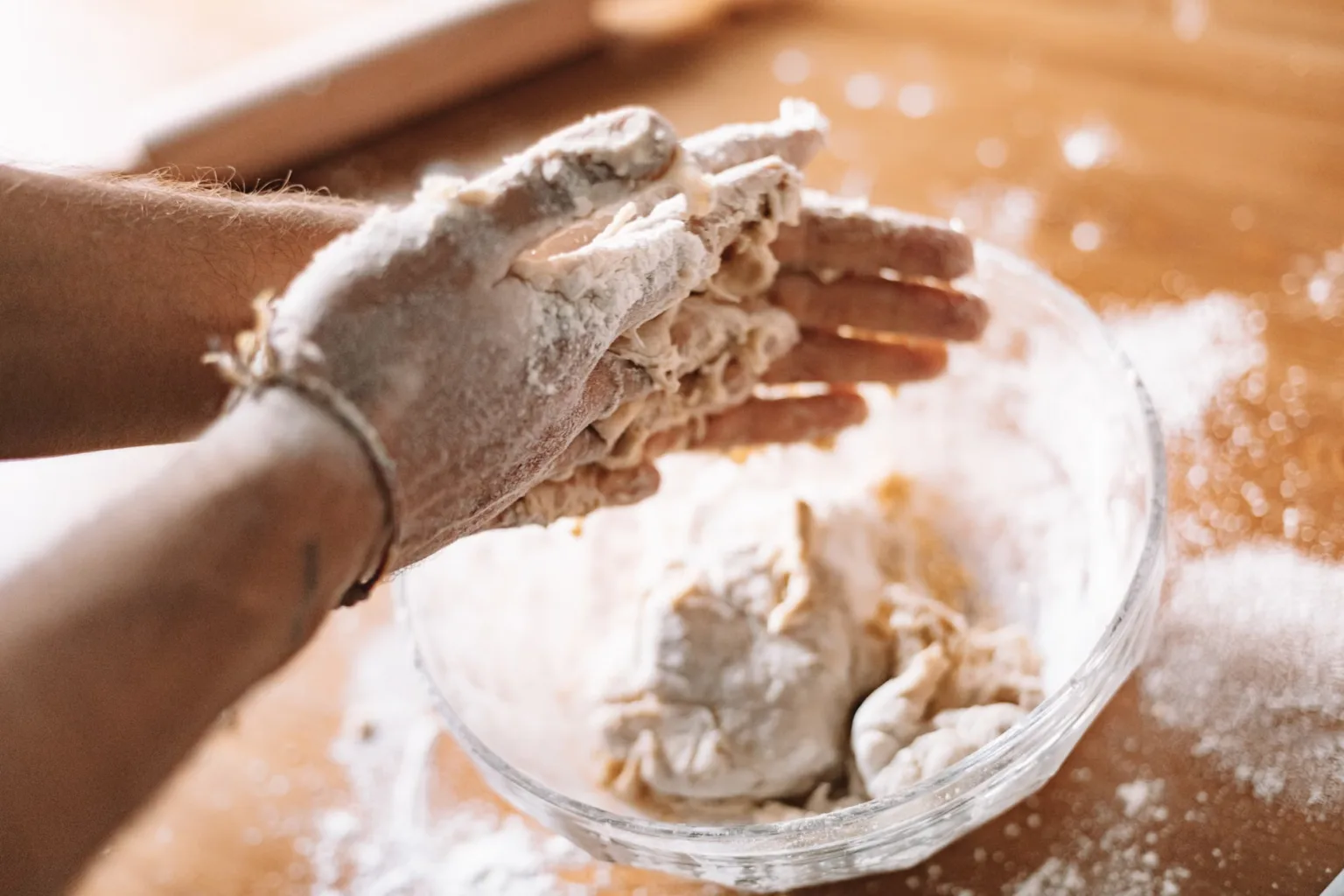
Lard is edible fat from pork used as a cooking ingredient. In dough, it serves as a fat, alongside alternatives such as oil, margarine, or butter. It may be solid at room temperature and melts when heated. Descriptions in the supplied evidence characterize it as white or slightly yellowish, soft, and mild but distinctive in flavor. Products can differ according to how the fat is obtained and processed, so it is not safe to assume that every lard has the same texture or intensity. This profile concerns lard intended for use as an ingredient in dough.
When to use it
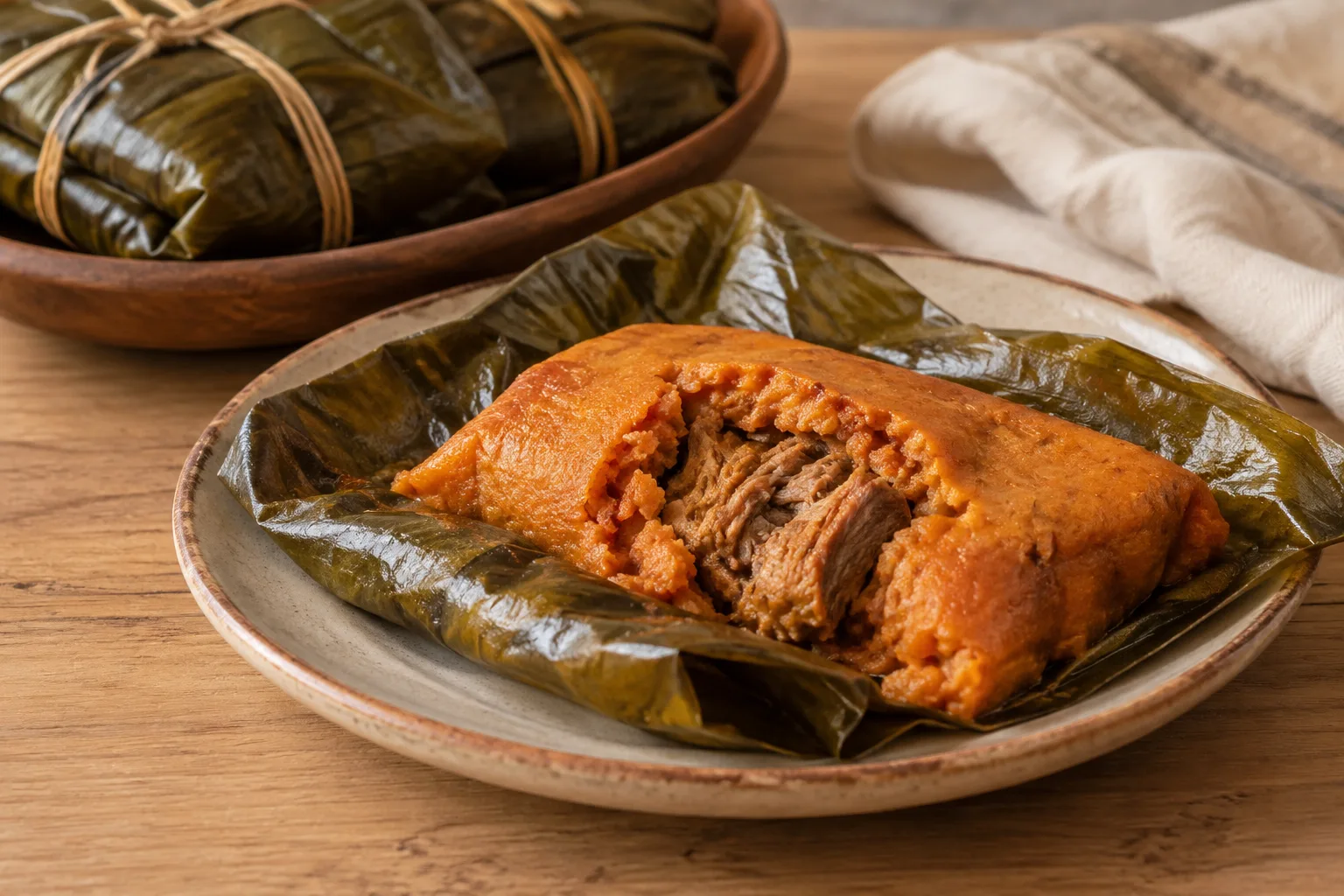
Use lard when a dough recipe calls for it, or when you want to try an animal fat in a flour-based preparation. It is also used in some corn-masa preparations and empanada doughs. Because lard can have a characteristic flavor, consider whether that note suits the filling and style of the dish. Do not assume that every recipe will work unchanged with a different fat: oil, margarine, and butter are also used in dough, but the supplied sources do not establish that they produce identical results.
How to use it
Add lard to the dough in the order and amount specified by your recipe; the supplied evidence does not establish a universal ratio or mixing time. Lard can melt when heated, but not every recipe is shown to require it in liquid form. It is also used after melting for cooking or frying, and as a fat for sofrito. In corn-masa preparations or empanadas, use it as part of the formulation the recipe describes and pair it with the listed ingredients. If replacing another fat, do so deliberately: the sources name oil, margarine, and butter as alternatives, but give no exact conversion ratios.
Flavour and texture
Lard is commonly described in the supplied evidence as white or slightly yellowish, soft, and solid at room temperature. It melts when heated. Its flavor may be mild yet distinctive, and some less-refined products may taste more pronounced. The result therefore depends on the product and preparation; do not assume that lard will always be completely neutral in flavor.
How to choose it
Choose a product sold for culinary use and check how it is described on its packaging. The supplied information distinguishes refined and less-refined products, which can differ in flavor and texture. For a delicately flavored dough, consider whether the product’s flavor fits the other ingredients. A more pronounced flavor may suit a preparation in which you want the fat’s character to be noticeable.
Storage
The supplied information recommends keeping lard in an airtight container in the refrigerator. It does not establish a dependable storage life that applies to every product, so do not assume a fixed shelf life for homemade or commercial lard. Follow the product’s own storage directions rather than treating every container or storage condition as interchangeable.
Substitutions
The culinary sources list oil, margarine, and butter as alternative fats for dough. They do not give substitution ratios or promise identical results. Choose according to the recipe, keeping in mind that lard may contribute a characteristic flavor; change the formulation only when the recipe allows it.
Common mistakes
Do not assume that all lard is neutral, has the same texture, or behaves identically in dough. Do not replace it using an unsupported one-to-one conversion: the available evidence provides no substitution ratios. Also remember that lard is a pork product and may not suit people who avoid pork.
Safety and allergens
Lard is a pork-derived product and may not suit people who avoid pork for religious or personal reasons. The supplied evidence establishes no additional product-specific warning; follow the product directions.
Culinary uses
- Grasa para masas
- Grasa de cocción
Recommended techniques
- Incorporarla a una masa
- Derretirla para cocinar o freír
Pairs well with
- Harina para masas
- Masa de maíz y rellenos salados
Frequently asked questions
Can I use lard in dough?
Yes. The supplied sources list it as one of the fats used in dough, including some corn-masa preparations and empanada doughs.
Can I replace lard with butter or oil?
Oil, margarine, and butter are listed as alternative fats for dough. No exact conversion ratios are provided, so a one-for-one swap cannot be guaranteed.
Does lard have a neutral flavor?
Not necessarily. It is described as mild but distinctive, and flavor intensity can vary with the product and how it was made.
Sources and review
Automatically researched, cross-checked and validated content. Sources consulted:
- REGLAMENTO (UE) No 1169/2011 DEL PARLAMENTO ... eletiquetadocuentamucho.aesan.gob.es
- The Essential Glossary of Cooking Terms for the Culinary Arts - Escoffier escoffier.edu
- Qué es eso llamado epistemología, para qué sirve, por qué es inexcusable para la universidad y para la paz | Reencuentro. Análisis de problemas universitarios doi.org
- Edition Parent Communications Unit 4: Fats in Foods hsph.harvard.edu
- Maqueta.qxp:Maqueta Comità CientÃfico Nâ« 2 aesan.gob.es
- DigitalCommons@EMU commons.emich.edu
- Manteca de Cerdo: Origen y Características en Cocina Cubana | Receta Cubana recetacubana.app
- ¿Qué es la manteca de cerdo y por qué vuelve a ser tendencia? chocolatestorras.com
- - YouTube youtube.com
- Manteca de cerdo - Wikipedia, la enciclopedia libre es.wikipedia.org