- Category
- Vegetables
- State
- Fresh
- Usual unit
- unit
What it is
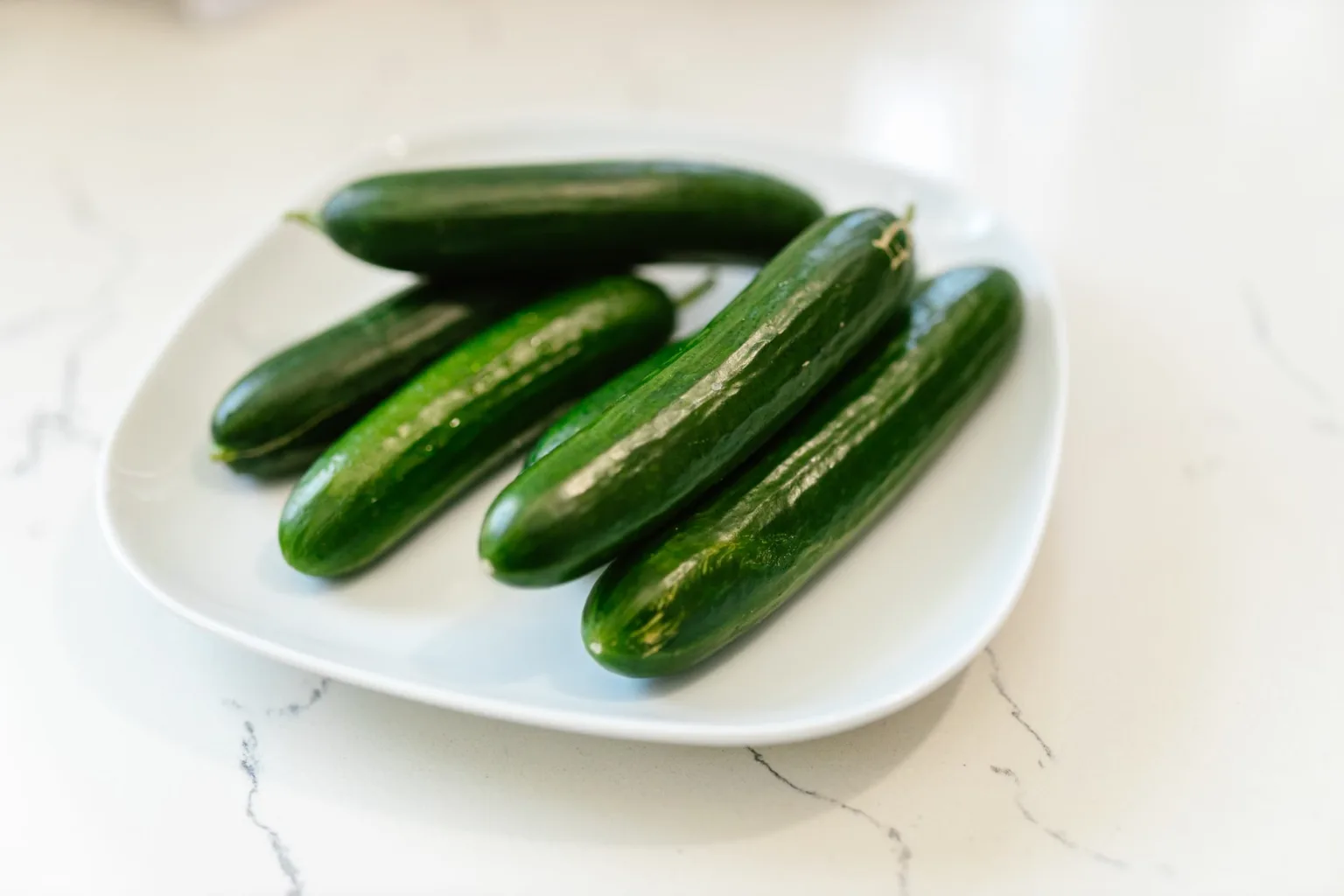
Large cucumber is a fresh-eating cucumber from the species Cucumis sativus, in the cucurbit family. Cucumbers vary in size, shape and skin: some are long and smooth, while others have firmer or more textured skins. Inside, the pale flesh contains seeds and is juicy and crisp when the cucumber is firm. “Large” describes a size or eating format, not one single botanical variety, so skin thickness, seediness and texture can differ from one cucumber to another.
When to use it
Use it when you want fresh flavor and a crisp bite in a salad, chilled dish or snack. It also works in cold soups and blended sauces, where its flesh adds moisture and a mild taste. If you plan to pickle it, select a variety suited to pickling and use a tested recipe; pickling guidance for suitable cucumbers should not automatically be applied to every large salad cucumber.
How to use it
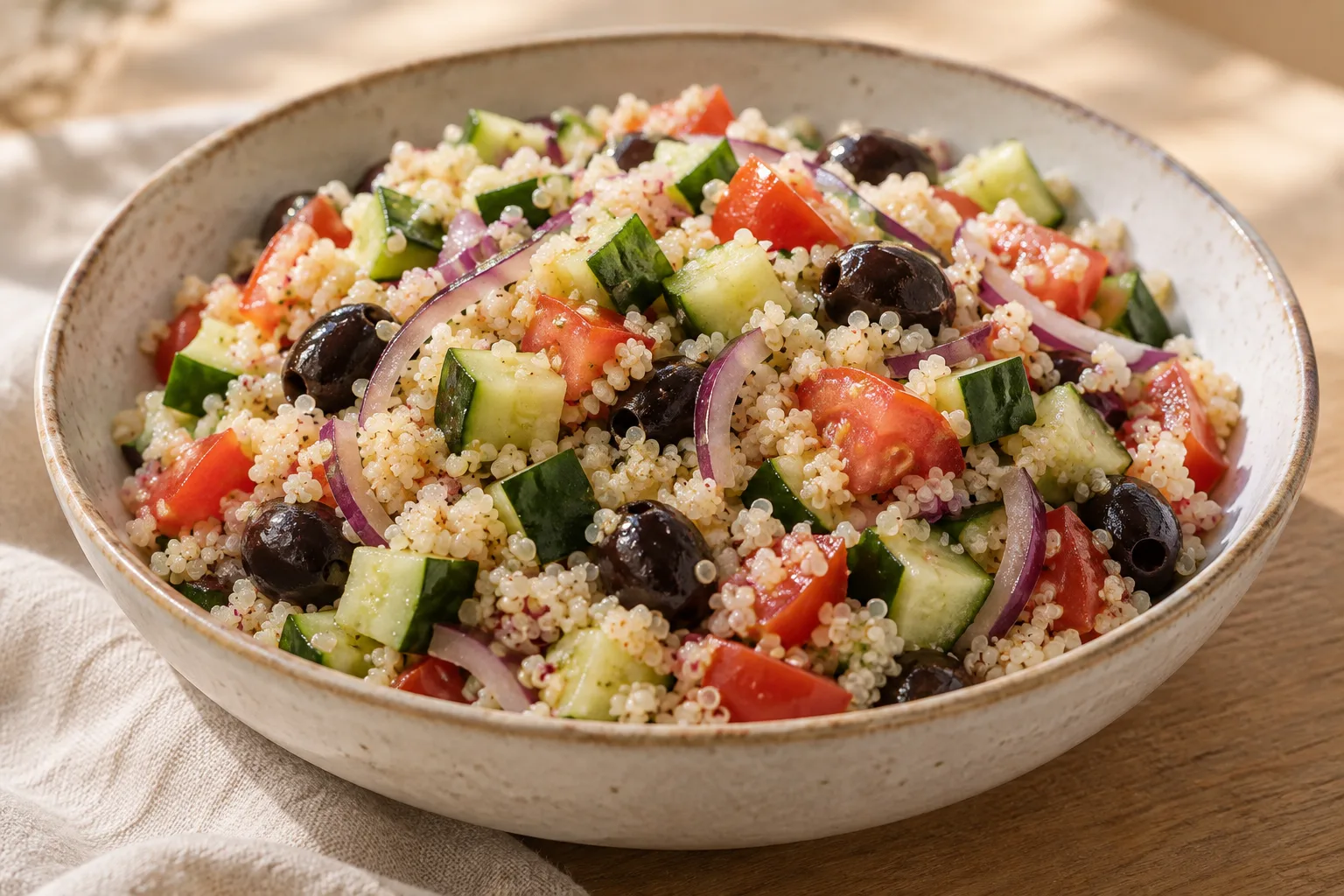
Wash the cucumber, then slice, dice or cut it into sticks for raw dishes. Add it to a salad with lettuce, tomato, chickpeas, green onions and feta, or pair it with yogurt, mint and lemon in a dressing. For a smoother sauce or preparation, peel it and remove the seeds if desired, then blend or purée to the texture you want. It can also be blended into a cold soup with other ingredients. For pickling, use a tested recipe and do not change its stated proportions of vinegar, water and produce.
Flavour and texture
Its flavor is mild and fresh, and its pale flesh is juicy and crisp when the cucumber is firm. Skin can be smooth or more textured, while seediness and texture vary with cucumber type and size. Larger cucumbers may have firmer seeds and softer flesh; peeling and removing the seeds is an option when you want a smoother preparation.
How to choose it
Look for firm, well-developed cucumbers with lively-colored skin and no yellow patches, dried ends or obvious defects. Avoid specimens that feel soft or look dull. Buying guides also caution that excessively large cucumbers can have more seeds, softer flesh or a more bitter taste. Size alone does not identify a variety or guarantee quality.
Storage
Keep fresh cucumber in the refrigerator and handle it gently to avoid bruising. Once cut, cover it with food wrap or keep it in an airtight container. Published storage recommendations differ, so there is no single storage period that can be applied to every cucumber; check its condition and follow any storage directions on the package.
Substitutions
In salads and other fresh dishes, smaller cucumbers can stand in for a large one; adjust the amount to suit the recipe. For pickling, choose cucumbers intended for that use, since size and variety affect the result. The available evidence does not establish an exact quantity conversion or a different ingredient that will reliably match cucumber’s flavor and texture.
Common mistakes
Do not choose by size alone: a very large cucumber may be softer, have firmer seeds or taste more bitter. Do not assume every variety works equally well for salads and pickling. When making preserved pickles, do not change a tested recipe’s proportions or use vinegar of unknown acidity.
Safety and allergens
For packaged or prepared products, follow the label’s storage and use directions. For pickles intended for preservation, use a tested recipe and keep its stated proportions; acidity matters for product safety. If you are unsure about a cucumber or how it has been handled, check with the seller or consult the package information.
Culinary uses
- Fresh, crisp component for salads
- Moisture-rich ingredient for cold soups and blended sauces
- Base ingredient for pickles when using an appropriate tested recipe
Recommended techniques
- Slice, dice or cut into sticks for raw dishes
- Peel and remove seeds when a smoother texture is wanted, then blend or purée
- Use a tested pickling recipe without changing its ingredient proportions
Pairs well with
- Tomatoes and lettuce
- Yogurt, mint and lemon
- Chickpeas, green onions and feta
Frequently asked questions
Does “large cucumber” mean one specific variety?
Not necessarily. It describes size or format; cucumbers vary in shape, skin, seeds and texture.
Does a cucumber need to be peeled and seeded?
Not always. Slice it with the skin on for salads if you like its texture; peeling and seeding are options for smoother sauces.
Can any large cucumber be used for pickles?
Do not assume so. Choose a variety suited to pickling and follow a tested recipe without changing its proportions.
Estimated nutrition
- Fat
- 0 g
- Saturates
- 0 g
- Carbohydrate
- 0 g
- Sugars
- 0 g
- Protein
- 0 g
- Salt
- 2.7 g
Sources and review
Automatically researched, cross-checked and validated content. Sources consulted:
- En el etiquetado alimentario hay algunas menciones que son obligatorias eletiquetadocuentamucho.aesan.gob.es
- Todo lo que debes saber sobre el pepino hogarmania.com
- Vamos a Conservar Alimentos: Proceso Rápido para preparar Pepinillos en Vinagre extension.psu.edu
- Todo lo que debes saber sobre el pepino | Recetas Nestlé recetasnestlecam.com
- Pepino: origen, variedades, cultivo, propiedades y beneficios. frutamerca.com
- El pepino, es la base de nuestra alimentación y gastronomía lechepuleva.es
- Client Challenge doi.org
- Pepino aihd.ku.edu
- Pepino | Introducción | Verduras y hortalizas | EROSKI CONSUMER verduras.consumer.es
- Al conservar alimentos frescos en casa, siga las técnicas bookstore.ksre.ksu.edu
- (PDF) Exotic Pepino: A Shrub for Prophylactic Consequence & Nutritional Regime academia.edu
- Using & Storing Peaches | Home & Garden Information Center hgic.clemson.edu
- Greek Salad/Ensalada Griega (LCH) | CSU Northridge w2.csun.edu