- Category
- Fish and seafood
- State
- Fresh
- Usual unit
- unit
What it is
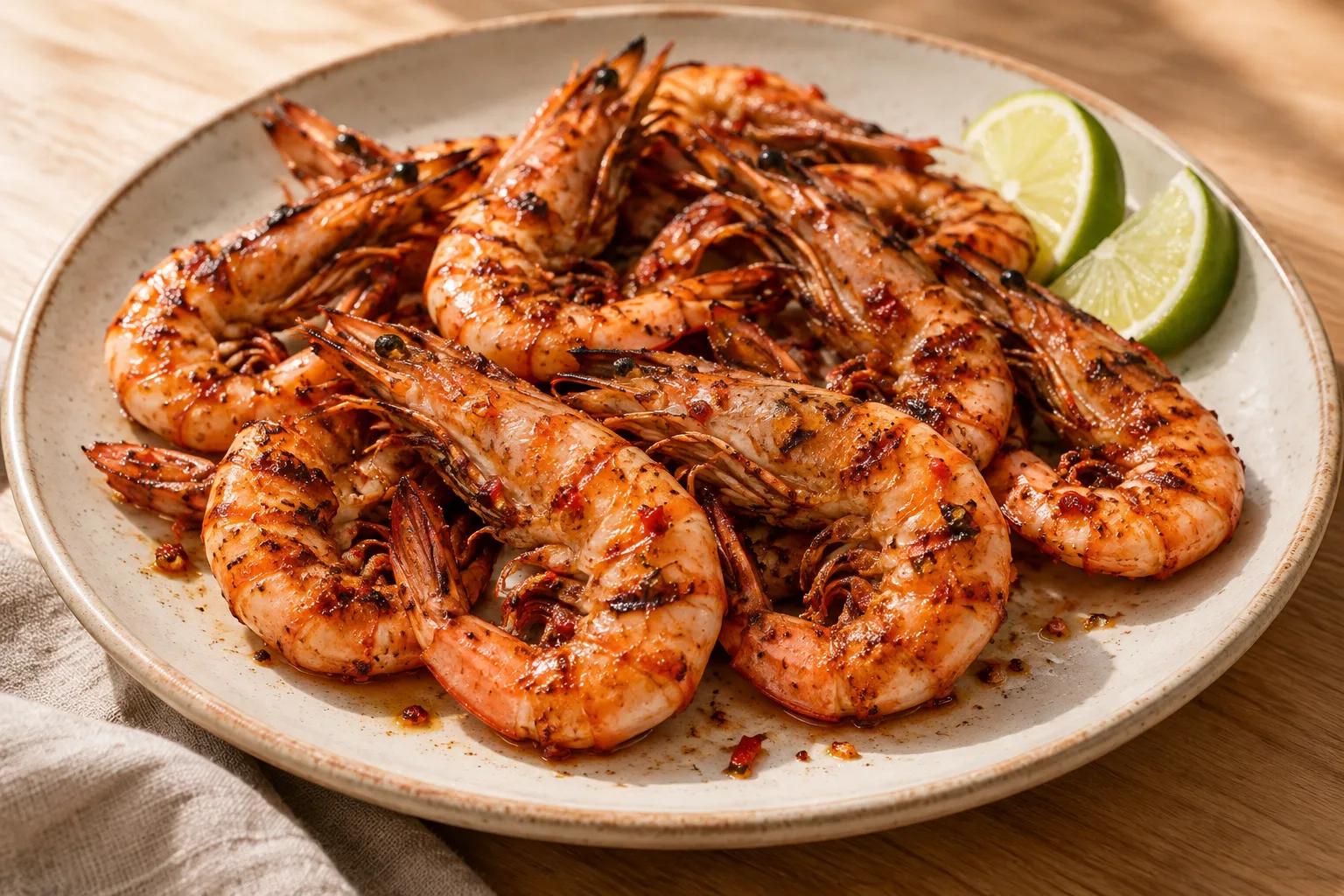
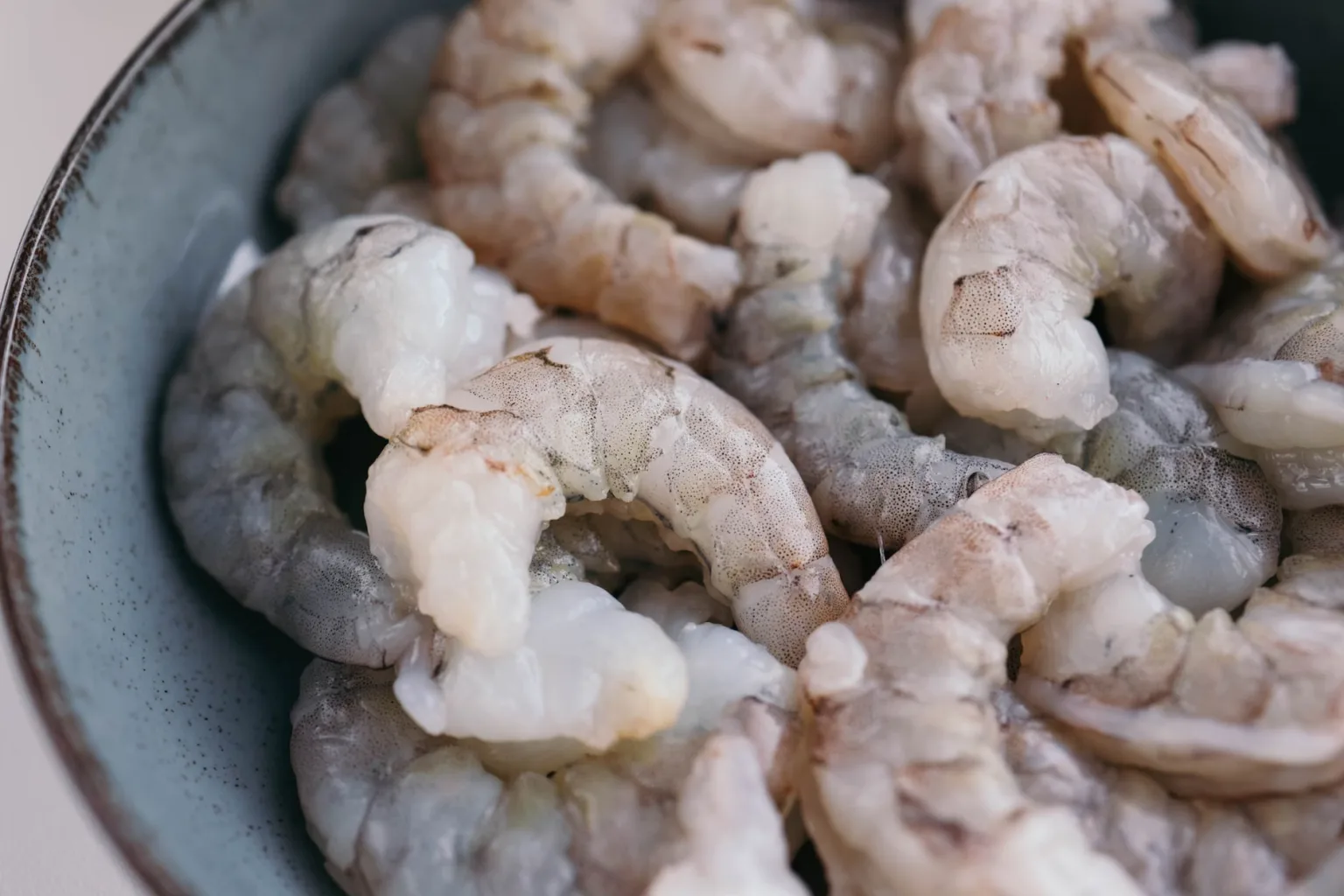
Prawns are marine crustaceans with a semi-hard shell; this profile covers the product sold raw in large sizes. Size and appearance can vary between types and presentations, so assess the individual product rather than assuming every prawn looks the same. Raw prawns may be dark gray and turn pink when cooked. They are sold fresh and frozen, although this entry focuses on fresh raw prawns. Their meat can be served as a main dish or added to a range of preparations, from salads to rice dishes, pasta, soups and stews.
When to use it
Use them when you want seafood to take center stage, such as grilled or boiled, or when you want to add crustacean pieces to rice, pasta, soup or a stew. Once cooked, they also work in salads and appetizers. Their large size is useful in dishes where you want to serve the prawns whole and clearly visible. If a recipe calls for peeled prawns, you can remove the shell and the dark line along the back before adding them.
How to use it
Check the product before cooking. The available reference recommends choosing prawns with a shiny, firm shell and rejecting soft specimens or those with an ammonia-like smell. If a recipe calls for cleaned meat, peel the prawns and remove the black line along the back, described as the digestive tract and as a possible source of bitterness. You can grill, boil or sauté them; they are also used with garlic and in rice dishes, pasta, legume dishes, soups, stews, omelets and salads. Cooking time depends on size and method, so this profile does not prescribe one. Follow the package directions and applicable official food-safety recommendations for raw foods.
Flavour and texture
The sources describe prawn flavor as appealing and versatile, though its intensity can vary between types. The meat suits simple preparations, such as grilling with lemon, and combinations with garlic, ginger or sauces. Raw prawns may be dark gray and turn pink when cooked. A firm shell is one of the characteristics the consulted source recommends looking for when buying fresh prawns; it should not be confused with the texture of the cooked meat.
How to choose it
For fresh prawns, look for a shiny, firm shell. The consulted source recommends rejecting soft specimens or those with an ammonia-like smell, which it associates with lack of freshness. Raw prawns may be dark gray; do not mistake that appearance for the pink color they develop when cooked. Check the package directions as well. Size alone does not reliably identify the variety or predict its exact flavor.
Storage
The available evidence confirms that prawns are sold fresh and frozen, but does not provide a verifiable storage duration for the fresh raw product. Follow the package directions and consult official guidance if they are unavailable. One source says thawed prawns should not be frozen again; that advice concerns thawed product and does not establish a storage period for fresh prawns.
Substitutions
You can replace prawns with larger prawns or langoustines in preparations that allow another crustacean. Lobster meat or picked crab meat is also suggested as an alternative for a filling. Size, texture and flavor may differ, so adapt the cut and quantity to the dish rather than assuming an exact one-to-one match. The swap is most suitable when the recipe allows the type of seafood to change.
Common mistakes
Do not judge freshness by color alone: raw prawns may be dark gray and turn pink when cooked. Avoid specimens that are soft or smell of ammonia. If peeling them for a recipe, remember that the consulted source recommends removing the dark line along the back because it can taste bitter. Do not assume one cooking time suits every size and method.
Safety and allergens
This product is described as raw, so do not treat it as ready to eat simply because it is fresh. Follow the package directions and applicable official food-safety recommendations. The available evidence does not support specifying temperatures, cooking times or a storage period for raw prawns here.
Culinary uses
- Plato principal
- Ingrediente para arroces, pastas, sopas, guisos y ensaladas
Recommended techniques
- A la plancha
- Cocción en agua
- Salteado
- Al ajillo
Pairs well with
- Ajo
- Limón
- Jengibre
- Arroz
- Pasta
- Salsas picantes o agridulces
Frequently asked questions
What color are raw prawns?
The consulted source says they may be dark gray and turn pink when cooked.
How can I recognize fresh prawns?
Look for a shiny, firm shell. The available reference advises rejecting soft specimens or those with an ammonia-like smell.
Should I remove the dark line along the back?
If peeling them for a dish, the consulted source recommends removing it because it may taste bitter.
What dishes can I make with prawns?
The sources mention grilling, boiling and garlic preparations, as well as rice dishes, pasta, soups, stews, salads and omelets.
Sources and review
Automatically researched, cross-checked and validated content. Sources consulted:
- Client Challenge doi.org
- Aplicaciones de la Biotecnología en Seguridad Alimentaria aesan.gob.es
- Mayo: los langostinos | Consumer consumer.es
- Las mejores recetas caseras y fáciles con langostinos: cocina tradicional y rápida directoalpaladar.com
- ¿Cómo elegir los mejores langostinos? - Compesca compesca.com
- Quédate en casa y cocina: Propuestas de nuestros alumni (Tacos de langostinos "mexicasiáticos") cordonbleu.edu
- CAMBIO CLIMATICO ResumenB research.fit.edu
- EFECTOS DEL USO DE ATMÓSFERA MODIFICADA O ... upcommons.upc.edu
- El camarón gigante crudo se abre por la mitad, sin pelar de digital.utsa.edu
- Tesis defendidas 2005 unav.edu
- Ecuador - Perú: digitalrepository.unm.edu
- Aspectos nutricionales de la dieta mediterránea diposit.ub.edu
- CENTRO LATINOAMERICANO Y CARIBEÑO DE ... users.pop.umn.edu
- Langostinos de autor | Noray norayseafood.es