- Category
- Fruit
- State
- Fresh
- Usual unit
- unit
What it is
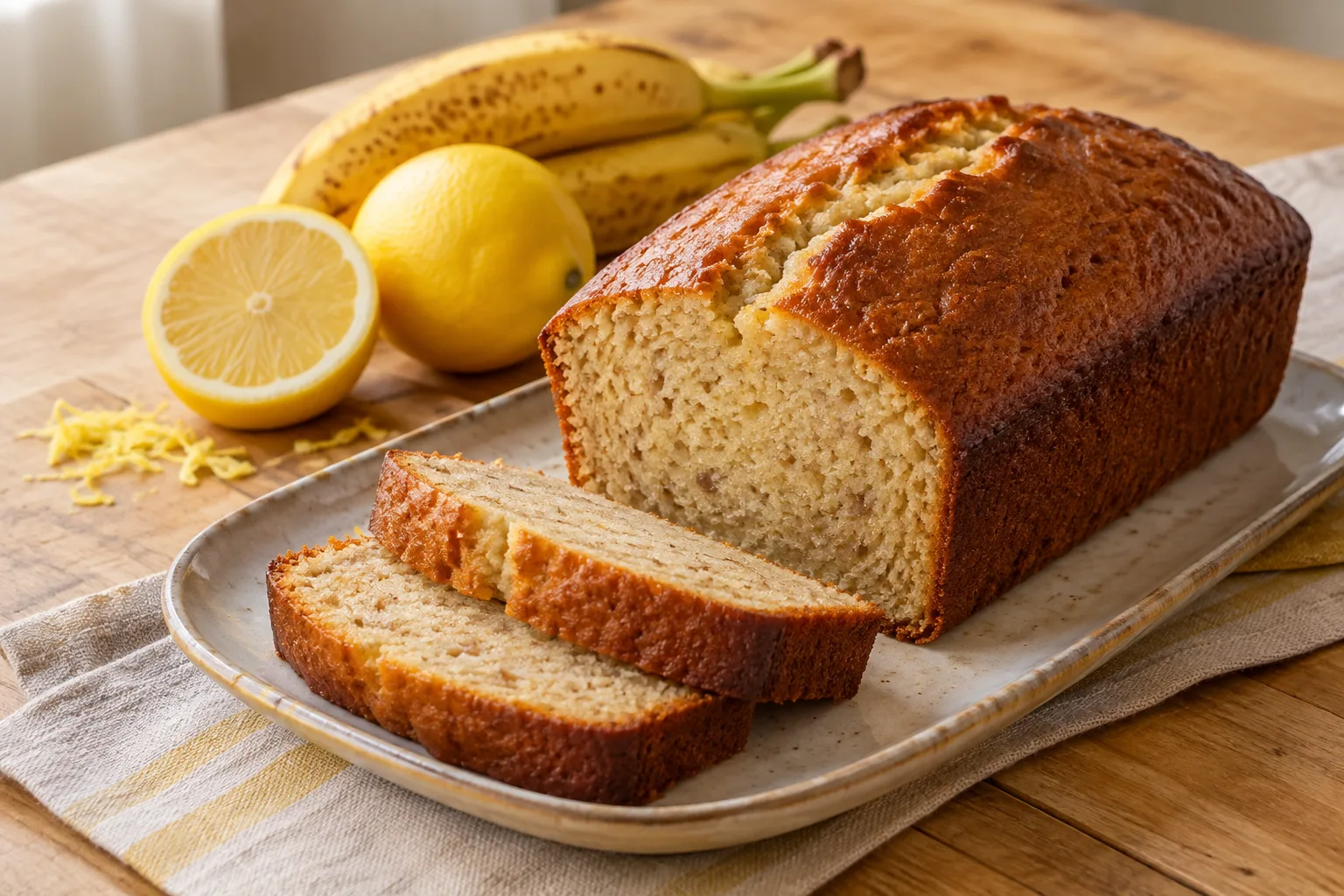
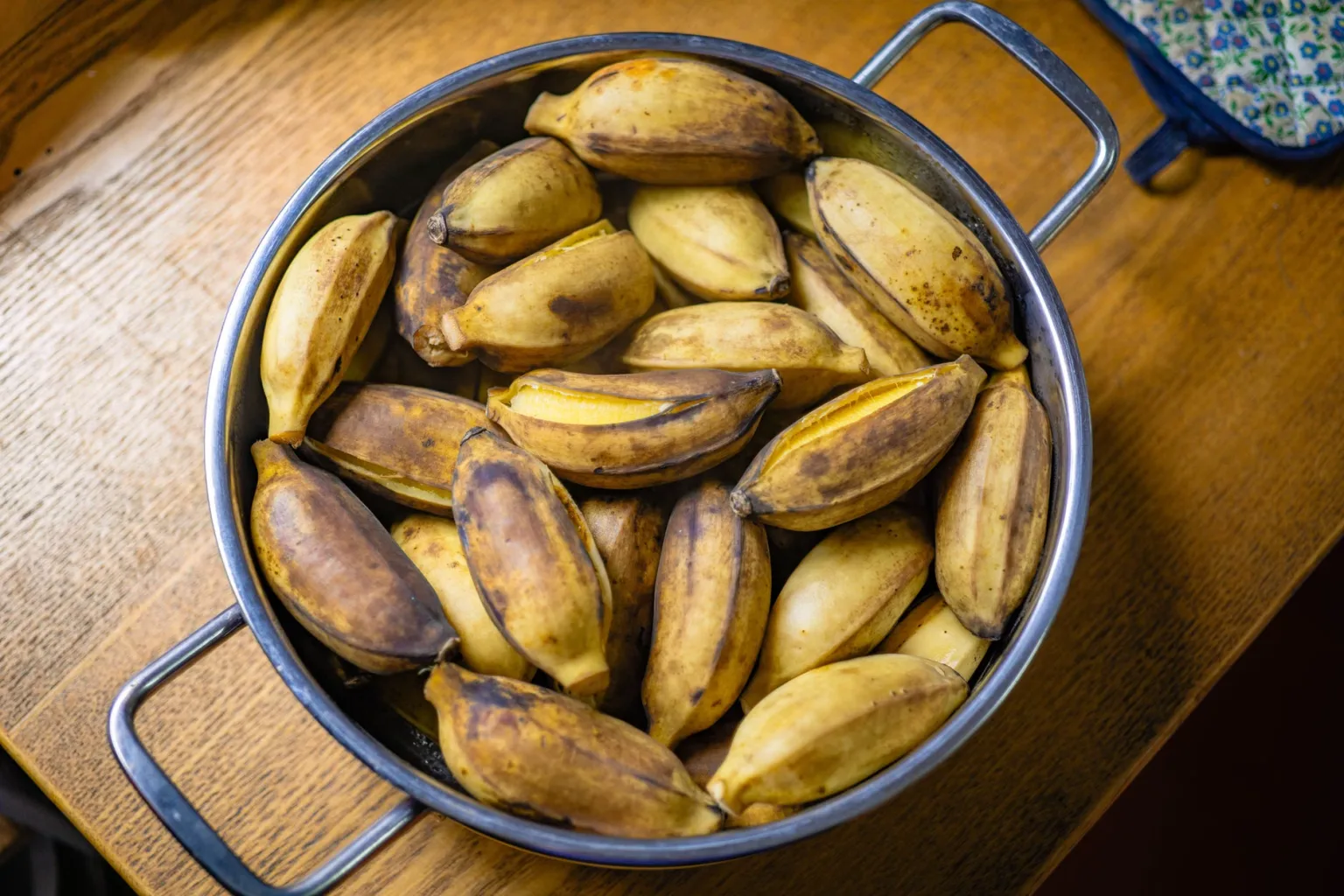
“Large ripe bananas” may refer to ripe dessert bananas or ripe cooking plantains. They are not always interchangeable: dessert bananas are generally sweet when ripe and can be eaten fresh, while cooking plantains are described as starchier and cooked before eating. As a cooking plantain ripens, its flesh becomes softer and sweeter; the skin may be yellow with dark patches or become very dark. Names and varieties differ by region, so identify the product by its type and intended use rather than relying only on size or the word “banana.” This guide gives separate directions where the choice of use depends on that distinction.
When to use it
Use a ripe dessert banana when you want sweet fruit to eat fresh or add to smoothies and desserts. If you have a ripe cooking plantain, use it in recipes that benefit from cooked, softer, sweeter flesh, such as fried, baked, or roasted slices, or a purée. Yellow skin with dark areas is described as characteristic of ripe plantain, but appearance alone does not confirm whether the fruit is a dessert banana or a cooking plantain. For dishes where slices need to hold their shape, choose a piece that still has some firmness; very soft flesh is better suited to purée when the recipe allows.
How to use it
First identify the type of fruit. A ripe dessert banana can be eaten fresh; sources describe cooking plantains as being cooked, fried, baked, or roasted. For a simple ripe-plantain preparation, peel and slice it, then fry the slices until browned; you can also bake, roast, or boil them. Boiled flesh can be mashed into a purée or used to thicken soup. Some preparations serve it with rice and beans, white cheese, or sour cream; cinnamon works with sweet versions. Match the cut and technique to the fruit’s firmness, since softer flesh breaks more easily. Do not automatically apply dessert-banana instructions to a cooking plantain.
Flavour and texture
As a cooking plantain ripens, its flesh becomes softer and sweeter. Frying can brown and caramelize it. Ripeness affects both sweetness and consistency: a very soft fruit may not keep intact slices. Ripe dessert bananas are also sweet, but their texture and behavior during cooking can differ from those of cooking plantains. The name or appearance alone is therefore not enough to assume the two fruits will give the same result in a recipe.
How to choose it
Decide first whether you want a dessert banana or a cooking plantain, because names vary by region and their culinary uses are not identical. Yellow skin with dark patches is commonly described as a sign of ripe cooking plantain; very dark skin may indicate a later stage of ripeness. If slices need to hold their shape, avoid extremely soft fruit. Choose an intact fruit according to the intended preparation, not size alone.
Storage
The available evidence does not establish a specific storage duration or conditions for ripe cooking plantains. One culinary source describes leaving the fruit on the counter until its skin turns yellow and black so it can continue ripening, but gives no universal timetable. For packaged fruit, follow any storage directions on the label. Check the fruit before use, and do not assume that dessert-banana storage advice is identical.
Substitutions
A ripe dessert banana can replace plantain in fresh or sweet preparations if a softer texture is acceptable, but it will not necessarily reproduce the firmness of a cooking plantain. A ripe cooking plantain can replace another cooking fruit only when the recipe suits a cooked, sweet texture. The change may affect structure, sweetness, and the finished result; avoid automatic substitution when slices need to hold their shape.
Common mistakes
The main mistake is assuming that “banana” and “plantain” always refer to the same product. Sources describe cooking plantains as starchier and cooked before eating, while ripe dessert bananas can be eaten fresh. A preparation can also go wrong if the fruit is too soft for frying in slices or if cooking instructions for one type are applied to the other.
Safety and allergens
The supplied evidence identifies no specific hazard for this fruit. Rinse it under running water before preparing it, and follow label storage directions if it is sold packaged.
Culinary uses
- Fruta dulce para comer fresca cuando se trata de una banana de postre madura
- Acompañamiento o ingrediente cocinado cuando se trata de un plátano de cocinar maduro
Recommended techniques
- Freír en rodajas
- Hornear o asar
- Hervir y hacer puré
Pairs well with
- Arroz y frijoles
- Queso blanco o crema agria
- Canela en preparaciones dulces
Frequently asked questions
Can ripe plantains be eaten raw?
It depends on the type. Ripe dessert bananas can be eaten fresh; sources describe cooking plantains as fruits that are cooked before eating.
What does a ripe cooking plantain look like?
The available description gives yellow skin that may have dark patches. With further ripening, the skin may become very dark and the flesh softer and sweeter.
How can I cook a ripe plantain?
A cooking plantain can be fried, boiled, baked, or roasted. It can also be boiled and mashed; choose the method according to its firmness and the result you want.
Sources and review
Automatically researched, cross-checked and validated content. Sources consulted:
- En el etiquetado alimentario hay algunas menciones que son obligatorias eletiquetadocuentamucho.aesan.gob.es
- Aesan - Agencia Española de Seguridad Alimentaria y Nutrición aesan.gob.es
- Plátano maduro - Wikipedia, la enciclopedia libre es.wikipedia.org
- Guía de tipos de plátano y sus aplicaciones | Recetas Nestlé recetasnestle.com.mx
- Historia y versatilidad del plátano maduro: origen, recetas y su impacto en la gastronomía latinoamericana pulzo.com
- 🍌 Plátanos Maduros 🍌 - Las recetas de mi abuela lasrecetasdemiabuela.recipesown.com
- Plátano maduro | Postharvest Research and Extension Center postharvest.ucdavis.edu
- Maduro – Everyday Inclusion 2022: The Foods that Connect Us blogs.uoregon.edu
- Recipe of the week: plataños maduros with rice and beans – The Elm blog.washcoll.edu
- Durazno | Center for Community Health communityhealth.ucsd.edu
- Tostones and Maduros (Fried Green and Yellow Plantains) – Amazingly Simple blogs.baruch.cuny.edu
- Estudio del Mercado del Plátano en España y Portugal mapa.gob.es
- Plátanos - Spend Smart Eat Smart spendsmart.extension.iastate.edu
- HS1031/HS275: Cultivando bananas en el jardín de su hogar en Florida ask.ifas.ufl.edu
- American Indian Health - Recipes aihd.ku.edu
- Plátanos machos: el fruto más versátil de la naturaleza solococinar.com