- Category
- Vegetables
- State
- Fresh
- Usual unit
- unidad
What it is
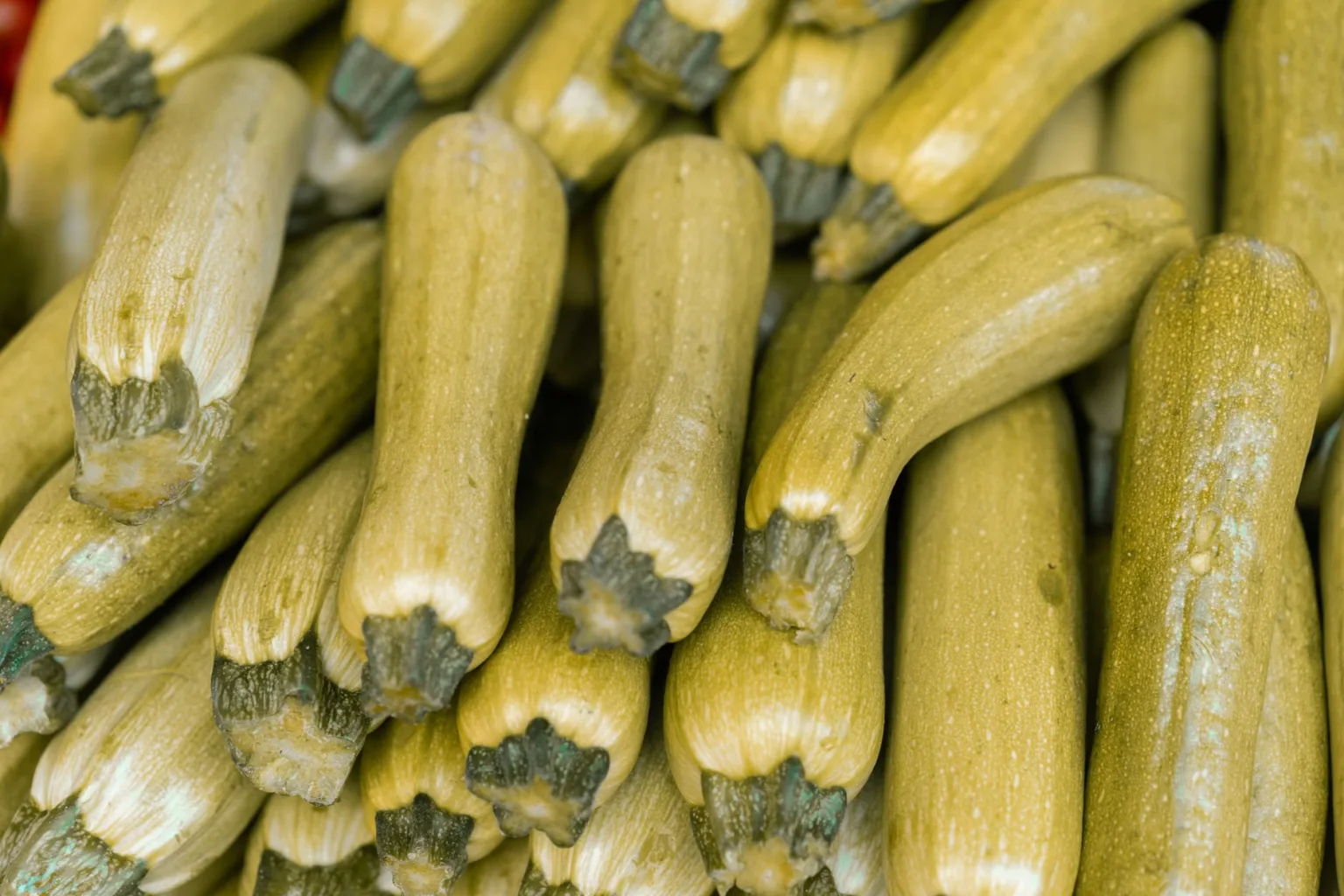
Zucchini is the fruit of a plant in the cucurbit family and is used as a vegetable in cooking. It is sold in different shapes, colors and sizes; “large” describes the size of the piece rather than a specific variety. The flesh is generally tender and mild, although larger specimens may have more seeds and a more fibrous texture. Its skin is edible and can be left on depending on the recipe and the condition of the zucchini. It is commonly available year-round, while summer is considered a particularly good time to enjoy it. Its restrained flavor makes it useful both as a main ingredient and alongside other vegetables or more strongly flavored ingredients.
When to use it
Use it when you want a mild-tasting vegetable that adds substance to a meal without overpowering the other ingredients. Its size can be convenient for making several portions, cutting thick pieces or hollowing it out for stuffing. It works in warm dishes such as soups, stews, sautés and oven-baked preparations, and it can also be served raw in thin slices if the flesh is in good condition. If you find many seeds or a more fibrous texture when you cut it, choose a cooked preparation or remove the parts you do not enjoy.
How to use it
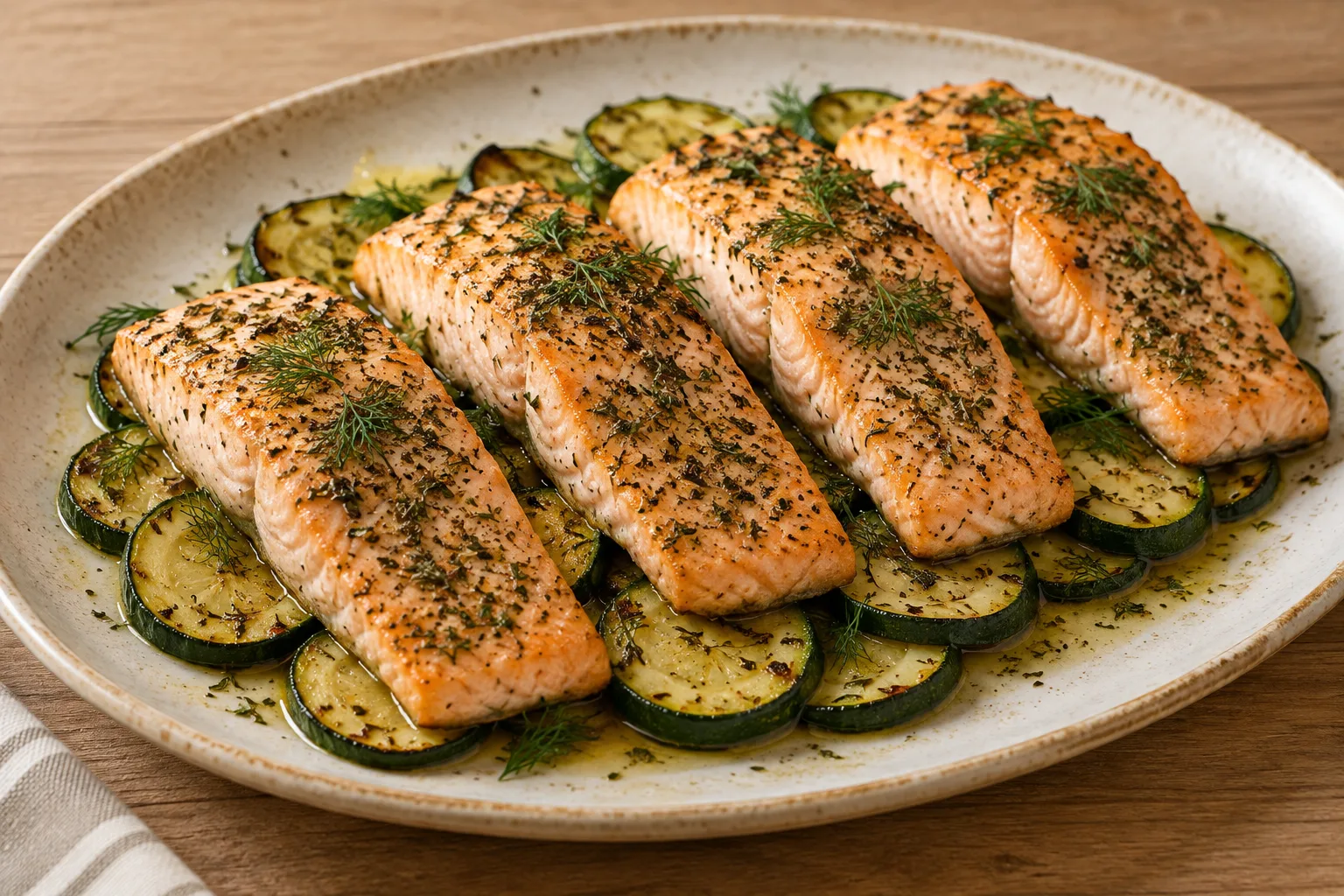
Wash the zucchini before cutting it, then decide whether to keep the skin according to the result you want; zucchini skin is edible. For a side dish, cut it into rounds or batons and cook it on a griddle, sauté it or bake it. To stuff it, halve it lengthwise or cut it into sections, scoop out some of the flesh and use it in a filling with ingredients such as tomato, onion, egg or cheese. You can also grate it into other preparations, cut it into strips as a pasta-style alternative, or cook it until tender and blend it into soup. Since larger specimens may have more seeds and a more fibrous texture, check the inside as you cut and adjust the cut or remove the seeds if you prefer.
Flavour and texture
Zucchini usually tastes mild and slightly sweet, so it works with a range of seasonings and accompaniments. The flesh is juicy and tender when fresh, and the skin is edible. Larger specimens may have more seeds and a more fibrous texture; size alone does not identify a variety or guarantee a particular texture. Cooking it until tender suits soups and stuffed dishes, while thin slices can be used in raw preparations.
How to choose it
Look for a firm, compact zucchini with intact skin and no visible damage. Appearance varies between varieties, so color alone is not a reliable way to judge one. If you choose a large specimen, keep in mind that it may have more seeds or a more fibrous flesh; when possible, check that it feels firm rather than soft. Choose a size that suits the recipe: a large one can be convenient for stuffing or making several portions, but you may want to inspect the inside before cooking.
Storage
Keep whole zucchini unwashed in the refrigerator vegetable drawer and avoid piling it up. If you have cut it, refrigerate it in an airtight container; a piece of absorbent paper can help manage moisture. Use cut zucchini soon to help it retain its texture. If it is packaged or the seller provides particular storage or use directions, follow them.
Substitutions
Eggplant can replace zucchini in sautéed or baked dishes, though it has a stronger flavor and a different texture. Yellow squash is another option for cooked recipes that can accommodate a similar tender flesh. For soups and purées, regular squash can also be used, with a result that will be less like zucchini. Adjust the cut and cooking to suit the substitute.
Common mistakes
Assuming every large zucchini has the same texture can lead to an unexpected result: check the seeds and flesh as you cut it. Another mistake is thinking it must always be peeled; the skin is edible. It is also unwise to choose solely by color or leave cut zucchini uncovered in the refrigerator if you want to preserve its texture.
Safety and allergens
Wash zucchini before preparing it and refrigerate it once cut. Follow any storage and use instructions on the package or provided by the seller.
Culinary uses
- verdura principal en platos cocinados
- guarnición
- base para cremas y sopas
Recommended techniques
- asar
- saltear
- cocinar a la plancha
- rellenar y hornear
- rallar o cortar en tiras
Pairs well with
- tomate
- ajo
- cebolla
- queso
- huevo
- albahaca
Frequently asked questions
Do I need to peel a large zucchini?
Not necessarily. The skin is edible; leave it on or remove it according to the texture you prefer and the recipe.
What should I do if it has many seeds?
Check the flesh as you cut it. If the seeds or texture do not appeal to you, remove that part and use the rest in a cooked dish.
How should I store it after cutting?
Refrigerate it in an airtight container and try to use it soon to help it keep its texture.
Sources and review
Automatically researched, cross-checked and validated content. Sources consulted:
- En el etiquetado alimentario hay algunas menciones que son obligatorias eletiquetadocuentamucho.aesan.gob.es
- Client Challenge doi.org
- Calabacín: tipos, propiedades y las mejores formas de cocinarlo hogarmania.com
- Escobi - El Calabacín, Todo lo que Deberías Saber escobi.es
- El calabacín, su origen, propiedades y beneficios faborit.com
- Historia y cultivo del calabacín | Campos del Abuelo – Campos Del Abuelo camposdelabuelo.com
- 3 recetas de calabacín, y sus propiedades y beneficios | El Diario Vasco diariovasco.com
- Así ha pasado el calabacín de ser una verdura secundaria a convertirse en uno de los ingredientes más versátiles de la cocina elconfidencialdigital.com
- Calabacín: todas sus propiedades y beneficios para la salud cuerpomente.com
- Guía completa de tipos de calabacín y sus variedades: identificación, usos y consejos jardineriaon.com
- Calabacines: 10 formas de disfrutarlos sin perder su esencia solococinar.com
- 80 recetas con calabacín fáciles de preparar y sabrosas nuevoestilo.es
- Disfruta del mejor calabacín en el esplendor de su temporada: propiedades, usos y muchas recetas para aprovecharlo al máximo directoalpaladar.com
- Tipos de calabacín: 10 variedades principales | Fine Dining Lovers finedininglovers.com
- Gastronomía de Francia - Wikipedia, la enciclopedia libre es.wikipedia.org
- 6 sustitutos del calabacín para usar en tus recetas | Mis alimentos misalimentos.net