- Category
- Vegetables
- State
- Fresh
- Usual unit
- stalk
What it is
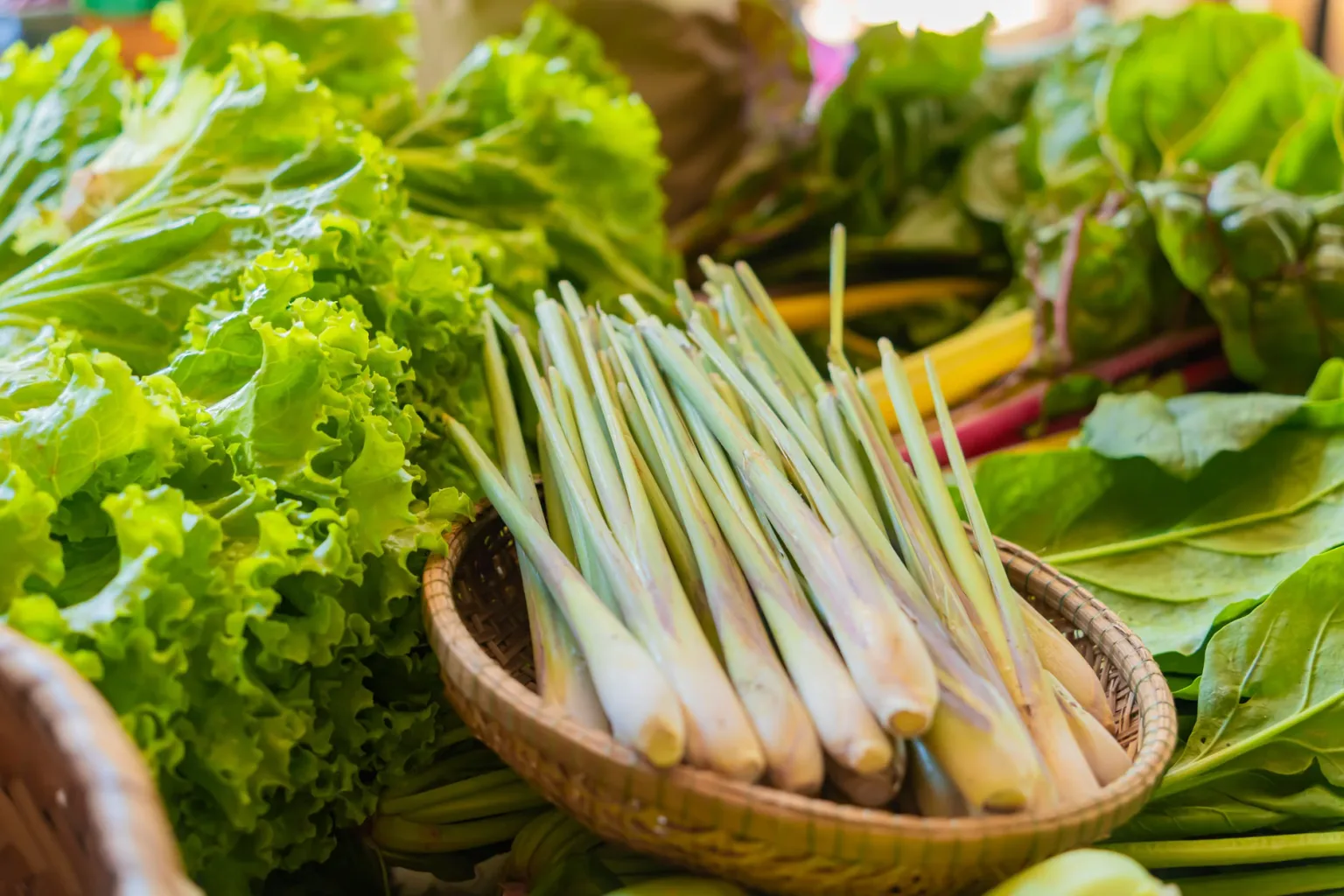
Lemongrass, also called lemon grass, is an aromatic herb with long, firm stalks. In cooking, the lower, paler and juicier part of the stalk is most often used, especially its tender inner core. Its aroma is reminiscent of lemon but has its own character, also described as fresh and floral. The outer layers can be tough and fibrous, so peel them away before finely chopping the inner portion for eating. Whole or roughly cut pieces can flavor soups and other liquids; if the pieces remain too fibrous, remove them before serving. Lemongrass is also sold dried or ground, though these forms do not have quite the same fresh character.
When to use it
Use lemongrass when you want a citrusy, herbal fragrance rather than only the acidity of lemon juice. It works especially well in soups and broths, curries, sauces, marinades, and dishes with fish, seafood or poultry. It can also perfume drinks and infusions. If diners will eat the herb, choose the tender inner stalk and chop it very finely; for a gentler infusion, use larger pieces that can be removed. Dried or ground lemongrass is a practical alternative when fresh stalks are unavailable, although its aroma is less fresh. Taste as you go so its distinctive fragrance complements rather than overwhelms the other ingredients.
How to use it
Rinse the stalk, trim the base and remove tough outer layers to expose the paler, tender core. Gently bruise it with the flat side of a knife to release its aroma. Cut it into larger pieces to flavor broth, soup or sauce, then remove those pieces before serving if they are too fibrous to eat comfortably. For dishes where the herb will be eaten, finely slice or mince the tender inner portion for salads, sauces, dressings and marinades. You can also pound or blend it with other aromatics to make a curry paste or seasoning mixture. Add it gradually and taste the dish: lemongrass should contribute a clear citrus-herbal note without masking the other flavors.
Flavour and texture
Fresh lemongrass has a distinct citrus aroma with herbal and floral notes. Its flavor recalls lemon, but it contributes fragrance rather than simply acidity. The stalk is firm and compact; its outer layers and upper parts can be woody or stringy, while the lower inner core is more tender and juicy. Finely chopped core can be incorporated into a dish. Larger pieces are better used to perfume a liquid and then removed if their texture would be unpleasant.
How to choose it
Choose firm stalks with a pale, fresh-looking base, and avoid ones that look dry or brown. The outer layers can be tough, so assess the tender inner core rather than expecting every layer to be soft. When choosing between stalks, smaller ones may be more tender than large, older stalks. Lemongrass is also sold dried or ground; these forms are convenient but do not give exactly the same fresh impression as a newly cut stalk.
Storage
Keep fresh stalks in the refrigerator and use them soon. The available evidence describes only short storage, of a few days, rather than a universal shelf life. Whole stalks can also be frozen. Protect the herb and keep it separate from foods that could contaminate it; follow package directions for purchased prepared forms. Do not assume a homemade lemongrass preparation is shelf-stable at room temperature. For preserved foods, use only a tested recipe suited to that food.
Substitutions
Dried or ground lemongrass can stand in for fresh when the stalk's texture is not needed, although its aroma is described as less fresh. Lemon zest can contribute a citrus note in some dishes, but it will not reproduce lemongrass's full herbal and floral character or its texture. Add substitutes gradually and taste; they are not exact equivalents.
Common mistakes
Do not finely chop the entire stalk without first removing the tough outer layers; the fibers can be unpleasant to eat. Avoid leaving large pieces in a finished dish if diners might bite into them: use them to infuse flavor and remove them. Conversely, using only large pieces when you want the herb to be eaten can leave a stringy texture. For raw uses, finely chop the tender core.
Safety and allergens
Rinse the stalk before preparation and use clean utensils and work surfaces. Remove tough pieces if their texture could be uncomfortable. Do not rely on an improvised preservation recipe for room-temperature storage; follow tested food-safety guidance.
Culinary uses
- Aromatic seasoning for soups, sauces and curries
- Citrus-scented addition to marinades, dressings and drinks
Recommended techniques
- Bruise or lightly crush the stalk to release its aroma
- Slice or mince the tender inner part finely for raw dishes
- Infuse broth or other liquid with larger pieces, then remove them before serving if they remain fibrous
Pairs well with
- Fish and seafood
- Poultry
- Curries, broth and coconut-based dishes
- Ginger, galangal, chilli and kaffir lime leaves
Frequently asked questions
Which part of lemongrass should I use?
The lower stalk and tender inner core are most commonly used. Tough outer layers are usually removed; fibrous pieces can flavor a dish and then be taken out.
Can lemongrass be eaten raw?
Yes. Finely mince the tender core for salads, sauces or dressings. Avoid serving thick, fibrous sections without mincing or removing them.
How do I use a whole stalk in soup?
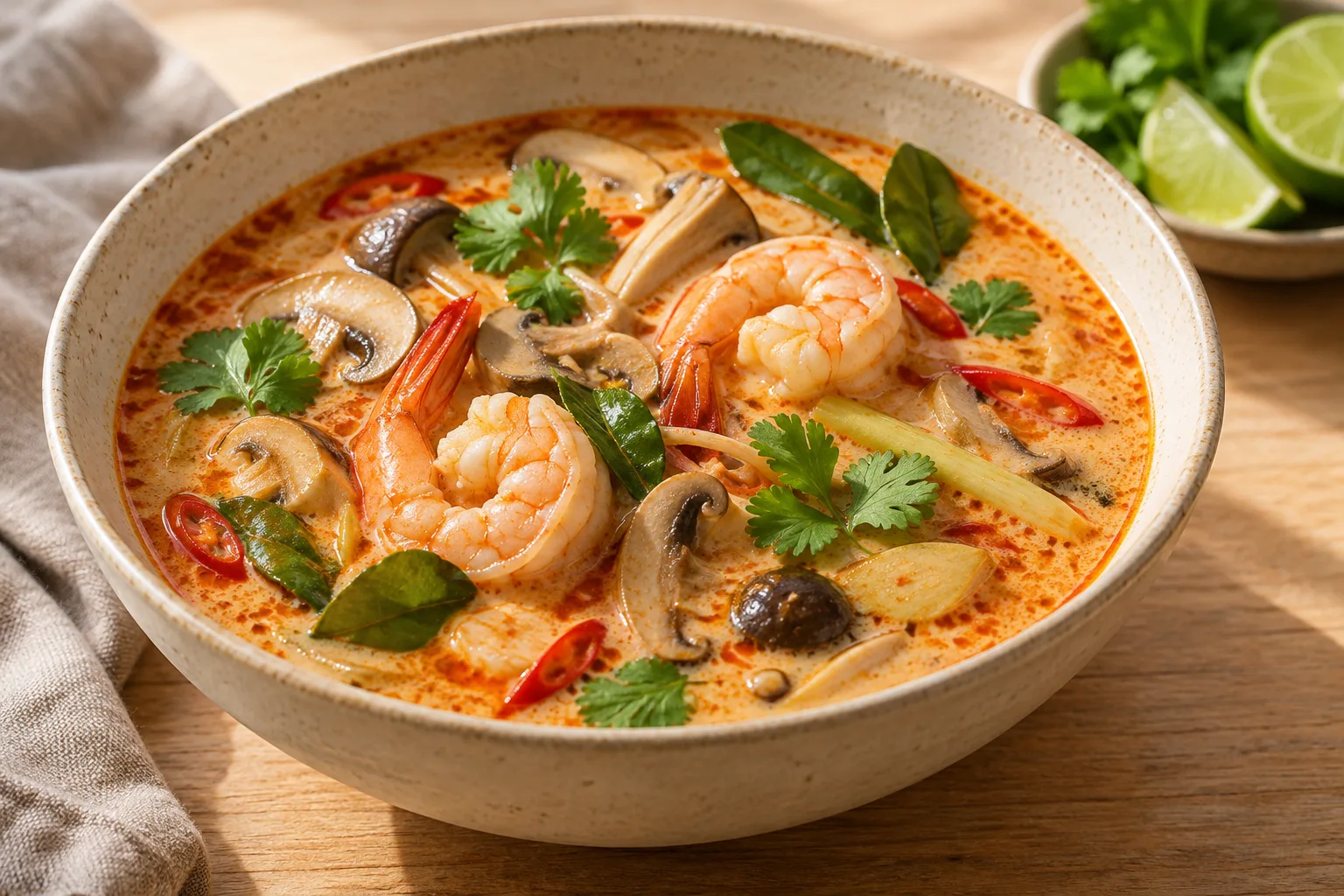
Gently bruise it to release aroma, cut it into large pieces, let it flavor the liquid, and remove tough pieces before serving.
Sources and review
Automatically researched, cross-checked and validated content. Sources consulted:
- Limón, un sol en la cocina | Diario Sur diariosur.es
- Client Challenge doi.org
- The Essential Glossary of Cooking Terms for the Culinary Arts - Escoffier escoffier.edu
- Perspectivas de mercado mapa.gob.es
- Culinary Mixology | Institute of Culinary Education ice.edu
- Hierba Limón: Características y Recetas | Enciclopedia... cocinista.es
- Lemongrass o citronella: qué es, propiedades, beneficios y usus en cocina asiática directoalpaladar.com
- Food and Beverage Archives - Walnut Hill College walnuthillcollege.edu
- Resources & Recipes Used for Outreach | UC Master Food Preserver ucanr.edu
- Data Science in the Kitchen · Issue 7.4, Fall 2025 hdsr.mitpress.mit.edu
- Food herb and spice pairing chart bkc-od-media.vmhost.psu.edu
- New Potato Rendang with Green Beans and a Cook Book Giveaway - Pickles and Tea apa.si.edu
- 4-H FCS Skill-a-thon Foods and Cooking ID texas4-h.tamu.edu
- El Rol Esencial del Limón en la Cocina Mexicana: Un Protagonista Indispensable chefyerika.com
- Limoncillo, limoncillo antillano o guatemalteco | Fundación G+E diet-health.info
- - YouTube youtube.com