- Category
- Dairy and eggs
- State
- Fresh
- Usual unit
- unidades
What it is
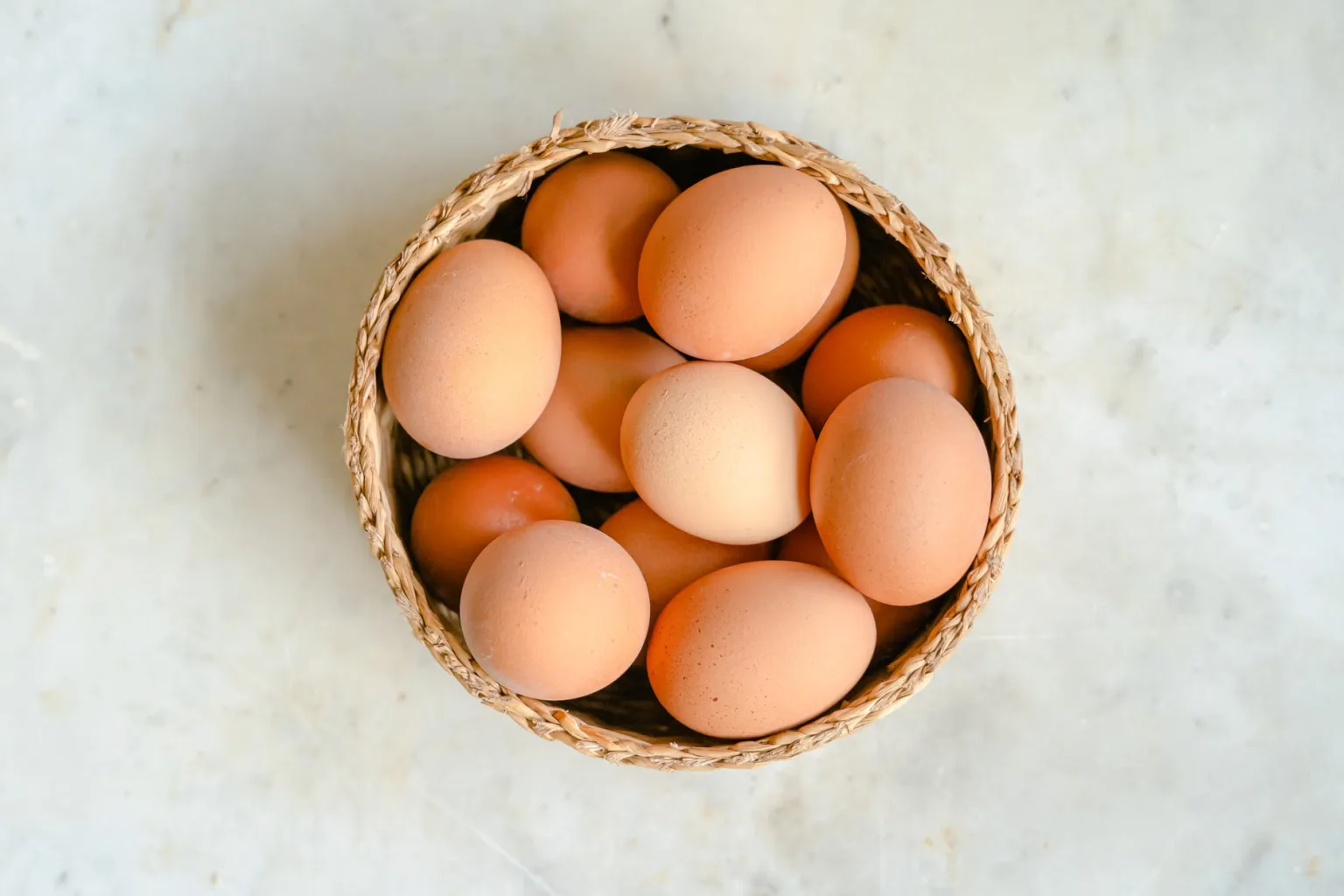
A medium egg is a commercially graded, medium-sized egg, usually from a hen in everyday cooking. It consists of a shell protecting the contents, a white and a yolk. These parts behave differently in recipes: the white can form foam and contribute structure when heated, while the yolk helps emulsify and adds colour and a creamy quality. A whole egg brings several of these functions together, which is why it is used both as a main ingredient and in batters, sauces, desserts and other preparations. M is a commercial size designation; it should not be taken to mean that every egg has exactly the same weight in every market.
When to use it
Use medium eggs when a recipe calls for medium eggs or when you want the egg to be the main feature of a dish, such as an omelette, scramble or boiled egg. They are also useful in batters, custards and sauces: eggs can bind ingredients, set with heat, foam when the whites are beaten, and help emulsify when the yolk is used. If a recipe specifies another size, remember that the amount of egg can affect the balance of the mixture. For delicate preparations, follow the size specified in the recipe.
How to use it
Crack each egg into a separate small bowl before adding it to a mixture, so you can check it and avoid dropping shell fragments into the recipe. For scrambled eggs or an omelette, beat the egg and cook it to the desired set. For an airy preparation, separate the whites and beat them into a foam before folding them in gently. The yolk can help emulsify sauces such as mayonnaise or hollandaise; use it according to the recipe method. Whole eggs can also bind mixtures, thicken and set preparations such as flans or custards. The result depends on the function you want and on how the egg is cooked.
Flavour and texture
Eggs have a mild, distinctive flavour, and their texture changes substantially with the cooking method. The raw white is fluid; when cooked it becomes opaque and firm, and when beaten it can form a light foam. The yolk is richer and contributes colour and creaminess. A whole egg can turn out tender, firm, airy or creamy depending on whether it is beaten, heated or combined with other ingredients.
How to choose it
Choose eggs with intact shells and no visible cracks or breaks, and check the date and storage directions on the pack. M is a commercial size reference, not a guarantee that every egg weighs exactly the same. Shell colour can vary and should not, by itself, be used to judge culinary quality. If a recipe depends on a particular egg size, check that the pack matches the size it requests.
Storage
Store eggs according to the directions on the pack and protect them from knocks, strong odours and direct sunlight. Avoid unnecessary changes in storage conditions, and do not use eggs with cracked shells. For prepared dishes, follow the recipe guidance and local food-handling rules; do not assume that an egg-based preparation keeps in the same way as an uncooked egg.
Substitutions
There is no single substitute that reproduces every function of an egg. For foam in some preparations, whipped aquafaba may work; for binding certain batters, chia mixed with water or mashed banana can be options, especially in sweet recipes. The result may differ in flavour, moisture, structure and ability to aerate or emulsify. Choose a substitute for the job the egg performs in the recipe, not just for the quantity listed.
Common mistakes
A common mistake is to treat all substitutes as interchangeable: one that binds a mixture may not foam or emulsify. A recipe can also be affected if the specified egg size is ignored, beaten whites are folded in too roughly, or eggs are overcooked when a creamy texture is wanted. Replacing an egg can change the result even when the mixture initially looks similar.
Safety and allergens
Handle and store eggs according to the pack directions and local rules. For preparations that will not be thoroughly cooked, check applicable requirements and use authorised egg products where required; pasteurised egg products can reduce microbiological risks associated with fresh eggs.
Culinary uses
- Ingrediente principal
- Aglutinante y estructurante
- Emulsionante
- Agente espumante y coagulante
Recommended techniques
- Batir y cuajar en tortilla o revuelto
- Cocer con cáscara
- Escalfar
- Montar las claras para formar espuma
Pairs well with
- Verduras y hierbas
- Pan y masas
- Salsas y preparaciones cremosas
- Patatas
Frequently asked questions
What does M mean on an egg pack?
M identifies a commercial medium-size category. The precise weight range attached to that category can depend on the market's grading system.
What is the egg white used for?
The white can form foam when beaten and contribute structure when heated. It is therefore used in preparations such as meringues, mousses and batters.
Can I replace an egg in a recipe?
Sometimes, but the suitable alternative depends on the egg's role. Aquafaba can help create foam; chia mixed with water or mashed banana can bind some mixtures, with changes to the result.
Estimated nutrition
- Fat
- 9.09 g
- Saturates
- 3.41 g
- Carbohydrate
- 0 g
- Sugars
- 0 g
- Protein
- 13.6 g
- Salt
- 0.34 g
Sources and review
Automatically researched, cross-checked and validated content. Sources consulted:
- Client Challenge doi.org
- Guía de Buenas Prácticas de Higiene para la Elaboración de Ovoproductos aesan.gob.es
- Huevo (alimento) - Wikipedia, la enciclopedia libre es.wikipedia.org
- El huevo: origen, tipos, tamaños, propiedades y elaboraciones faborit.com
- Usos del Huevo – Instituto de Estudios del Huevo institutohuevo.com
- Huevo: tipos, usos, técnicas y recetas - CocinoPedia.com cocinopedia.com
- Artes culinarias/Ingredientes/Huevo - Wikilibros es.wikibooks.org
- Huevo | Mi Gastronomia Wiki | Fandom migastronomia.fandom.com
- Tipos de huevos, categorías y derivados - Scoolinary Blog blog.scoolinary.com
- Sustitutos de huevo para hornear y cocinar - Fat Daddio's fatdaddios.com
- Tipo de cocción de huevos: guía completa para prepararlos en casa | Recetas Nestlé recetasnestlecam.com
- 21 sustitutos del huevo para hornear y cocinar y cómo utilizarlos - GenV genv.org
- Cómo cocinar huevos: nueve técnicas distintas | Consumer consumer.es
- Huevos y vino: un maridaje con mil combinaciones - Vignerons bodeboca.com
- Cómo preparar huevos de siete formas distintas con técnicas de chefs reconocidos - Infobae infobae.com
- Estos son los usos del huevo más allá de la gastronomía- Grupo Milenio milenio.com
- El huevo en la cocina: usos y secretos | CEAC ceac.es
- Huevos: conoce más allá de los de gallina y prepara estas recetas foodandtravel.mx