- Category
- Vegetables
- State
- Fresh
- Usual unit
- unit
What it is
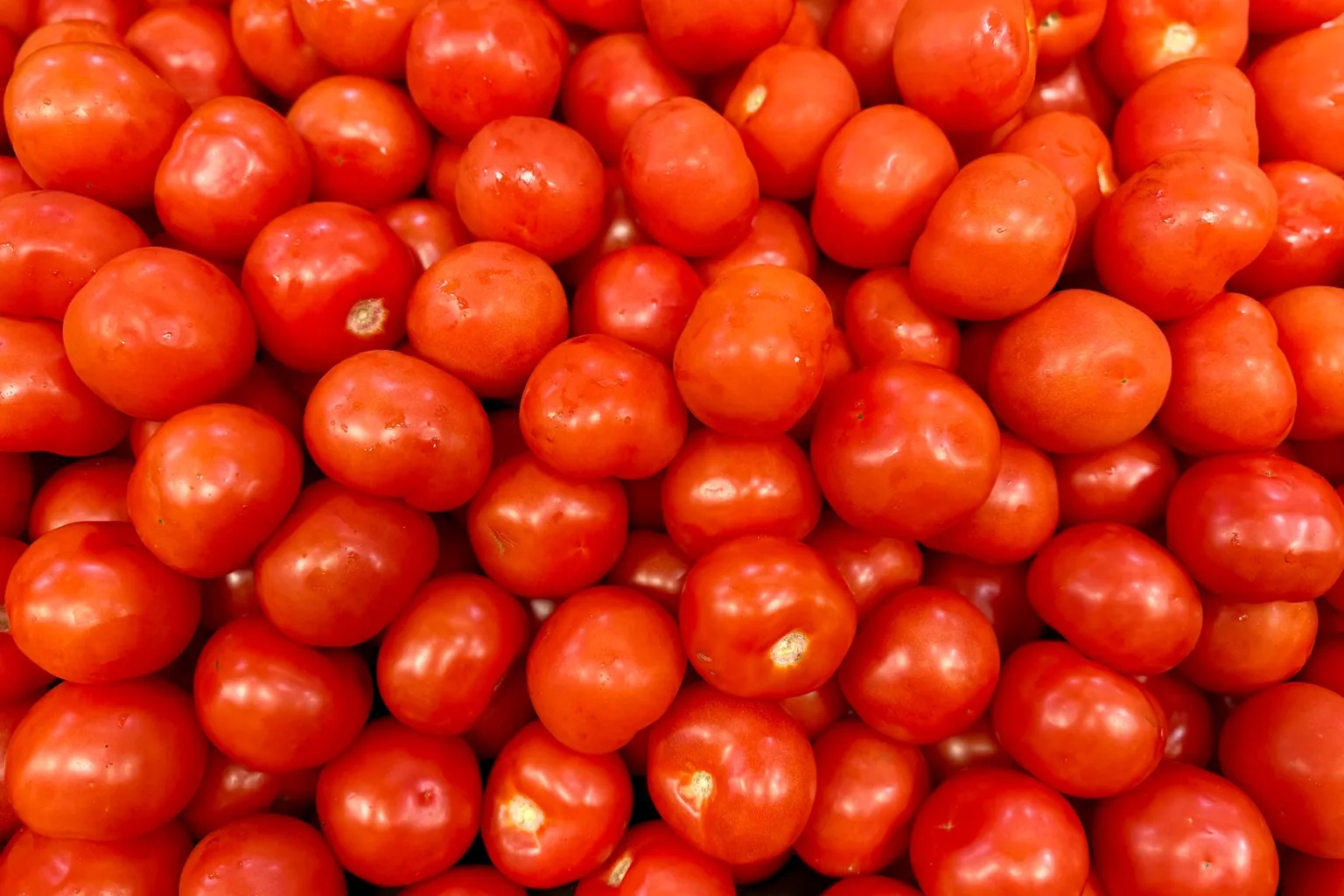
A medium tomato is a fresh tomato of an intermediate size, but the term does not identify a particular variety or establish a universal weight or set of dimensions. Tomatoes belong to the nightshade family and are used as a vegetable in cooking, although botanically they are fruits. Variety, growing conditions, ripeness, and handling all affect their flavor, texture, and cooking behavior. As a result, two tomatoes of similar size may differ in juiciness, flesh, seeds, and acidity. In everyday cooking, they can be served raw or added to hot preparations; choose according to the intended use and degree of ripeness, rather than size alone.
When to use it
Use them raw when you want juiciness in salads, sandwiches, or simple dishes where the tomato remains noticeable. Choose firm fruit that yields slightly to gentle pressure when you need neat slices. For soups, stews, and sauces, tomatoes can be chopped, crushed, or cooked until they reach the texture you want. No size or variety is reserved for just one recipe: flesh and juiciness vary, so adjust the cut and amount of liquid to suit the result you are after.
How to use it
Before eating or preparing tomatoes, wash them gently under cold running water and dry them. Remove the stem end and cut the flesh into slices, cubes, or pieces to suit the dish. Serve them raw in salads and sandwiches, or with olive oil, herbs, and other ingredients of your choice. For cooking, roast, bake, stew, or blend them into a soup or sauce; heat softens the flesh and changes its texture. If they release more liquid than expected, drain some off or cook the preparation longer as appropriate to the recipe. Do not assume that all medium tomatoes have the same firmness or juiciness.
Flavour and texture
Flavor and texture depend on variety and ripeness, not size alone. A tomato may taste sweet, tangy, or balanced, and its flesh may be firm, meaty, or very juicy. As it ripens, it may soften; cooking makes the flesh more tender and can help it blend into a dish. Skin, seeds, and juiciness also vary, so it can be useful to taste or cut a tomato before deciding how much liquid a recipe needs.
How to choose it
Look for clean tomatoes with smooth skin and no black areas, cracks, cuts, or major bruises. They should feel firm or yield slightly to gentle pressure without becoming misshapen. The right color depends on the variety; not every ripe tomato is red. Avoid very soft fruit unless you plan to cook it promptly. Medium size does not guarantee a particular flavor, texture, or amount of juice, so choose according to the preparation and your preference.
Storage
If ripe and you want to preserve flavor and texture, keep tomatoes at room temperature and avoid intense cold. If they are not yet ripe, leave them away from direct sunlight and heat; cold can interfere with further ripening. Check them and use softer or damaged fruit first. The available evidence does not support one storage duration for every tomato: variety, ripeness, and handling all make a difference.
Substitutions
In salads, cherry tomatoes can replace medium tomatoes; adjust the number and cut to suit the recipe. For a cooked sauce, plum tomatoes or canned tomatoes can work, but their firmness and liquid content may differ. Taste and adjust cooking, liquid, and seasoning rather than assuming an exact equivalence. A cooked substitute will not give the same result when the texture of fresh tomato is central to the dish.
Common mistakes
Do not choose by size or color alone: variety and ripeness affect flavor and texture. Consider ripeness and intended use before refrigerating, since cold temperatures can harm flavor and texture. Do not soak tomatoes when washing them; rinse them gently under running water. Use very soft fruit promptly, or discard it if it shows rot.
Safety and allergens
Wash tomatoes gently under cold running water before eating or preparing them, and use clean hands, surfaces, and utensils. Remove damaged areas; if a tomato is rotten or its condition cannot be judged safely, do not use it. For home canning, follow a tested preservation recipe and do not improvise the process.
Culinary uses
- fresh salad ingredient
- juicy component for sauces and soups
- topping or filling for sandwiches and toast
Recommended techniques
- slice or dice for raw dishes
- roast, grill, bake, or stew
- blend or crush for soups and sauces
Pairs well with
- olive oil and basil
- mozzarella and bread
- onion, garlic, and herbs
Frequently asked questions
Does medium tomato mean a particular variety?
No. It describes an approximate size, not a specific variety or universal dimensions. Flavor and texture can vary from one tomato to another.
Can medium tomatoes be eaten raw?
Yes. Wash them under cold running water, dry them, and slice or chop them for salads, sandwiches, and other fresh dishes.
How should I store them?
To better preserve flavor, avoid intense cold and keep ripe tomatoes at room temperature. Keep tomatoes that are still ripening away from direct sun and heat.
Sources and review
Automatically researched, cross-checked and validated content. Sources consulted:
- En el etiquetado alimentario hay algunas menciones que son obligatorias eletiquetadocuentamucho.aesan.gob.es
- Vamos a Conservar Alimentos: Tomates extension.psu.edu
- Variedades de tomates: guía completa con tipos, características y usos jardineriaon.com
- El tomate: orígenes, variedades y propiedades de este alimento | Excelencias Gourmet excelenciasgourmet.com
- Tipos De Tomates: Variedades Y Usos Culinarios | La Fallera lafallera.es
- 6 VARIEDADES DE TOMATES Y SUS USOS EN COCINA - Masymas Supermercados super-masymas.com
- Aesan - Agencia Española de Seguridad Alimentaria y Nutrición aesan.gob.es
- Tipos de tomate y cómo usarlos academianutricionydietetica.org
- Tomate: propiedades, variedades y valor nutricional | OCU ocu.org
- Tomates de "penjar" Herrera mapa.gob.es
- Tomatoes | Cooperative Extension Service uaf.edu
- Tomates | Center for Community Health communityhealth.ucsd.edu
- Tomate | Postharvest Research and Extension Center postharvest.ucdavis.edu
- Tomatoes | UC Master Food Preserver Program of Orange County ucanr.edu
- How to Preserve Tomatoes | USU extension.usu.edu