- Category
- Grains, flour and pasta
- State
- Dry
- Usual unit
- g
What it is
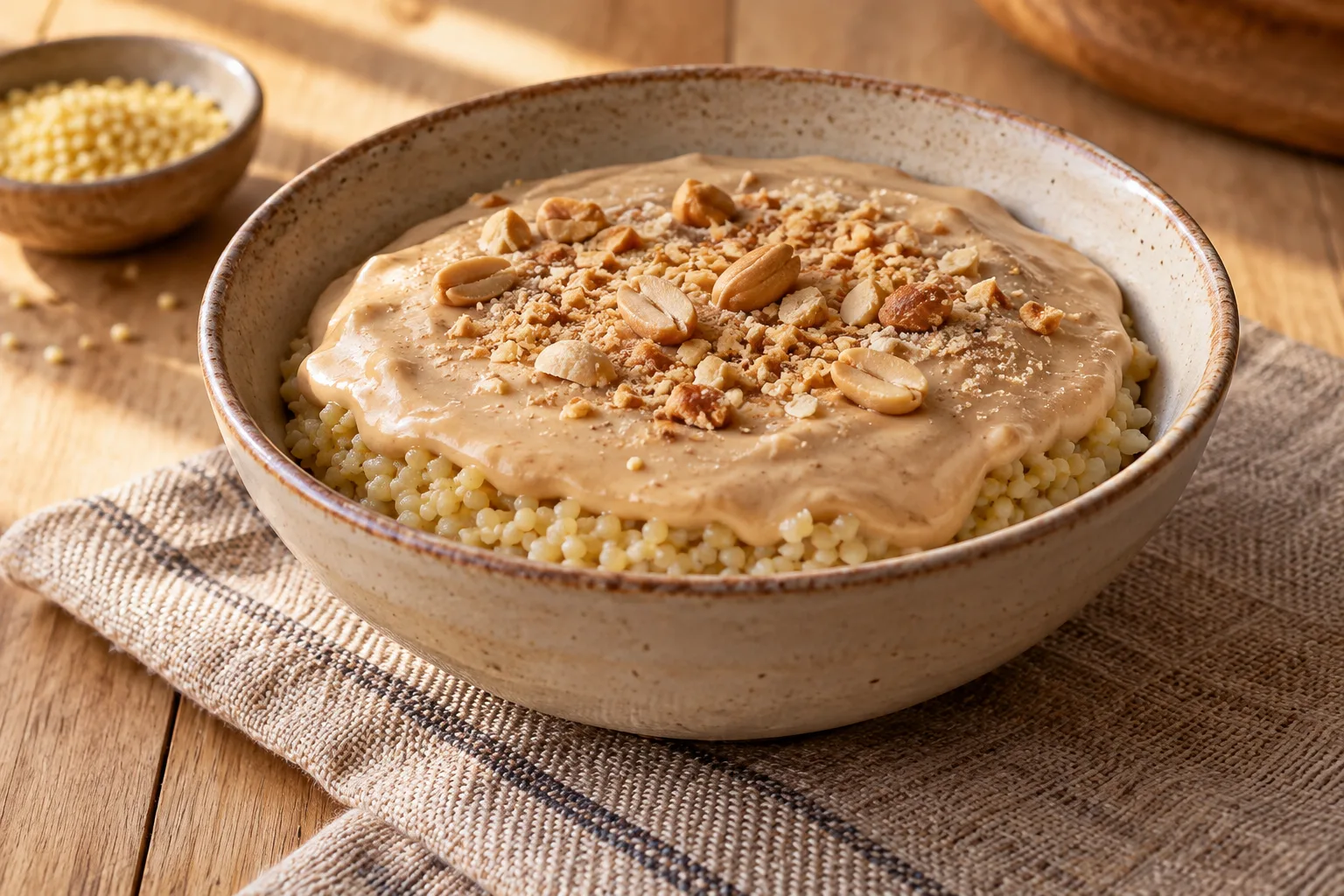
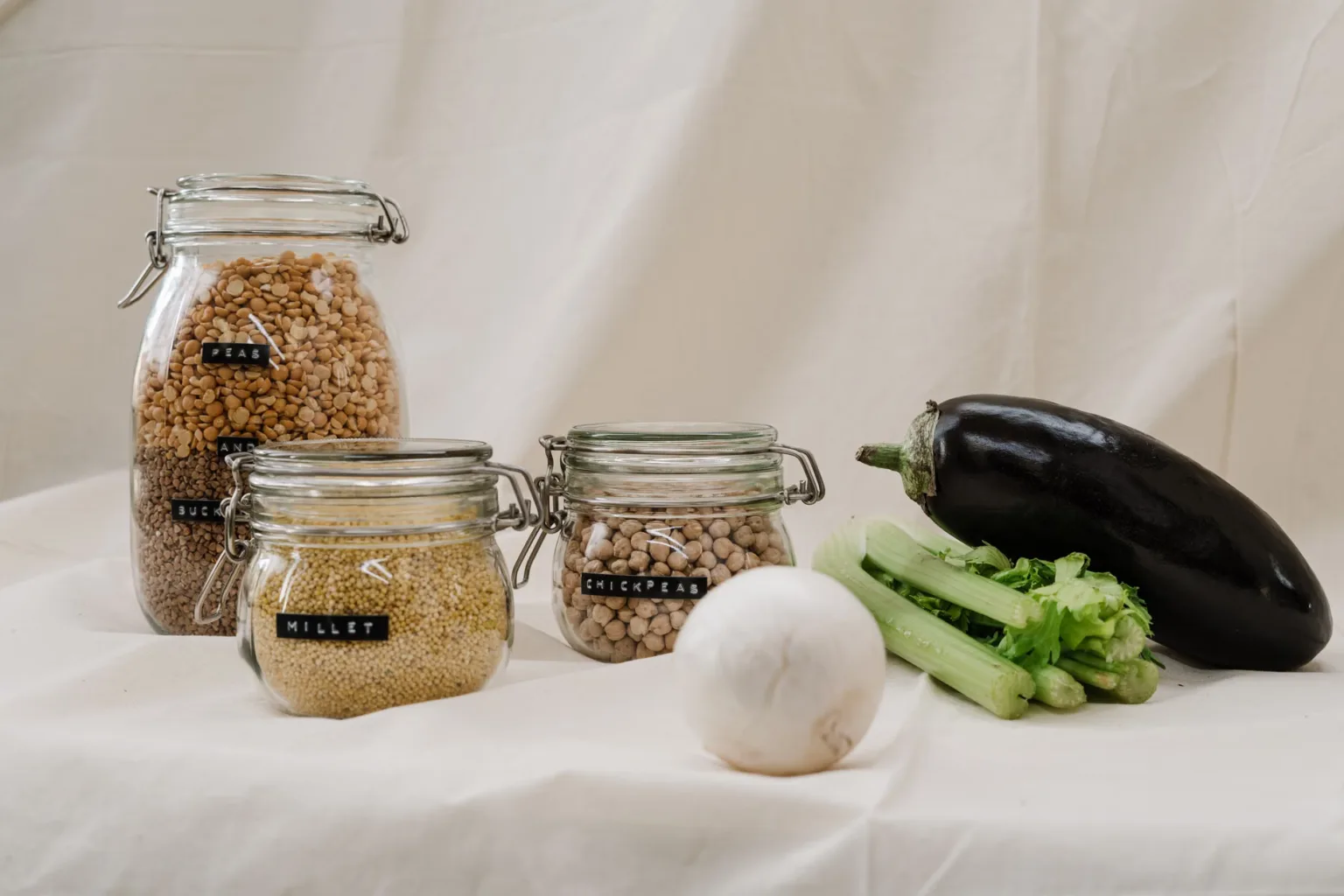
Millet does not refer to just one species; it is a broad agronomic group of small-seeded cereals. In the kitchen, it is commonly sold as a dry grain, though the exact type and form can vary. Products also include millet flour and flakes. Cooked whole grain can be served as a side, added to salads, soups, and stews, or used in sweet dishes. The amount of water affects the result: less water tends to produce a fluffier grain, while more water gives a softer consistency. Because millet includes different varieties, consider the product and the texture you want before cooking rather than assuming every millet behaves the same way.
When to use it
Use millet when you want an alternative to rice or pasta in a side dish, salad, soup, or stew. It can also form the base of porridge and breakfast dishes, and ground millet can be used in flatbreads, pancakes, and baking. For a fluffier grain, follow the water guidance for the product and avoid adding liquid without considering the desired texture; a softer result generally calls for more. Cooking time and water needs vary by type, so check the grain as it cooks instead of expecting every variety to behave identically.
How to use it
Before cooking, rinse the grain thoroughly until the water runs clear, as the FAO guide recommends. If you like, soak it for a couple of hours or overnight; the guide notes that soaking may help shorten cooking. As a general starting point, use one part millet to two parts water for a fluffier result, or one part millet to three parts water for a softer consistency. The variety matters, so treat these as guidance rather than fixed rules. To cook in a pot, bring the water to a boil, reduce the heat, cover, and simmer; stir occasionally to help prevent sticking. The guide also describes using a rice cooker or oven. Match the method to the variety and texture you want, then serve the cooked millet in salads, sides, soups, or sweet dishes.
Flavour and texture
Millet is described as mild and fairly neutral, with a slight buttery note; its aroma may seem sweet and reminiscent of nuts. The cooked texture depends on the amount of water: less tends to keep the grain fluffier, while more produces a softer result. Variety and cooking method also make a difference, so taste it before adding it to a dish where texture is important.
How to choose it
Millet is sold in different varieties and in forms such as flour and flakes, so check the package to confirm what you are buying. For whole-grain cooking, choose a product labeled as grain and check that the package is closed and has no visible moisture. The preparation guidance recommends rinsing millet to remove impurities; a quick look before rinsing can also help you spot anything that does not belong. Do not assume all varieties need exactly the same amount of water or cook in the same way.
Storage
The available guidance for whole, dry millet is to keep it in a tightly closed container in a cool, dry place away from sunlight, protected from outside contamination. Flour needs more attention: the source notes that it may turn rancid more readily if it retains some of the germ, and that flour is generally less straightforward to store than whole grain. Also follow the package directions, since the product form and processing may affect its specific storage instructions.
Substitutions
Millet can stand in for rice or pasta in some side dishes, soups, and stews, but it will not give exactly the same texture. Other small grains may work in a similar role, though each variety absorbs liquid and cooks differently. Start with the directions for the chosen product and adjust the texture rather than automatically applying millet’s water proportions.
Common mistakes
Do not skip rinsing if you want to remove impurities, and do not choose a water ratio without considering the texture you want. Less liquid tends to give a fluffier result, while more produces a softer one. It is also a mistake to assume that every variety needs the same cooking time: the preparation guidance says timing varies by type. Check the grain as it cooks and stir occasionally to help keep it from sticking.
Safety and allergens
Rinse the grain before cooking and remove any visible impurities. Store dry millet in a closed container in a cool, dry place away from light, and follow the package instructions. The available evidence does not identify a millet-specific safety warning.
Culinary uses
- Grano cocido para guarniciones, ensaladas y platos principales
- Base para gachas, sopas y preparaciones dulces o saladas
- Ingrediente para tortitas, panes planos y repostería, especialmente molido
Recommended techniques
- Enjuagar el grano antes de cocinarlo
- Cocer a fuego lento con agua; ajustar el líquido a la textura buscada
- Remojar antes de cocinar, si se desea, para favorecer una cocción más corta
- Preparar en arrocera o al horno, adaptando el proceso a la variedad
Pairs well with
- Verduras y curry
- Garbanzos y mejillones
- Frutas y frutos secos en ensaladas o preparaciones dulces
- Leche o lácteos en gachas y desayunos
Frequently asked questions
Should millet be rinsed before cooking?
The FAO guide recommends rinsing it thoroughly, until the water runs clear, to remove impurities.
How much water should I use for millet?
As general guidance, the FAO guide suggests one part millet to two parts water for a fluffier result, or one part millet to three parts water for a softer consistency. The variety also matters.
What can I make with millet?
Use it as a side dish or in salads, soups, stews, porridge, pancakes, and baked goods.
Estimated nutrition
- Fat
- 1 g
- Saturates
- 0.17 g
- Carbohydrate
- 23.57 g
- Sugars
- 0.13 g
- Fibre
- 1.3 g
- Protein
- 3.5 g
- Salt
- 0.42 g
Sources and review
Automatically researched, cross-checked and validated content. Sources consulted:
- Client Challenge doi.org
- Recetario del mijo fao.org
- A PROGRAM FOR extension.usu.edu
- Aplicaciones de la Biotecnología en Seguridad Alimentaria aesan.gob.es
- Food & Fun Afterschool hsph.harvard.edu
- Agricultura revista agropecuaria, ISSN mapa.gob.es
- Honoring culture while pursuing sustainability: Sydney Mijo’s journey to empowering her community | College of Liberal Arts | Oregon State University liberalarts.oregonstate.edu
- PREHISTORIC & EARLY HISTORIC FOOD CROP DIVERSITY crfs.arizona.edu
- Hawaii Community College hawaii.hawaii.edu
- Live in Fragments digitalcommons.lindenwood.edu
- whynotMP csun.edu
- Mijo: qué es, propiedades y beneficios bonviveur.com
- Mijo - Wikipedia, la enciclopedia libre es.wikipedia.org
- Usos del mijo como alimento – Botanical-online botanical-online.com