- Category
- Meat
- State
- Fresh
- Usual unit
- g
What it is
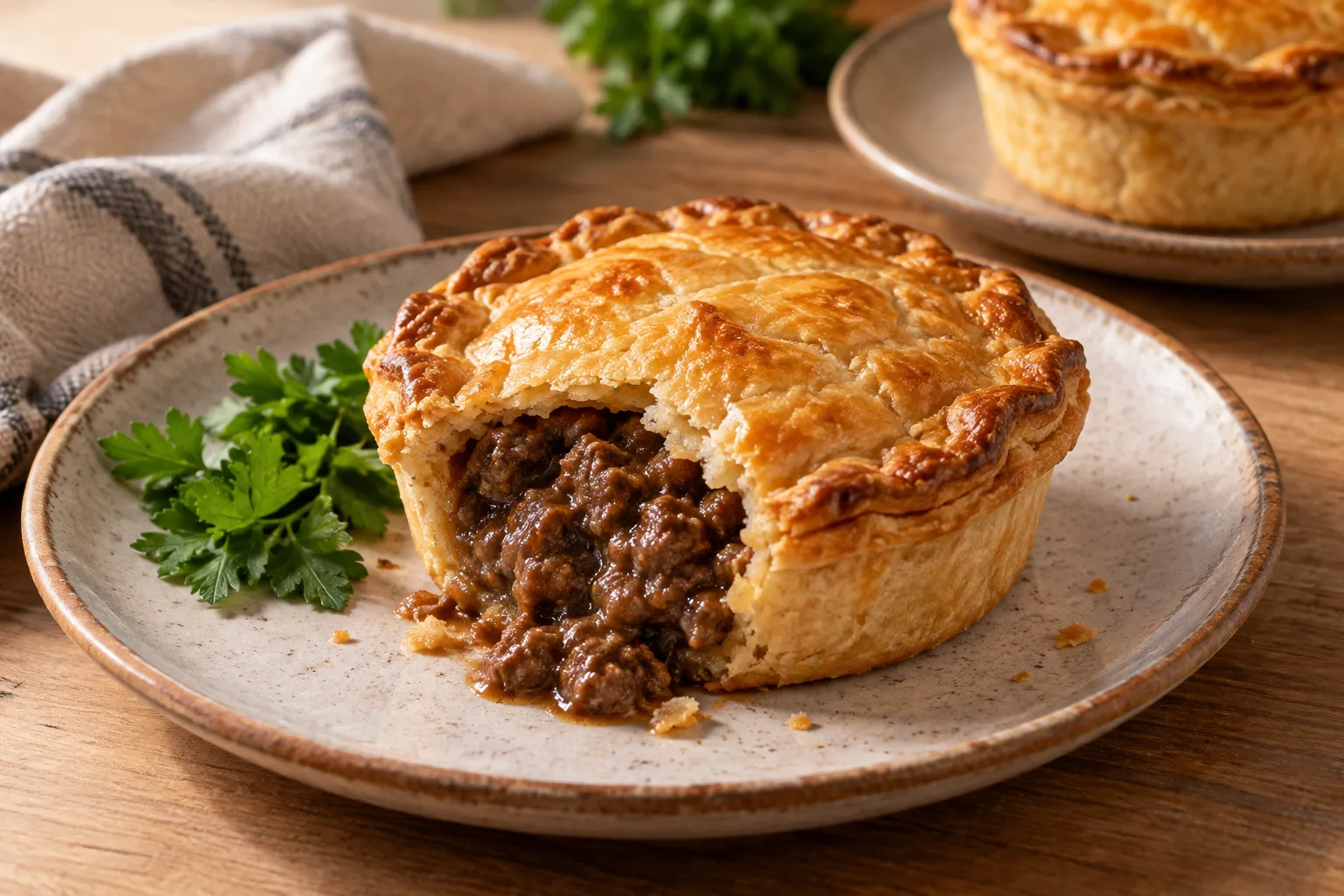
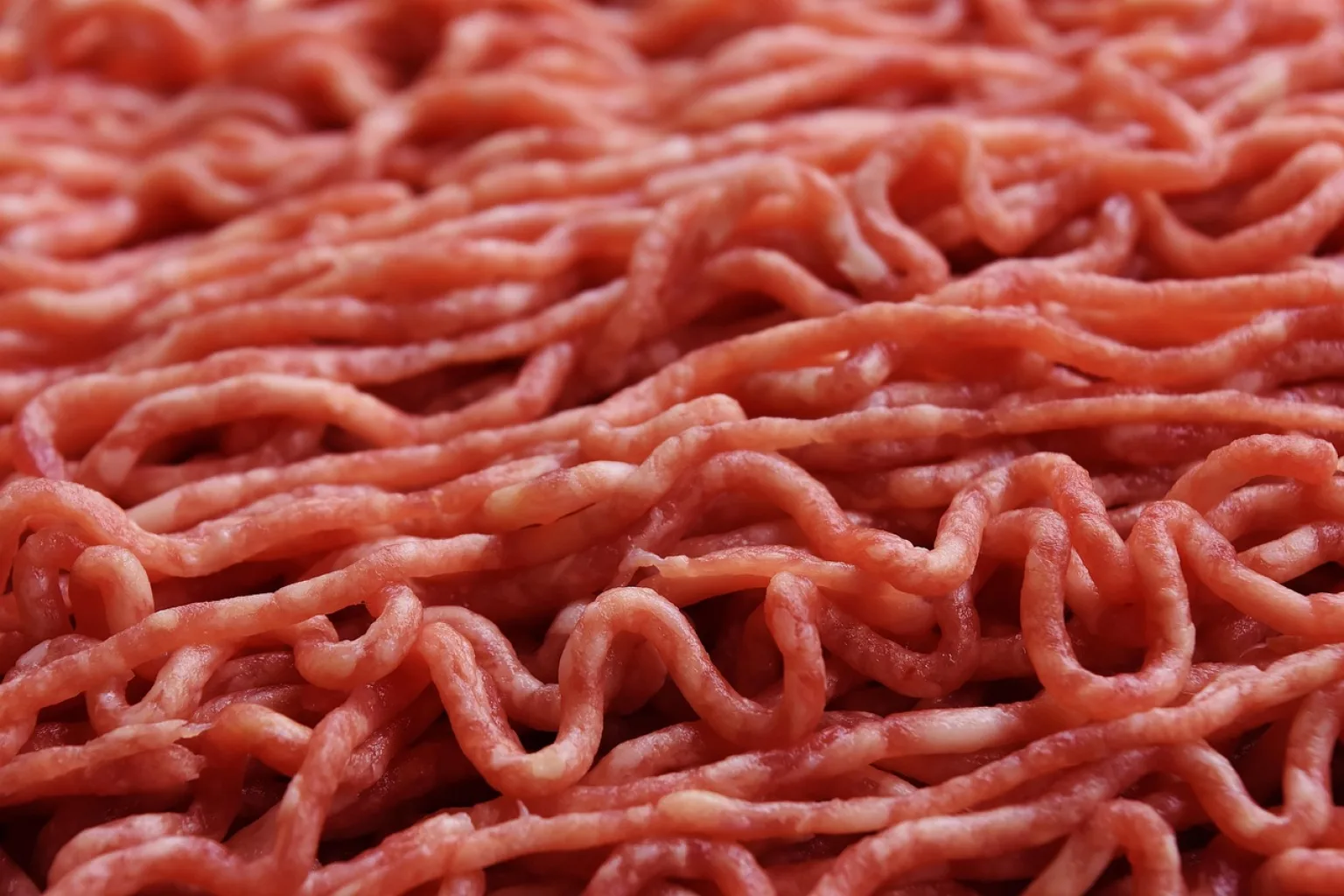
Minced beef is beef reduced to small pieces using a mincer, knife or another cutting method. Depending on the cuts used, the mince can include muscle, fat and connective tissue, so fat content and texture may vary from one product to another. “Minced” describes the size and form of the meat; it does not mean that it has been cooked or that other ingredients have been added. It is worth distinguishing plain minced beef from prepared products such as some shop-bought burgers, which may include seasonings or other ingredients. Its small pieces are easy to distribute through a mixture, shape into patties or cook in a sauce or filling.
When to use it
Choose minced beef when you want meat that can be distributed evenly through a dish or shaped into burgers and meatballs. It also works as a filling for pastries, pasta or vegetables, and as a base for tomato sauces. In baked dishes, cook it as part of the filling before layering it with other ingredients, as in a meat-and-potato bake. If the composition matters to your recipe, check whether the product is plain mince or a prepared product with added ingredients: the two may not be interchangeable without adjusting the recipe.
How to use it
Before cooking, check the label to see whether the product is plain minced beef or a seasoned meat preparation. Mix it with flavourings and shape it into burgers or meatballs, or add it to a sautéed base, stir in tomato sauce and simmer gently until thoroughly cooked. For a filling, cook the mince with the other ingredients before using it in pastries, vegetables or pasta. For an oven-baked dish, layer cooked mince with mashed potato and brown the top. Handle the meat as raw and follow the cooking and storage directions on the package or from your local food-safety authority.
Flavour and texture
Because it is cut finely, minced beef has many small pieces that blend readily into a mixture and can give a more pronounced flavour than larger pieces of meat. Its texture and juiciness depend partly on the cuts and fat proportion used, so there is no single texture shared by every product. In a sauce, the pieces can become evenly distributed and tender; shaped as a burger or meatball, the mince holds together as a compact form. Do not assume that every pack has the same fat content or behaves identically during cooking.
How to choose it
Read the product name and ingredient list to distinguish plain mince from a prepared product such as a burger or seasoned meat. If you need to know what it contains, ask which cuts were minced and whether anything besides beef has been added. Fat content and texture can vary with the meat used, so choose for the dish rather than assuming all packs are alike. Check that the packaging is intact and read its date and storage instructions before buying.
Storage
Minced beef is raw meat, and mincing leaves more of its surface exposed. Avoid leaving it unattended and follow the date and storage directions on the package. Keep it separate from ready-to-eat foods while handling it, and store it according to the package and local food-safety authority guidance. A universal storage time or temperature cannot be specified here; it may depend on the product and its packaging. If the package is damaged or you are unsure how it has been stored, do not rely on appearance or smell alone.
Substitutions
Minced pork, lamb or poultry can be used as alternatives; they are other kinds of mince, not exact equivalents for beef. Changing the meat may alter the dish’s flavour, texture and result, so choose to suit the recipe and adjust seasonings if needed. For safe handling, check the product directions and cook it according to guidance applicable to that meat.
Common mistakes
Do not assume every minced-meat product contains only meat: check whether it is a preparation with salt, spices or other ingredients. Nor should a raw burger or meatball be treated as already cooked. Because mince has more exposed surface than an intact cut, avoid leaving it unattended and take appropriate precautions before it comes into contact with ready-to-eat food. Do not assume every type has the same fat content or behaves the same way in a pan.
Safety and allergens
Treat it as raw meat, prevent contact with ready-to-eat foods, and follow package directions or local food-safety authority guidance for cooking and storage. The available evidence does not support universal times or temperatures here.
Culinary uses
- Base para hamburguesas y albóndigas
- Relleno para empanadas, pasta y verduras
- Componente de salsas y guisos
Recommended techniques
- Dorar o rehogar en sartén
- Cocer suavemente en una salsa
- Hornear en preparaciones montadas
Pairs well with
- Cebolla, ajo y tomate
- Albahaca y hierbas aromáticas
- Patata, pasta y queso
Frequently asked questions
Is minced beef the same as a burger?
Not necessarily. Minced beef describes finely cut meat; a burger or prepared product may include salt, spices or other ingredients. Check the label.
What can I cook with minced beef?
Use it in burgers, meatballs, sauces, stews and fillings for pastries, pasta or vegetables.
Can I substitute another type of mince?
You can try minced pork, lamb or poultry, keeping in mind that the dish’s flavour and texture may change.
Sources and review
Automatically researched, cross-checked and validated content. Sources consulted:
- The Essential Glossary of Cooking Terms for the Culinary Arts - Escoffier escoffier.edu
- Comprobando su navegador doi.org
- Carne picada - Wikipedia, la enciclopedia libre es.wikipedia.org
- Carne de ternera picada - Gastronomía Vasca: Escuela de Hostelería Leioa gastronomiavasca.net
- Nutrition After Your Transplant - Health Online healthonline.washington.edu
- Dictionary of Health Related Terms: English – Spanish hia.berkeley.edu
- Trabajo electrónico aesan.gob.es
- Estudio de la actividad antioxidante de diversas plantas ... upcommons.upc.edu
- Recetas para comer fuera de casa: Hachis parmentier (pastel de carne) cordonbleu.edu
- El efecto de los nitratos en el rendimiento de atletas de élite diposit.ub.edu
- Carne picada de ternera: cómo elegirla, cuánta grasa debe tener, conservarla y cocinarla - El Mercado de Origen elmercadodeorigen.com
- Propiedades de la carne picada – Botanical-online botanical-online.com
- - YouTube youtube.com