- Category
- Herbs and spices
- State
- Fresh
- Usual unit
- g
What it is
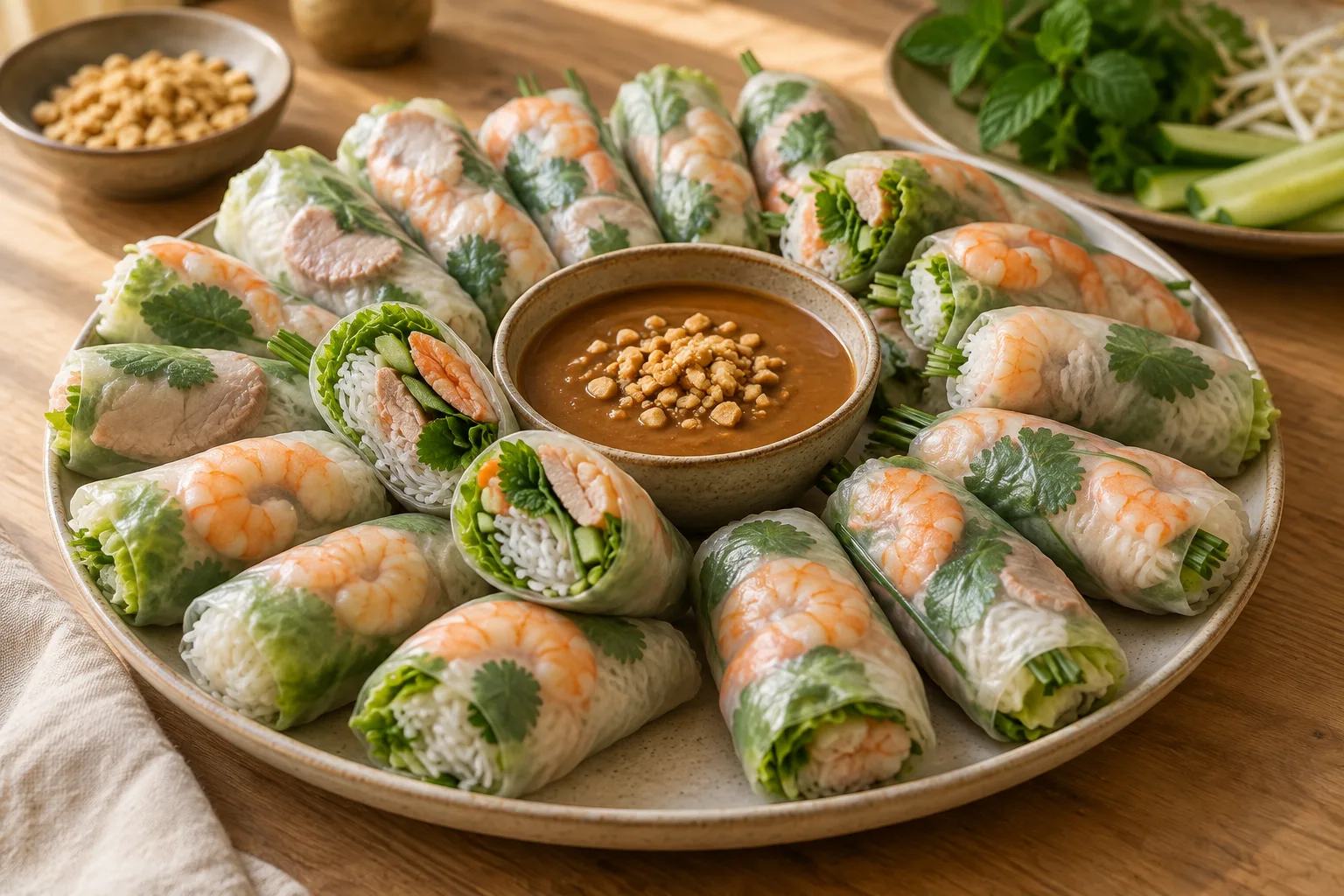
Mint is an aromatic herb in the Mentha genus. In culinary use, spearmint, or garden mint, commonly refers to Mentha spicata. Its leaves are used fresh or dried to flavor food and drinks. Not all mints should be assumed to be identical: varieties can differ in leaf shape, aroma and intensity. This profile covers fresh culinary mint as an ingredient, not as a remedy or medicinal product.
When to use it
Use fresh mint when you want a vivid, green, refreshing aroma in either savory or sweet food. The leaves suit salads, sauces, soups, vegetables and drinks, and can add an aromatic note to fruit desserts, ice cream or sorbet. Dried mint is often a better fit for stews and infusions. If you want a subtle result, start with a small amount, taste, and add more if needed.
How to use it
Rinse the leaves just before use and remove any damaged parts. Add them whole or chop them to distribute their aroma through salads, sauces, dips and vegetable dishes. Use the leaves in refreshing drinks or steep them in hot liquid for an aromatic infusion. Dried mint can go into stews and other slow-cooked dishes, or be used for infusions. Fresh and dried mint do not have identical flavor, so switch forms only when they suit the recipe and adjust the amount to taste.
Flavour and texture
Mint is valued mainly for its vivid, fresh, minty aroma. Fresh leaves have a tender texture and a green, aromatic character; dried leaves have a different profile and are not an exact copy of fresh mint. Variety and condition can affect intensity, so taste the dish before adding more.
How to choose it
Choose mint that looks fresh, with green leaves and no obviously damaged areas. Younger leaves are described as having more flavor, so they may suit recipes where you want a pronounced aroma. Check that the bunch is clean and that its leaves are not crushed or wilted. If buying dried mint, remember that its aroma and usual culinary uses differ from those of the fresh herb.
Storage
To store fresh mint, place the stems in a glass of water like flowers and loosely cover them with a plastic bag in the refrigerator. An extension guide says it can keep this way for up to a week. Rinse the leaves just before use. Avoid tightly crushing or sealing the bunch, and remove any leaves that deteriorate.
Substitutions
Culinary mint can replace spearmint in some recipes, but its aroma may be more pronounced or otherwise different, so adjust the amount to taste. Dried spearmint is another option when the recipe suits dried herbs, such as some stews or infusions. Fresh and dried forms have different flavor profiles, so a swap may change the result.
Common mistakes
Do not treat fresh and dried mint as identical: their aromas and customary uses differ. Avoid adding a large amount before tasting, since its aromatic character can dominate a dish. Rinse the leaves just before use, and do not assume every mint variety has the same aroma as spearmint.
Safety and allergens
Rinse the leaves under clean water just before use and discard damaged parts. The evidence available here does not establish a specific food-safety warning for fresh mint.
Culinary uses
- Hierba aromática para condimentar platos salados y dulces
- Aromatizante para bebidas e infusiones
Recommended techniques
- Añadir hojas frescas a ensaladas, salsas o bebidas
- Infusionar hojas frescas o secas en líquido caliente
- Incorporar hierbabuena seca a guisos y estofados
Pairs well with
- Cordero y otras carnes
- Ensaladas con fruta o sabores intensos
- Verduras, sopas y guisos
- Limón, yogur y chocolate
Frequently asked questions
Are spearmint and mint exactly the same?
Not necessarily. Spearmint commonly refers to Mentha spicata, while the name mint can include other varieties with different aromas and intensity.
Can I substitute dried mint for fresh?
It can work in recipes that suit dried herbs, such as some stews or infusions, but the aroma changes. Adjust the amount to taste.
How should I store fresh mint?
Place the stems in a glass of water, loosely cover them with a bag, and refrigerate. An extension guide gives up to a week; rinse the leaves before use.
Estimated nutrition
- Fat
- 0 g
- Saturates
- 0 g
- Carbohydrate
- 105 g
- Sugars
- 105 g
- Protein
- 0 g
- Salt
- 0 g
Sources and review
Automatically researched, cross-checked and validated content. Sources consulted:
- Client Challenge doi.org
- The Essential Glossary of Cooking Terms for the Culinary Arts - Escoffier escoffier.edu
- Nutrition After Your Transplant - Health Online healthonline.washington.edu
- Vamos a Conservar Alimentos - Home Food Preservation and Safety - Food Safety and Quality extension.psu.edu
- People’s Kitchen Collective: Cooking up resistance | CCA cca.edu
- Key Ingredient: Olive Oil | Institute of Culinary Education ice.edu
- Test PB Collection: FTE | Project Board Help ucanr.edu
- ‘Real food’ collective opens for business next to campus - Berkeley News news.berkeley.edu
- Hierbas Perennes | Servicio de Extensión de OSU extension.oregonstate.edu
- Books - Food Studies - Research Guides at UCLA Library guides.library.ucla.edu
- Hierbabuena: propiedades, beneficios y cómo utilizarla en nuestras recetas de cocina para aprovecharla al máximo directoalpaladar.com
- Hierbabuena- Gastronomía - Región de Murcia Digital regmurcia.com
- La hierbabuena en la cocina: cómo combinarla | Naturarla | Arla arlafoods.es
- Hierbabuena: para qué sirve, beneficios y cómo tomarla bonviveur.com
- Descubre los usos de la hierbabuena | Blog Verdecora verdecora.es
- Hierbabuena | HerbaZest herbazest.com