- Category
- Nuts and seeds
- State
- Dry
- Usual unit
- cup
What it is
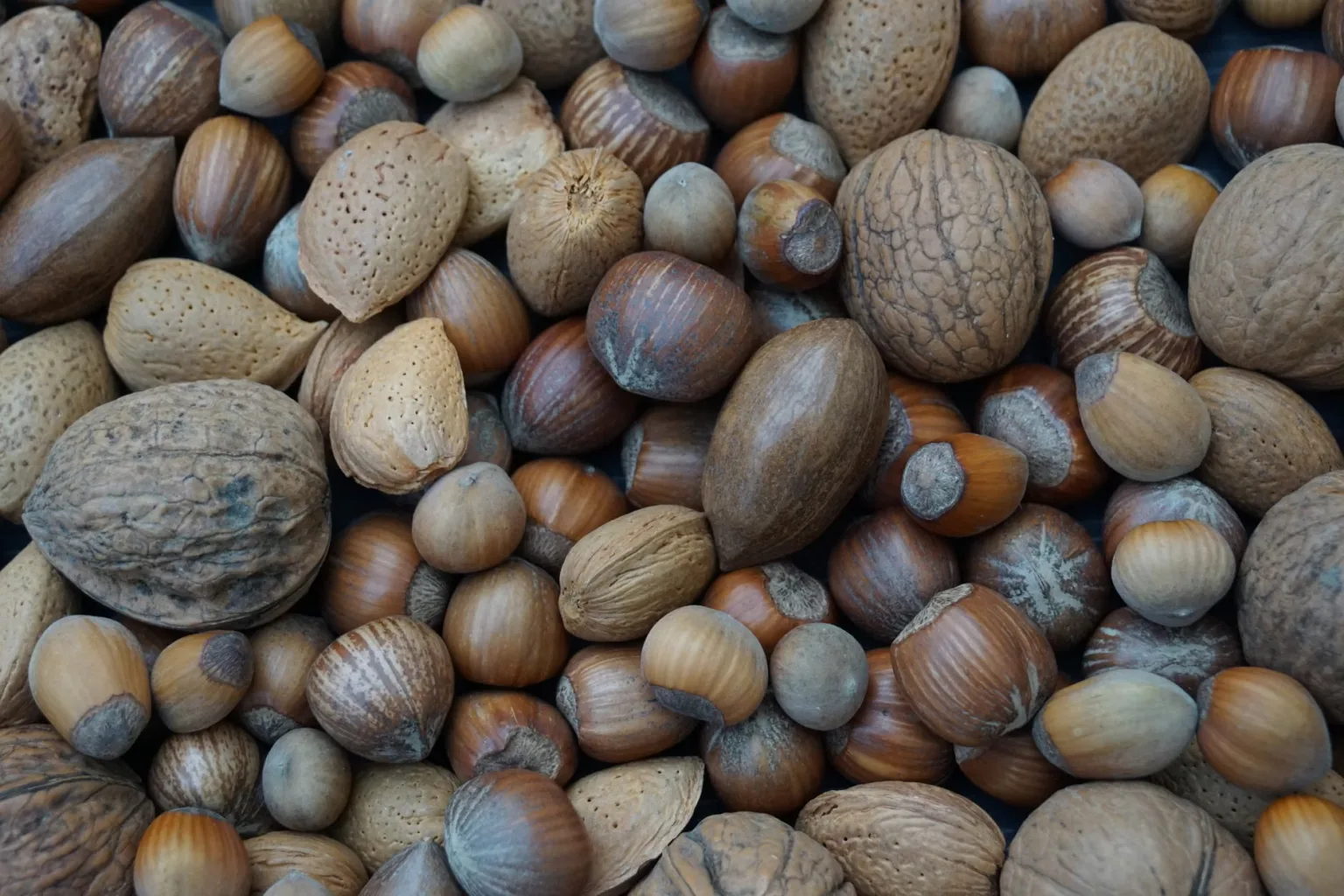
Mixed nuts are a combination of edible nuts sold ready to eat or to add to recipes. The name does not specify a single fixed recipe: the varieties depend on the product, and the nuts may be whole, chopped or roasted. In cooking, a blend is a convenient way to bring several flavors and textures into one ingredient. Do not assume that two packages contain the same selection. Read the ingredient list and product directions to find out what a particular blend contains and how it has been prepared.
When to use it
Use mixed nuts when you want a crunchy contrast in a soft dish, a simple snack to share, or several nut flavors in a recipe without preparing each variety separately. They can work in savory dishes with pasta, mushrooms, peppers, cheese, or some fish and meat preparations, as well as in baking and desserts. If the blend has a strong flavor, start with a small amount and taste before adding more. Before serving to a group, check the package and consider the dietary needs of the people eating.
How to use it
Serve the nuts whole as a snack, chop them to scatter over a salad, or fold them into a garnish. In pasta, a small amount of chopped nuts can add contrast alongside mushrooms or peppers; with fish or meat, they can contribute to a crunchy coating. For sweet dishes, add them to batters, desserts or combinations with chocolate, choosing a piece size that suits the recipe. You can also toast them carefully and let them cool before using. Since blends vary, taste them before adjusting salt or other seasonings, and check the package to see whether they are already roasted or seasoned.
Flavour and texture
Flavor and texture depend on which varieties are in the blend and whether the nuts are roasted, salted or chopped. A mix may combine mild and more assertive notes with firm, crunchy pieces, so there is no single profile that applies to every package. Chopping creates uneven-sized pieces, while scattering the mix through a dish gives occasional crunchy bites.
How to choose it
Read the ingredient list to identify the nuts in the blend, and check any notes about roasting or seasoning. The general name does not guarantee a standard combination. If you need to avoid a particular ingredient, do not rely on appearance alone: check the product label and manufacturer information. Choose whole or chopped nuts according to whether you want to serve them as a snack or mix them into a recipe.
Storage
Follow the storage directions on the package; the available evidence does not establish one universal time limit or storage condition for every blend. Keep the product in its closed packaging between uses if the label directs, and use the instructions that apply to the format you bought. Do not assume all products store the same way: ingredients, roasting and packaging can differ.
Substitutions
Another nut blend can stand in for the original if its ingredients suit the dish, but the flavor and crunch will change with the varieties. Edible seeds can work in some toppings or garnishes, though they will not reproduce the exact profile of nuts. Check the alternative’s ingredients and adjust the amount to taste.
Common mistakes
Assuming every blend has the same ingredients, adding it without tasting whether it is already salted or roasted, and leaving it unattended while toasting are avoidable mistakes. Check the label, season after tasting, and watch closely during toasting because small pieces can burn quickly.
Safety and allergens
Check the package before serving, especially when someone has an allergy or specific dietary needs. If you cannot confirm what the blend contains, do not present it as suitable for that person. Ingredients can vary between products; follow the package directions.
Culinary uses
- Aperitivo o tentempié
- Aporte crujiente para platos dulces y salados
- Ingrediente para mezclas, coberturas y guarniciones
Recommended techniques
- Picar o trocear para repartir en una preparación
- Tostar para intensificar el contraste crujiente; vigilar para que no se quemen
- Añadir entero o picado al final cuando se quiera conservar más textura
Pairs well with
- Quesos y compota de higos
- Pasta con setas o pimientos
- Pescado o carne con una cobertura crujiente
- Fruta, chocolate y preparaciones de repostería
Frequently asked questions
Do all mixed-nut blends contain the same ingredients?
No. The name describes a mixture, not a fixed recipe. Check the package ingredient list to find out what a particular product contains.
How can I use mixed nuts in a savory dish?
Chop them and use them as a crunchy garnish with pasta, vegetables, cheese, or some fish and meat dishes. Taste the blend first so you can adjust the seasoning.
Can I replace mixed nuts with seeds?
Edible seeds can work in some toppings or garnishes, but they will change the flavor and texture. Check that the alternative is suitable for the people eating.
Estimated nutrition
- Fat
- 50 g
- Saturates
- 7.14 g
- Carbohydrate
- 25 g
- Sugars
- 3.57 g
- Fibre
- 7.1 g
- Protein
- 17.9 g
- Salt
- 0.72 g
Sources and review
Automatically researched, cross-checked and validated content. Sources consulted:
- Preparación para Emergencias: Almacenamiento de Alimentos a Largo Plazo para Desastres | CAES Field Report fieldreport.caes.uga.edu
- Client Challenge doi.org
- Los alimentos como medicina: la dieta antiinflamatoria | Children's Hospital of Philadelphia chop.edu
- educational content to support healthful lifestyle practices sjsu.edu
- Healthy Eating Plan for Weight Management med.uc.edu
- Vamos a Conservar Alimentos: El secado de frutas y vegetales (Deshidratación) extension.psu.edu
- Home food preservation | Servicio de Extensión de OSU extension.oregonstate.edu
- Nuts: Safe Methods for Consumers to Handle, Store, and ... ucfoodsafety.ucdavis.edu
- Edition Parent Communications Unit 7: Fruits and Veggies hsph.harvard.edu
- Frutos secos: nombres, variedades y lista completa somoscorbera.com
- Frutos secos en la cocina: cómo utilizarlos - Pistì pisti.it
- Frutos secos en el mundo: historia y cultura global en 2025 frutossecosauro.es
