- Category
- Dairy and eggs
- State
- Fresh
- Usual unit
- g
What it is
Mozzarella is a fresh pasta-filata cheese: during production, the curd is worked and stretched into a flexible, elastic mass. It is usually pale, mildly milky in flavor, and has no pronounced rind. Although traditionally associated with buffalo’s milk, it is also made with cow’s milk, and other variations exist. The name alone therefore does not necessarily tell you which milk was used or how moist the cheese will be. It may be sold as fresh balls, sometimes packed in liquid, or in lower-moisture formats designed for cooking. These differences affect juiciness and how the cheese behaves when heated.
When to use it
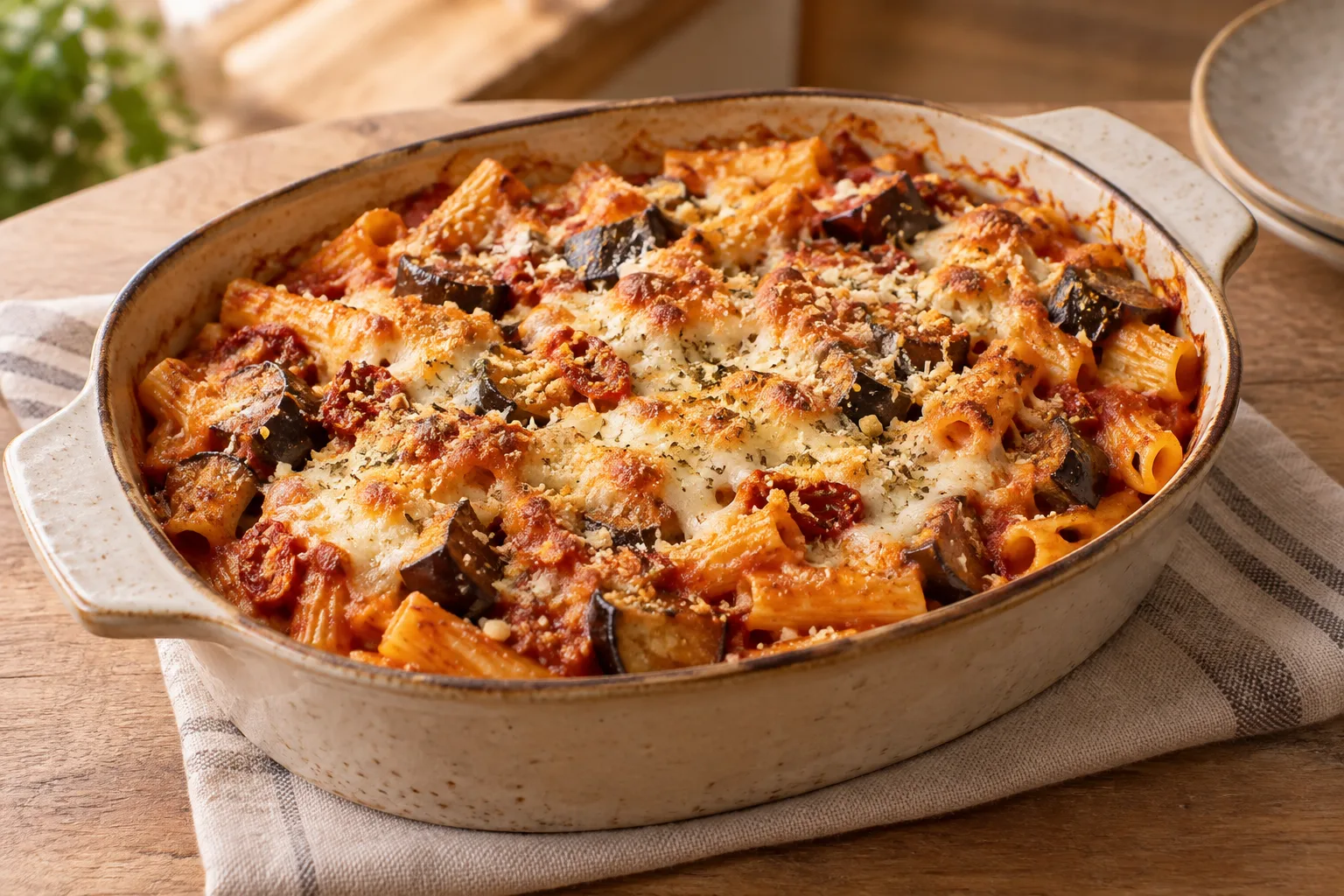
Choose fresh mozzarella when you want a tender, juicy cheese for salads, sandwiches, or dishes served without cooking. It pairs especially well with tomato and basil, and can also be served with olive oil. For pizza, baked pasta, and gratins, choose a format based on its moisture and the result you want: fresh mozzarella may release liquid, while a lower-moisture version is often more convenient for melting. Buffalo’s milk and cow’s milk versions differ in flavor and texture; check the label to tell them apart.
How to use it
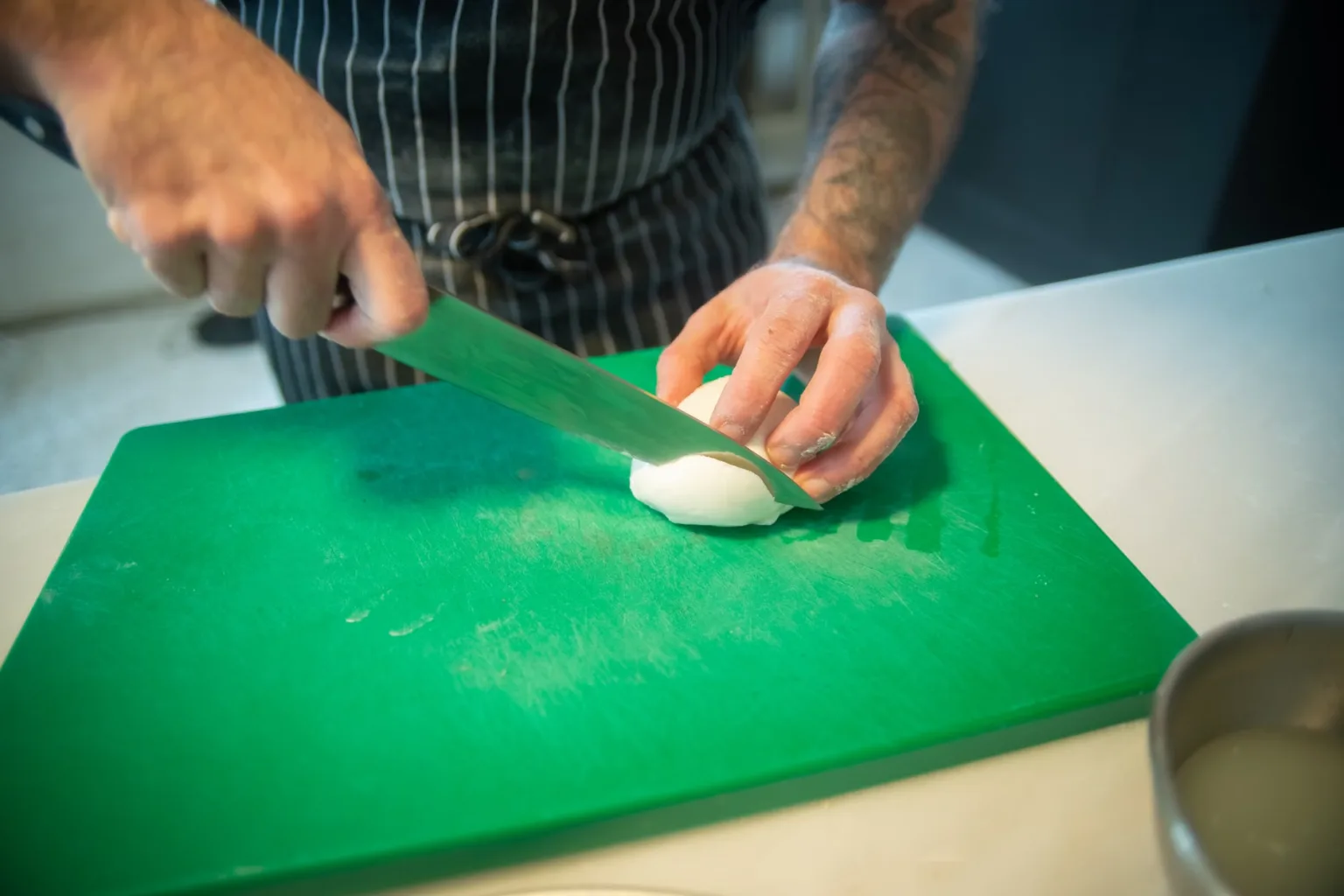
Before using fresh mozzarella on pizza, in a hot sandwich, or in a gratin, drain it and consider gently drying the surface to limit the liquid that enters the dish. Not every format needs the same treatment: lower-moisture mozzarella can be used directly as the recipe requires. For cold dishes, slice or tear it into pieces and serve with tomato, basil, or olive oil. In hot dishes, add it to melt or brown; avoid cooking it longer than necessary if you want to keep a tender texture. Adjust the cut and the point at which you add it to suit the recipe.
Flavour and texture
Mozzarella usually has a mild, milky flavor that does not overpower other ingredients. Its texture is flexible and elastic, while fresh versions are tender and juicy. Moisture, format, and milk type can change the mouthfeel and how it behaves when heated. Fresh pieces may release liquid; lower-moisture formats are firmer and more convenient for some melted preparations.
How to choose it
Read the product name and ingredient list to find out which type of mozzarella you are buying and which milk it contains; do not assume that the name means it is made with buffalo’s milk. Choose the format for the job: a fresh, moist piece for cold serving, or a lower-moisture product when you want to control liquid in pizza and baked dishes. Check the package for date, storage, and use instructions. If you have a milk allergy, check the product’s allergen information.
Storage
Fresh mozzarella is perishable. Keep it refrigerated and follow the package’s storage, duration, and use instructions, which can differ between products and formats. If it is packed in liquid, keep it with that liquid when the label directs you to do so, and avoid leaving it exposed to prevent drying. After opening, check the product’s specific instructions; there is no single storage period that applies to every mozzarella.
Substitutions
The best alternative depends on whether the mozzarella will be served fresh or melted. In hot dishes, provolone can provide a melting quality, while Edam is another relatively mild option; neither exactly reproduces mozzarella’s elasticity and moisture. For a cold dish where a very creamy texture is wanted, burrata can work, although its texture is different. Match the alternative to the recipe and the intensity you want.
Common mistakes
A common mistake is treating every mozzarella format alike: moisture and format affect the result. If a fresh piece goes straight into a hot dish without draining, it may release liquid and make the dish wet. Avoid unnecessarily long cooking too, since the texture can become more rubbery. Do not assume which milk it contains; check the label before buying or serving it.
Safety and allergens
Mozzarella contains milk; check allergen information if there is a risk of allergy or intolerance. As a fresh, perishable food, keep it refrigerated and follow the package’s date, storage, and use instructions. The cited food alerts concern specific products, so check current official notices if you have concerns.
Culinary uses
- Queso de mesa para servir fresco
- Queso para fundir y gratinar
Recommended techniques
- Escurrir antes de añadir a preparaciones calientes
- Cortar en rodajas, trozos o desgarrar con las manos
- Fundir o gratinar en pizzas y platos al horno
Pairs well with
- Tomate y albahaca
- Aceite de oliva
- Pizza, pasta y pan
Frequently asked questions
Is all mozzarella made with buffalo’s milk?
No. It is also made with cow’s milk, and other variations exist. Check the product name and ingredients to find out which milk it contains.
Should I drain mozzarella before putting it on pizza?
If it is fresh and moist, draining it helps limit the liquid released onto the pizza. Lower-moisture formats may be more convenient; follow the product instructions.
How should fresh mozzarella be stored?
Keep it refrigerated and follow the package’s storage and duration instructions. There is no single time limit for every format.
Estimated nutrition
- Fat
- 17.1 g
- Saturates
- 10.9 g
- Carbohydrate
- 3.1 g
- Sugars
- 1.23 g
- Fibre
- 0 g
- Protein
- 27.5 g
- Salt
- 0.04 g
Sources and review
Automatically researched, cross-checked and validated content. Sources consulted:
- En el etiquetado alimentario hay algunas menciones que son obligatorias eletiquetadocuentamucho.aesan.gob.es
- Client Challenge doi.org
- Alerta por presencia de toxina estafilocócica en mozzarella ... aesan.gob.es
- Mozzarella - Wikipedia, la enciclopedia libre es.wikipedia.org
- Queso mozzarella: qué es, tipos y usos en la pizza ditaly.es
- Todo sobre la mozzarella: tipos, usos y trucos para cocinarla bien beurrespa.es
- Características y utilización de la mozzarella en Italia totale.es
- Queso mozzarella: las 37 mejores recetas directoalpaladar.com
- Qué es el queso mozzarella: tipos, origen y trucos de cocina - Revista de Ruta revistaderuta.com
- El Queso Mozzarella | La Boulette laboulette.com
- Beneficios de la mozzarella en la cocina y sus usos principales 24matins.es
- ¡La mozzarella italiana: el rey de los quesos! guiagastronomica.net
- Análisis de las mejores conservas: Qué es un mozzarella y cómo elegirlo baulgastronomico.es
- Los mejores sustitutos de la mozzarella - Pantori pantori.es
- La Reina del Queso: Mozzarella solococinar.com
- Comparativa Gourmet: Mozzarella vs Burrata, ¿Cuál es el Mejor Queso para Tus Platos? donquesotori.es
- Mozzarella en carroza • Puchero MIX blog.pucheromix.com