- Category
- Vegetables
- State
- Fresh
- Usual unit
- unit
What it is
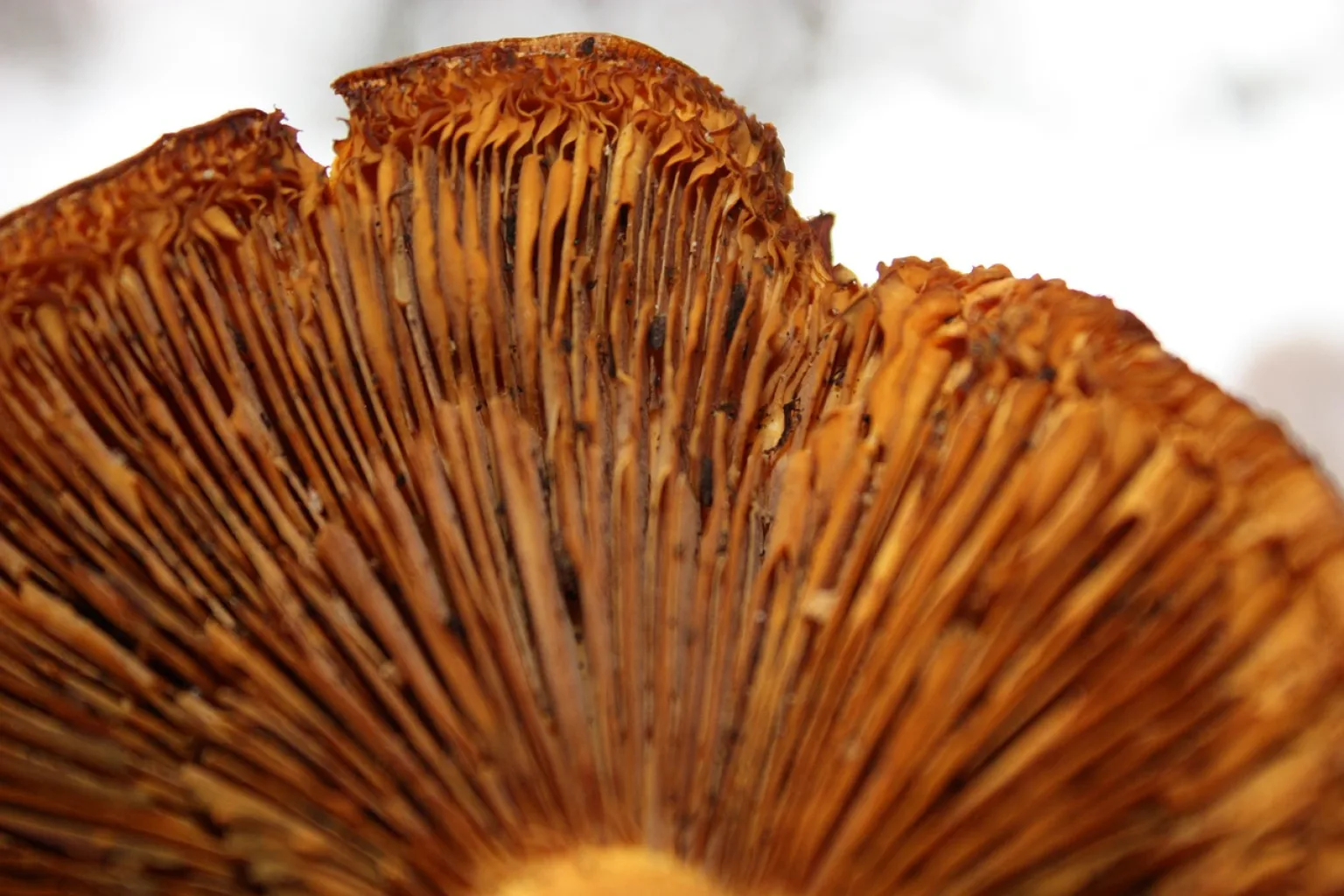
Mushrooms are edible fungi, not botanical vegetables. The name can cover several varieties; the cultivated common mushroom sold in shops is often Agaricus bisporus. It may be white or brownish, and shape, flavour and texture vary by variety and maturity. Both cap and stem can be used in cooking when in good condition. Mushrooms are sold fresh and preserved, but this profile focuses on the fresh product. Cultivated mushrooms are available throughout the year, so their use need not be tied to a particular season.
When to use it
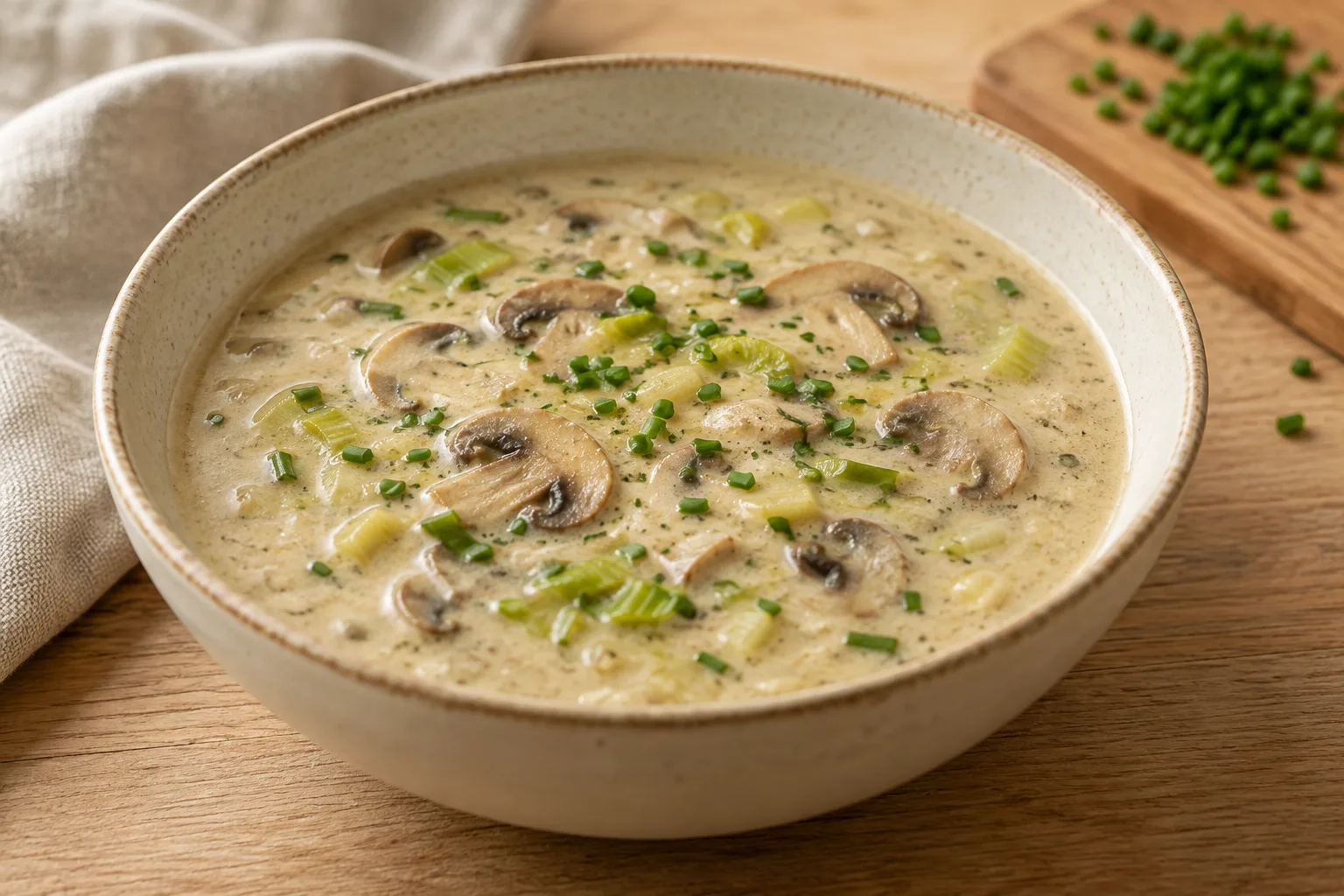
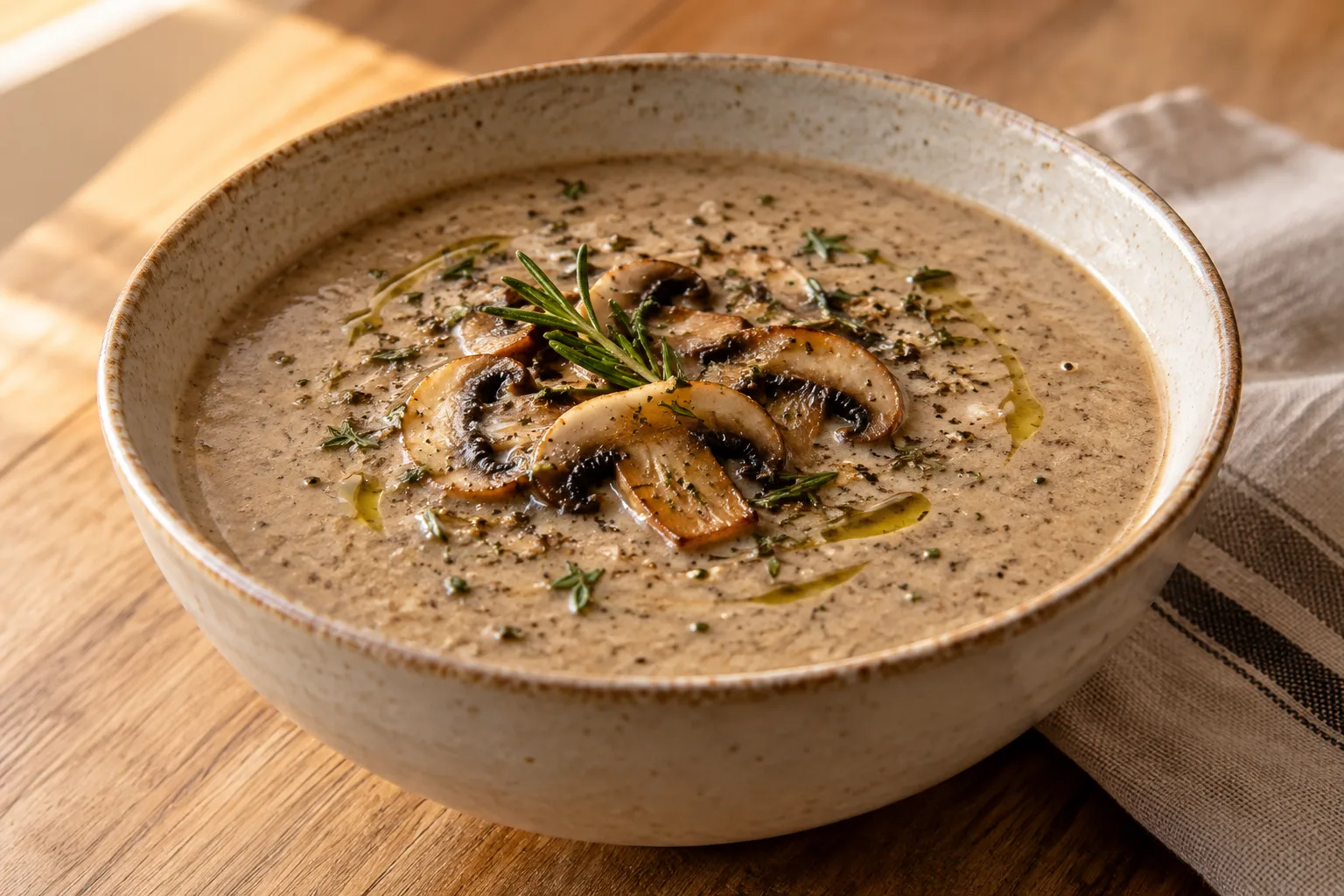
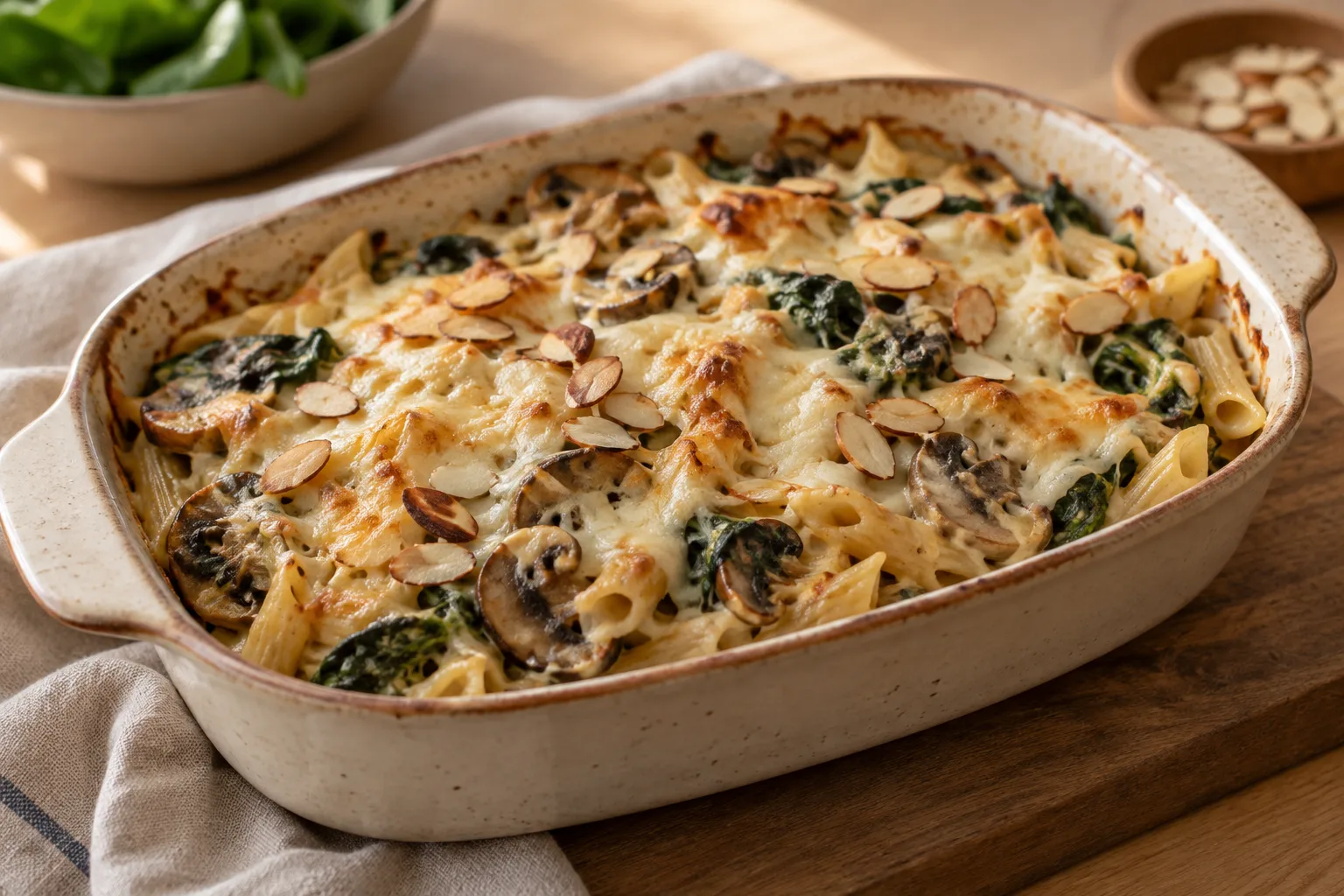
Use mushrooms when you want to add a tender texture and mild flavour to a meal, or need a side that suits many dishes. They work in sautés, salads, soups, creamy soups, sauces, omelettes, pasta and rice. They can be the main ingredient or complement meat, fish or other vegetables. Larger, firmer varieties such as portobello are useful when you want a more substantial bite; common varieties suit everyday cooking. Cultivated mushrooms are available year-round.
How to use it
Before cooking, gently remove dirt and trim any dry or damaged parts. Clean them with a cloth or brush; if they need rinsing, do it briefly and dry them well before cooking. Cut them into similar-sized pieces for more even preparation. Sauté, roast or grill them, or add them to soups, creamy soups, omelettes, sauces, pasta or rice. They can also be served raw in a salad; clean each mushroom carefully in that case. Pair them with garlic and parsley, or use them as a side or filling. Choose the cut and technique to suit the variety and the texture you want.
Flavour and texture
Common mushrooms are usually mild and delicate, with a lightly earthy flavour and a tender, meaty texture. Larger, firmer portobellos can taste more robust. Colour varies from white to brown shades. Cutting and cooking affect the final bite: raw mushrooms feel firmer, while cooking softens them. Differences between varieties are normal; mushrooms do not all have exactly the same appearance or flavour.
How to choose it
Choose fresh mushrooms that look firm and have no conspicuous spots, and avoid those with a sour smell or clear signs of deterioration. Colour varies by variety, so they do not all need to be white. For a packaged product, check its name, any relevant allergen information and the storage directions on the label. Do not treat an unidentified wild fungus as an ordinary common mushroom: this profile refers to identified edible produce.
Storage
Keep fresh mushrooms refrigerated and try to prevent moisture from collecting around them. A paper bag or other breathable wrapping can help avoid trapped moisture; do not leave them sealed in a damp container. Check the product and follow its label storage directions when available. Remove deteriorated mushrooms and do not use those with clear signs of spoilage. Shelf life depends on the product's condition and storage conditions, so no universal duration is given here.
Substitutions
In many dishes, white mushrooms can be swapped for cremini or portobello, but size, firmness and flavour intensity may differ. Portobello gives a firmer bite; common mushrooms are usually milder. Other edible fungi can also be used in sautés, soups or stews, with the cut and cooking adjusted to their characteristics. Do not assume every variety behaves the same way or that any wild fungus is a safe substitute.
Common mistakes
Do not confuse mushrooms with botanical vegetables or assume all varieties are identical. Avoid cooking dirty or spoiled pieces, and do not store them wet or sealed with accumulated moisture. If you want browning, avoid crowding the pan; the mushrooms may release liquid and cook rather than brown. When swapping varieties, account for differences in size, flavour and texture.
Safety and allergens
Buy identified edible mushrooms and check that they are in good condition. For packaged mushrooms, follow the label's storage and use directions and check the product's allergen information where relevant. This profile does not identify wild fungi; do not eat specimens unless their edible variety can be confirmed. The available evidence does not establish mushroom-specific allergens.
Culinary uses
- Ingrediente principal
- Guarnición
- Base o complemento de salsas, sopas y cremas
Recommended techniques
- Saltear
- Asar
- Cocinar a la plancha
- Usar crudo en ensaladas, con limpieza cuidadosa
Pairs well with
- Ajo y perejil
- Pasta y arroz
- Carnes, pescado y otros vegetales
Frequently asked questions
Are mushrooms vegetables?
Not botanically: they are edible fungi. They are often used like vegetables in cooking, but belong to the fungal kingdom.
Can mushrooms be eaten raw?
Some dishes serve them raw, for example in salads. Clean them carefully and use only fresh mushrooms in good condition.
Are mushrooms available all year?
Cultivated mushrooms are commonly available throughout the year. Actual availability can vary by market and variety.
Estimated nutrition
- Fat
- 0 g
- Saturates
- 0 g
- Carbohydrate
- 5.38 g
- Sugars
- 2.31 g
- Fibre
- 2.3 g
- Protein
- 1.54 g
- Salt
- 0.75 g
Sources and review
Automatically researched, cross-checked and validated content. Sources consulted:
- En el etiquetado alimentario hay algunas menciones que son obligatorias eletiquetadocuentamucho.aesan.gob.es
- Client Challenge doi.org
- Sopa - Wikipedia, la enciclopedia libre es.wikipedia.org
- Aecosan - Agencia Española de Consumo, Seguridad Alimentaria y Nutrición aesan.gob.es
- Tipos De Champiñones Comestibles Y Sus Usos | La Fallera lafallera.es
- Redescubriendo el champiñón: cómo cocinarlo, propiedades, características y siete recetas para aprovechar su infinita temporada directoalpaladar.com
- Descubre todo sobre el champiñón - Florette florette.es
- Tipos de Champiñones Comestibles: Guía Completa y Beneficios ingenieroagroindustrial.com
- Descubre todo sobre el champiñón - Florette Food Service florettefoodservice.es
- ℹ Tipos de Champiñones: Guía Completa sobre Sus Diferencias y Usos ✔️ cncompetencia.es
- Champiñones - Información nutricional, propiedades y beneficios abc.es
- Champiñón Verduras, variedades, producción, estacionalidad | Libertyprim libertyprim.com
- Descubre los distintos tipos de champiñones y sus usos culinarios - Biblioteca Escolar bibliotecaescolardigital.es
- Recetas con Champiñones - Gallina Blanca gallinablanca.es
- Cómo cocinar champiñones: salteados, asados y a la parrilla | Recetas PEKIS pekis.eu
- Cómo Preparar Champiñones: Método Fácil piloncilloyvainilla.com