- Category
- Herbs and spices
- State
- Dry
- Usual unit
- teaspoon
What it is
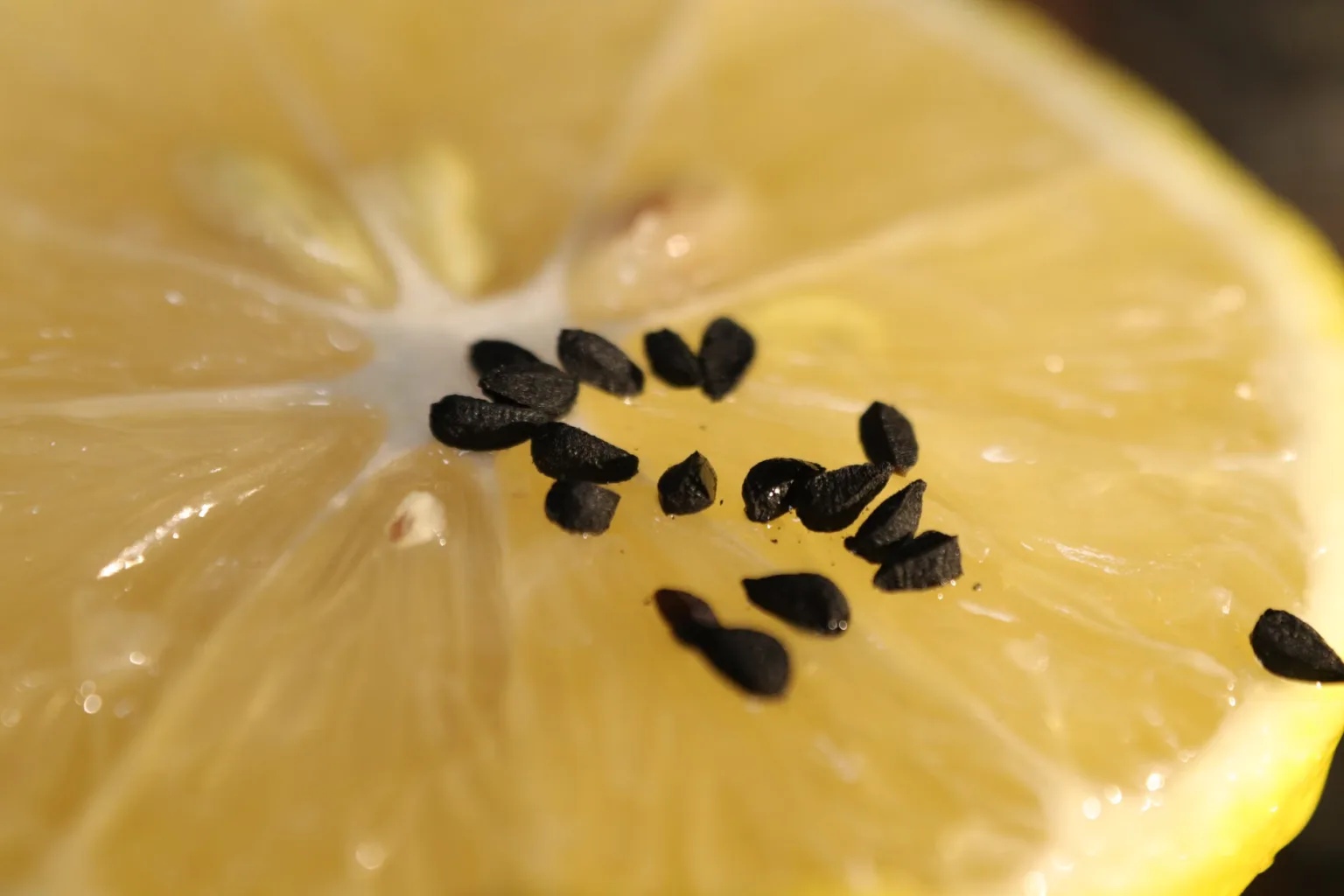
Nigella seeds are the dark seeds of Nigella sativa, a plant in the Ranunculaceae family. In cooking they are also called kalonji; names such as “black cumin” can cause confusion with seeds from other plants. Their small, angular shape and individual flavor help distinguish them: they are neither cumin nor sesame. They are sold whole and may also be found ground. As a spice, they can add both a crunchy, visible finish and character to breads, vegetables, legumes, curries and sauces. Their flavor comes across differently when used raw, toasted or crushed, so start with a modest amount and adjust to taste.
When to use it
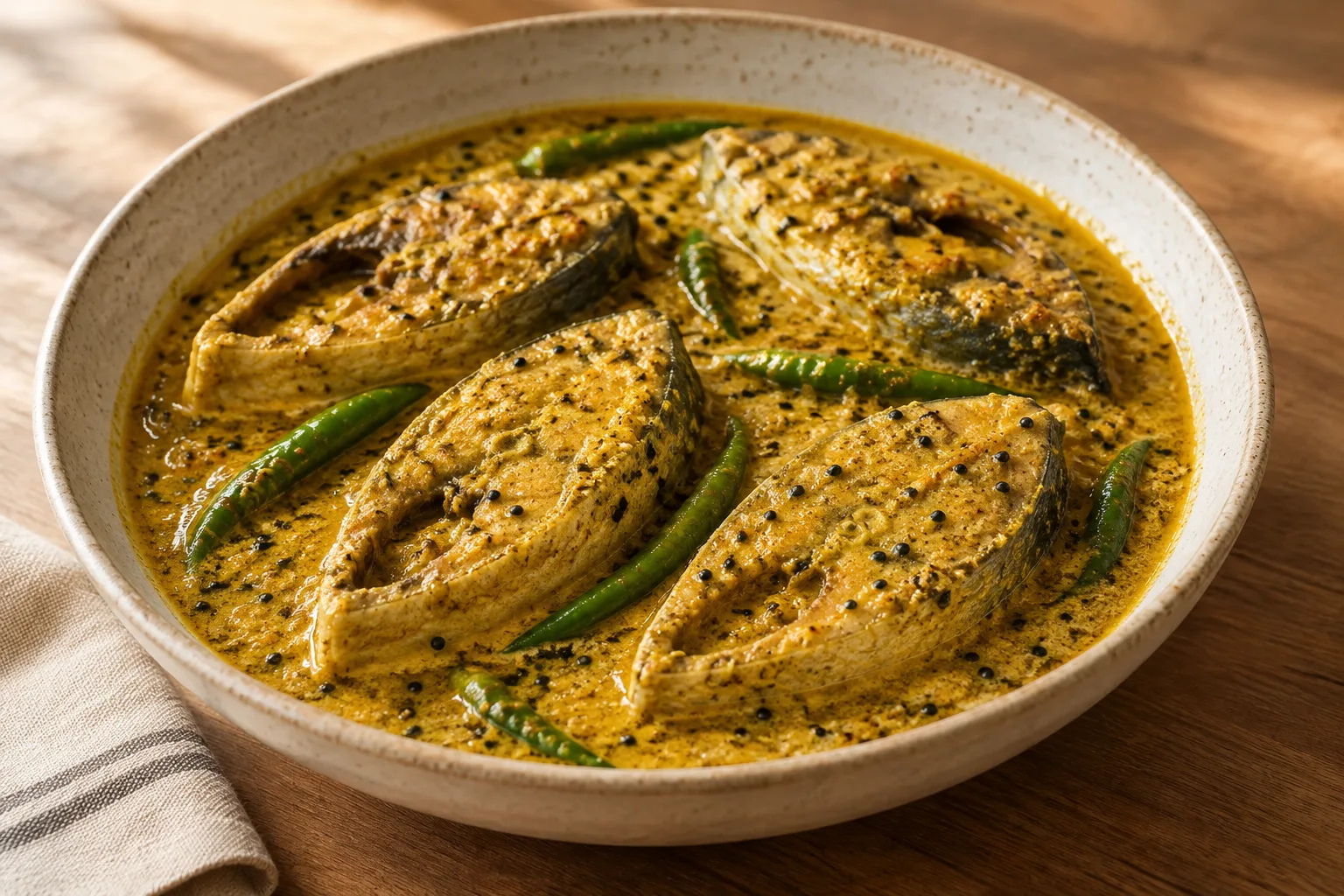
Choose nigella when you want a distinctive spiced flavor and a little crunch in a savory dish. It works especially well as a topping for breads and doughs, or sprinkled over vegetables, salads, soups, purées and rice. You can also add it to curries, legume stews, sauces and dressings, where its herbaceous, somewhat pungent notes add contrast. If you want the aroma to blend in rather than stand out as whole seeds, crush or grind them first. A citrus accent such as lemon or lime, and fresh herbs, can complement its profile. Do not choose it expecting it to taste exactly like cumin or sesame: despite some alternative names, nigella has its own identity.
How to use it
Use whole seeds as a bread topping or sprinkle them over salads, soups, vegetables, rice and egg dishes for texture and a spiced flavor. To bring out their aroma, toast them very lightly before adding them; avoid burning them, which can make their character unpleasant. Another option is to crush them in a mortar or grind them, especially when you want to distribute them through a sauce, stew or spice blend. Pair them with vegetables and legumes, or combine them with spices such as cumin, fennel, mustard, paprika or thyme. In dressings, try balancing them with lemon, lime, vinegar or fresh cilantro. Their intensity is noticeable, so start with a small amount and add more after tasting. Choose the form according to the texture you want: whole seeds for a distinct bite, crushed seeds for a more dispersed aroma.
Flavour and texture
The seeds are small, dark and angular, with a crunchy texture when used whole. Their flavor is spiced, slightly pungent, herbaceous and somewhat bitter. Gentle heating can make the aroma more expressive and warm. They do not taste the same as cumin or sesame, even though some common names may suggest a comparison.
How to choose it
Look for whole seeds labeled nigella, kalonji or Nigella sativa at a spice shop or a store specializing in Indian cooking. Check that the package clearly identifies the ingredient: “black cumin” is also used for other seeds and can be ambiguous. Choose a sealed, clean package, and avoid buying seeds if you cannot identify them with confidence. Whole nigella lets you decide whether to use it as is, crush it or grind it.
Storage
Keep the seeds in an airtight container in a cool, dry place, away from heat and strong odors. Close the container after each use to protect the aroma and keep the seeds dry. Apply the same care to ground nigella and avoid leaving it exposed to air or near a heat source. No specific storage duration is established here, so follow the package directions and check the appearance and aroma before use.
Substitutions
White or black sesame can replace nigella when you want a bread topping or a seeded finish. The texture may serve a similar purpose, but the flavor will differ: nigella is more herbaceous and spiced. Do not treat this as a flavor match or an automatic substitute in every recipe. Add the alternative gradually and adjust the seasoning after tasting.
Common mistakes
A common mistake is confusing nigella with cumin or sesame because of its alternative names: they are different ingredients. It is also easy to use too much at first or toast the seeds for too long, overpowering other flavors. Identify the seed, start with a modest amount and heat it gently. Use it whole for a crunchy topping; crush or grind it to distribute the aroma through a sauce or stew.
Safety and allergens
No specific official safety warning for culinary use is provided here. Use the seeds as a food spice and follow the package directions; do not treat claims about medicinal uses as health advice.
Culinary uses
- Especia para panes y masas saladas
- Condimento y acabado crujiente para platos salados
- Componente de mezclas de especias
Recommended techniques
- Tostar muy ligeramente para destacar sus notas aromáticas
- Machacar en mortero para liberar aroma
- Añadir entera a panes, ensaladas, sopas o guisos
- Moler para incorporar a mezclas de especias
Pairs well with
- Limón o lima y hierbas frescas como cilantro
- Verduras, legumbres y curris
- Pan, arroz y platos con huevo
- Comino, hinojo, mostaza, pimentón o tomillo
Frequently asked questions
Are nigella seeds the same as black cumin?
Nigella is sometimes sold as black cumin, but that name is also used for other seeds. Look for Nigella sativa or kalonji on the label to identify it more clearly.
How can I use nigella seeds in cooking?
Use them whole on breads, salads, vegetables, soups and rice, or crush or grind them for stews, sauces and spice blends.
Do nigella seeds need to be toasted?
No. You can add them whole as they are or toast them very lightly to bring out their aroma. Avoid burning them.
Sources and review
Automatically researched, cross-checked and validated content. Sources consulted:
- ¿Por qué la muerte es origen de miedos y tabúes? doi.org
- A Panoramic View From the Interior of the Later Spanish Church | ClipVR ETC etc.usf.edu
- Semillas de nigella, ajenuz o comino negro: ¿qué es y cómo usar esta especia en la cocina? directoalpaladar.com
- Semillas de Nigella — Open Spice Box openspicebox.com
- PDF.js viewer rnojournal.binghamton.edu
- Maximizing Growth and Yield Of Black Seed (Nigella ... corescholar.libraries.wright.edu
- Medicinal and pharmacological potential of Nigella sativa opensiuc.lib.siu.edu
- Leave the Soybean, Take the Mustard: Considering the “Least of all Seeds” – Crimson Fried crimsonfried.barefield.ua.edu
- Antiproliferative and Apoptotic Effects of Proteins from ... digitalcommons.chapman.edu
- Antibacterial Activity of Nigella Sativa Extract against ... repository.sustech.edu
- Proveedores de semillas de Nigella - Nigella a granel & Venta al por mayor | Nutrada nutrada.com
- Nigella Sativa: Propiedades, Beneficios para la Salud y la Cocina - Organica Superfoods organicasuperfoods.com
- - YouTube youtube.com