- Category
- Vegetables
- State
- Fresh
- Usual unit
- unit
What it is
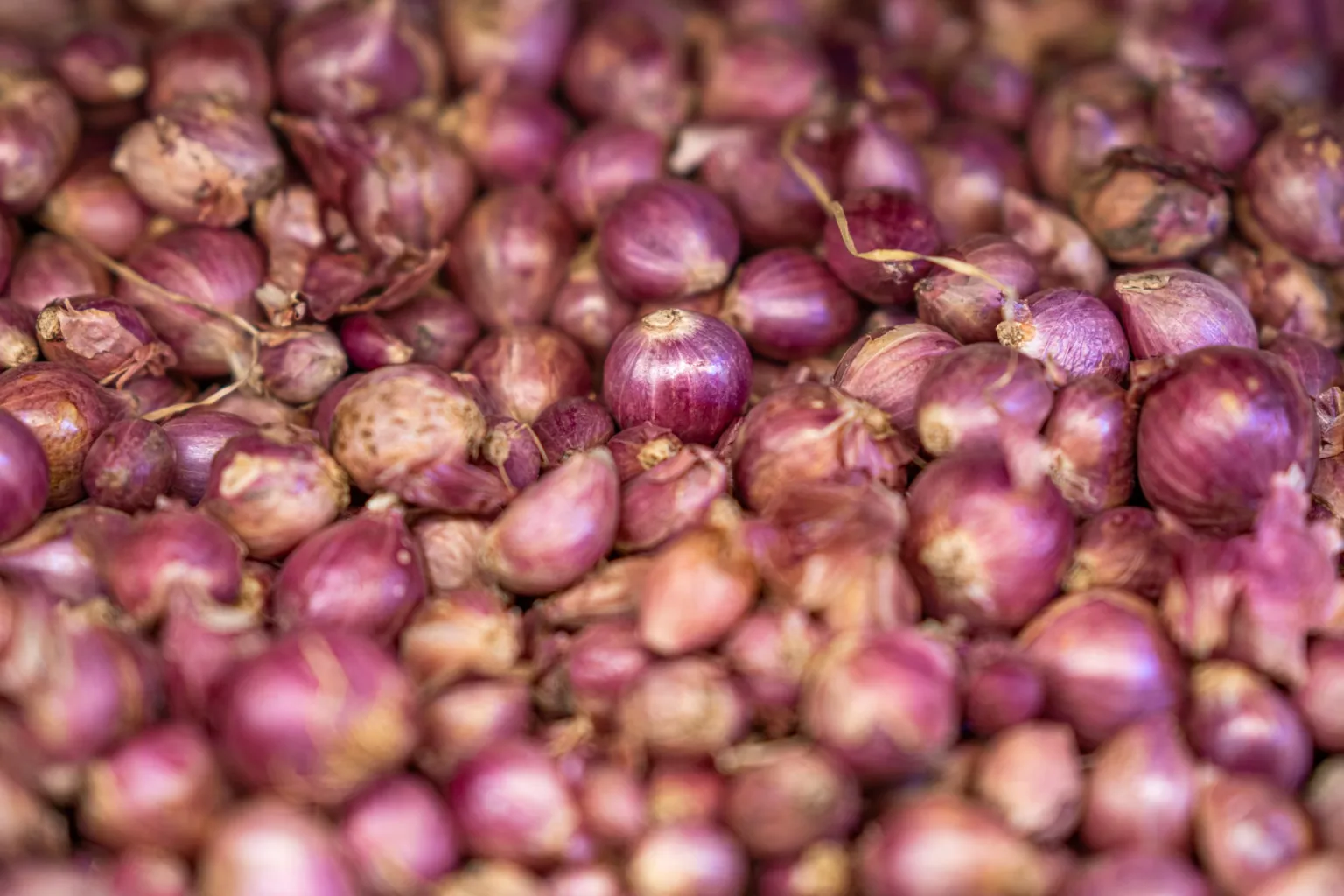
Onion for sarsa means fresh onion used as an aromatic ingredient and often as a visible part of a sauce. It is not a distinct botanical variety; the name describes a culinary use. White, red or another available onion can be chosen according to the flavor and texture desired. White onion is described as mild and crunchy, while red onion is somewhat less forceful than yellow onion and adds vivid color. Chopped raw onion contributes bite and character; cooked onion loses some of its sharp freshness and develops a sweeter profile. For fresh sarsa, cut the onion to suit the texture you want and mix it with the other ingredients. Since “sarsa” can refer to different preparations, this guide treats onion as an ingredient and does not assume a particular regional recipe.
When to use it
Use onion when a sarsa needs an aromatic note, a recognizable vegetable flavor or some texture. For a fresh preparation served raw, white onion is a mild, crisp option; red onion adds color and is used in raw sauces and pickled preparations. If you want a gentler presence, spring onion has a milder, juicier character. For a cooked sauce, yellow onion is a versatile choice: cooking makes it sweeter, and it can form a base for sauces, stews or stocks. Match the variety to the strength of the other ingredients and to how prominent you want the onion to be; onions do not all taste alike.
How to use it
Remove the outer skin and use a clean knife to cut the onion into fine dice, slices or larger pieces, depending on the texture you want in the sarsa. For a fresh sauce, add it raw and mix it through; a small dice gives more even bites, while larger pieces make the crunch more noticeable. If the chosen onion tastes too strong for your preference, one culinary source suggests leaving it for a while in cold water with salt and a little vinegar to mellow it; this is an optional preparation, not a requirement. For a cooked sarsa, sauté or simmer the onion before adding the other ingredients: heat softens its sharpness and makes its flavor sweeter. Red onion can also be used raw or pickled. Rinse fresh onion under running water before preparation, and use clean utensils and a clean work surface.
Flavour and texture
Intensity depends on the variety and on whether the onion is raw or cooked. White onion is described as mild and crunchy; red onion is generally less forceful than yellow, with a slight bitter finish. Yellow onion can taste more assertive raw but becomes sweet when cooked. Chopped onion adds bite and an aromatic note; cooked onion becomes softer and blends into the sauce.
How to choose it
Choose a firm bulb that looks intact and shows no obvious signs of spoilage. Pick the variety for the result you want: white for a mild flavor and crisp texture, red for color and a different but moderate profile, or yellow when cooking a versatile sauce base. Varieties are not identical in flavor or texture. Because “onion for sarsa” describes a use rather than a specific variety, check which type you are buying instead of expecting one fixed flavor profile.
Storage
The available evidence does not establish a storage temperature or duration for this particular fresh onion. Keep the bulb whole until you are ready to prepare it and follow package or seller guidance where available. Do not treat the longer keeping quality attributed to some dry onions as a storage recommendation for every fresh onion. Once cut, do not leave it unattended; follow local food-safety guidance for prepared foods.
Substitutions
You can use another onion variety if you adjust the amount and cut to suit the flavor you want: white is generally mild and crunchy, while red adds color and a different profile. Spring onion is another option with a milder, juicier character. These choices change texture and intensity, so they are not identical swaps; taste a small amount before adding more.
Common mistakes
Assuming every onion variety tastes the same can make the sarsa sharper or milder than expected. Another common mismatch is cutting pieces too large for a finely textured sauce, or cooking the onion when you want to keep its fresh crunch. Do not assume sugar is essential for caramelizing onions: one culinary source notes that the process takes time and does not require added sugar.
Safety and allergens
Rinse or scrub fresh onion under running water before cutting it, and prepare sarsa with clean hands, utensils and work surfaces. The evidence consulted does not establish a specific warning about onion for sarsa or a storage period for this fresh onion; for prepared mixtures, follow official food-safety advice in your area.
Culinary uses
- Base aromática para salsas frescas y salsas cocinadas
- Ingrediente crujiente y de sabor para preparaciones crudas
Recommended techniques
- Picar o cortar en cubos para mezclar en salsa fresca
- Saltear o cocinar para suavizar el sabor y usar como base de salsa
Pairs well with
- Tomate, chile y cilantro en salsas frescas
- Guisos, sopas y preparaciones con carne, pescado o verduras
Frequently asked questions
Which onion works well in raw sarsa?
White onion is a mild, crunchy choice; red onion adds color and is also used in raw sauces. Choose according to the intensity and texture you prefer.
How can I mellow an onion that tastes too strong?
One culinary source suggests leaving the onion for a while in cold water with salt and a little vinegar. The result can vary with the variety and cut.
Can I use the same onion for cooked sarsa?
Yes. Yellow onion is versatile in cooked sauces, and its flavor becomes sweeter with cooking; choose the variety according to the result you want.
Sources and review
Automatically researched, cross-checked and validated content. Sources consulted:
- Para qué sirve cada tipo de cebolla (y un truco para no llorar al picarla) | El Comidista | Gastronomía | EL PAÍS elpais.com
- La cebolla, ese humilde ingrediente tan fundamental | Gastronosfera gastronosfera.com
- Tipos de cebolla y su utilización en la cocina | Blog Bernad Refrigeración josebernad.com
- La cebolla, ingrediente básico en la cocina | Recetas Nestlé recetasnestle.com.ec
- Atrevida Salsa Casera Segura sedgwick.k-state.edu
- Qué es eso llamado epistemología, para qué sirve, por qué es inexcusable para la universidad y para la paz | Reencuentro. Análisis de problemas universitarios doi.org
- Salsa de Tomate y Chile Verde (Spanish) - National Center for Home Food Preservation nchfp.uga.edu
- La cebolla, la base de la gastronomía española - Enrique Romay eromay.com
- Salsa Para Espagueti Simple - Expanded Food and Nutrition Education Program efnep.tamu.edu
- Making Corn Tortillas and Salsa coloradosph.cuanschutz.edu
- Salsa – Food Smart Colorado foodsmartcolorado.colostate.edu
- food truck menu wdt.edu
- Mango Tomato Salsa/Salsa de Mango y Tomate (LCH) | CSU Northridge w2.csun.edu
- Salsa de Sandía | Servicio de Extensión de OSU extension.oregonstate.edu
- ¿Qué tipos y variedades de cebolla existen? - Cebolla frita Hida hida.es