- Category
- Vegetables
- State
- Fresh
- Usual unit
- unit
What it is
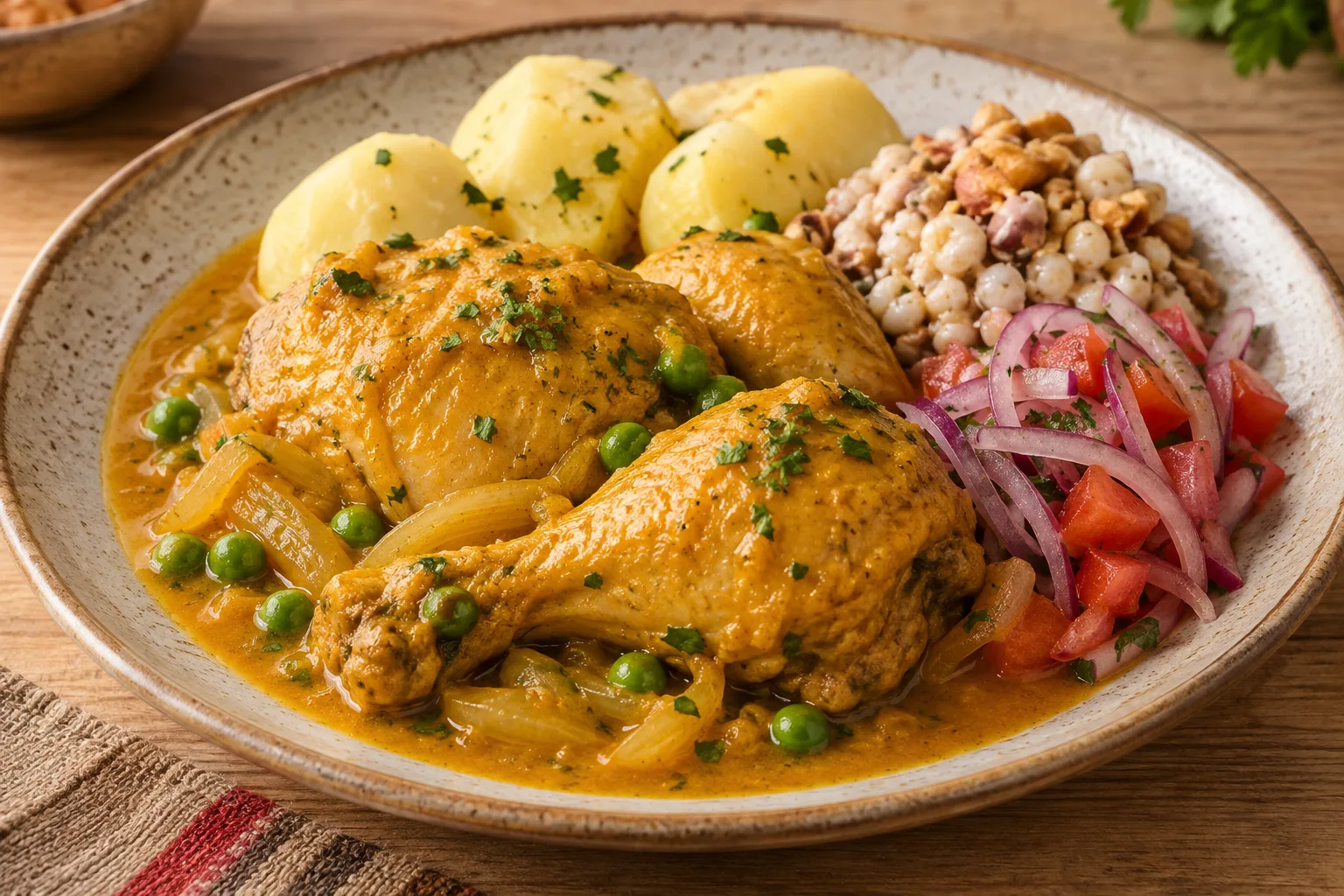
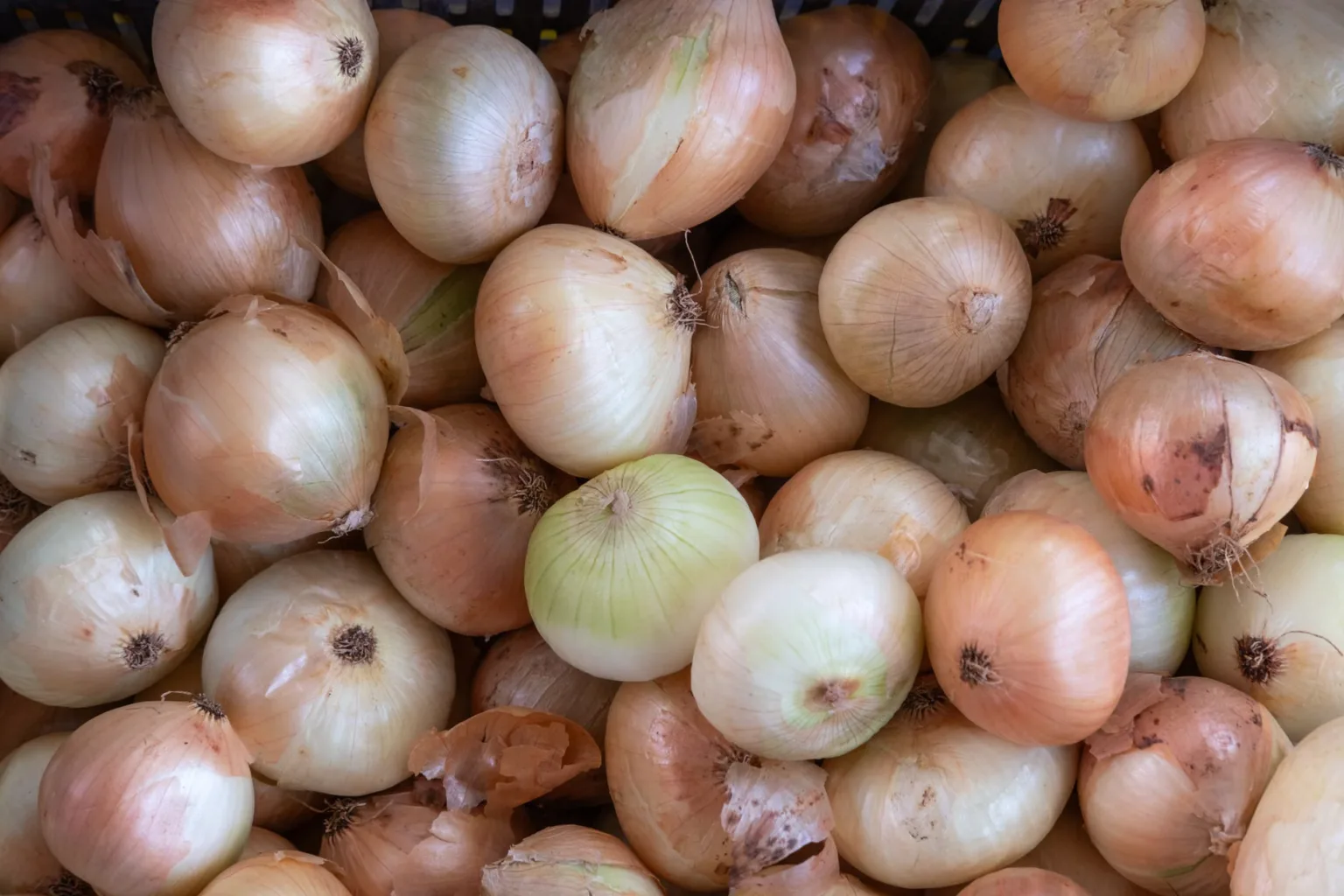
Onion is the edible bulb of Allium cepa, a vegetable used in kitchens around the world. The available evidence describes several varieties, including yellow, white and red, which differ in flavor, texture and color. Red onion is often sweeter than other varieties and may have a slight peppery note; its flesh is white, with color mainly visible in the outer layers. Onion can be eaten raw or prepared in a range of cooked dishes. In this profile, “onion for tunta” means fresh onion intended to accompany that dish: the supplied evidence does not specify a particular variety, traditional preparation or proportion for tunta.
When to use it
Use onion raw when you want its crisp texture and flavor to stand out, such as in a salad or as a fresh accompaniment. Red onion can be an attractive raw option, although some examples retain a peppery edge. If you want the flavor incorporated into a cooked dish, add onion to a sauté, soup, sauce or stew. For serving with tunta, choose according to whether you want a fresh contrast or a cooked accompaniment; the available sources do not prescribe a particular variety for this use.
How to use it
Remove any outer layers you do not wish to use and cut the onion to suit the dish: slice or chop it for raw serving, or mince it for a cooked preparation. Raw onion can be added to a salad or served on the side; red onion adds color, although that color may fade during cooking. Onion can also be fried, roasted, baked or simmered in soups, sauces and stews. If serving it with tunta, prepare it separately and serve it raw or cooked according to the contrast you want. The sources do not provide a specific recipe for onion with tunta.
Flavour and texture
Flavor varies by variety and harvest stage. Red onion is described as sweeter than other types, though it can also have a slight peppery note; its colored outer layers contrast with white flesh. White onion is described as mild and crisp, while onions harvested after further maturation may taste more pungent. Raw onion retains a more noticeable firm texture; when cooked, its flavor becomes part of the overall dish.
How to choose it
Choose a whole onion that suits the intended use and whose variety matches the flavor and appearance you want. Red onion can be visually appealing raw, though its color may vary and its flavor can be slightly peppery. White onion is described as mild and crisp, while yellow onion is described as versatile. The sources do not provide technical criteria for judging firmness, weight or defects, so do not assume every onion of a variety will produce an identical result.
Storage
The sources say onions can keep for an extended period, but they do not give specific storage conditions, an exact duration or instructions for cut onions. Follow the package directions or local food-safety guidance, and avoid using onions that are clearly spoiled. Keep in mind that storage may depend on the onion variety and how it was harvested.
Substitutions
One common onion variety can be substituted for another, such as white, yellow or red, while allowing for changes in flavor, color and texture. Red onion is especially suited to raw uses for its appearance and flavor; white onion can offer a mild, crisp profile. Spring onion may also work when a milder flavor is wanted. The sources identify no traditional substitute or exact equivalence for tunta, so choose according to how you plan to serve it.
Common mistakes
Do not assume every onion tastes the same: varieties can differ in sweetness, pungency, texture and color. Avoid choosing red onion solely for its color if you need that appearance to remain unchanged after cooking, because its color may fade with heat. Do not describe a particular variety or preparation as essential to tunta; the available evidence does not establish a specific recipe.
Safety and allergens
The supplied evidence contains no specific official warning about onion. As a general precaution, follow clean food-handling practices and do not use onions that are clearly spoiled.
Culinary uses
- Aromatic base for cooked dishes
- Fresh ingredient or garnish
- Seasoning for soups, stews and sauces
Recommended techniques
- Chopping and serving raw
- Frying or sautéing
- Roasting or baking
- Cooking in soups, stews and sauces
Pairs well with
- Vegetables and salads
- Meat and fish
- Rice and other grains
- Soups, stews and sauces
Frequently asked questions
Which onion variety is recommended for tunta?
The available evidence does not recommend a specific variety. Choose according to whether you want a fresh accompaniment or cooked onion.
Can onion be served raw?
Yes. The sources describe raw onion in salads and other fresh dishes. Red onion is an attractive option, with a flavor that may be sweet and slightly peppery.
Does red onion keep its color when cooked?
Not always. Its color can fade during cooking, so it is generally most visually striking when served raw.
Sources and review
Automatically researched, cross-checked and validated content. Sources consulted:
- La cebolla, ese humilde ingrediente tan fundamental | Gastronosfera gastronosfera.com
- Cebolla morada | Gastronomía & Cía gastronomiaycia.com
- Tipos de cebolla y su utilización en la cocina | Blog Bernad Refrigeración josebernad.com
- Qué es eso llamado epistemología, para qué sirve, por qué es inexcusable para la universidad y para la paz | Reencuentro. Análisis de problemas universitarios doi.org
- La cebolla, la base de la gastronomía española - Enrique Romay eromay.com
- Cambio climático y adaptación en el Altiplano boliviano cafnrfaculty.missouri.edu
- el impacto del clima y de mercados en comunidades ... vtechworks.lib.vt.edu
- Subject: Oruro Department (Bolivia) / Genre: field recordings / Collection: Aymara Language and Culture Audio-Visual Archive (Bolivia) - UCLA Library Digital Collections Search Results digital.library.ucla.edu
- microfilm collection of manuscripts on cultural anthropology lib.uchicago.edu
- Diálogo de Saberes Sobre Educación en la Comunidad de digitalcollections.sit.edu