- Category
- Sauces and condiments
- State
- Liquid
- Usual unit
- tablespoon
What it is
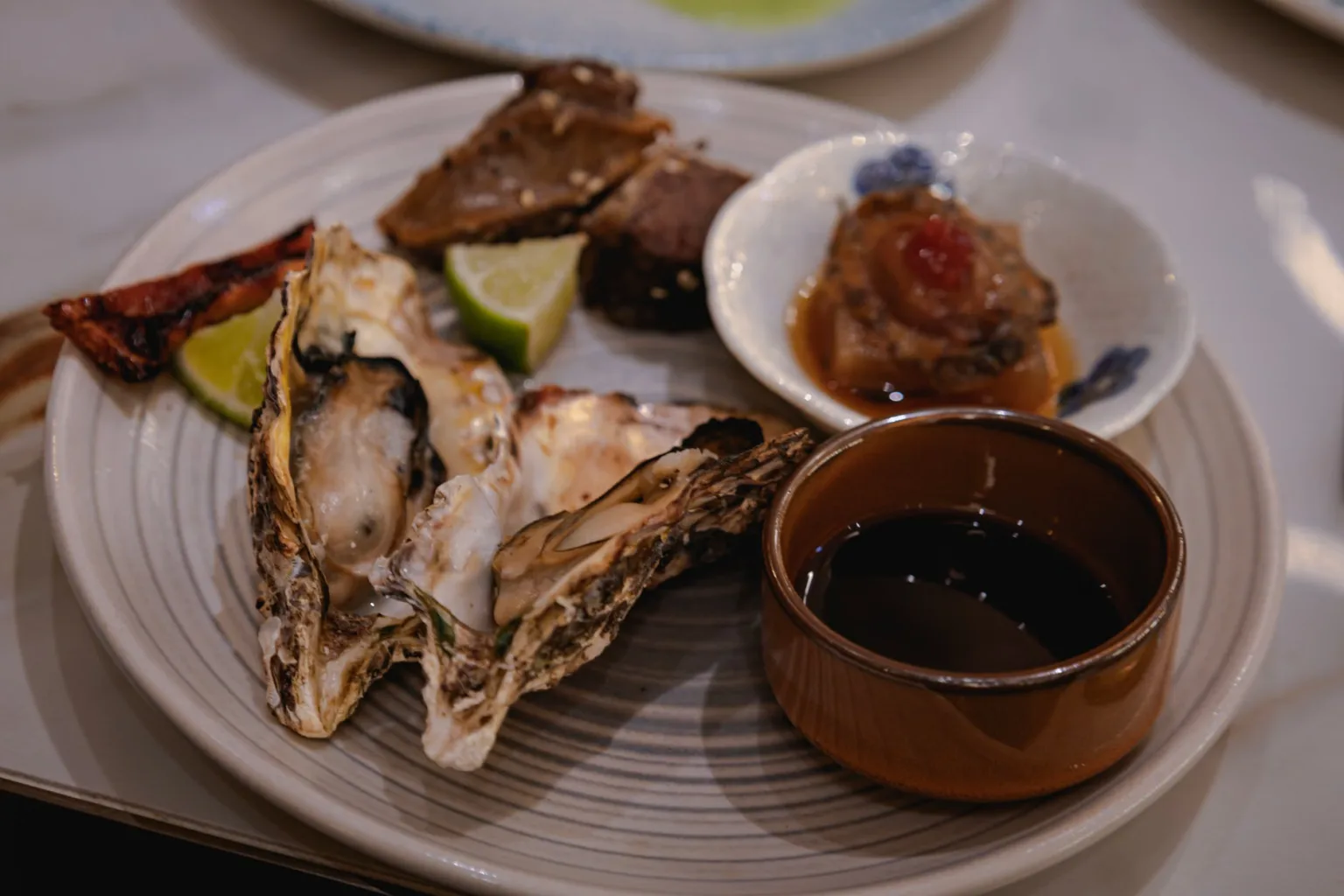
Oyster sauce is a usually thick, dark condiment made with oyster extract or concentrate and other ingredients that vary by brand. Commercial versions may include water, salt, sugar, starches, wheat flour and other components. It therefore does not have one fixed recipe: the amount of oyster extract and the balance of sweetness, saltiness and thickness can differ. It is used in small amounts to add depth to other foods; a finished dish does not have to taste strongly of oysters. Check the package to find out what is in the particular product you have.
When to use it
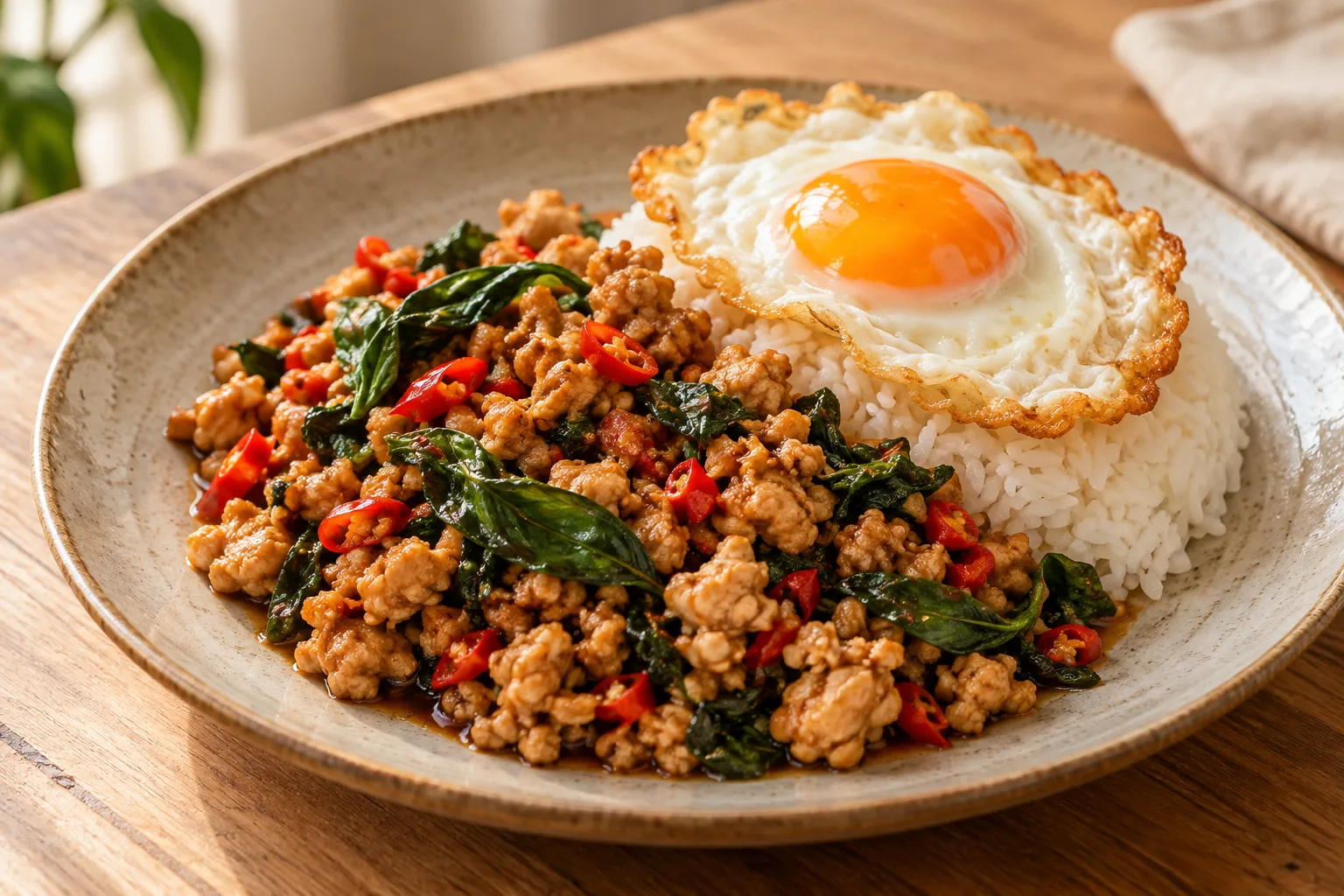
Use oyster sauce when a stir-fry, sauce, rice dish or noodle dish needs extra depth and an umami note. It pairs well with vegetables and mushrooms, as well as dishes made with chicken or beef, and it can be included in marinades. Because its flavor is concentrated, begin with a little and taste before adding more. If you do not want its sweetness or saltiness to dominate, balance it with the other ingredients and remember that commercial recipes vary from brand to brand.
How to use it
Stir it into a marinade with the seasonings you already use, or add it to a sauce for stir-fried vegetables, meat, rice or noodles. You can add it while the dish cooks so it spreads among the ingredients, or mix it in near the end if you want the condiment to be less prominent during cooking. Stir thoroughly: its thick consistency can collect in one spot if poured over just one ingredient. Start with a small amount, taste the whole dish and adjust gradually. Read the label before use because commercial formulations vary and some contain wheat.
Flavour and texture
Oyster sauce typically has a pronounced umami profile with salty notes and moderate sweetness. It is dark, thick and viscous, so it can cling to ingredients and give them a glossy finish. Intensity, sweetness, saltiness and thickness vary between products because their formulations are not identical. Its flavor does not necessarily taste directly like a fresh oyster; it often works as a seasoning that rounds out the dish as a whole.
How to choose it
Compare ingredient lists and look for information about oyster extract, thickeners and other components. Commercial sauces vary by brand in the proportion of oyster extract, sweetness, saltiness and texture. Read the label carefully for allergens, including molluscs and, depending on the product, wheat. Do not assume that every bottle has the same formulation or that a particular style name guarantees a standard recipe.
Storage
The available sources do not establish a storage time or temperature that applies to every brand. Follow the instructions printed on the specific product package and check its label for guidance after opening. Keep the manufacturer's information available and do not assume that instructions for one bottle apply to another, since commercial formulations can vary.
Substitutions
Soy sauce can replace some of oyster sauce's seasoning role, but it is thinner and does not have the same flavor profile. Hoisin sauce is another option for adding flavor, although it tends to be sweeter and more spiced. Neither reproduces oyster sauce's exact thickness and balance; adjust the amount and taste before changing the rest of the seasoning.
Common mistakes
Adding too much at once can let this concentrated condiment overpower a dish. Start with a small amount, mix thoroughly and taste before adjusting. Another mistake is assuming that all brands have the same ingredients or that oyster sauce is always wheat-free. Check the label and do not treat a substitute as identical in sweetness, saltiness, texture or flavor.
Safety and allergens
Oyster sauce contains oysters, a mollusc, and some formulations include wheat. Check the ingredient list and allergen information on the package, especially if you need to avoid either; do not rely on the product name alone. Follow the manufacturer's storage instructions.
Culinary uses
- Condimento salado y umami
- Base para salsas, marinados y glaseados
Recommended techniques
- Saltear y añadir durante la cocción
- Mezclar en marinados y salsas
Pairs well with
- Verduras y setas
- Arroz, fideos, pollo y ternera
Frequently asked questions
Does oyster sauce taste strongly of seafood?
Not necessarily. It is mainly used for umami, salty and somewhat sweet notes; its flavor and intensity vary between brands.
Does every oyster sauce contain wheat?
You cannot assume that every product contains wheat or that none does. Some formulations include wheat flour, so check each product's label.
What can I use if I do not have oyster sauce?
Soy sauce or hoisin can cover part of its role, but each differs in flavor and texture. Adjust the amount and taste the dish.
Estimated nutrition
- Fat
- 0 g
- Saturates
- 0 g
- Carbohydrate
- 18.8 g
- Sugars
- 18.8 g
- Protein
- 0 g
- Salt
- 9.85 g
Sources and review
Automatically researched, cross-checked and validated content. Sources consulted:
- Almacenamiento Seguro de Alimentos: - El Refrigerador y el ... bookstore.ksre.ksu.edu
- ¿Por qué la muerte es origen de miedos y tabúes? doi.org
- Washington State Food Access English-Spanish Glossary wpcdn.web.wsu.edu
- Agencia Española de Seguridad Alimentaria y Nutrición aesan.gob.es
- Nutrition After Your Transplant - Health Online healthonline.washington.edu
- Descubrí las ostras y la salsa de ostras | Recetas Nestlé recetasnestle.com.ar
- Arroz frito en un (no tan) sencillo paso | Admisiones de la Universidad Johns Hopkins apply.jhu.edu
- Cocina Fácil de la Despensa a la Mesa Enlaces de Nutrición - Número # 9 extension.psu.edu
- salt and sodium d24-h.tamu.edu
- Salsa de ostras: qué es, qué lleva y cómo usarla en cocina | Gastronomía & Cía gastronomiaycia.com
- Salsa de ostras - Wikipedia, la enciclopedia libre es.wikipedia.org
- Salsa de ostras: origen, propiedades y recetas para usarla en tu cocina hogarmania.com
- Salsa de ostras | The Gourmet Journal thegourmetjournal.com