- Category
- Vegetables
- State
- Fresh
- Usual unit
- cup
What it is
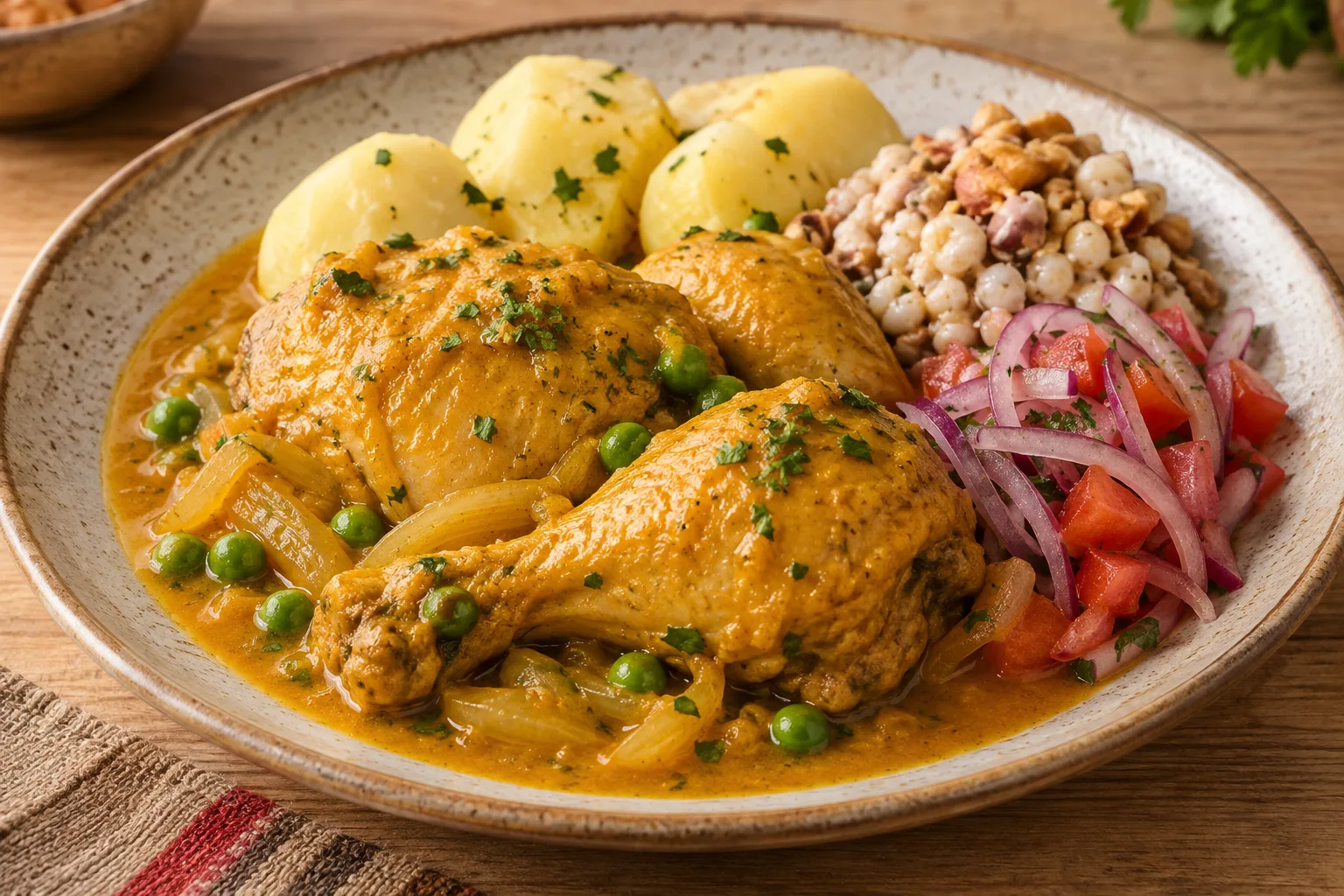
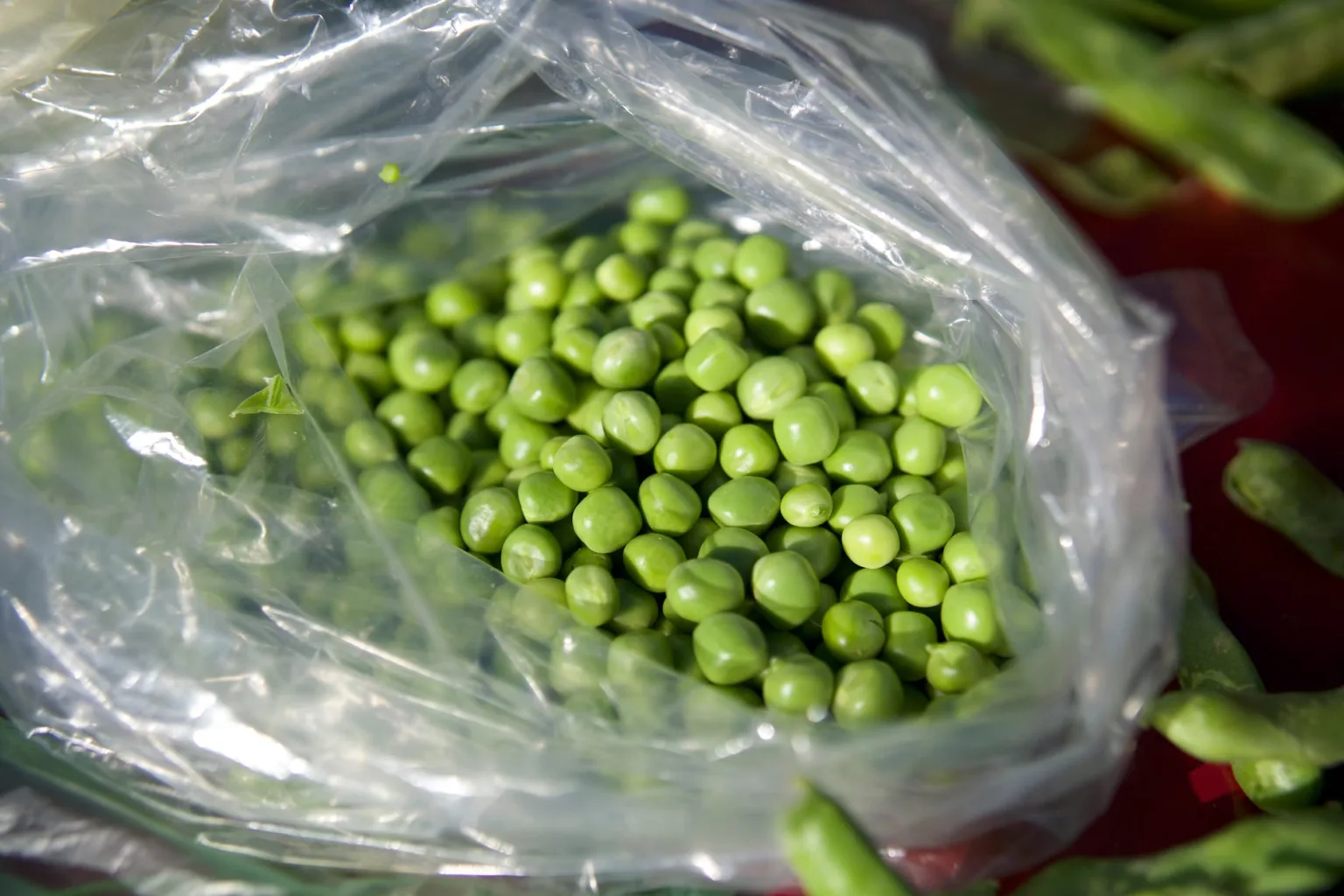
Fresh peas are the tender green seeds commonly eaten as a vegetable. The available material describes peas as a versatile plant food and identifies the plant as Pisum sativum. Although peas belong to the broad legume group, this profile focuses on the fresh form, which is used differently from dried peas. Fresh peas may be eaten raw when the product is suitable for that purpose, cooked as a side, or added to soups, stews, salads and rice dishes. They can also be mashed or blended into a purée. Do not treat fresh peas and dried split peas as identical ingredients: dried peas need a different preparation and produce a different texture.
When to use it
Use fresh peas when you want small green pieces in a salad, soup, stew or rice dish, or when you want a vegetable side. They can also be blended into a purée. Choose a preparation that suits the texture you want: keep the peas whole when you want distinct pieces, or blend them for a more uniform result. The evidence supplied does not establish a buying season or cooking times, so follow the recipe and the directions for the specific product rather than assuming a universal schedule.
How to use it
If the peas are sold in pods, remove the seeds before using them in the dishes described here. Serve them raw only when the product is suitable for raw use, or cook them by steaming or sautéing for a side dish. Add peas to soups and stews, mix them into salads or rice dishes, or blend them into a purée. Dried peas are not prepared in the same way as fresh peas, and cooking times can differ among dried legumes. Follow the package directions or a recipe written for the product you have; do not assume that one cooking time or liquid ratio works for every form.
Flavour and texture
The culinary information supplied describes peas as sweet and notes a crisp texture in some preparations. The result depends on how they are served and cooked: peas can remain distinct pieces in salads, soups or stews, or become smooth and uniform when blended. Fresh and dried peas do not have the same texture or require the same handling.
How to choose it
Choose the form specified by your recipe. Fresh peas, frozen peas and dried legumes are not interchangeable in every dish without adjusting preparation. If buying peas in pods, make sure that form suits your intended use; if buying shelled peas, check the product information and package. The available evidence does not provide verified quality tests based on firmness, color, season or shelf life, so do not treat any one of these as a guarantee.
Storage
The supplied evidence does not establish a verified temperature or storage duration for fresh peas, so this guide does not assign one. Follow the package or seller’s directions for the particular product, including refrigeration instructions where provided. Keep guidance for fresh peas separate from advice about dried legumes: storage information for dry peas does not automatically apply to fresh peas.
Substitutions
Dried split peas or other dried legumes may work in some soups and stews, but they are not a direct replacement for fresh peas: preparation and texture change, and cooking time can vary. The supplied guidance on dried legumes notes that cooking time depends on the type and product. Adapt the recipe and follow product-specific directions rather than making a one-for-one cup substitution without checking.
Common mistakes
A common mistake is treating fresh peas and dried peas as the same ingredient: they have different textures and require different preparation. Do not assume that all dried varieties cook alike or that one time and liquid quantity works universally. When substituting in soup or stew, adjust the method to the legume you choose.
Safety and allergens
No specific official warning or verified storage guidance for fresh peas was supplied. Follow the package or seller’s directions and use ordinary food-hygiene practices, especially if serving peas raw. This profile does not confirm that any particular product is suitable for raw consumption.
Culinary uses
- Acompañamiento de verduras
- Ingrediente para sopas y guisos
- Componente de ensaladas
- Base para purés
Recommended techniques
- Consumir crudas cuando sean aptas para ello
- Cocer al vapor
- Saltear
- Triturar para hacer puré
Pairs well with
- Otras verduras
- Arroz y preparaciones de arroz
- Sopas y guisos
- Ensaladas
Frequently asked questions
Can fresh peas be eaten raw?
The available material says peas may be eaten raw. Check that the particular product is suitable for that use and follow its package or seller’s directions.
How can I use fresh peas?
Add them to salads, soups, stews or rice dishes, serve them as a side, or blend them into a purée.
Can dried peas replace fresh peas in the same way?
Not exactly. Dried peas need different preparation and may cook at a different rate. If using them in a soup or stew, adapt the recipe to the product.
Estimated nutrition
- Fat
- 0.56 g
- Saturates
- 0 g
- Carbohydrate
- 13.5 g
- Sugars
- 6.74 g
- Fibre
- 4.5 g
- Protein
- 5.62 g
- Salt
- 0.3 g
Sources and review
Automatically researched, cross-checked and validated content. Sources consulted:
- Client Challenge doi.org
- The Essential Glossary of Cooking Terms for the Culinary Arts - Escoffier escoffier.edu
- Nutrition After Your Transplant - Health Online healthonline.washington.edu
- Safe & Healthy Food Pantries Project - Health & Well-Being health.extension.wisc.edu
- IBD-AID ALLOWABLE FOODS LIST, BY PHASE umassmed.edu
- Healthy, Whole Foods Eating on a Budget bastyr.edu
- Dry Beans and Peas - USU Digital Commons digitalcommons.usu.edu
- Cooking Dried Beans, Peas & Lentils | Cooperative Extension Service uaf.edu
- Provisions: Donation Wish List | Pace University New York pace.edu
- Leadership in food policy: raising a foodie scholarworks.uark.edu
- Las Arvejas: Deliciosas Esferas Verdes de Nutrición y Versatilidad – Mi Granja migranja.com
- Arveja | HerbaZest herbazest.com
- PERFIL DE LAS ARVEJAS magyp.gob.ar
- ¿Qué son arvejas y qué beneficios tiene esta verdura? mercadovallehermoso.es