- Category
- Fish and seafood
- State
- Fresh
- Usual unit
- g
What it is
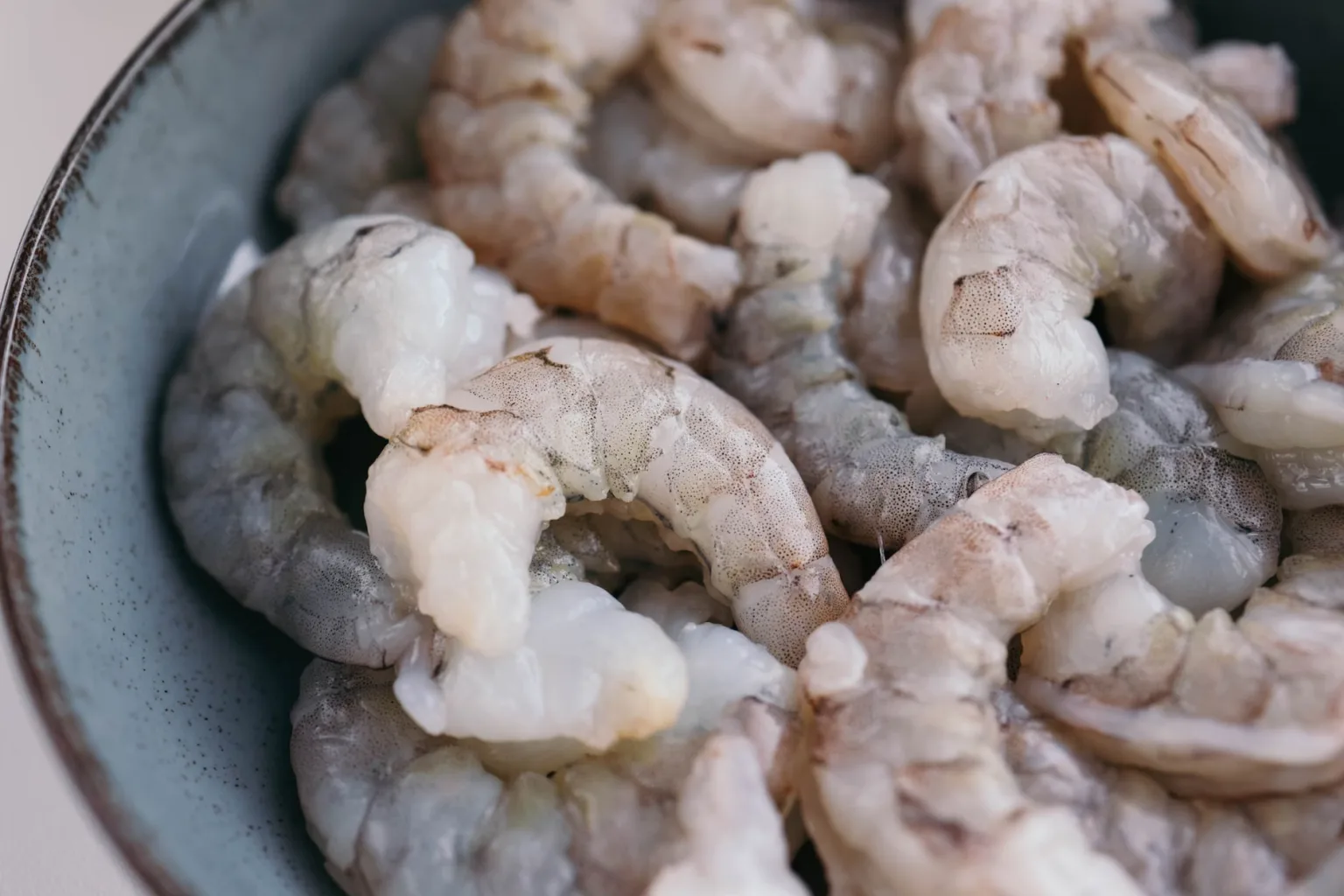
Peeled shrimp are shrimp from which the shell has been removed. They are crustaceans and may be sold in different forms: raw or cooked, fresh or frozen. The ingredient name alone does not tell you which form you have, so read the label before cooking. Because they are already peeled, they are convenient for dishes where you want seafood without shells to remove during preparation or at the table. Some recipes also remove the dark line along the back, described as the digestive tract, because it can taste bitter. Appearance and cooking approach depend on the particular product. Do not assume that peeled means cooked, or that every pack calls for the same handling and method.
When to use it
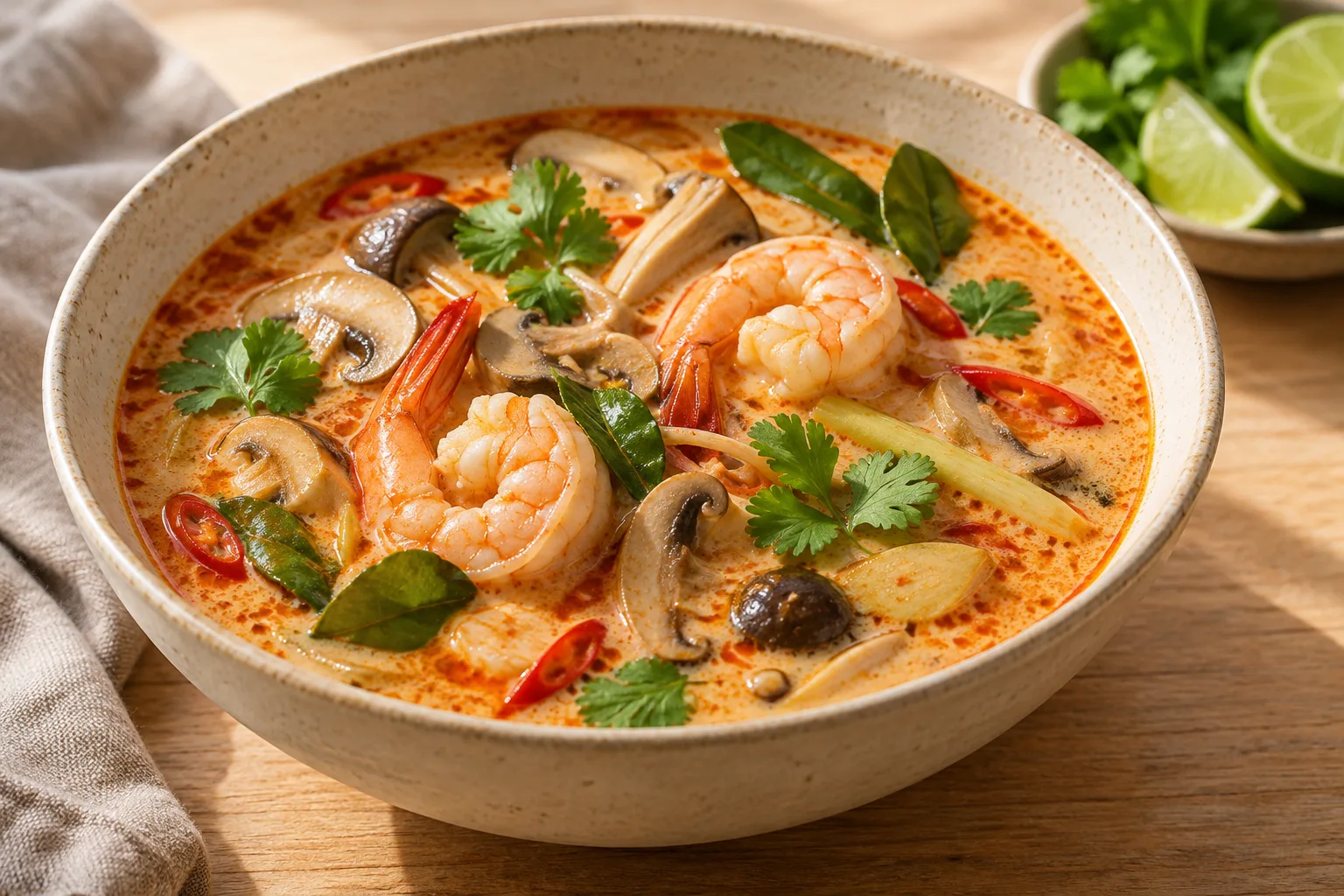
Use peeled shrimp when you want to add crustacean seafood without spending time peeling it during preparation or at the table. They suit cold salads and appetizers as well as hot dishes such as rice, pasta, soups, sautés, omelets and scrambled-egg dishes. They can take a central role or be added to a preparation with fish, vegetables or legumes. Before deciding when to add them, check whether they are raw or already cooked: that difference changes their role in a recipe. For a quick dish, cook them separately and add them near the end; in a soup or stew, follow the recipe and account for the product’s particular form.
How to use it
Check the label to see whether the shrimp are raw or cooked and whether they are sold fresh or frozen. If a dark line remains along the back and you want to remove it, do so before cooking; a consumer food source recommends removing this digestive tract because it can taste bitter. For a quick dish, sauté or griddle-cook the shrimp; boiling and frying are also options. Use them cold in salads and appetizers, or add them to rice, pasta, soups, omelets and scrambled-egg dishes. A Le Cordon Bleu bisque recipe, for example, serves sautéed shrimp with soup made from their heads and shells; that approach requires the removed parts and is not an option with a product that is already peeled. Match the method to the recipe and do not assume a universal cooking time without knowing the shrimp’s size and condition.
Flavour and texture
Shrimp are valued as seafood for their flavor, which can be milder or more pronounced depending on the variety. Their color can turn pink when cooked, while raw shrimp may look different. The final firmness depends on the preparation: one culinary source recommends cooling cooked shrimp rapidly to help the flesh remain firm. Peeled shrimp have no shell, and their uncooked appearance also depends on whether the product is raw or cooked.
How to choose it
Check the label to find out whether the shrimp are raw or cooked and whether the product is fresh or frozen; these forms are available and can call for different uses. For fresh shrimp, a consumer guide recommends choosing pieces with a mild smell and rejecting those with a slight ammonia smell. It also advises avoiding soft pieces. Since peeled shrimp have no shell to inspect, pay attention to the flesh’s appearance, the packaging and the seller’s product information. Shrimp size varies, so choose a size that suits the dish.
Storage
Peeled shrimp may be sold fresh or frozen, so use the product label as your guide to storage and preparation. Keep the package closed and follow its instructions rather than applying one storage period to every product: the product’s condition, previous handling and whether it has already thawed can affect what to do. A source on shrimp advises against refreezing them once thawed; check the label as well, since instructions can depend on the particular product. If the package provides specific directions, follow those.
Substitutions
If shrimp are not essential to a recipe, you can consider other crustaceans. A collection of recipes suggests replacing shrimp with larger prawns, langoustines, lobster or picked crab meat in some preparations. These are not exact equivalents: size, texture and flavor differ, and the recipe may need changes to the cut and cooking sequence. Choose an alternative to suit the dish, and consider whether it will work in a cold preparation, a filling or a hot main course.
Common mistakes
Do not assume all peeled shrimp are raw: the label should clarify whether the product is raw or cooked. Do not substitute another crustacean without considering differences in size and texture, or rely on one cooking time for every product. If the dark line along the back is present, remember that it can taste bitter and remove it if appropriate for the recipe. Finally, the cited consumer guidance advises not refreezing shrimp after thawing.
Safety and allergens
The available sources do not provide one specific handling protocol for every form of peeled shrimp. Follow the package directions and the advice of your local official food-safety authority; do not assume raw and cooked products should be handled in the same way.
Culinary uses
- Ingrediente principal de platos de marisco
- Proteína para ensaladas, arroces, pastas, sopas y guisos
Recommended techniques
- Saltear
- Cocinar a la plancha
- Cocer
- Freír
Pairs well with
- Ajo y aceite de oliva
- Arroz y pasta
- Limón
- Tomate, puerro e hinojo
Frequently asked questions
Are peeled shrimp always cooked?
No. The name means the shells have been removed; it does not by itself say whether the shrimp are raw or cooked. Check the label before use.
What dishes can I make with peeled shrimp?
They can go into salads and appetizers, or hot dishes such as rice, pasta, soups, sautés, omelets and scrambled-egg dishes.
Can thawed shrimp be frozen again?
The cited consumer guidance advises against refreezing shrimp once thawed. Also follow the directions on the particular product’s label.
Estimated nutrition
- Fat
- 1.79 g
- Saturates
- 0 g
- Carbohydrate
- 0 g
- Sugars
- 0 g
- Fibre
- 0 g
- Protein
- 17.9 g
- Salt
- 0.78 g
Sources and review
Automatically researched, cross-checked and validated content. Sources consulted:
- Client Challenge doi.org
- The Essential Glossary of Cooking Terms for the Culinary Arts - Escoffier escoffier.edu
- Agencia Española de Seguridad Alimentaria y Nutrición aesan.gob.es
- Dictionary of Health Related Terms: English – Spanish hia.berkeley.edu
- El mercado pesquero de la UE mapa.gob.es
- Mayo: los langostinos | Consumer consumer.es
- Reto Le Cordon Bleu Madrid: Bisque de langostinos asados, hinojo a la naranja y crème fraîche cordonbleu.edu
- assessment of user needs of primary biodiversity data ... journals.ku.edu
- llistat 2024 cast (08/04/2026) repositori.upf.edu
- - YouTube youtube.com
- Las mejores recetas caseras y fáciles con langostinos: cocina tradicional y rápida directoalpaladar.com
- ¿Cómo elegir los mejores langostinos? - Compesca compesca.com