- Category
- Fruit
- State
- Preserved
- Usual unit
- unit
What it is
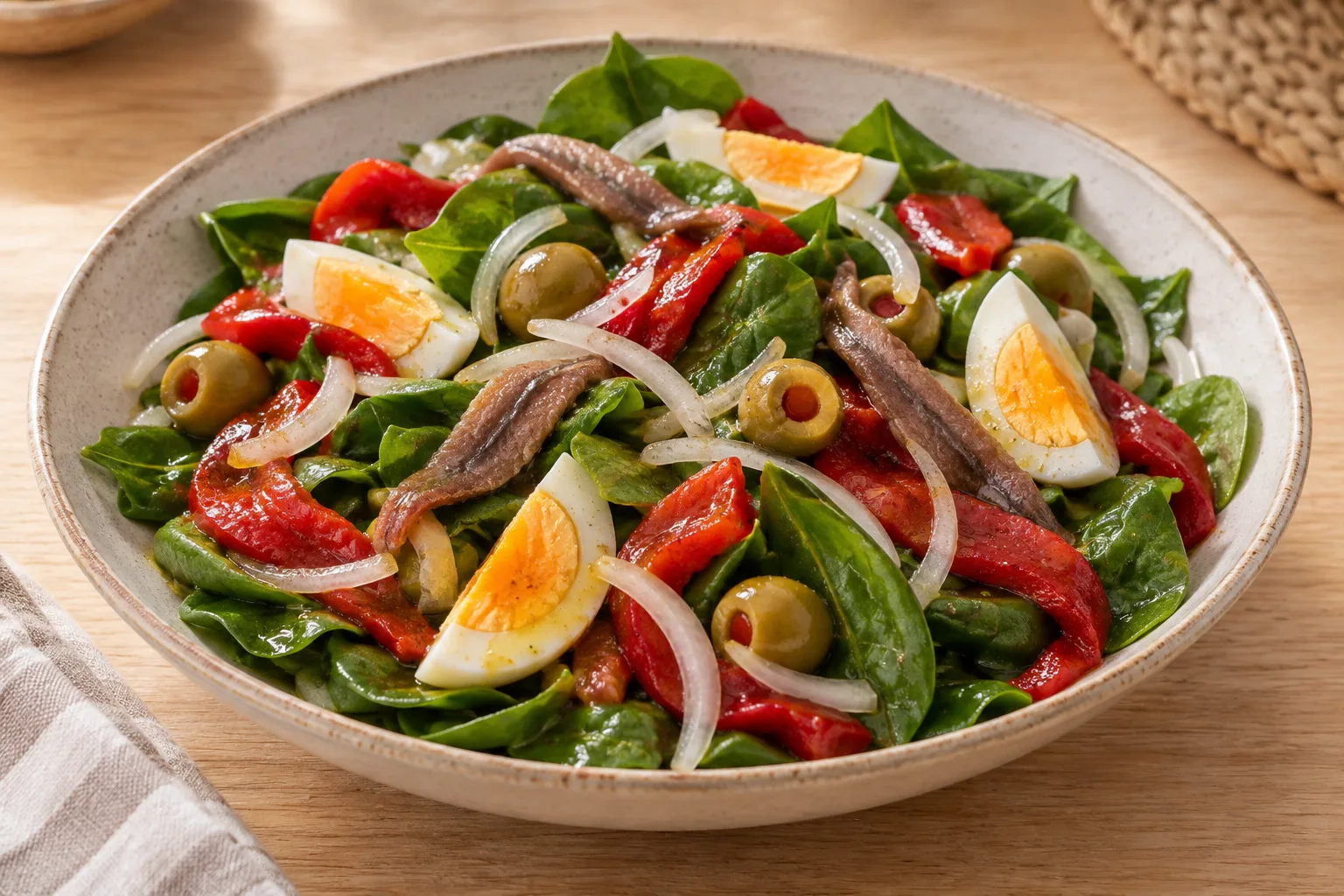
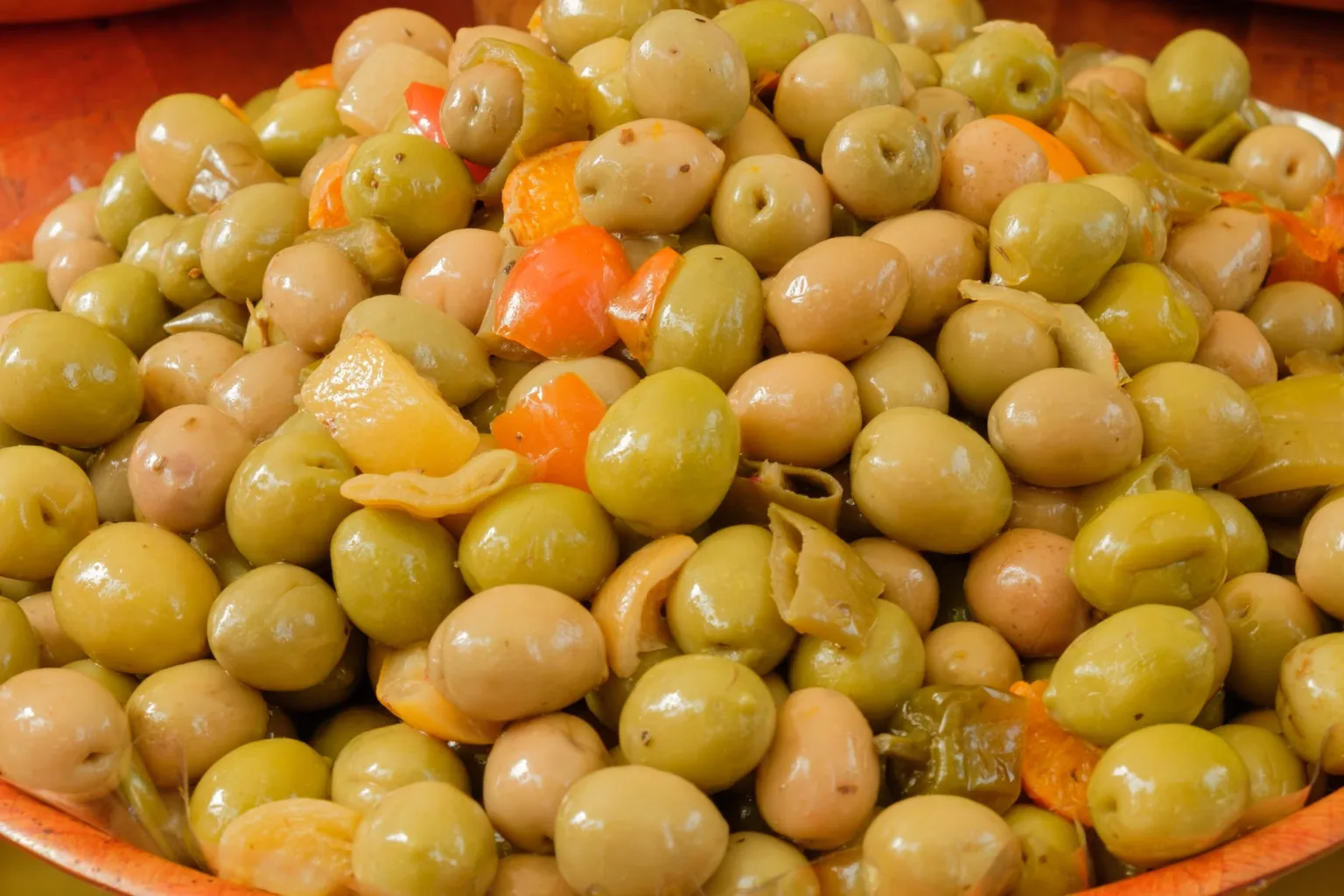
These are table olives with the pit removed and a filling of pepper or a pepper-based paste. Many commercial versions use green olives and a paste-like filling, but olive varieties and the exact filling ingredients can differ. The name describes a culinary combination rather than one fixed recipe. They are commonly sold ready to serve in packaged, preserved forms. The olive provides a firm, savory and salty base, while the filling adds a contrasting color and a milder vegetable note. Check the ingredient list and allergen information for the specific product, since ingredients and precautionary trace statements are not the same across all brands.
When to use it
Use them when you want a ready-to-serve appetizer or a salty, colorful addition to a cold dish. They fit on a pickle board, in tapas, salads, ensaladilla or cold pasta salad. They can also add a visual contrast to skewers and cocktail platters. Because the olive and filling bring their own strong seasoning, treat them as a flavor accent rather than assuming they can replace plain olives in every recipe. If a dish already includes pickles or other salty ingredients, add a small amount first, taste, and adjust the dressing afterwards.
How to use it
Serve them whole straight from the package as an appetizer, tapa or part of a pickle board; you can also thread them onto skewers or use them to garnish a cocktail platter. For salads, ensaladilla and cold pasta, halve or chop them so the filling and flavor are distributed through the dish. Stir chopped olives gently into cold rice or legume dishes to keep their shape. Taste before adding extra salt, since preserved olives can contribute a noticeable salty flavor. Drain them if you do not want to add the preserving liquid. Follow the package instructions for storage and use after opening.
Flavour and texture
The combination brings together the salty, slightly tangy taste of a preserved olive and the milder vegetable note of pepper filling. The olive flesh is often firm and meaty, while the filling may be a smooth paste or have a different texture depending on the product. The green olive and contrasting filling add visual color. Intensity, filling proportion and texture vary by brand, so check the product description and ingredient list.
How to choose it
Read the label to see which olive is used, whether the filling is pepper or pepper paste, and what other ingredients are included. Commercial recipes may contain stabilizers, acidulants or other ingredients, and the proportion of pepper is not identical in every product. Check the allergen and precautionary trace statements too: one brand may mention fish, almonds, milk proteins or sulfites while another formula differs. Choose an intact package and follow its specific storage and date instructions.
Storage
Before opening, use the storage conditions and date printed on the package; there is no single rule for every product and package format. After opening, follow the manufacturer's directions for refrigeration, keeping the olives in their covering liquid and the recommended time to use them. If the label does not explain storage after opening, ask the manufacturer rather than applying a universal time limit. Keep the product covered and use clean utensils to reduce contamination during serving. Discard it if the package is damaged or you notice abnormal signs; the product label is the reference for safe use.
Substitutions
If you do not have pepper-stuffed olives, use pitted olives with another filling, such as anchovy, garlic, almond or cheese. The change will alter the flavor and may also change the allergens, so check the alternative's label. To keep a colorful contrast in a salad or on a board, pair plain green olives with pepper served separately, though this will not give the same integrated bite.
Common mistakes
Do not assume that every brand uses the same olive variety, filling or allergen statements. Avoid salting a recipe before tasting it, since preserved olives may already bring considerable saltiness. Nor should a pitted appearance be taken as an absolute guarantee: some products warn that pits or pit fragments may be present.
Safety and allergens
Check the label for the ingredients and allergens in the specific product; declarations can differ between brands. Some products warn that pits or fragments may be present, so chew carefully, especially when serving people who may have difficulty noticing them. Follow the package directions for storage and safe use.
Culinary uses
- Ready-to-serve appetizer
- Salty, colorful addition to cold dishes
- Cocktail and canapé garnish
Recommended techniques
- Serve whole
- Slice or chop for salads and cold pasta
- Thread onto skewers
- Fold into cold legume or rice dishes
Pairs well with
- Green salads and ensaladilla
- Cold pasta and rice dishes
- Legumes
- Other pickles and appetizer-board ingredients
Frequently asked questions
Can I serve them straight from the package?
Yes. They are sold ready to serve as an appetizer or to add to a board; follow the package's storage and use instructions.
Is the filling always a strip of pepper?
Not necessarily. Some products describe a pepper paste, and recipes vary; check the product description and ingredient list.
Could they contain other allergens?
Some brands declare possible traces of fish, almonds, milk proteins or sulfites. Always check the label of the product you plan to eat.
Estimated nutrition
- Fat
- 26.7 g
- Saturates
- 3.33 g
- Carbohydrate
- 6.67 g
- Sugars
- 0 g
- Fibre
- 6.7 g
- Protein
- 0 g
- Salt
- 3.68 g
Sources and review
Automatically researched, cross-checked and validated content. Sources consulted:
- En el etiquetado alimentario hay algunas menciones que son obligatorias eletiquetadocuentamucho.aesan.gob.es
- Aceitunas rellenas de Pasta de Pimiento - Aceitunas Bravo S.L. aceitunasbravo.com
- Aceitunas Rellenas DE PIMIENTO – Aceitunas Excelencia aceitunasexcelencia.com
- Aceitunas rellenas de pimiento: el aperitivo clásico que nunca falla - Garpa Alimentación - Almacenamiento y Distribución para las Islas Canarias garpa-alimentacion.com
- Aceitunas rellenas de pimiento vimafoods.com
- ¿Por qué la muerte es origen de miedos y tabúes? doi.org
- Aesan - Agencia Española de Seguridad Alimentaria y Nutrición aesan.gob.es
- Conoce todo sobre los tipos de aceitunas que existen agrabamx.com
- Aceitunas rellenas de Pimiento - Aceitunas Salinas aceitunassalinas.com
- La Tradición de las Aceitunas Españolas como Aperitivo: Un Viaje Culin – L'Española lespanola.com
- Aceitunas Rellenas | Aceitunas Gourmet Españolas spanish-oil.com
- Aceituna rellena - Wikipedia, la enciclopedia libre es.wikipedia.org
- Aceitunas Rellenas de pimiento rojo Ybarra ybarra.es
- Aceituna Gordal Rellena de Pimiento Natural Sabor Tradicional - Aceitunas López aceitunaslopez.com
- ▷ TIENDA ONLINE - Aceitunas Lorente - Calidad Gourmet al Mejor Precio aceitunaslorente.com
- Aceitunas verdes rellenas de pimiento - Borges borges1896.com
- ACEITUNAS RELLENAS DE PIMIENTO ESPELETTE - Mi feria gastronómica miferiagastronomica.com
- Las Mejores Aceitunas Rellenas de Pimiento para Acompañar tu Paella: Análisis y Comparativa de Productos recetaspaella.es