- Category
- Vegetables
- State
- Fresh
- Usual unit
- unit
What it is
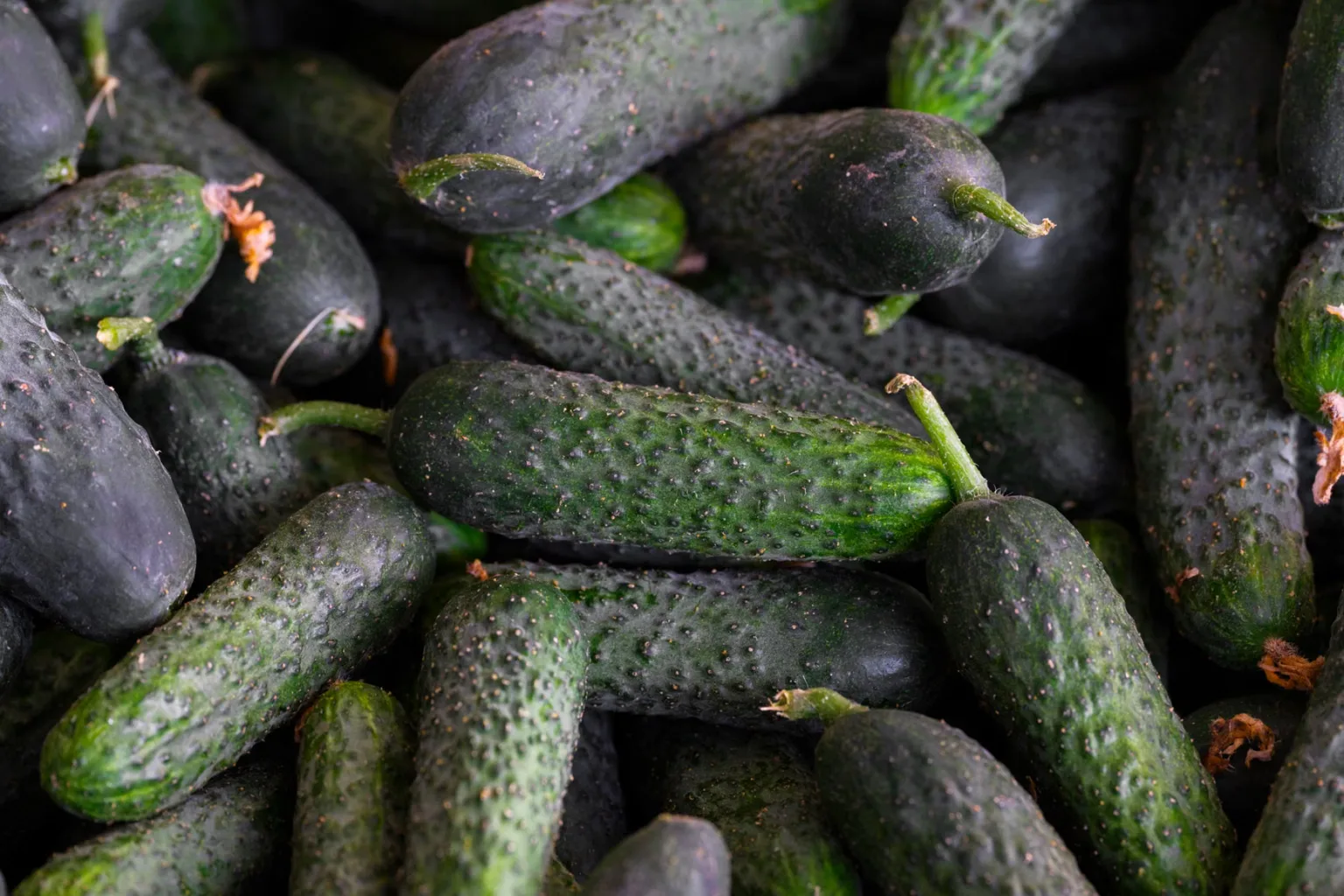
Persian cucumber is a fresh variety of cucumber, Cucumis sativus. It is described as small and elongated, with smooth, thin skin; available descriptions also note crisp flesh and few large seeds. In the kitchen, cucumber is treated as a vegetable, although botanically it is the plant’s fruit. Its mild flavor and texture make it especially useful raw. Individual cucumbers can vary, so check the appearance and taste a slice before using a large amount. The name identifies a variety, but the evidence available here does not establish a specific place of origin or a distinct growing season for it.
When to use it
Choose Persian cucumber when you want to add freshness and a light crunch to a salad, a vegetable platter, or a snack. It also works in chilled soups and yogurt sauces, where its mild flavor can sit alongside more assertive ingredients without taking over. Its small size makes it convenient to slice into rounds or sticks for serving as is. It is a suitable choice when a dish calls for a fresh, crisp cucumber. For pickling, check that the recipe is designed for table cucumbers: some cucumber varieties are specifically selected for pickling and may not give the same result.
How to use it
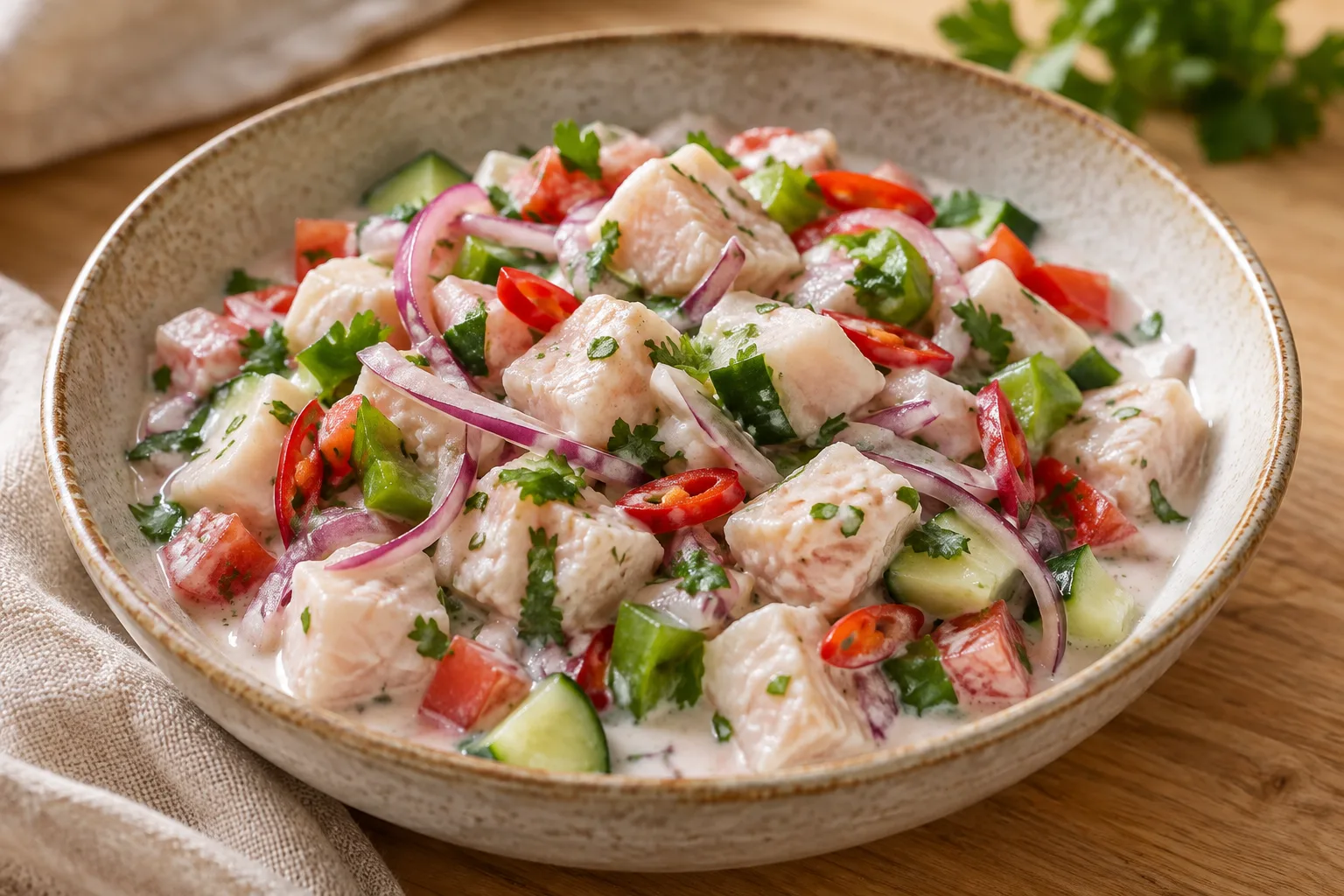
Rinse the cucumber before cutting and dry it if you want to avoid adding extra water to a salad or sauce. Cut it into rounds, half-moons, dice, or sticks to suit the dish; its thin skin often means it can be left on, though peeling is an option if you prefer a more uniform texture. Toss it with tomato, onion, herbs, or a citrus dressing for a fresh salad, or combine it with yogurt for a cool sauce. You can also add it to chilled soup or eat it on its own as a snack. If a slice tastes strongly bitter, do not hide that flavor in a large batch: taste a small piece first and remove any parts you find unpleasant.
Flavour and texture
Persian cucumber is generally mild, fresh, and lightly vegetal in flavor, with firm, crisp flesh. Its thin skin is one reason it is often used unpeeled. Descriptions of the variety note few large seeds, although size and texture may differ from one cucumber to another. Cucumbers can sometimes taste bitter, so do not assume every piece will taste identical. If in doubt, taste a slice before adding it to a finished dish.
How to choose it
Choose cucumbers that feel firm and have intact skin, with no obvious areas of deterioration. Because Persian cucumbers are small and elongated, size alone is not a reliable sign that one is spoiled. If you can, compare several and choose those that look fresh rather than soft or shriveled. Available descriptions characterize the variety as smooth-skinned, but do not provide a Persian-cucumber-specific maturity test; use overall appearance and check each piece before buying.
Storage
Keep cucumbers dry and avoid leaving them enclosed in a damp bag: a culinary source notes that excess moisture encourages deterioration. Check stored cucumbers and remove any that begin to spoil. The available evidence does not establish a specific storage duration or temperature for Persian cucumber, so a precise number of days should not be promised. Once cut, protect it from contamination and use it while its appearance and smell remain normal.
Substitutions
If Persian cucumber is unavailable, use another fresh cucumber with a mild flavor. The size, skin thickness, and amount of seed may differ, so adjust the cut and peel the substitute if its skin is thicker. For salads or snacks, a small, crisp variety is the closest match. If a recipe calls for cucumbers specifically selected for pickling, do not assume that any table cucumber will give the same result; pickling varieties may be different.
Common mistakes
Do not assume every Persian cucumber is free of bitterness or that every piece will have identical characteristics. Taste a slice before mixing it with many ingredients. Avoid storing cucumbers wet in a closed bag, since excess moisture can encourage deterioration. Also, do not treat a table cucumber as interchangeable with a variety selected for pickling when following a preserving recipe.
Safety and allergens
Rinse the cucumber under potable water before cutting and discard pieces that are clearly spoiled. The available evidence does not identify a safety warning specific to Persian cucumber.
Culinary uses
- Fresh salad ingredient
- Crunchy snack
- Cool component in chilled dishes
Recommended techniques
- Slice or dice for raw dishes
- Blend into chilled soups or sauces
- Peel if desired
Pairs well with
- Yogurt
- Tomato
- Onion
- Lime
- Cilantro
Frequently asked questions
Does Persian cucumber need to be peeled?
Not necessarily. Its skin is described as thin, so it can often be used unpeeled; peel it if you prefer a softer texture.
Can Persian cucumber contain seeds?
Yes. It is described as having few large seeds, but that does not mean every cucumber is completely seedless.
Can I substitute another cucumber?
Yes. Use another fresh cucumber and adjust the cutting or peeling if its skin is thicker or its texture differs.
Estimated nutrition
- Fat
- 0 g
- Saturates
- 0 g
- Carbohydrate
- 3.85 g
- Sugars
- 1.92 g
- Fibre
- 0.5 g
- Protein
- 0 g
- Salt
- 0 g
Sources and review
Automatically researched, cross-checked and validated content. Sources consulted:
- Client Challenge doi.org
- Pepino: propiedades y variedades - CocinoPedia.com cocinopedia.com
- Client Challenge doi.org
- Pepino, la hortaliza más refrescante del verano: propiedades, beneficios y cómo usarlo en la cocina directoalpaladar.com
- Sevin 16oz Concentrate Label v20 ucanr.edu
- Maduración de la Fruta y Manejo del Etileno ucanr.edu
- Sevin RTU Gallon Label v14 picol.cahnrs.wsu.edu
- Maquetación 1 openaccess.uoc.edu
- - YouTube youtube.com
- El pepino árabe: culinariamente versátil y un gran antioxidante - Hidrohuerta hidrohuerta.cl
- Pepino Persa: cultivo, riego y cosecha en 55 días plotmygarden.com
- Cebiche - Wikipedia, la enciclopedia libre es.wikipedia.org
- Maridajes para pepino en Latinoamérica ✓ basmatic.com
- Horticultura Revista de Industria Distribución y ... mapa.gob.es