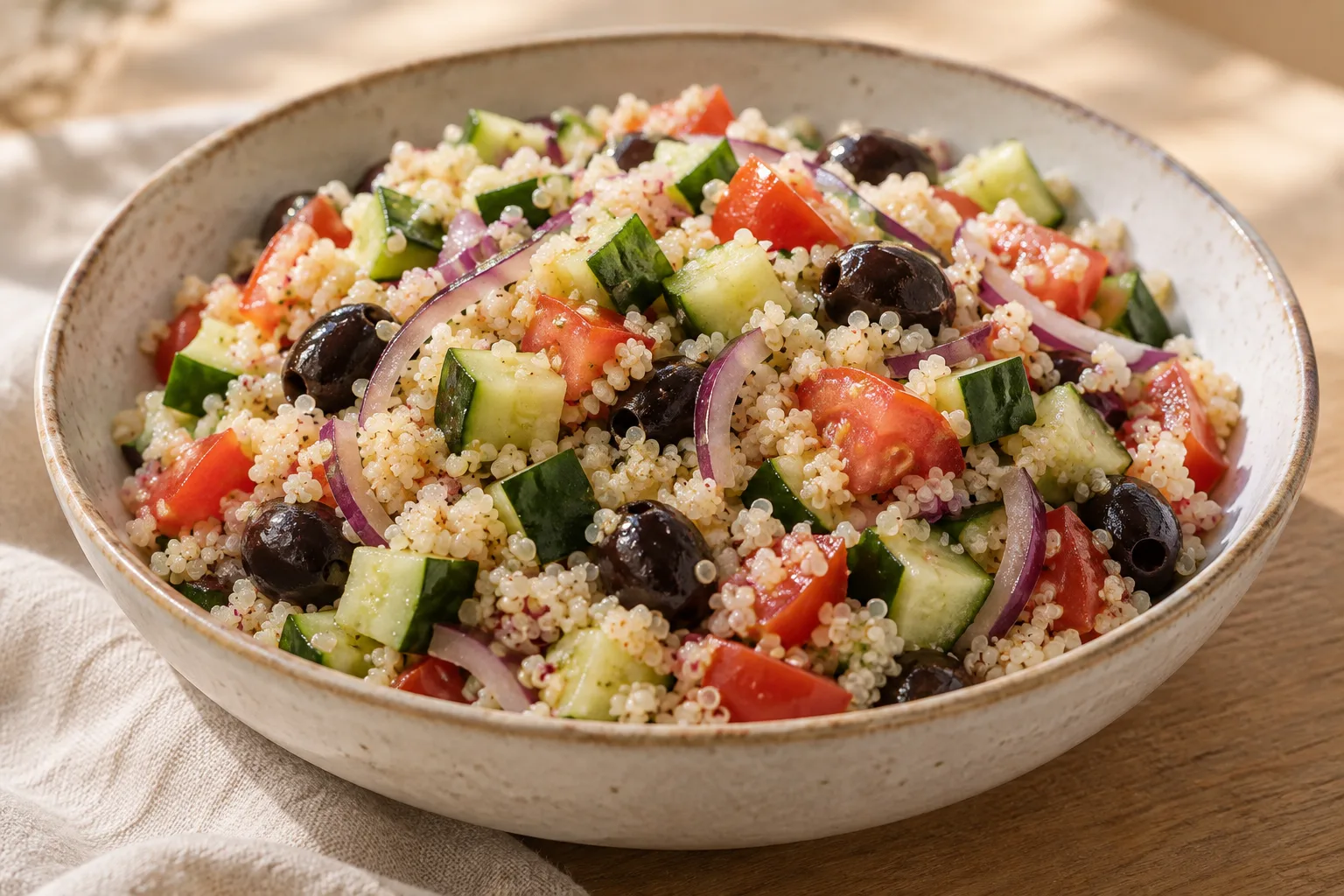
- Category
- Fruit
- State
- Preserved
- Usual unit
- piece
What it is
Pitted black olives are table olives with the stones removed, sold ready to eat or cook with. The word “black” does not by itself identify a variety or guarantee one particular processing method: naturally black olives exist, and some commercial products may have stabilized color. Depending on the product, they may be packed in a covering liquid such as water and salt, and may contain other ingredients or additives. Check the ingredient list and package information rather than assuming that every can or jar is the same. With the stones removed, they are convenient to leave whole, slice, or chop for a range of dishes.
When to use it
Use them when you want to add flavor and color to a salad, pizza, pasta, bread or snack without removing stones during preparation or at the table. They can also be used in Mediterranean-style dishes or blended into an olive spread. Flavor and texture depend on the product, so taste the olives before adjusting the rest of the seasoning, especially when the recipe already includes salty ingredients. Black color alone does not tell you the exact processing method or flavor profile.
How to use it
Drain the olives if a recipe does not call for the packing liquid, and check that they are fully pitted: a commercial product label warns that stone fragments may be present. Leave them whole for a snack, or slice or chop them for salads, pizza, pasta and bread. You can also add them to hot or cold dishes, or crush or blend them into an olive spread. Pair them, for example, with fresh cheese, anchovies, tuna or roasted pepper. Taste the finished dish before adding more salt, and follow the package directions for use and storage.
Flavour and texture
The profile is not identical across products: one brand describes its olives as mild and tender, while black olives can vary with the fruit and processing. They may add a pronounced flavor and a fleshy or soft texture; the packing liquid and added ingredients can also make a difference. Check the package and taste one olive before deciding how much to add to a dish.
How to choose it
Check that the package identifies the product as pitted black olives, and read the ingredient list and any use or storage directions. The way color is obtained or stabilized and the product composition may vary; do not assume that a product is naturally black or contains olives alone. If you need to avoid a particular ingredient, check the label on the exact package you plan to buy.
Storage
Follow the storage directions printed on the package; they can vary by product and packaging. For packaged food, also check the directions that apply after opening rather than assuming that every jar or can needs exactly the same treatment. If the package is damaged or the contents appear spoiled, do not eat them and consult the product’s safety information.
Substitutions
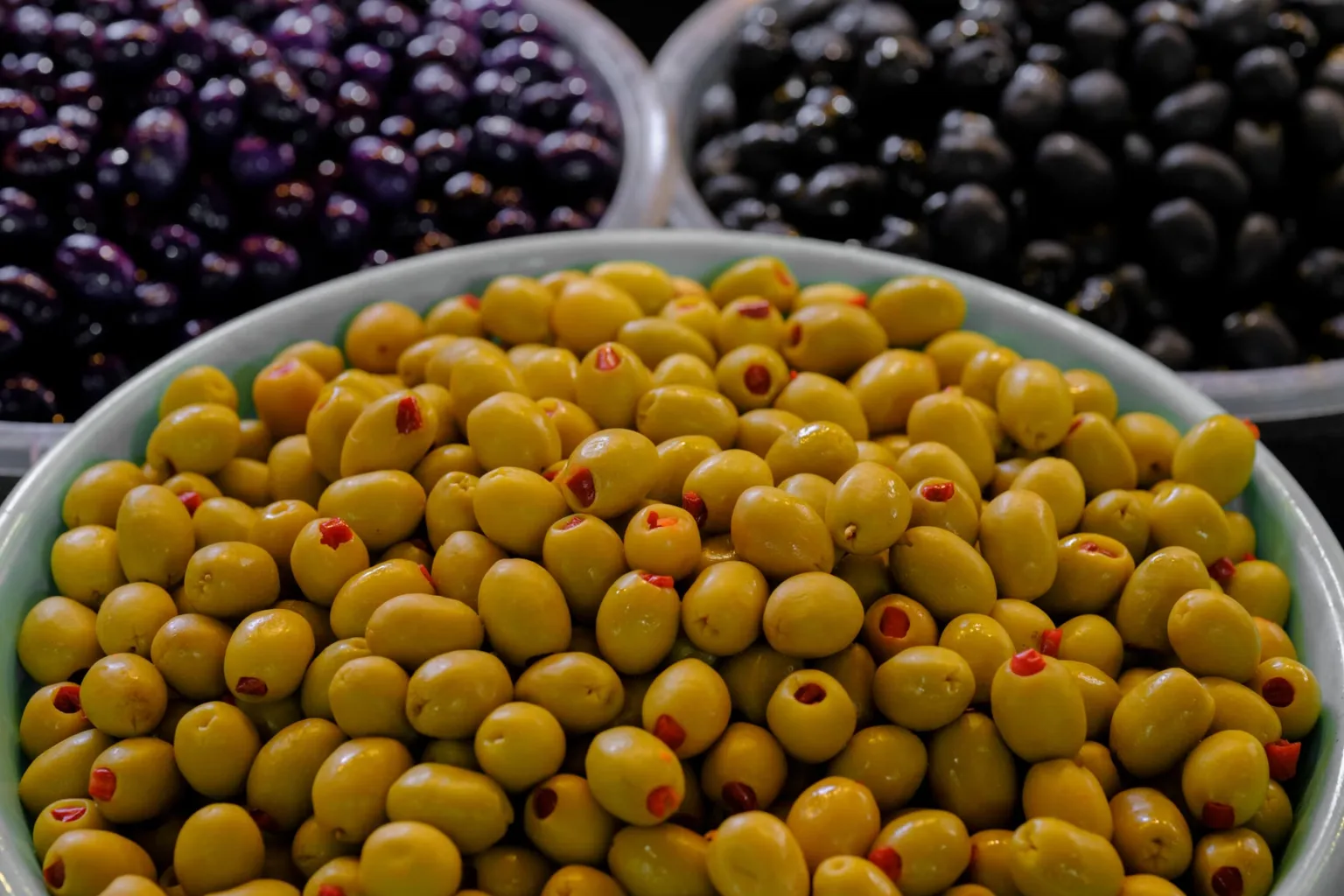
Green table olives can replace black olives when you want to keep an olive flavor, but they will change the taste and appearance. Chopped capers can serve as a limited alternative for a salty, pickled accent, not as a replacement for the olives’ fleshy texture or flavor. Adjust the amount and taste before seasoning.
Common mistakes
Do not assume that all black olives are processed in the same way or that their color reveals how they were made. Do not automatically add salt either: taste the dish first, especially if it includes anchovies or other salty ingredients. Although sold as pitted, check for fragments and consult the package for storage directions.
Safety and allergens
Read the label for ingredients and use and storage instructions, which can vary between products. One manufacturer warns that its pitted product may contain stone fragments; check the olives when serving, especially for people who may have difficulty detecting or managing such fragments.
Culinary uses
- Aperitivo o ingrediente para picar
- Ingrediente y cobertura para platos fríos y calientes
- Base para una pasta untable de aceitunas
Recommended techniques
- Cortar en rodajas o picar antes de añadir a ensaladas y platos
- Incorporar a pizzas, pastas o panes
- Triturar o machacar para preparar una pasta de aceitunas
Pairs well with
- Queso fresco
- Anchoas o atún
- Pimiento asado o frito
Frequently asked questions
Are all pitted black olives naturally black?
The processing method cannot be determined from color alone. Products described as naturally black are available, while others may contain color stabilizers; check the label.
How can I serve them?
Serve them as a snack or slice them into salads, pizza, pasta and bread. They can also be crushed or blended into a spread.
Can pitted olives contain stones?
One manufacturer warns that its product may contain stone fragments. Check the olives when serving and read the label for the specific brand.
Estimated nutrition
- Fat
- 13.3 g
- Saturates
- 3.33 g
- Carbohydrate
- 6.67 g
- Sugars
- 0 g
- Fibre
- 0 g
- Protein
- 0 g
- Salt
- 2 g
Sources and review
Automatically researched, cross-checked and validated content. Sources consulted:
- En el etiquetado alimentario hay algunas menciones que son obligatorias eletiquetadocuentamucho.aesan.gob.es
- Vamos a Conservar Alimentos: Ingredientes Utilizados en las Conservas Preparadas en Casa extension.psu.edu
- Observatorio del Consumo y la Distribución Alimentaria “ ... mapa.gob.es
- Aceituna | Postharvest Research and Extension Center postharvest.ucdavis.edu
- The Essential Glossary of Cooking Terms for the Culinary Arts - Escoffier escoffier.edu
- Aesan - Agencia Española de Seguridad Alimentaria y Nutrición aesan.gob.es
- Variedades de aceitunas – Aceite Córdoba aceitecordoba.com
- Tipos de aceitunas y sus usos en cocina elespanol.com
- Conoce todo sobre los tipos de aceitunas que existen agrabamx.com
- Bard College | La Voz | Article | Ensalada fría de pasta tricolor y camarones asados al limón lavoz.bard.edu
- Cómo conservar sus propios alimentos | Extensión UMN es.extension.umn.edu
- Noviembre gavilan.edu
- Aceitunas negras sin hueso (¿crudas?, ¿orgánicas?) | Fundación G+E diet-health.info
- Aceitunas negras sin hueso Ybarra ybarra.es
- Aceitunas negras sin hueso - Aceitunas Bravo S.L. aceitunasbravo.com
- Aceitunas negras sin hueso | Carbonell carbonell.es