- Category
- Grains, flour and pasta
- State
- Dry
- Usual unit
- tablespoon
What it is
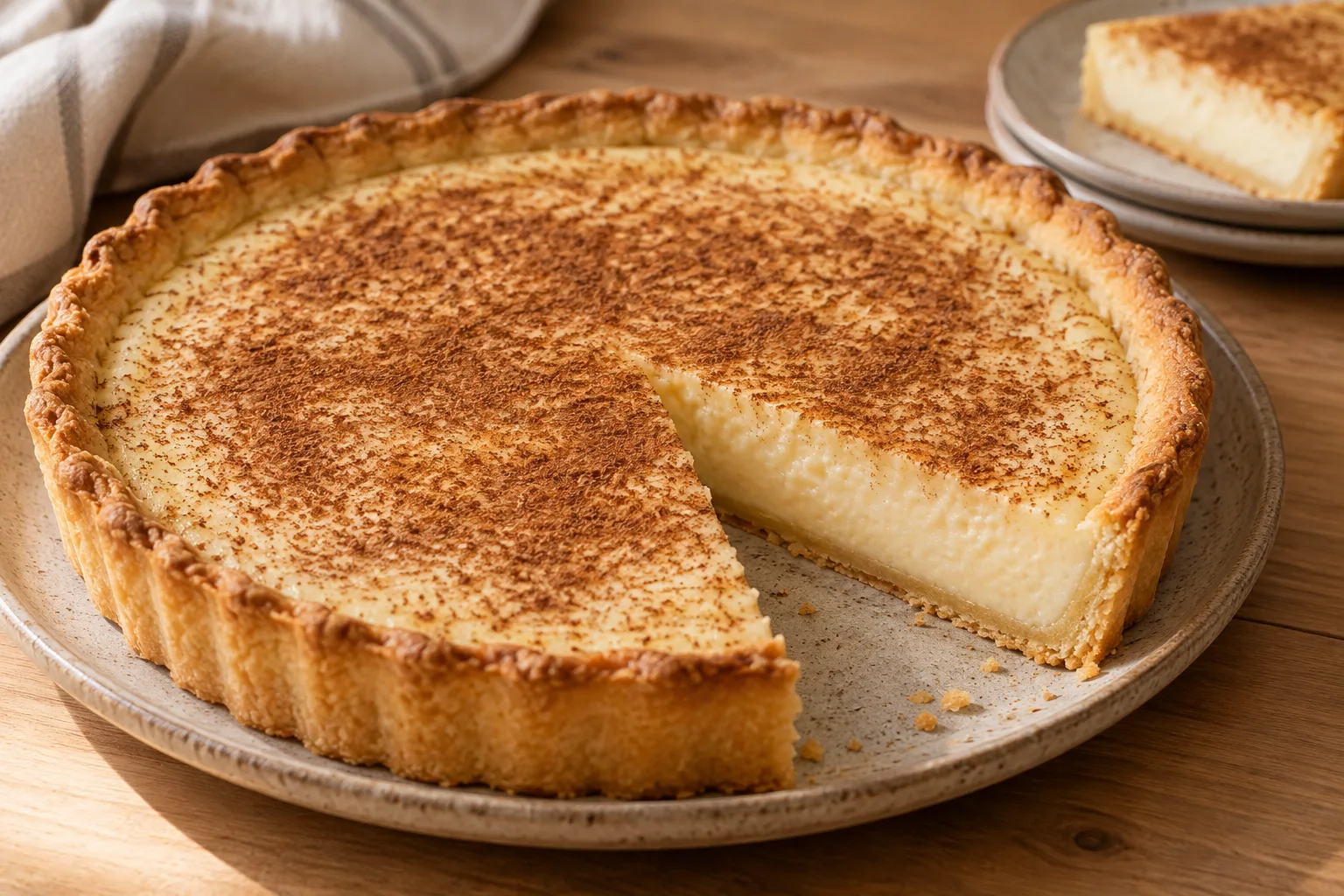
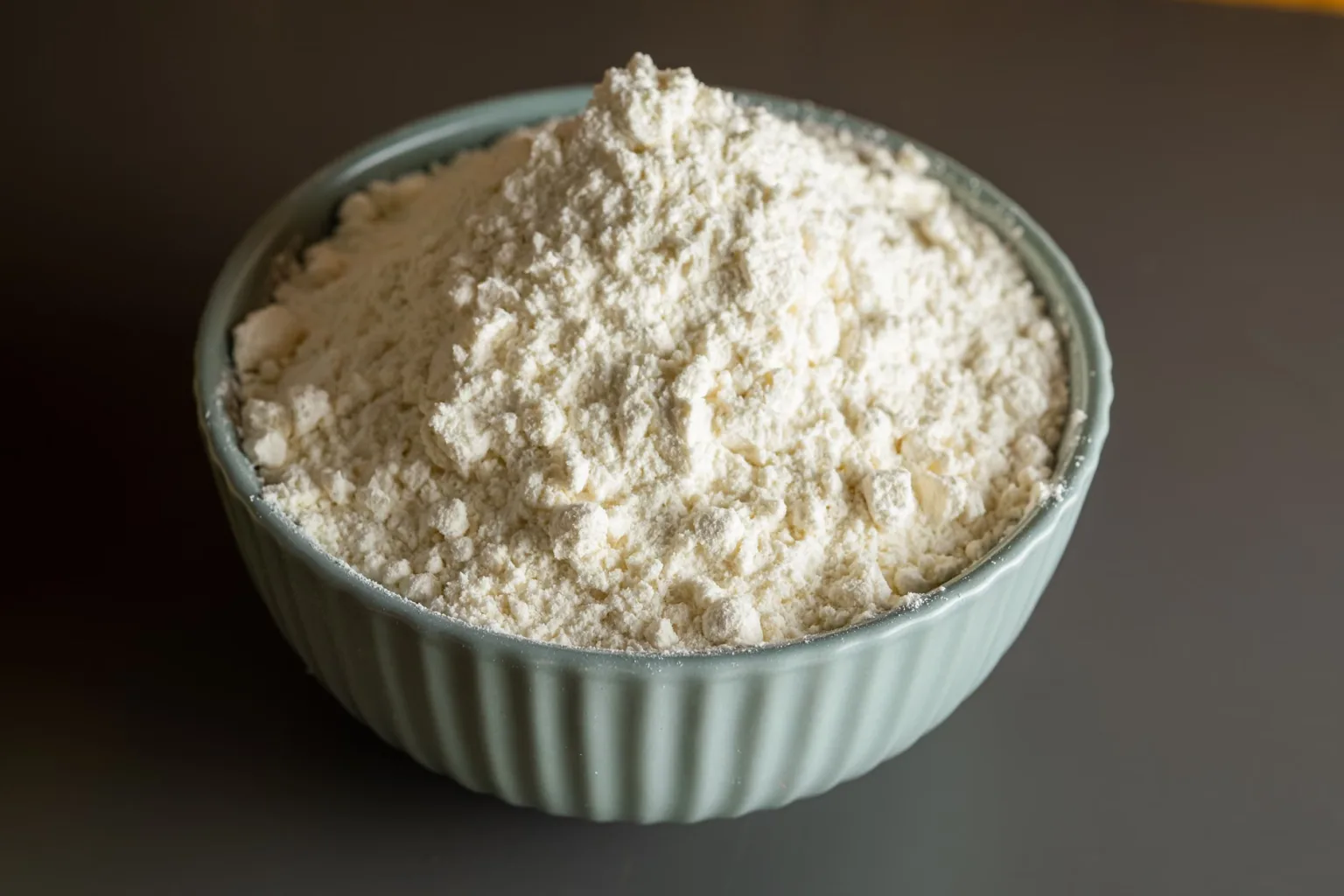
This is flour made by milling wheat, identified here for use in a custard. Wheat flour is generally a fine powder, though its colour and texture vary with the grain and processing. The sources distinguish more refined white flour from whole-wheat flour, which retains parts of the grain and has a denser texture and more pronounced flavour. White wheat flour contains gluten. Since the ingredient name does not specify refinement or flour strength, check the package and follow the recipe rather than assuming that every wheat flour behaves alike.
When to use it
Use it when a custard recipe specifically calls for wheat flour, or in preparations where a recipe uses flour to add body. The sources describe wheat flour as a thickener for sauces, soups and stews; they do not establish that every flour type gives the same result in every custard. If the recipe specifies a particular flour or texture, check the stated type before substituting. Do not choose wheat flour when the preparation needs to avoid gluten.
How to use it
Follow the custard recipe for quantity and instructions: the available sources do not specify proportions, order of addition or cooking times for this preparation. Flour type matters. Wheat flours vary in refinement and strength, and the sources associate weaker flours with desserts and strong flours with bread and pizza. For custard, use the flour specified by the recipe rather than assuming all types behave identically. Wheat flour is also described as a thickener for sauces, soups and stews. Do not assume a substitute will produce the same result without checking the recipe.
Flavour and texture
Wheat flour is described as a fine powder, usually white or beige, with a light aroma; its appearance depends on type and processing. Whole-wheat flour is more granular and rough, with a denser texture and more pronounced flavour than white flour. These differences may affect a custard. The sources do not establish one single flavour or texture for every product sold as wheat flour.
How to choose it
Check that the package identifies the product as wheat flour, and look for whether it is white or whole-wheat; check the type or strength if the recipe specifies it. Flours differ in milling, refinement and characteristics, so strong bread flour is not automatically interchangeable with flour specified for desserts. Read the label to make sure the product suits the preparation and the needs of the people who will eat it.
Storage
The available sources do not specify storage conditions, temperatures or shelf-life periods for this particular flour. Follow the package directions and manufacturer information. This is especially relevant for whole-wheat flour: one source notes that whole-wheat flours have a shorter shelf life than refined flours because of the fats in the germ and bran.
Substitutions
Rice flour is described as a thickener, so it may be considered where a recipe allows a change of flour; the sources do not guarantee the same result in custard. Whole-wheat flour also differs from white flour, giving a denser texture and more pronounced flavour. Check the recipe and do not assume the substitution is equivalent.
Common mistakes
Do not assume all wheat flours are the same: refinement and strength vary and affect their uses. Do not automatically replace white flour with whole-wheat flour, which can produce a denser texture and more pronounced flavour. Do not describe wheat flour as gluten-free.
Safety and allergens
Wheat flour contains gluten. Check the product label and take account of the allergy or intolerance needs of anyone who will eat the custard. The available official source does not provide a specific warning about this flour.
Culinary uses
- Dar cuerpo a cremas y preparaciones
- Espesar salsas, sopas y guisos
Recommended techniques
- Usarla como ingrediente espesante
- Incorporarla en preparaciones cuya receta indique harina de trigo
Pairs well with
- Cremas dulces, incluida la crema indicada en el nombre del ingrediente
- Salsas y sopas que necesiten cuerpo
Frequently asked questions
Does wheat flour contain gluten?
Yes. The sources describe white wheat flour as containing gluten; it should not be treated as gluten-free.
Can I use whole-wheat flour instead of white flour?
Do not assume the result will be the same. Whole-wheat flour has a denser texture and more pronounced flavour; check the recipe instructions.
Can wheat flour thicken other dishes?
Yes. The sources describe wheat flour as a way to add body to or thicken sauces, soups and stews.
Sources and review
Automatically researched, cross-checked and validated content. Sources consulted:
- Tipos de harina y su uso en la cocina profesional - EN LA COCINA Magazine enlacocina.telemesa.es
- Tipos de harina, propiedades y usos | Consumer consumer.es
- Evaluación de harina de amaranto como ingrediente antioxidante para la preparación de matrices alimentarias funcionales doi.org
- Agencia Española de Seguridad Alimentaria y Nutrición aesan.gob.es
- A PROGRAM FOR extension.usu.edu
- educational content to support healthful lifestyle practices sjsu.edu
- Dictionary of Health Related Terms: English – Spanish hia.berkeley.edu
- Food & Fun Afterschool hsph.harvard.edu
- Foods and Flavors to Savor in South America - UCEAP News and Features blog.uceap.universityofcalifornia.edu
- Harina de trigo: Qué necesitas saber: qué es, tipos, características y cómo usarla - Di Marco dimarco.it
- Healthy Eating Plan for Weight Management med.uc.edu
- Cómo Utilizar la Mantequilla de Maní | CSU Extension extension.colostate.edu
- Colonoscopy: How to prepare with GoLytely - Health Online healthonline.washington.edu
- Online and Official Price Indexes: Measuring Argentina's ... hbs.edu
- ¿Qué es la harina? | ¡¡TE LO CONTAMOS TODO!! - Nutrición Duque restauranteduque.es