- Category
- Nuts and seeds
- State
- Dry
- Usual unit
- g
What it is
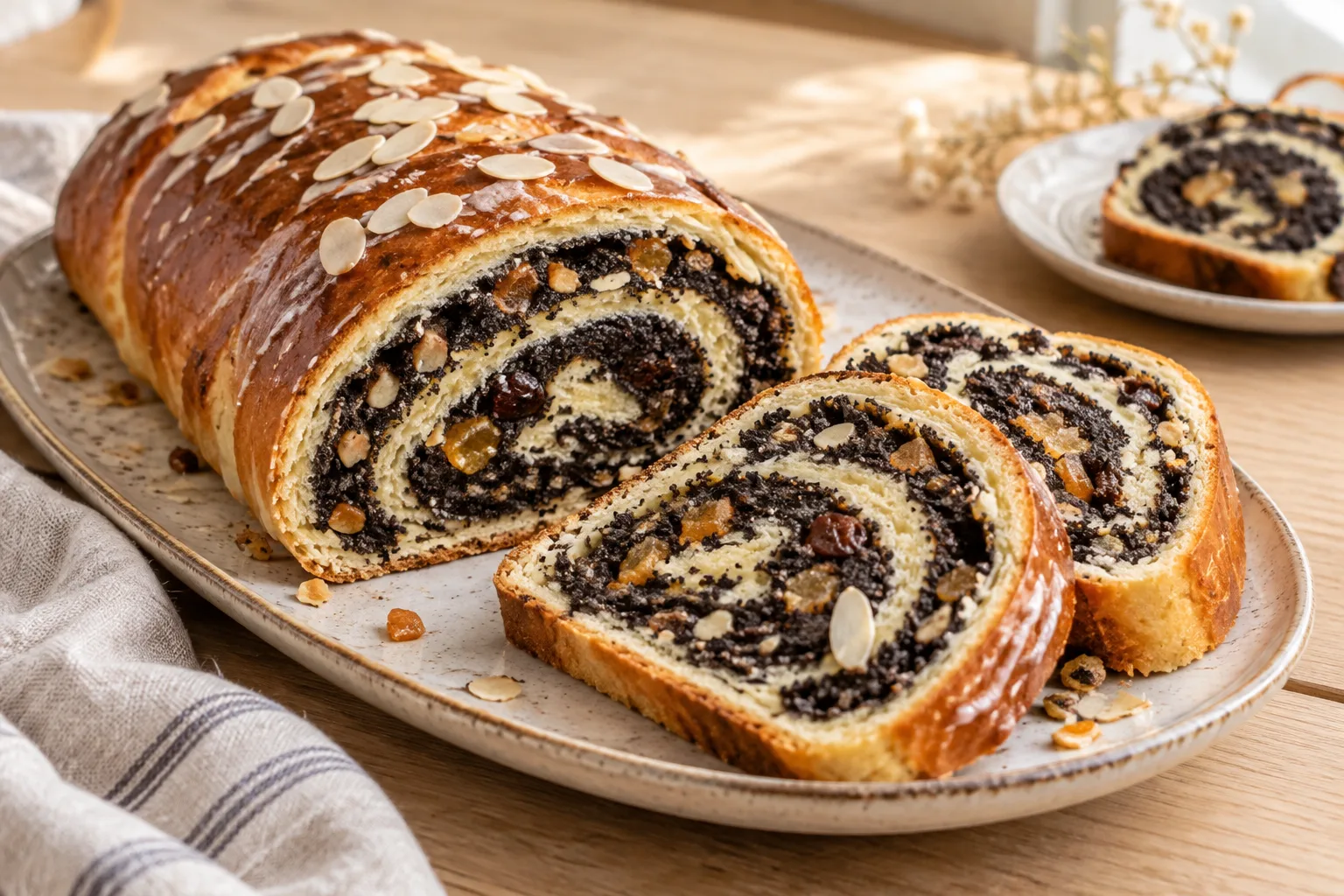
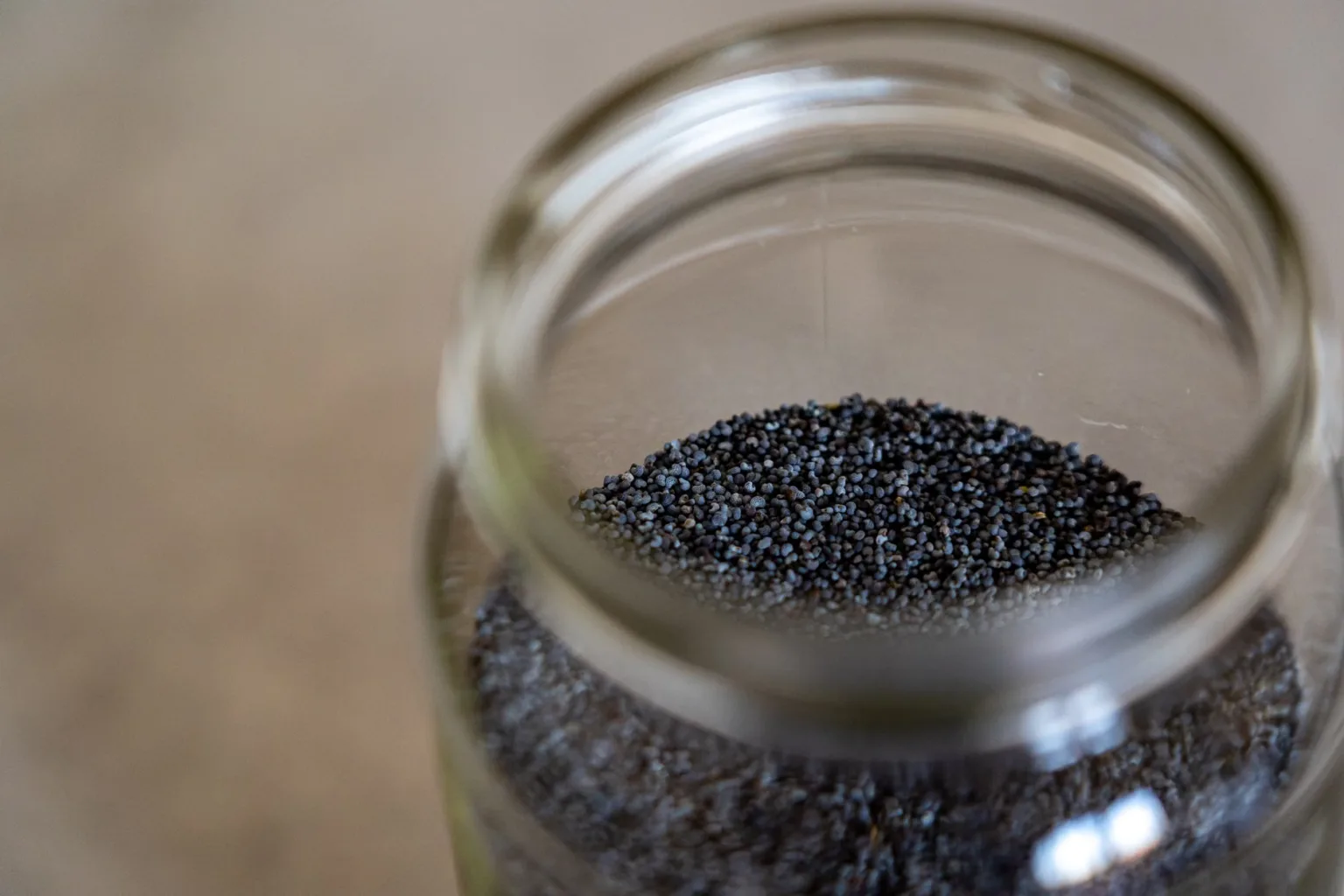
Poppy seeds are small seeds used as a culinary ingredient, especially in baking, though they also appear in salads and savory preparations. They may be dark, blue-gray or grayish, and less common white varieties are also available. In cooking, whole seeds add visible specks and a crisp texture, or can be mixed through a dough so they are distributed throughout the finished bake. They are not the same ingredient as poppy-seed oil, which is a separate product.
When to use it
Use poppy seeds when you want small crisp bites and a mild, slightly nut-like note without making the seed the dominant flavor. They suit bread, bagels, rolls, cookies and cakes, either mixed into the dough or sprinkled on top. They can also complement leafy salads with fruit or be added to a dressing. When trying them in a new recipe, start with a modest amount and adjust to the texture and flavor you want.
How to use it
Stir whole seeds directly into bread, pastry, cookie or cake dough, or scatter them over the surface before baking. For a savory preparation, sprinkle them on a salad or mix them into a dressing; one salad recipe combines them with greens and fruit. A culinary source also suggests lightly toasting them before adding them to salads or vinaigrettes to bring out their aroma. Do not assume a universal toasting time: follow your recipe and keep an eye on them. Add them gradually if you are unfamiliar with their texture.
Flavour and texture
Their flavor is described as mild, slightly sweet and reminiscent of nuts. Whole seeds give a noticeable crunch and create small dark or blue-gray flecks; white varieties exist but are less common. In baked goods they contribute texture and a speckled appearance, while in salads and dressings they provide crisp contrast. Flavor intensity can vary between products and varieties.
How to choose it
Choose a product explicitly sold as food-grade poppy seeds, and select whole seeds or a grind suited to your recipe. Available colors can range from blue-gray to darker shades, and less common white seeds are also sold. Whole seeds are a straightforward choice when you want them to remain visible as a topping. The available information does not support recommending one variety as universally best.
Storage
The supplied evidence does not specify exact home-storage conditions or a storage duration. Follow the package directions rather than assigning a fixed shelf life yourself. One commercial source describes the seeds as low in moisture and having extended stability, but that general description does not replace the manufacturer’s instructions or guarantee the shelf life of every opened pack.
Substitutions
Chia seeds can replace poppy seeds in some muffin batters; the source consulted says the flavor may be similar, although the recipe can differ in sweetness. Another option, if you want to keep the same ingredient, is to choose white rather than dark poppy seeds. White seeds are less common, and varieties should not be assumed to behave identically in every recipe.
Common mistakes
Do not confuse poppy seeds with poppy-seed oil: they are different products and cannot be swapped as though they were the same ingredient. Also, do not expect the seeds to lose their texture when mixed into dough; a perceptible crunch can be part of their role. In savory recipes, begin with a modest amount and adjust to taste rather than letting the seeds overwhelm the other flavors.
Safety and allergens
The official safety material supplied does not include a specific warning about culinary poppy seeds. Use a product labeled for food use and follow its package directions; the available evidence does not support a more specific warning.
Culinary uses
- Topping crujiente para panes, bagels y bollería
- Ingrediente para masas, galletas, ensaladas y aderezos
Recommended techniques
- Espolvorear sobre la masa antes de hornear o mezclar con ella
- Añadir a ensaladas o aderezos; tostarlas ligeramente es una opción descrita para realzar su aroma
Pairs well with
- Limón y otros cítricos en panes y repostería
- Hojas verdes, fruta y aderezos para ensalada
Frequently asked questions
How can I use poppy seeds?
Mix them into bread or baking dough, sprinkle them over baked goods, or add them to salads and dressings for a crisp texture.
What do poppy seeds taste like?
They are described as mild, slightly sweet and nut-like. Whole seeds have a crisp texture.
Can I substitute chia seeds for poppy seeds?
Chia can replace them in some muffin batters, though the result may vary and the recipe may be less sweet if other ingredients also change.
Estimated nutrition
- Fat
- 0 g
- Saturates
- 0 g
- Carbohydrate
- 0 g
- Sugars
- 0 g
- Protein
- 0 g
- Salt
- 0 g
Sources and review
Automatically researched, cross-checked and validated content. Sources consulted:
- ¿Por qué la muerte es origen de miedos y tabúes? doi.org
- memoriaaesan2022 aesan.gob.es
- Fruited Green Salad/Ensalada de Lechuga y Frutas (LCH) | CSU Northridge w2.csun.edu
- Spinach and Strawberry Salad wpcdn.web.wsu.edu
- Muffins de limón y semillas de chía - Spend Smart Eat Smart spendsmart.extension.iastate.edu
- July 12, 2020 - OSU Extension Service extension.oregonstate.edu
- Art & Architecture Thesaurus Full Record Display (Getty Research) getty.edu
- ¿QUÉ SE ESTÁ COCINANDO EN EL MERCADO? lyon.k-state.edu
- Las semillas de amapola y su uso en la cocina directoalpaladar.com
- Semillas de Amapola: Propiedades, Beneficios y Usos Medicinales koken.es
- Cocina 15 platos con semillas de amapola | Recetas Nestlé recetasnestle.cl
- Amapola, semilla | Céltigos, casa de especias especiasceltigos.es
- Semilla de Amapola | PAPRIMUR paprimur.es