- Category
- Meat
- State
- Fresh
- Usual unit
- g
What it is
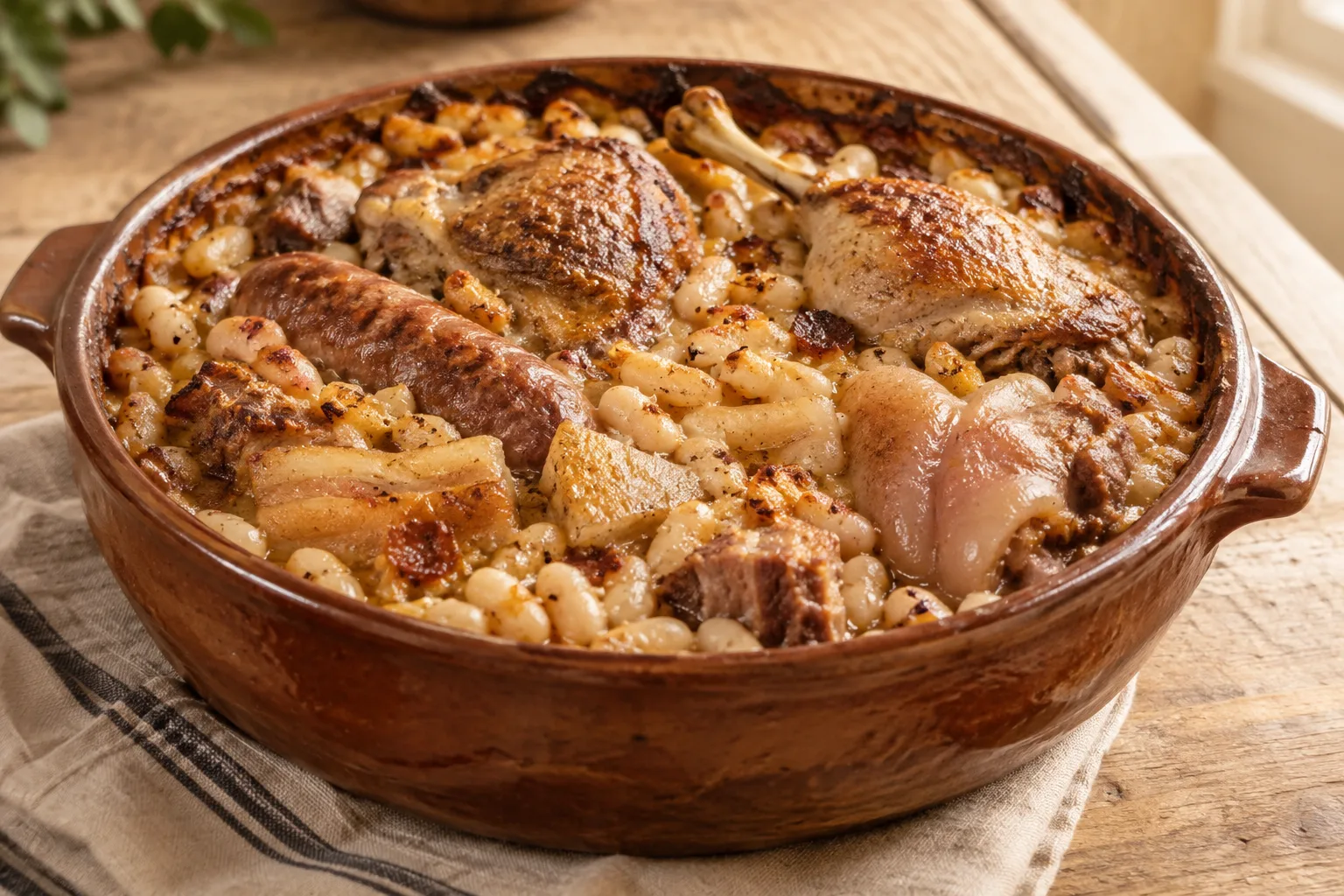
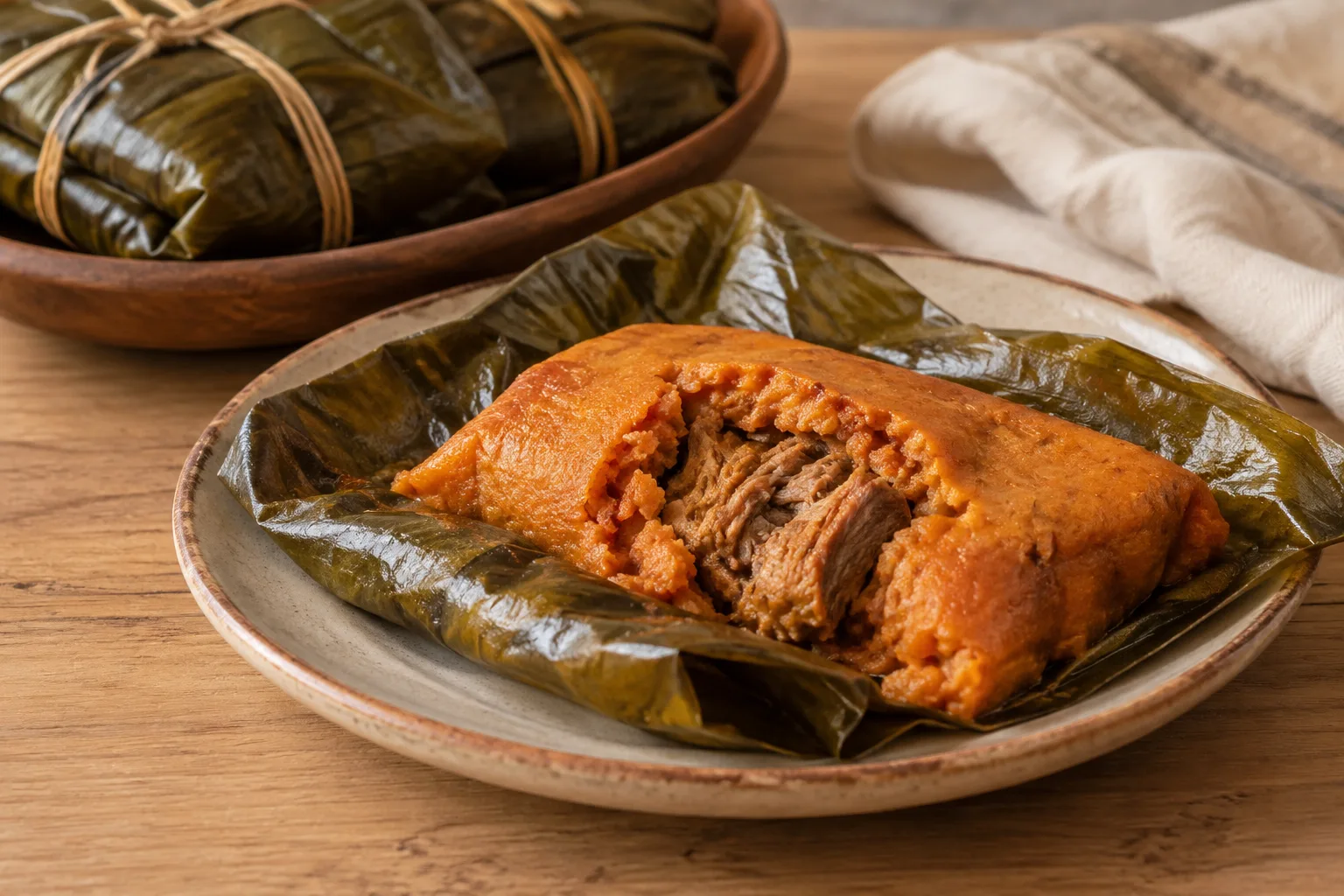
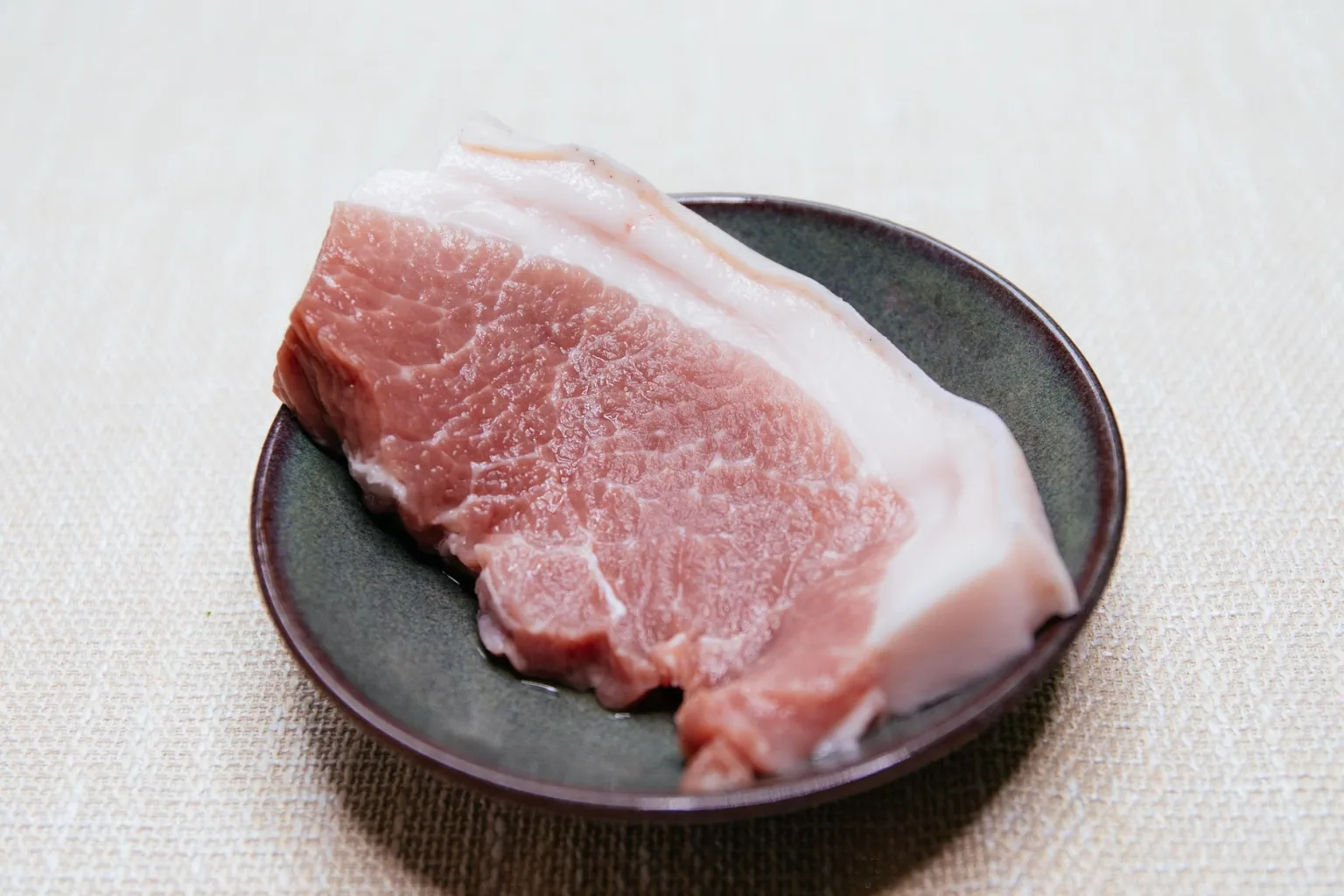
Pork is meat from a pig. It is sold as different cuts, including bone-in pieces such as chops and ribs, as well as ground or minced meat. These forms do not all behave alike: the cut and its proportions of lean meat and fat affect how it is best used. Some pork cuts are used for roasting or grilling, while others are used in stews, soups, or fried dishes. This profile refers to fresh pork; cured, smoked, and other processed pork products are distinct products and may need their own handling guidance.
When to use it
Choose pork when a recipe calls for it or when you want to select a cut for roasting, grilling, stewing, braising, or frying. Match the form to the recipe: a whole cut, a bone-in piece, and ground pork are not automatically interchangeable. Ground or minced pork suits recipes that specifically call for that form; for whole cuts, choose according to the cooking method and the recipe’s directions. Apples are a traditional accompaniment cited for fresh pork.
How to use it
Before cooking, identify the cut and follow directions intended for that piece; the general label “pork” alone does not determine a suitable cooking method or doneness. Depending on the cut and preparation, pork can be roasted, grilled, stewed, braised, or fried. Treat ground or minced pork as a distinct form rather than swapping it directly for a whole cut. If you want to season or marinate pork, garlic and other seasonings can be used in a marinade. When handling raw meat, use clean surfaces and utensils, keep its juices away from ready-to-eat foods, and wash your hands and clean surfaces after handling it. Follow official food-safety guidance for thorough cooking.
Flavour and texture
Flavor and texture vary with the cut and its proportion of fat. The available evidence describes some cuts as lean and tender and others as fattier and juicy, so there is no single profile that fits all pork. The cut, size, and cooking method affect the result. Choose a cut to suit the texture your recipe calls for, and do not assume that one piece can replace another without adapting the preparation.
How to choose it
For fresh pork, look for meat that is firm and grayish pink, with relatively little outside fat; a small amount of marbling may contribute to flavor and tenderness. Choose a package that feels cold and has no tears or damage. Buy meat near the end of your shopping trip, keep it separate from other foods, and refrigerate or freeze it promptly at home. Follow any use-by date printed on the package.
Storage
Refrigerate or freeze fresh pork promptly after bringing it home; do not leave it in a hot car or at room temperature. Store it apart from cooked foods and keep raw meat together so its juices do not contact other foods. If freezing, wrap portions tightly and airtight, and label the package. Follow package directions and local official recommendations for storage times and temperatures, which can depend on the product and storage conditions.
Substitutions
Do not assume that all pork cuts are equivalent: a bone-in piece, a whole cut, and ground pork have different forms. If a recipe calls for ground or minced pork, look for another pork product in that same form rather than substituting a whole cut. To replace a whole piece, choose a cut suited to the cooking method and adapt the recipe; the available evidence does not establish exact cut-for-cut equivalents.
Common mistakes
A common mistake is choosing any pork cut without considering whether the recipe calls for a whole piece, bone-in meat, or ground pork. Do not leave raw meat beside ready-to-eat foods, reuse utensils that touched raw meat without washing them, or thaw pork at room temperature. Follow product-specific directions and official food-safety guidance.
Safety and allergens
Keep raw pork separate from ready-to-eat foods, and wash hands, utensils, and surfaces after handling it. Do not thaw it at room temperature. For safe preparation and storage, follow package directions and official food-safety recommendations in your area.
Culinary uses
- Ingrediente principal en platos de carne
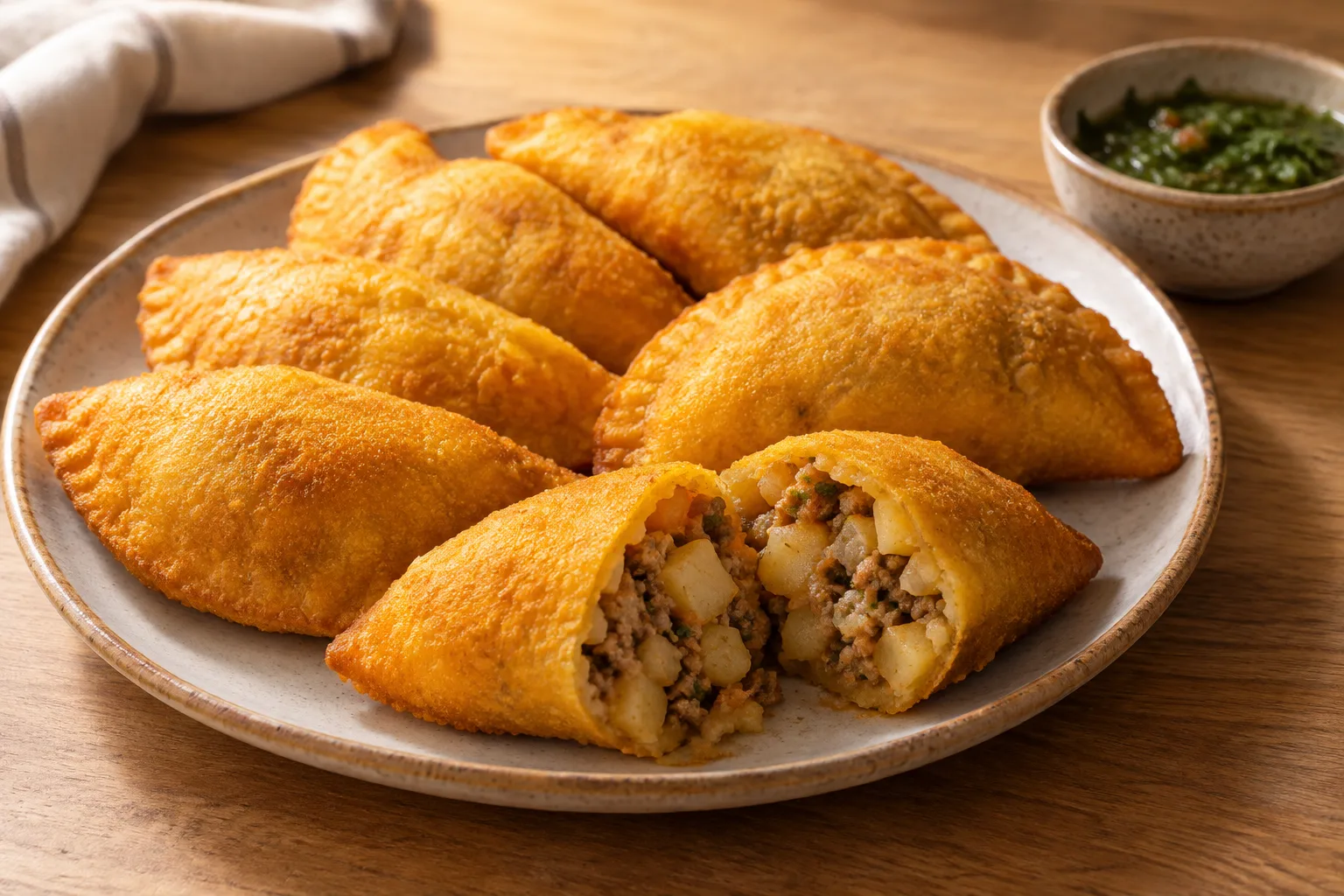
- Base para preparaciones con carne molida o picada
Recommended techniques
- Asar
- Cocinar a la parrilla
- Guisar o estofar
- Freír
Pairs well with
- Manzana
- Ajo y condimentos en una marinada
Frequently asked questions
Which pork cut should I choose?
Choose according to the recipe and cooking method. Cuts vary in shape and fat content, and are not all interchangeable.
Can I replace a whole cut with ground pork?
Not automatically. Ground pork is a different form; use it only when the recipe allows ground or minced meat, and adapt the preparation.
How should I handle raw pork?
Keep it separate from ready-to-eat foods, and clean your hands, utensils, and surfaces after handling it. Follow local official guidance.
Estimated nutrition
- Fat
- 4.12 g
- Saturates
- 2.35 g
- Carbohydrate
- 1.18 g
- Sugars
- 0 g
- Fibre
- 0 g
- Protein
- 21.2 g
- Salt
- 0.53 g
Sources and review
Automatically researched, cross-checked and validated content. Sources consulted:
- The Essential Glossary of Cooking Terms for the Culinary Arts - Escoffier escoffier.edu
- Safe Handling of Pork | Home & Garden Information Center hgic.clemson.edu
- Vamos a Conservar Alimentos: Carnes extension.psu.edu
- Trabajo electrónico aesan.gob.es
- Chef Greg Proechel at Debjo | Institute of Culinary Education ice.edu
- Pork Carcass Fabrication: Packaging and Meat Safety extension.sdstate.edu
- La carne de cerdo, pilar de la cocina tradicional – Ibéricos Alhandiga ibericosalhandiga.com
- \r\n \n El Cerdo y su Deliciosa Versatilidad en la Gastronomía\n \r\n recetasexplicadas.com
- Carne de cerdo - Wikipedia, la enciclopedia libre es.wikipedia.org