- Category
- Meat
- State
- Fresh
- Usual unit
- g
What it is
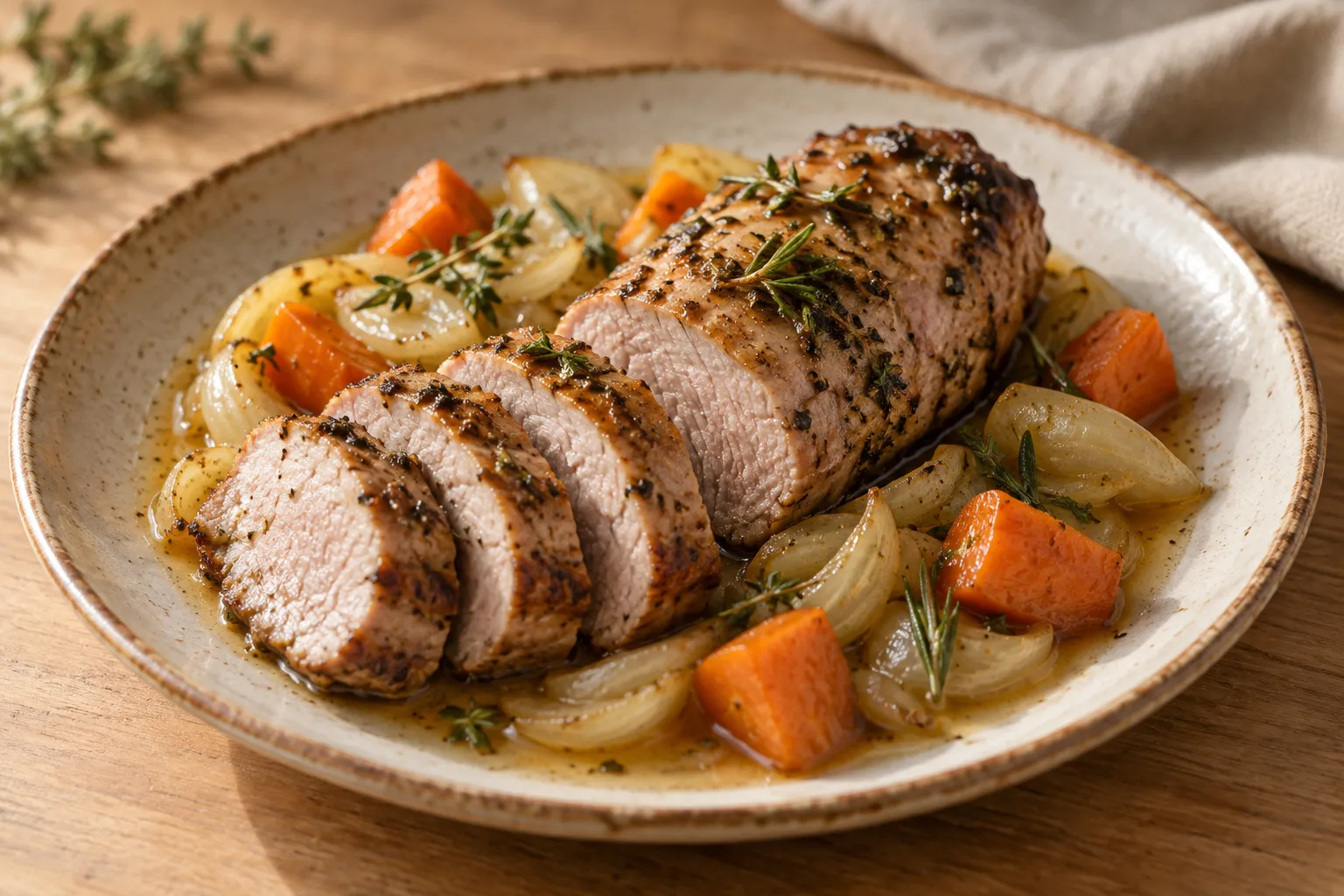
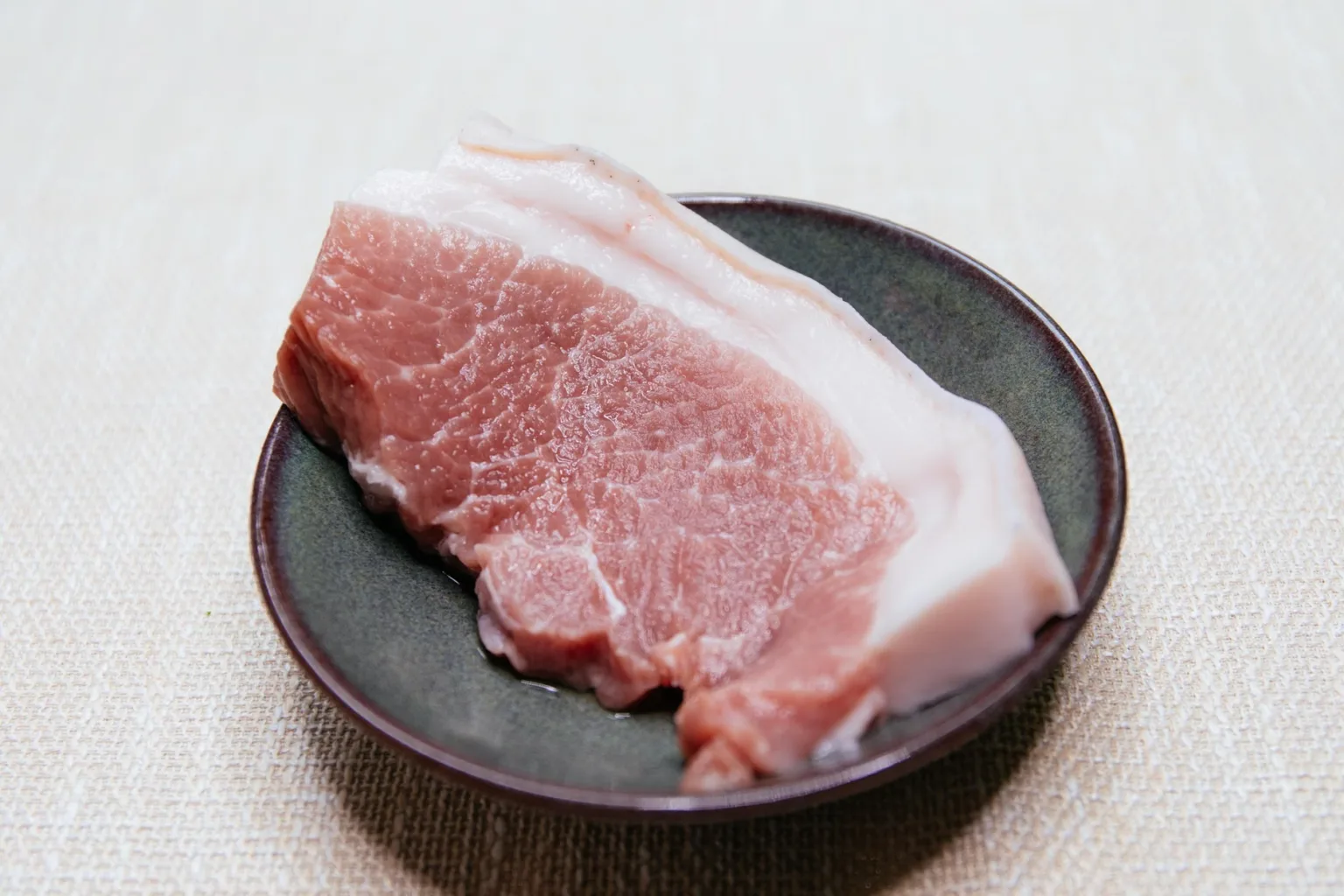
Pork tenderloin is a long, tapered cut of pork from the lumbar area, beneath the loin and close to the lower ribs. It is valued for its tender texture and mild flavor. The piece can be prepared whole or cut into medallions, steaks or strips, making it useful in both straightforward meals and more elaborate dishes. It should not be confused with other pork cuts: shape, thickness and fat content can vary from one cut or product to another. Plain fresh meat is also different from a marinated, seasoned or stuffed product; check the label of prepared products for their ingredients and directions.
When to use it
Choose it when you want a tender pork cut for an everyday meal or a more special preparation. Cook it whole and slice it to serve, or cut it into medallions for individual portions that can be browned in a pan or on a griddle. Its mild flavor suits herbs, mustard, garlic and sauces, and it can be served with rice, mashed potatoes or vegetables. Since overcooking can dry it out, it is best suited to methods and preparations where you can keep an eye on doneness rather than long, unattended cooking.
How to use it
Before cooking, decide whether to use the tenderloin whole or cut into medallions, and remove any outer membrane if present. Season it with herbs and spices, or marinate it to add flavor. For a simple preparation, brown it in a pan or on a griddle; you can also sear it before finishing it in the oven. Another option is to cut it into pieces for a brief stew. Serve it with a mustard or herb sauce, a fruit-based sauce, rice, mashed potatoes or vegetables. Avoid cooking it for a long time without checking the result: this lean cut can become dry when overcooked. For packaged or prepared products, follow the use instructions on the label.
Flavour and texture
Pork tenderloin has a mild, delicate flavor that works with a range of seasonings, marinades and sauces. The cut is valued for its tender texture; once sliced, the thickness of the medallions affects how they cook. As a lean cut, it can lose moisture if overcooked. Browning the outside and controlling the cooking help create contrast between the surface and interior without masking the meat’s own flavor.
How to choose it
Choose a piece clearly identified as pork tenderloin, and check that the package is intact if it is sold packaged. One culinary guide recommends looking for pale pink meat and a firm texture; these are visual cues, not a guarantee on their own. Distinguish plain fresh meat from marinated, seasoned or stuffed products: check the product name, ingredient list and allergen information where applicable. Also check the date and the product’s storage and use instructions.
Storage
The available sources do not provide a specific storage duration or temperature for this cut. Follow the date and storage conditions shown on the package or supplied by the retailer. Keep the meat in its packaging until you are ready to use it, and do not rely on general advice when the product has its own directions. For marinated, seasoned or stuffed products, check their use and storage instructions too; they are not the same as an unprepared cut.
Substitutions
You could consider another pork cut, such as loin, or chicken breast if you want meat with a relatively mild flavor. These are not exact equivalents to tenderloin: thickness, texture and cooking behavior differ, so adjust the preparation and check the result. When substituting in a recipe, also check whether the alternative cut is seasoned or otherwise prepared, and follow its product directions.
Common mistakes
The most common mistake is overcooking: because tenderloin is lean, it can dry out and lose moisture. Do not assume that every pork product is a plain fresh cut; some products may be marinated or contain other ingredients. Choose the cooking method with the thickness and format in mind—whole or sliced—and check the package instructions.
Safety and allergens
Follow the package or retailer’s storage and use instructions. If you buy prepared pork, check its ingredient list and allergen information: prepared products may contain ingredients that are not part of plain pork.
Culinary uses
- Plato principal
- Medallones o filetes para servir con salsa y guarnición
Recommended techniques
- A la plancha o en sartén
- Asado al horno
- A la brasa
- En guiso de cocción breve
Pairs well with
- Mostaza, hierbas aromáticas y ajo
- Arroz o puré de patatas
- Verduras salteadas o asadas
- Salsas de fruta o de vino
Frequently asked questions
Can I cook pork tenderloin whole, or should I slice it?
Either works. You can cook it whole or cut it into medallions, steaks or strips; the format changes the preparation and portion thickness.
Why can pork tenderloin turn dry?
It is a lean cut and can lose moisture when overcooked. Keep an eye on doneness and avoid extending the cooking without checking it.
What goes well with pork tenderloin?
It pairs with mustard, herb or fruit-based sauces and can be served with rice, mashed potatoes or vegetables.
Sources and review
Automatically researched, cross-checked and validated content. Sources consulted:
- En el etiquetado alimentario hay algunas menciones que son obligatorias eletiquetadocuentamucho.aesan.gob.es
- ¿Por qué la muerte es origen de miedos y tabúes? doi.org
- Receta de Solomillo de Cerdo | PEKIS Recetas pekis.net
- Aesan - Agencia Española de Seguridad Alimentaria y Nutrición aesan.gob.es
- Origen y Variedades del Solomillo de Cerdo - XanCouso xancouso.es
- Solomillo: que es, tipos y cómo sacarle el máximo partido neveraespanola.com
- Las mejores recetas de solomillo de cerdo directoalpaladar.com
- 15 recetas con solomillo de cerdo originales y deliciosas nuevoestilo.es
- Solomillo - Wikipedia, la enciclopedia libre es.wikipedia.org
- Descubriendo las Partes del Solomillo: Un Análisis de los Mejores Cortes Valencianos para Gourmet culturavalenciana.es
- ▷ ¿Qué es el solomillo? - Solomillo ibérico - Sierra de Monesterio sierrademonesterio.com
- Solomillo de cerdo, una de las carnes más selectas y sabrosas carnicasmulas.com
- 5 recetas de solomillo de cerdo fáciles y llenas de sabor – Bigcrafters bigcrafters.com
- Cómo Cocinar el Solomillo de Cerdo Tierno y Jugoso | Arroz SOS arrozsos.es
- Cómo cocinar solomillo de cerdo para que quede tierno tiendaabrasadorencasa.com
- Recetas con solomillo de cerdo: tiernas, sabrosas y rápidas de hacer okdiario.com