- Category
- Meat
- State
- Fresh
- Usual unit
- unit
What it is
Pork trotters are pig feet, also called pig’s feet in some places. They contain bone and cartilage, so when cooked until tender they can have a gelatinous, yielding texture. They are commonly simmered in liquid or cooked as part of a stew, and may also be served with a sauce. The finished texture depends on the cut and preparation; trotters are not a boneless, quick-cooking piece of meat. They may be sold fresh or salted, but this profile covers the fresh product. Before cooking, check that the cut is clean and follow the seller’s storage instructions.
When to use it
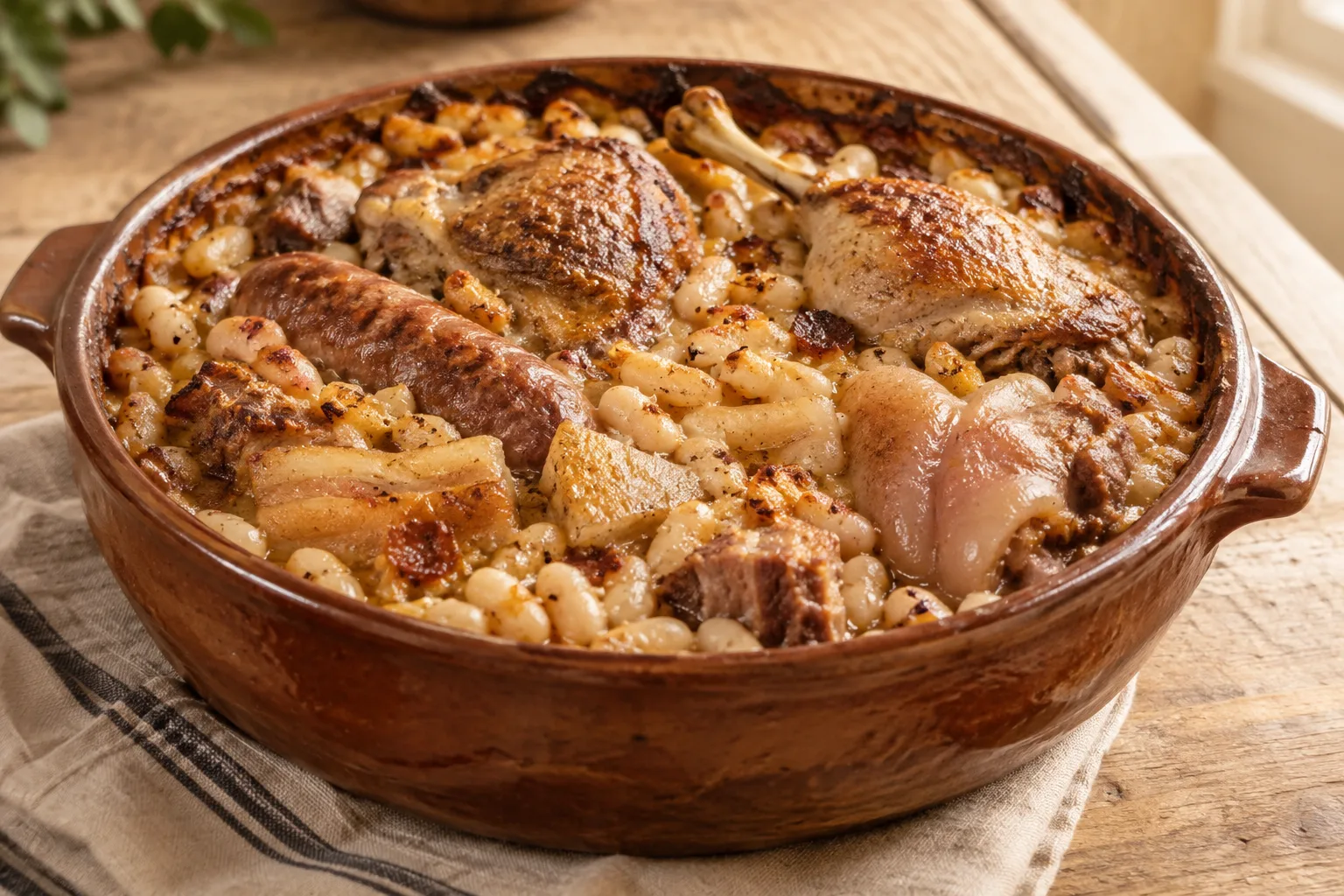
Choose pork trotters when you want a gelatinous texture in a stew, broth or legume dish, or want to serve a tender pork cut with sauce. They suit preparations where liquid and other ingredients can complement their flavor. They can be added to a legume dish such as a cocido or served with tomato sauce. They are not the best choice when you need boneless meat or a fast-cooking cut: their structure calls for a preparation that tenderizes them.
How to use it
Keep raw trotters separate from ready-to-eat foods, and wash your hands and utensils after handling them. If needed, ask a butcher to clean and cut them; remove any visible hair or debris before cooking. Place the trotters in a pot with liquid and cook until tender, or add them to a stew and cook gently until softened. They can also be prepared in a pressure cooker using a reliable recipe, since the cut and equipment affect the result. Add them to a legume stew or serve with tomato sauce. Make sure they are fully cooked and refrigerate leftovers promptly.
Flavour and texture
Their flavor is that of pork and can be pronounced, although sauce and other stew ingredients strongly shape the final dish. Bone and cartilage contribute a gelatinous, yielding texture when the trotters are cooked until tender. Do not expect a uniform piece of lean meat: the proportions of bone, skin and tissue can vary.
How to choose it
Buy fresh trotters from a trusted retailer and ask whether they have been cleaned and prepared for cooking. Check that the packaging is intact and that the product has been kept refrigerated as directed by the seller. If you would rather not clean or cut them at home, ask a butcher to do it. Appearance alone cannot guarantee food safety.
Storage
Keep fresh trotters refrigerated and follow the package or seller’s instructions; do not leave them at room temperature while preparing a meal. If you will not cook them soon, check the package guidance about freezing or ask the retailer. Chill cooked leftovers promptly and keep them separate from raw food. The available evidence does not establish a specific storage period for this cut.
Substitutions
There is no exact substitute for a trotter, since its bone, cartilage and texture contribute to the dish. Pork ear or snout can be used in a similar offal-style stew, but these are different cuts and will not give exactly the same result. If you simply need pork for a stew, another cut may work, but expect the texture and body of the dish to change.
Common mistakes
Do not expect trotters to become tender with brief cooking: they are a bony, cartilage-rich cut commonly cooked until softened. Do not handle them beside ready-to-eat foods or reuse unwashed utensils that touched raw meat. Avoid assuming every piece has the same balance of meat, skin and bone.
Safety and allergens
Wash hands and clean utensils and surfaces after handling raw meat. Keep trotters separate from ready-to-eat foods, cook them thoroughly and chill leftovers promptly. Follow the storage directions on the package or from the seller.
Culinary uses
- Slow-cooked stew ingredient
- Flavorful, gelatinous addition to broth or legumes
Recommended techniques
- Simmering until tender
- Braising in sauce
- Pressure cooking, using a tested recipe
Pairs well with
- Tomato-based sauces
- Legumes, including chickpeas or beans
- Rice or mashed potatoes
Frequently asked questions
What texture do cooked pork trotters have?
When cooked until tender, they can be gelatinous and yielding because of their cartilage. The amount of meat and bone varies from piece to piece.
How are pork trotters usually cooked?
They are commonly cooked in liquid as part of a stew or legume dish until tender. Pressure-cooker recipes are also used; follow a reliable recipe.
What can I serve with pork trotters?
They can be served in a tomato-based stew or with legumes. Rice or mashed potatoes are also mentioned as accompaniments.
Sources and review
Automatically researched, cross-checked and validated content. Sources consulted:
- ¿Por qué la muerte es origen de miedos y tabúes? doi.org
- The Essential Glossary of Cooking Terms for the Culinary Arts - Escoffier escoffier.edu
- Cuatro Pasos Simples Para la Seguridad en los Alimentos | Home & Garden Information Center hgic.clemson.edu
- Aplicaciones de la Biotecnología en Seguridad Alimentaria aesan.gob.es
- Free Standing, Slide In, and Drop In Electric housing.illinoisstate.edu
- Noticias del Exterior : boletín de información internacional ... mapa.gob.es
- Carnitas de Cerdo en la Olla de Cocción Lenta | Servicio de Extensión de OSU extension.oregonstate.edu
- Ingredientes dornsife.usc.edu
- Manitas de cerdo: así se hace la receta tradicional de la abuela – Bigcrafters bigcrafters.com
- Las manitas de cerdo, el plato que condujo a la guillotina a Luis XVI | El Diario Montañés eldiariomontanes.es
- Manitas de Cerdo en Salsa, receta tradicional eladerezo.com
- ▷ Manitas de cerdo: ingrediente indispensable del cocido madrileño gastronomicspain.com